Task Lighting
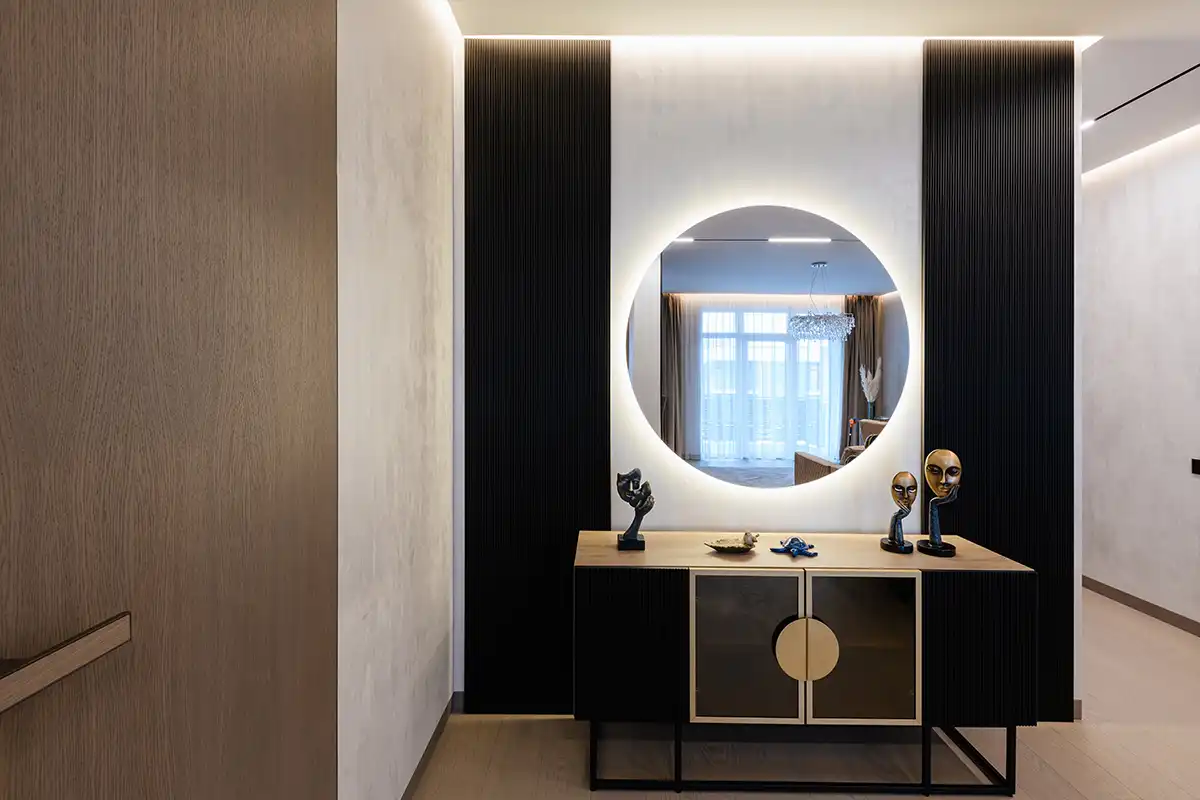
Task lighting is a focused lighting system designed to illuminate specific activity zones such as reading desks, mirrors, or wardrobes. It involves planning light direction, selecting suitable fixtures, and executing installation with precise placement. VS Wilson delivers task lighting as a complete EPC solution, covering design planning, procurement, on-site installation, and final system setup.
As a UAE-based execution partner, VS Wilson undertakes projects across the Middle East, USA, and Europe through on-site deployment. The service is delivered as a full lifecycle execution model, where lighting is not just selected but engineered, installed, and calibrated to match real usage conditions within the space.
- Focused illumination aligned with activity-specific zones.
- Glare control for prolonged visual tasks.
- Fixture positioning based on user movement patterns.
- Integrated switching for independent light control.
Scope of This Task Lighting Service
- Activity-based lighting zone mapping before installation
Each task area is identified based on actual usage, not assumed layouts
- Fixture selection aligned with glare control requirements
Light output and beam spread are chosen to avoid eye strain during extended use
- Electrical planning with independent switching logic
Circuits are designed so task lights operate separately from ambient systems
Task lighting focuses on directing light exactly where it is needed rather than spreading it across the entire room. This service includes identifying task zones, selecting appropriate lighting systems, planning wiring layouts, and executing installation with precision.
In actual projects, one common issue is that lighting is installed symmetrically rather than functionally. This results in shadows on work surfaces or glare in mirror areas. This service avoids such outcomes by aligning lighting positions with actual user interaction points.
Types of Task Lighting Solutions Offered
Desk Task Lighting
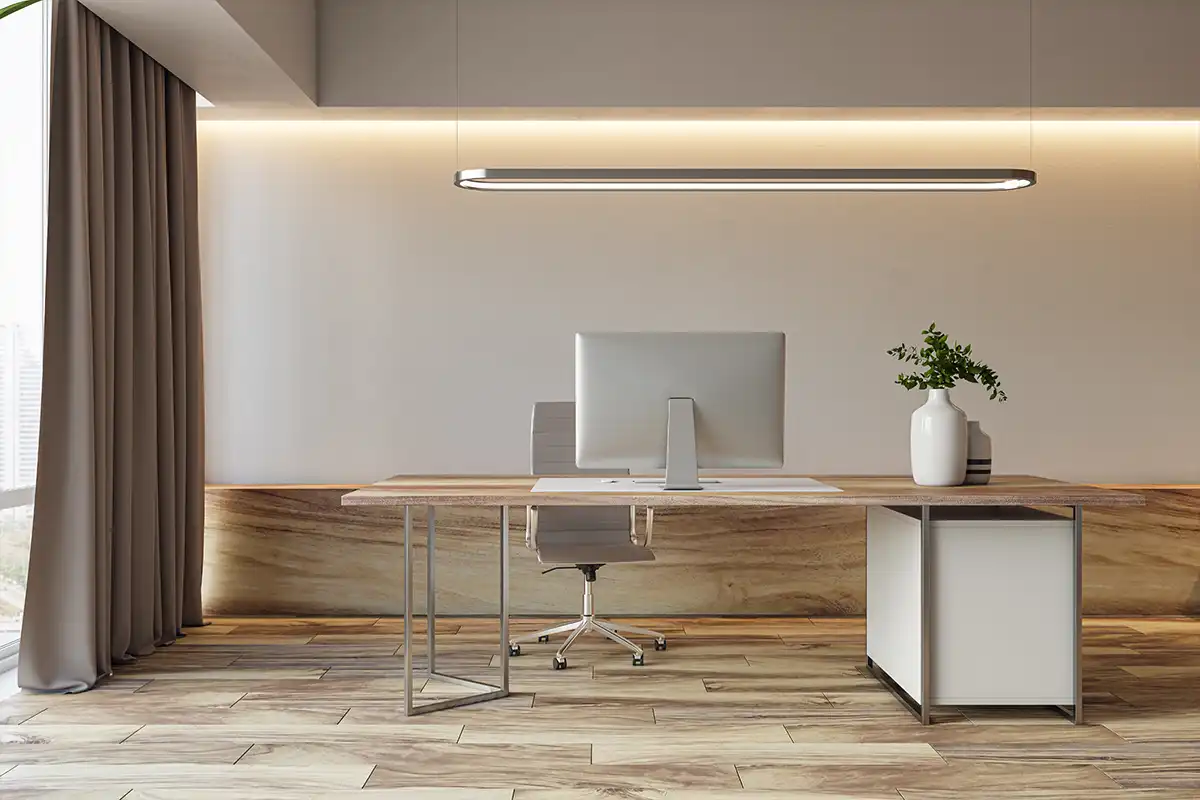
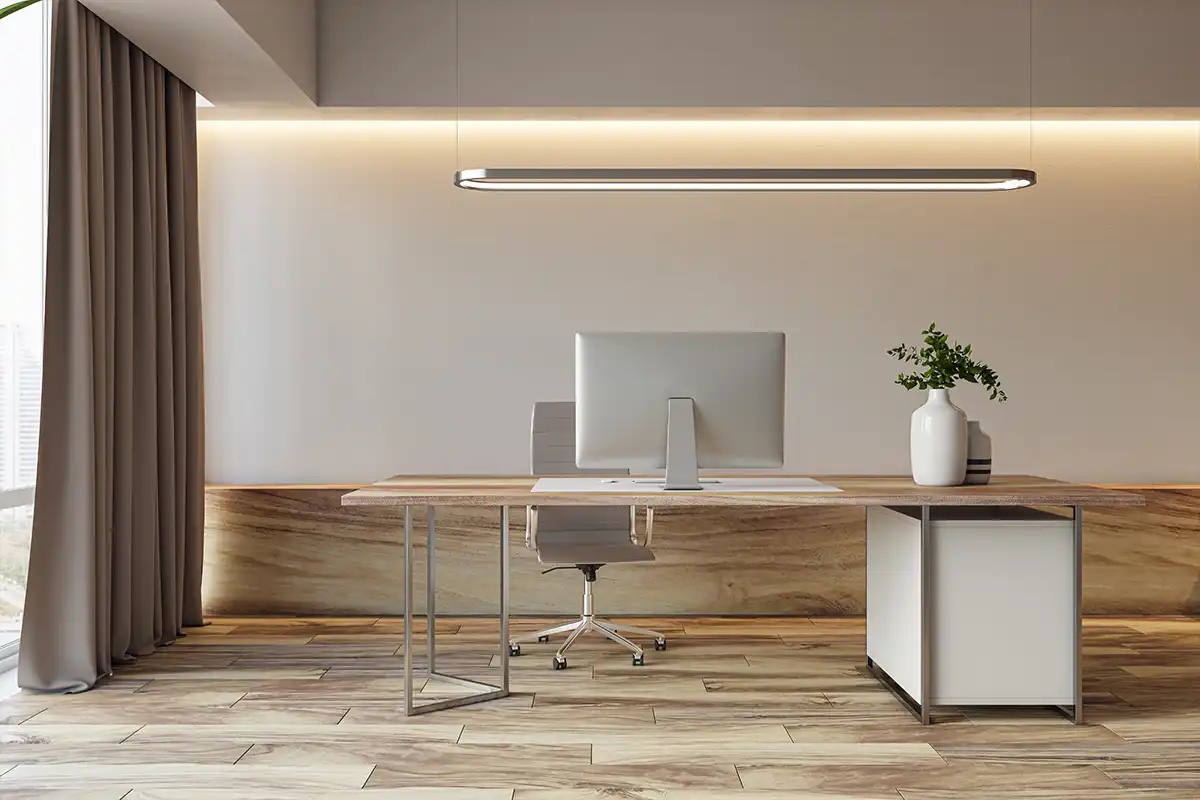
Used in study or work areas to provide focused illumination without lighting up the entire room
Under-Cabinet Task Lighting
Installed beneath cabinets or shelves to illuminate working surfaces like counters or desks
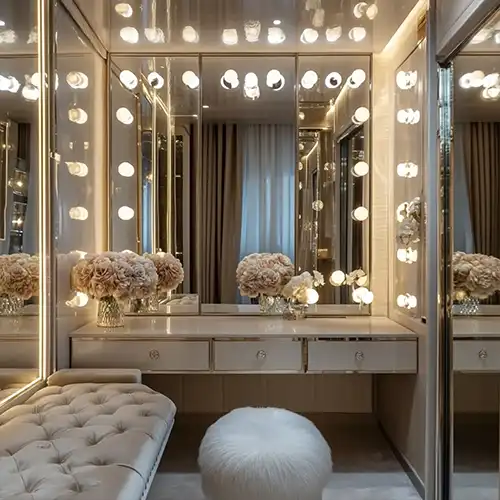
Vanity and Mirror Lighting
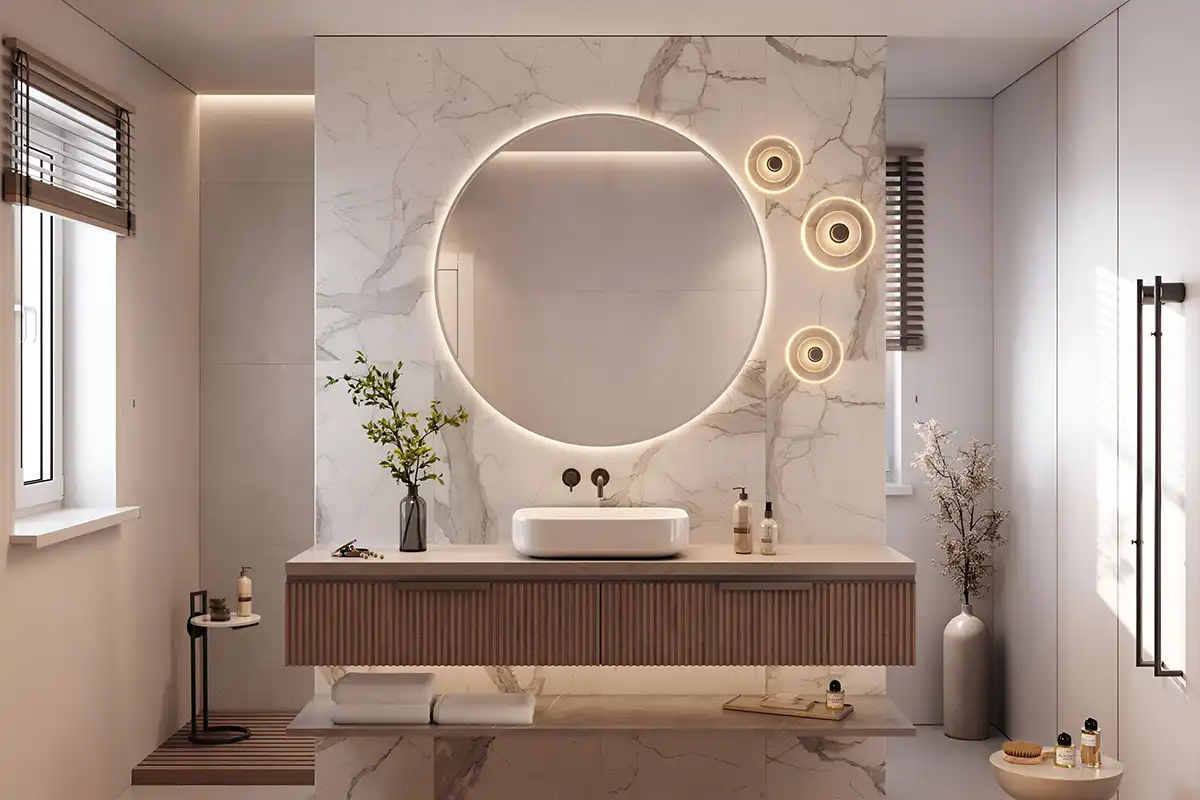
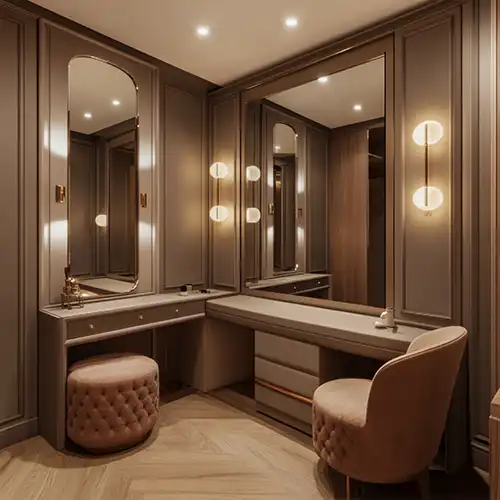
Placed around mirrors to provide even face illumination without casting shadows
Adjustable Directional Lights
Fixtures that allow angle control for changing task positions
Integrated Panel Lighting
Embedded within furniture or panels to provide concealed yet effective task illumination
Study Room Lighting Design within Task Lighting
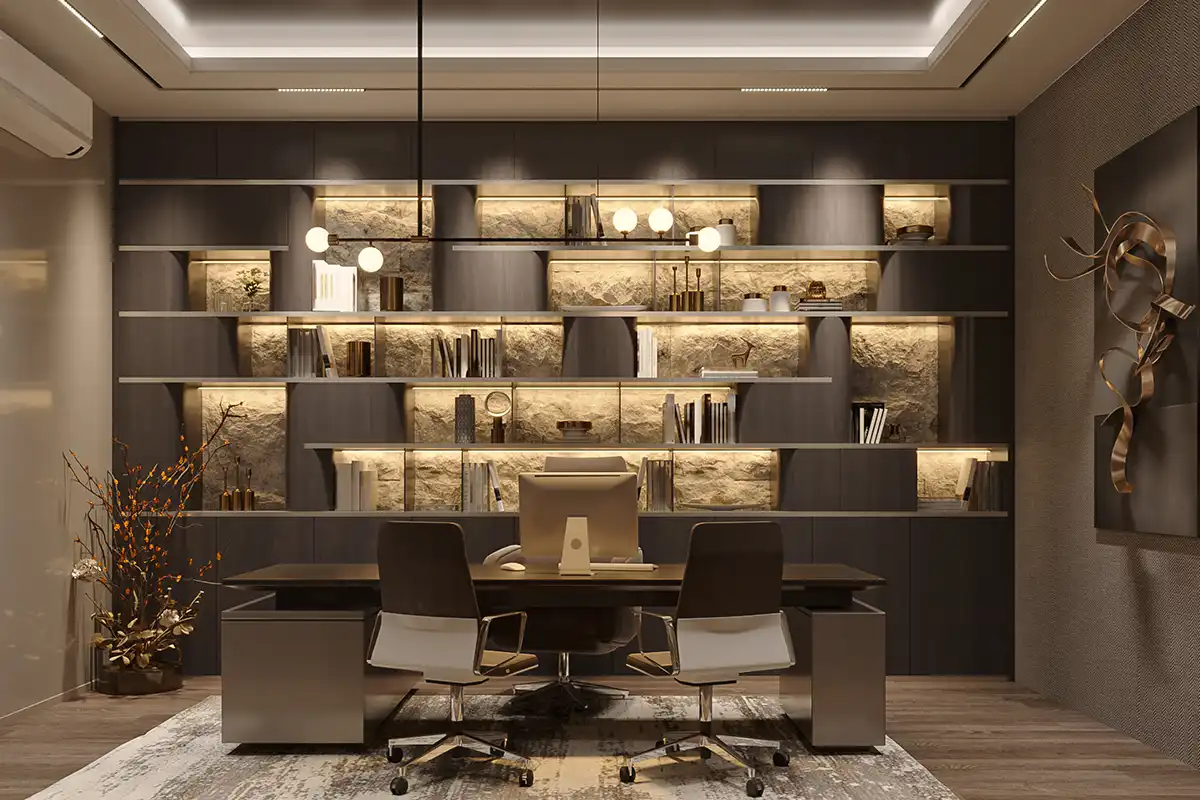
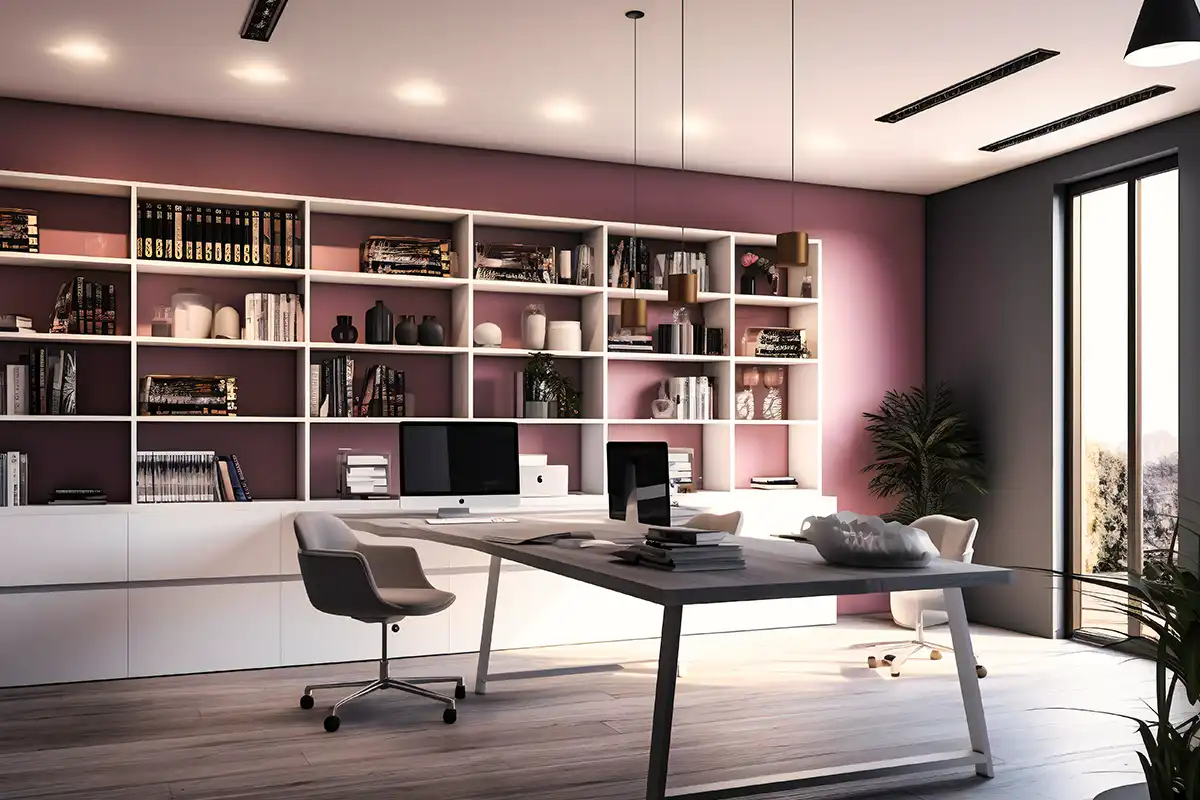
Study Room Lighting Design is a variation where users search for lighting specific to reading or desk work, but it remains a direct extension of task lighting systems. The focus here is sustained visual clarity without fatigue.
From an execution point of view, study lighting often fails due to overhead-only fixtures that create shadows on desks. Proper task lighting introduces directional lighting positioned slightly ahead of the user, reducing strain during long reading or screen sessions. Fixture selection must consider beam spread and brightness balance to avoid overexposure on surfaces.
Dressing Room Lighting Design as Task Lighting Application
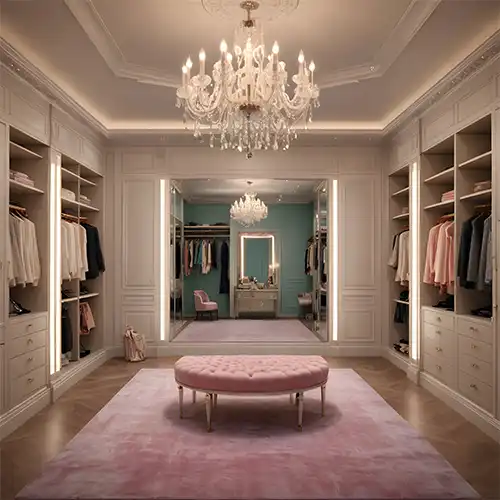
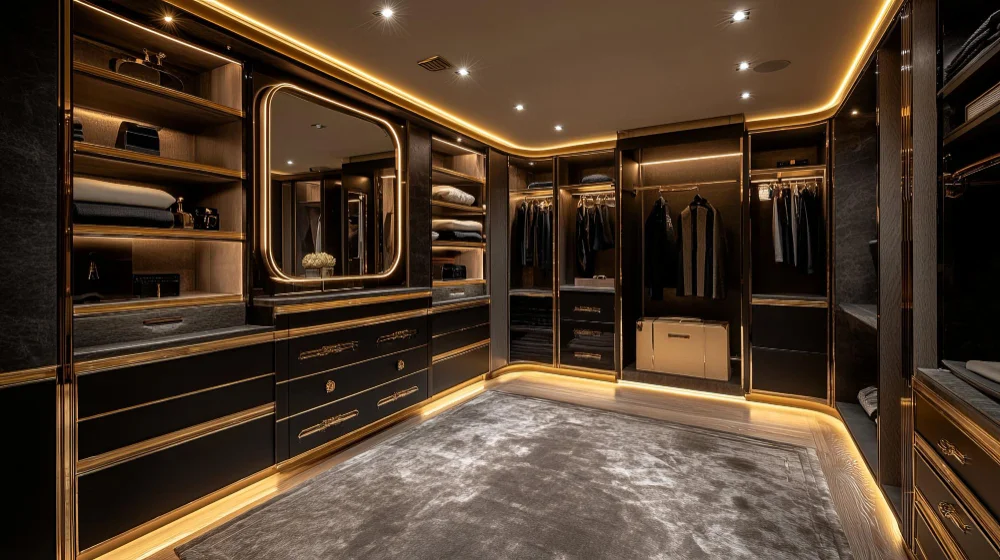
Dressing Room Lighting Design represents a use-case-driven variation where task lighting is applied to wardrobe and grooming areas. It still operates under the same principles of directional illumination and controlled brightness.
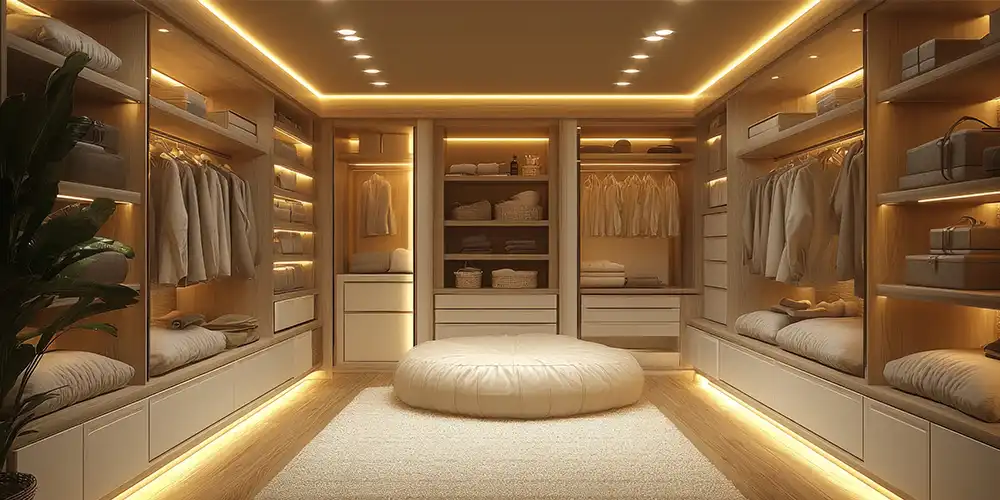
In real residential setups, dressing rooms often suffer from uneven lighting inside wardrobes or harsh lighting near mirrors. Task lighting here involves concealed strip lighting inside storage areas and soft directional lighting for dressing zones. Installation must consider cabinet depth, door movement, and user positioning to avoid blocked light paths.
Mirror Lighting under Task Lighting Execution
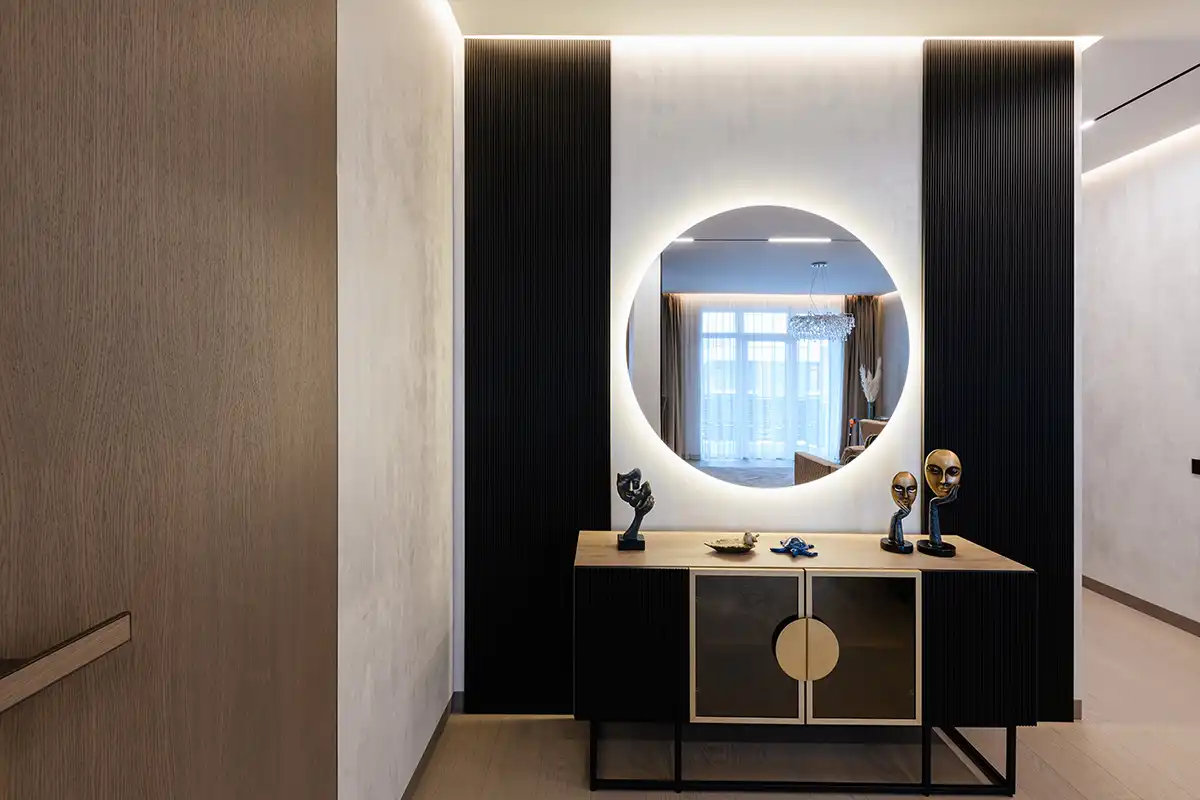
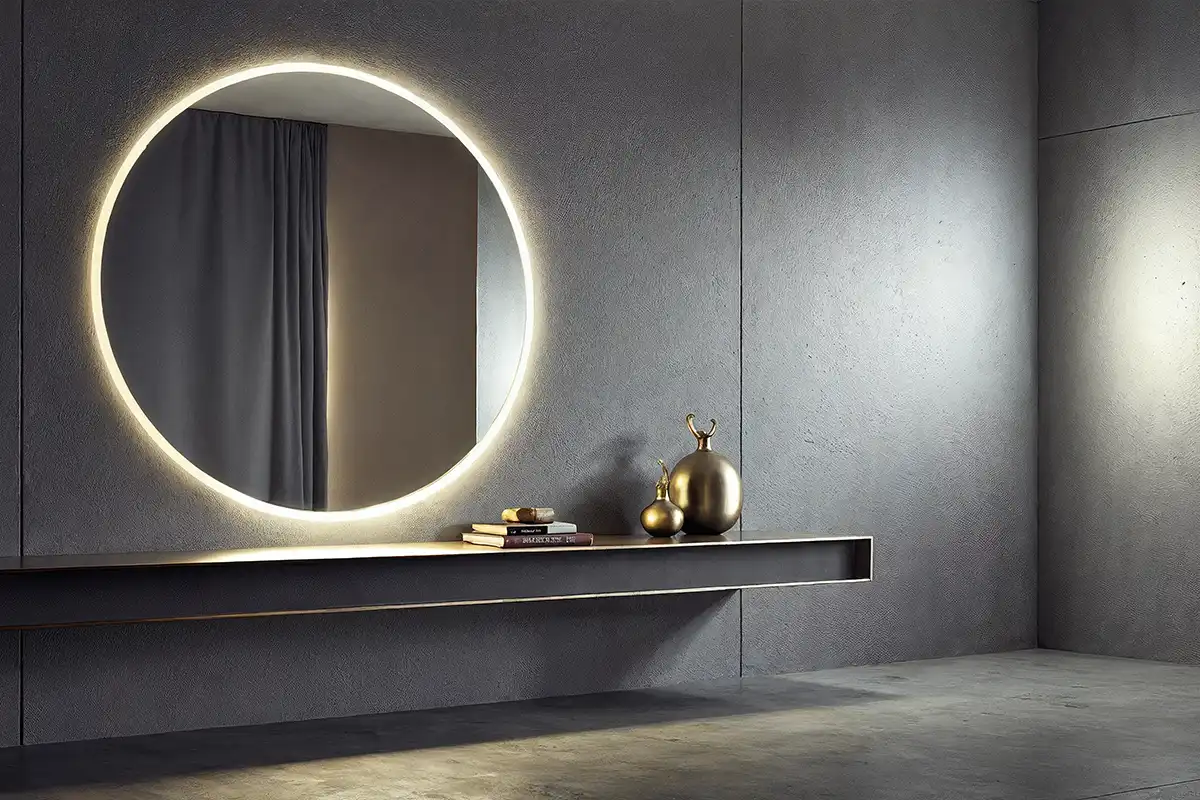
Mirror Lighting is a commonly searched variation that focuses on face-level illumination, yet it is a core component of task lighting systems. It requires careful positioning to eliminate shadows and avoid glare.
This usually happens when lighting is placed above the mirror instead of around it, causing uneven face illumination. Proper execution involves placing light sources on both sides or integrating them within mirror frames. Fixture selection must also consider color temperature and brightness to support grooming or makeup tasks accurately.
Real-World Applications & Use Cases
Task lighting is applied in study areas, dressing spaces, kitchens, and workstations where focused visibility is required. It is also essential in renovation projects where existing lighting does not support specific activities.
In actual projects, users often complain about shadows while reading or difficulty seeing clearly in mirrors. Task lighting resolves these by directing light precisely to the required area, improving usability without increasing overall brightness.
When Task Lighting Becomes Necessary
Task lighting becomes necessary when general lighting fails to support specific activities. This usually happens in spaces where users rely on precision, such as reading, grooming, or detailed work.
It is also required when spaces are used for multiple purposes, and ambient lighting alone cannot adapt to each task requirement.
Environments & Project Conditions This Service Fits
Task lighting fits residential interiors with defined activity zones such as study rooms, dressing areas, and kitchens. It is also suitable for compact spaces where lighting must be efficient rather than widespread.
Projects with furniture-integrated lighting or custom cabinetry benefit significantly from structured task lighting execution.
Project Execution Process for Task Lighting
Task lighting execution begins with identifying activity zones within the space. This involves understanding how each area is used rather than relying on standard layouts.
Design planning follows, where fixture types, placement angles, and brightness levels are determined. Procurement ensures that selected lighting systems match both design intent and installation conditions.
On-site installation is carried out with alignment to furniture placement and electrical layout. This stage is critical, as incorrect positioning can lead to ineffective lighting even with correct fixtures.
Final steps include testing light direction, adjusting angles, and calibrating brightness levels. In many projects, lack of coordination between design and installation leads to rework. This integrated approach eliminates that risk by handling the entire lifecycle.
Technical & Safety Considerations
Task lighting requires precise wiring and fixture compatibility with surrounding materials. Heat management is important, especially in enclosed spaces like cabinets or mirrors.
Electrical load distribution must be planned to avoid circuit overload. Additionally, fixtures must be positioned to prevent direct glare into the user’s line of sight.
Common Problems & Risks in Lighting Installation
One common issue is incorrect fixture placement, where light falls behind the user instead of in front. This creates shadows and reduces usability.
Another risk is over-bright lighting, which causes discomfort during prolonged use. In many cases, lighting is selected without considering beam angle or placement height, leading to ineffective results.
These are practical issues that are often overlooked during planning but become evident after installation.
How to Choose the Right Task Lighting Setup
Choosing task lighting depends on understanding the activity being performed and the user’s position relative to the light source.
For example, reading requires forward-directed light, while mirror lighting needs side illumination. Fixture selection should match the task rather than the room type.
Another important factor is control. Task lighting should operate independently so users can adjust it without affecting the entire room. Without this, lighting becomes inconvenient and inefficient.
Professional planning ensures that these decisions are made before installation, reducing the need for corrections later.
Pricing Factors
Task lighting pricing depends on the number of task zones, fixture type, and installation complexity. Projects with integrated furniture lighting or concealed systems require more coordination.
Cost also varies based on control systems and electrical modifications required. Lower-cost setups often skip planning stages, resulting in ineffective lighting that may need reinstallation.
From a long-term perspective, proper execution reduces operational issues and avoids repeated adjustments.
Why Choose This Task Lighting Service
Task lighting requires precise alignment between design intent and physical installation. Even small placement errors can affect usability.
VS Wilson handles the complete execution lifecycle, ensuring that lighting works as intended in real conditions. This reduces dependency on multiple vendors and avoids coordination gaps.
To understand how execution capability is structured across projects, visit our About Us page.
Service Coverage
VS Wilson operates from the UAE and executes projects across Dubai, Abu Dhabi, and surrounding regions.
For international projects across the Middle East, USA, and Europe, teams are deployed on-site based on project requirements, ensuring consistent execution standards.
Common Buyer Concerns Before Hiring
Clients often question whether task lighting will actually improve usability or just add more fixtures. This concern arises because many installations focus on quantity rather than placement.
Another concern is cost efficiency. Without proper planning, lighting may require reinstallation, increasing overall expense.
Execution reliability is also a concern, as task lighting depends heavily on accurate positioning and alignment.
FAQs
1. Does task lighting include full installation?
Yes. Task lighting is delivered as a complete service, including design planning, fixture sourcing, installation, and final adjustments based on actual usage.
2. Can task lighting be added to existing spaces?
Yes. Existing setups can be evaluated and modified to include task lighting, though some electrical adjustments may be required.
3. Is task lighting necessary in all rooms?
Not always. It is most useful in areas where specific activities require focused visibility, such as study or dressing spaces.
4. How is task lighting different from ambient lighting?
Task lighting focuses on specific activity zones, while ambient lighting provides general illumination across the space.
5. Do you handle international projects?
Yes. Projects across the Middle East, USA, and Europe are executed through on-site deployment teams based on project scope.
6. Can task lighting be integrated with automation systems?
Yes. Task lighting can be connected to control systems, allowing independent operation and adjustment based on user needs.
Discuss Your Project
Task lighting decisions are closely tied to how spaces are used daily. Planning it correctly avoids issues like shadows, glare, or ineffective illumination. Whether you are designing a new space or upgrading an existing one, discussing actual usage patterns and layout constraints helps define the right execution approach.
VS Wilson executes projects across UAE, Middle East, USA, and Europe through on-site deployment and full lifecycle responsibility. You can share your project details, layout plans, or lighting challenges through our Contact page to initiate a structured discussion around execution planning.