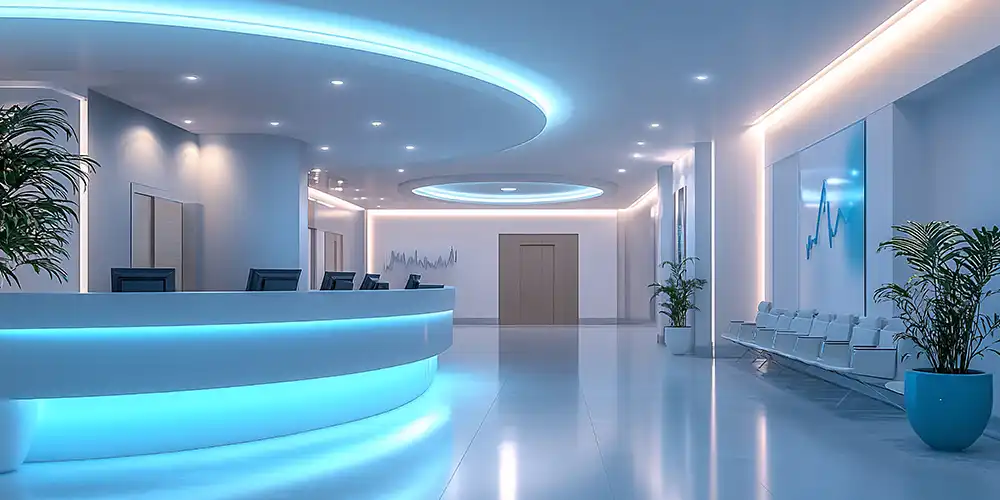
Hospital Lighting
Hospital Lighting is a full-scope lighting design and execution service for healthcare facilities, covering planning, fixture selection, electrical coordination, installation, and final calibration. It ensures that lighting supports medical procedures, patient care, and operational workflow through a fully implemented system.
At VS Wilson, Hospital Lighting is delivered as an EPC model engineering design, material procurement, on-site installation, and final commissioning are handled as one complete project lifecycle. Based in the UAE, projects are executed across the Middle East, USA, and Europe through on-site deployment. The company functions as an end-to-end execution partner, managing everything from concept planning to final system delivery.
- Clinical visibility aligned with medical task precision.
- Lighting layouts planned around patient and staff workflow
- Fixture integration coordinated with medical infrastructure.
- On-site calibration for glare-free and controlled illumination.
What This Service Includes
Hospital lighting is not a standard interior lighting setup. In actual hospital environments, each zone behaves differently—an operation theatre demands precision, while a ward requires comfort over extended durations.
Another critical aspect is coordination with medical infrastructure. Lighting must align with equipment positioning, ceiling-mounted systems, and sterile zones. If this is not planned early, rework becomes unavoidable during execution.
Types of Lighting Solutions Offered
Operation Zone Lighting Systems
Focused lighting systems designed for surgical and procedure-intensive environments
Patient Area Lighting
Balanced lighting setups that support patient comfort without compromising visibility
Circulation Area Lighting
Lighting planned for movement areas such as corridors and connecting pathways
Diagnostic & Examination Lighting
Lighting designed for inspection accuracy in clinical evaluation areas
Support Area Lighting
Lighting for administrative zones, storage, and staff workspaces
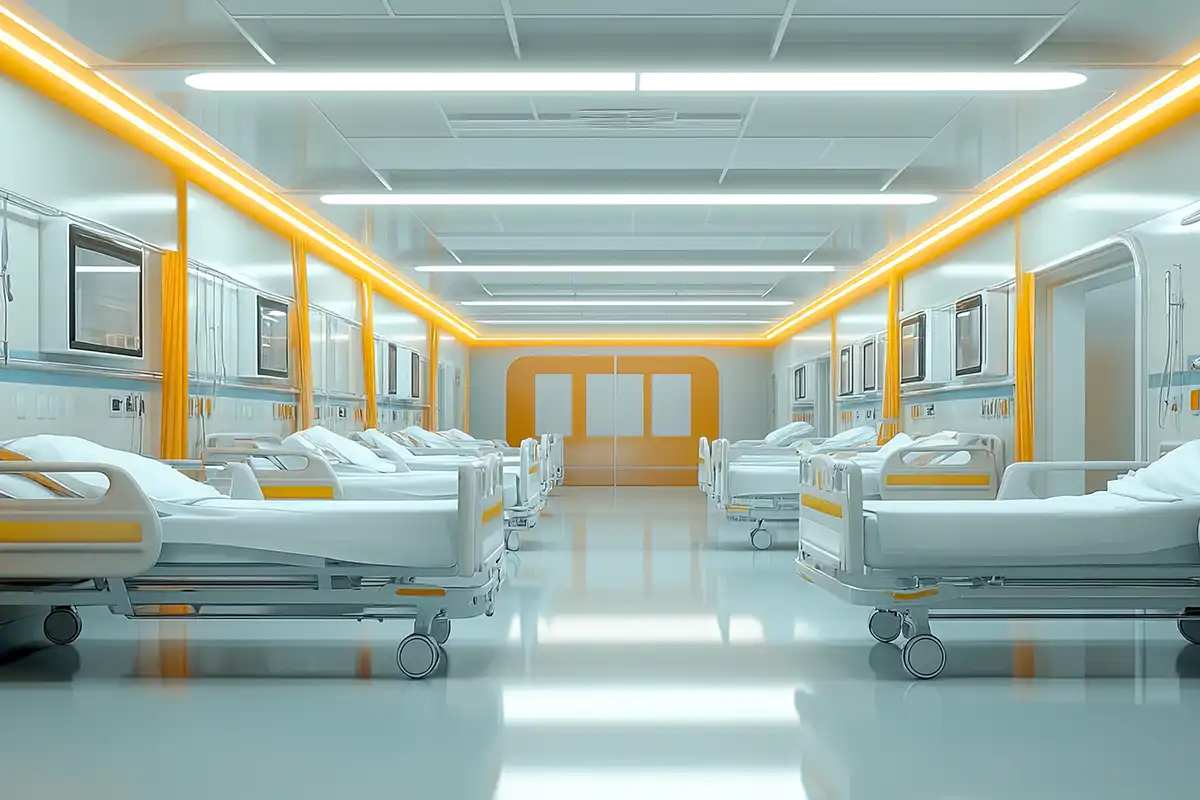
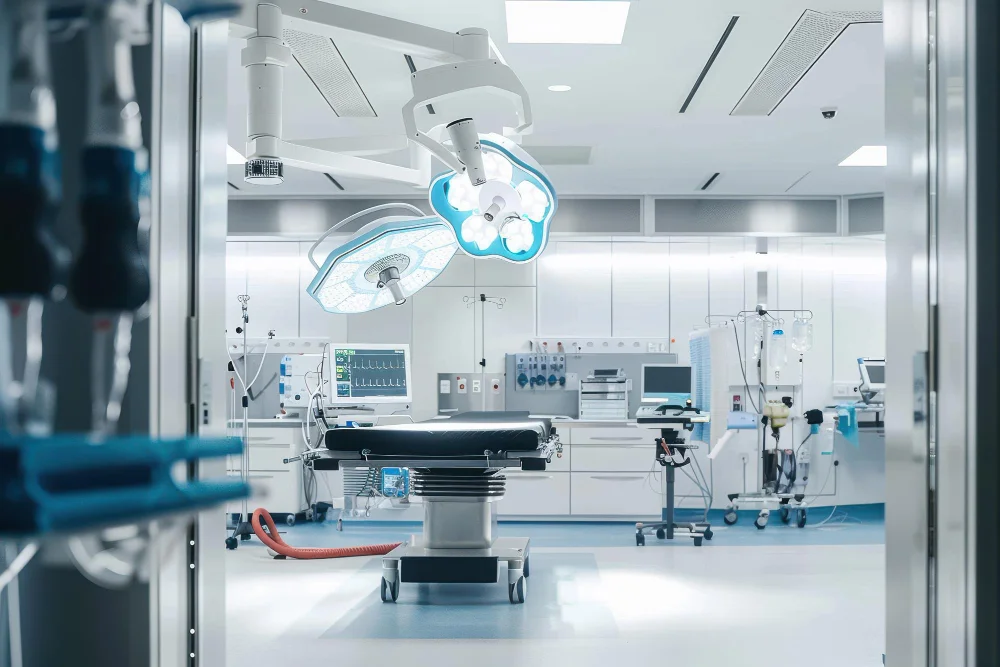
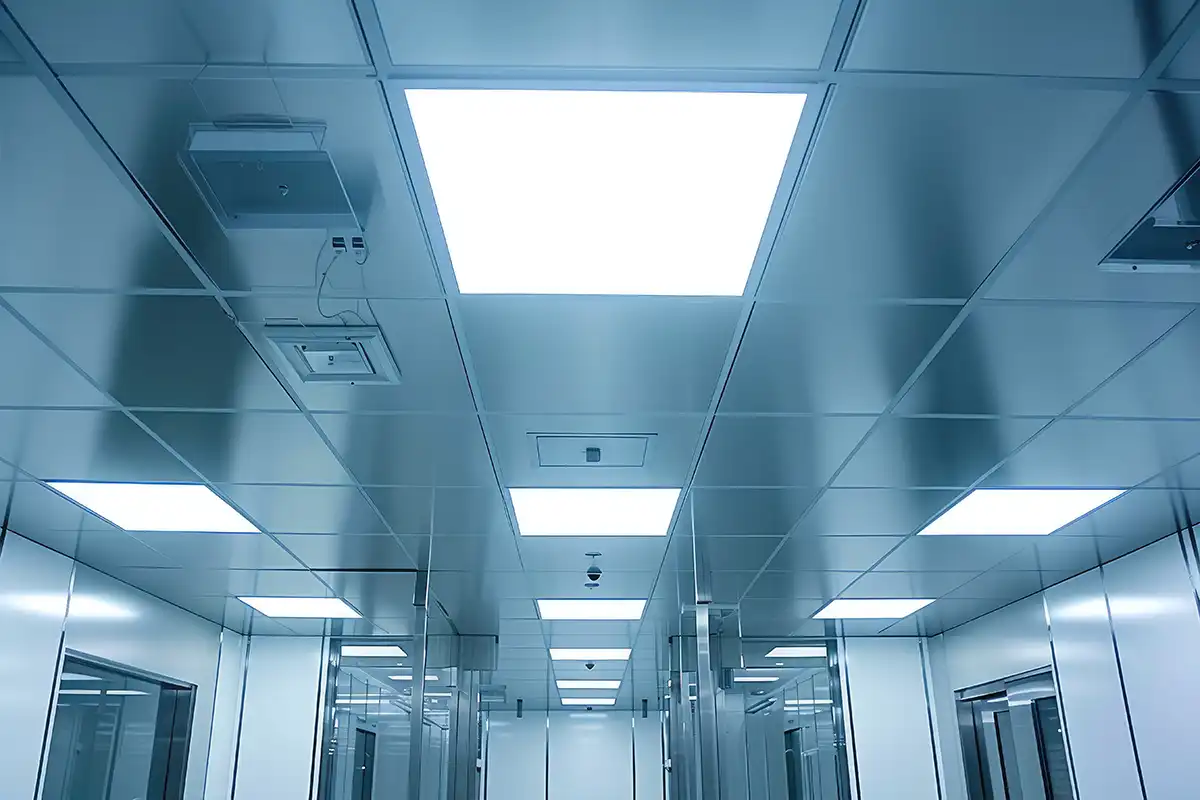
Operation Theatre Lighting Systems
This keyword represents a highly specialized requirement within Hospital Lighting where surgical precision becomes the primary focus. While users search specifically for operation theatre setups, it remains part of the same end-to-end hospital lighting execution model.
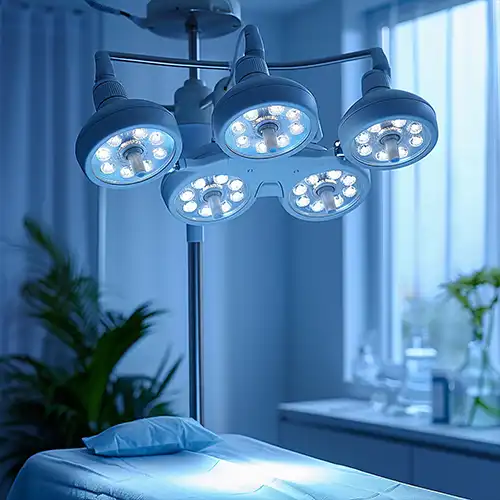
Operation theatre lighting systems are designed to provide focused, shadow-controlled illumination during procedures. In actual projects, achieving uniform light without heat buildup or glare is a major challenge.
Execution involves precise positioning relative to surgical tables, integration with ceiling-mounted systems, and coordination with sterile environment requirements. Even slight misalignment can affect visibility during procedures, which is why on-site calibration becomes critical.
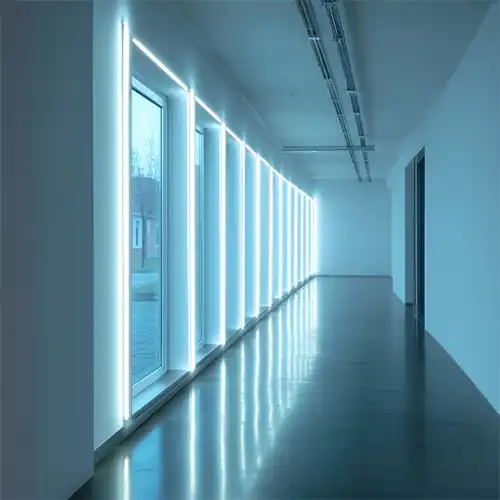
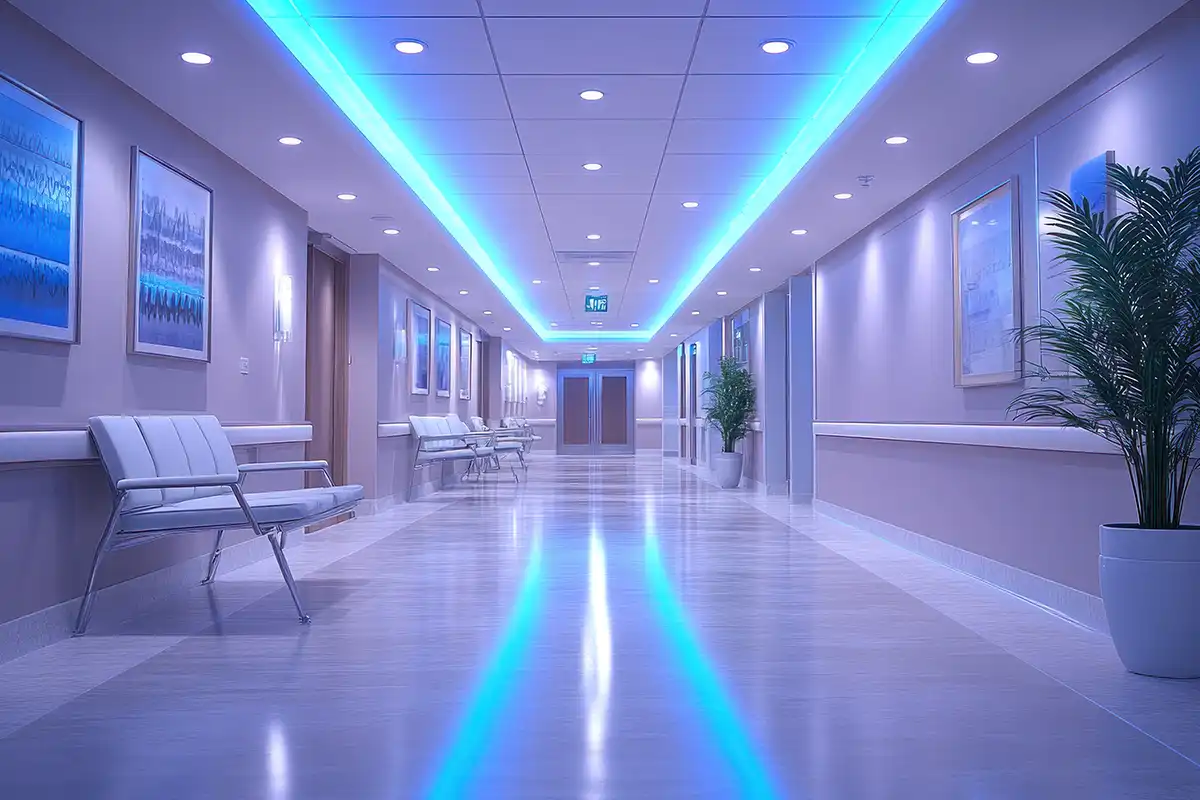
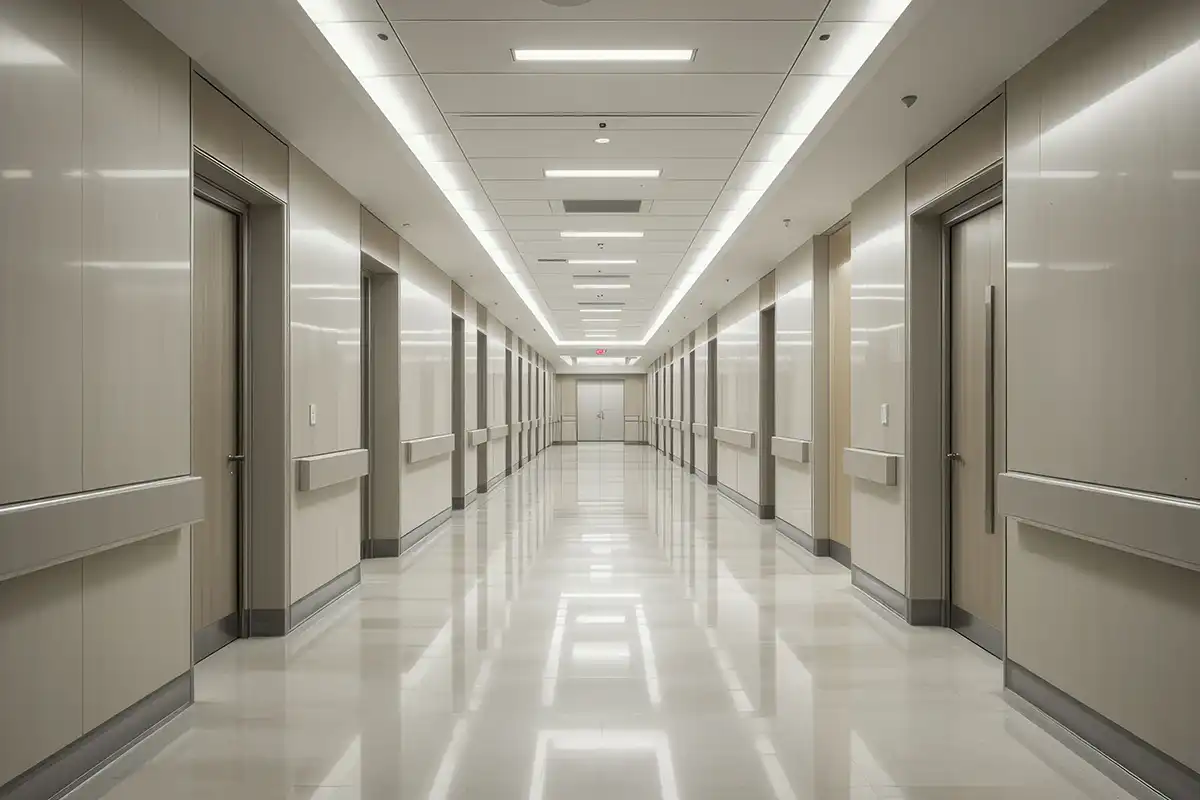
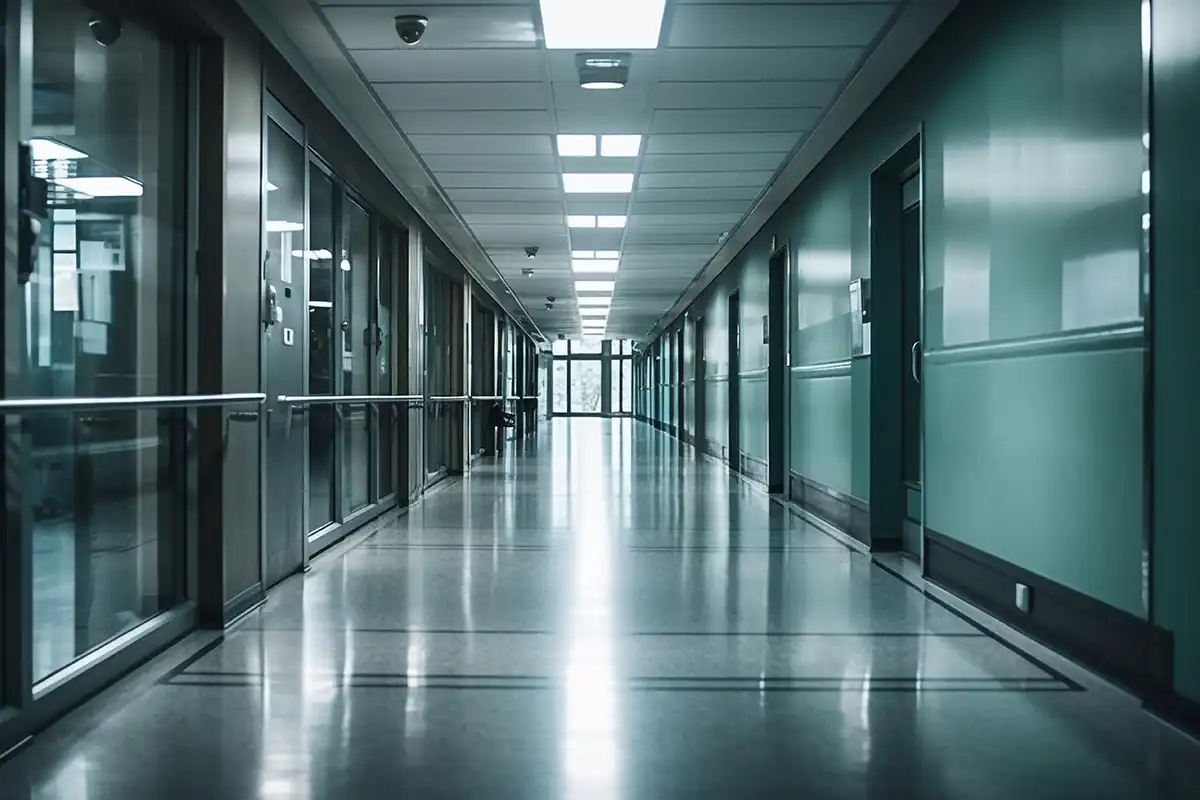
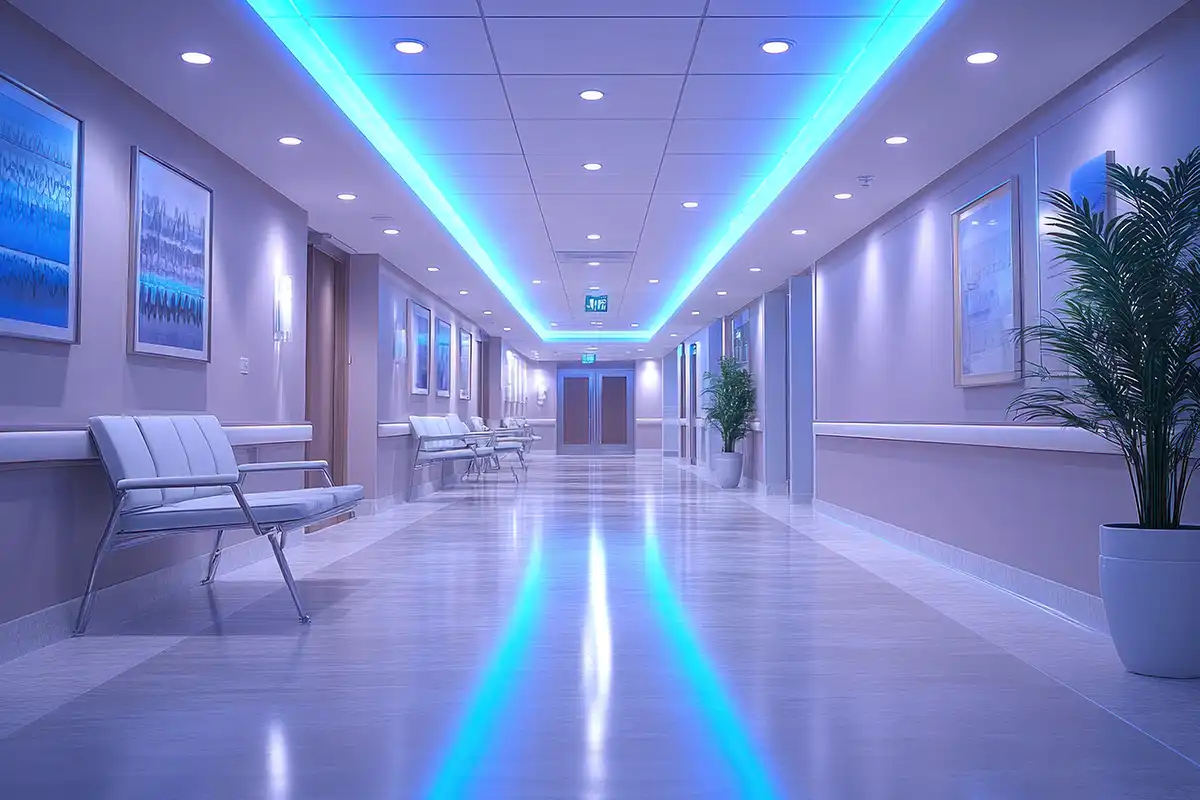
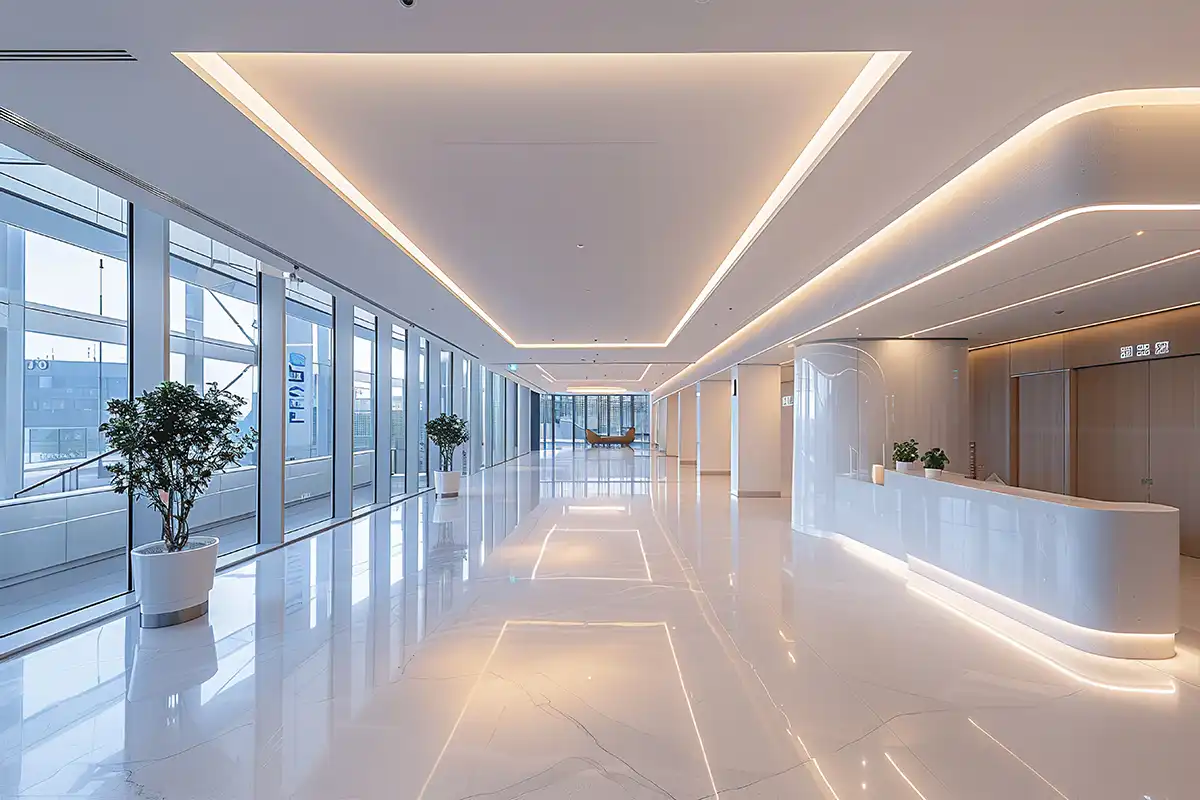
Hospital Corridor Lighting Systems
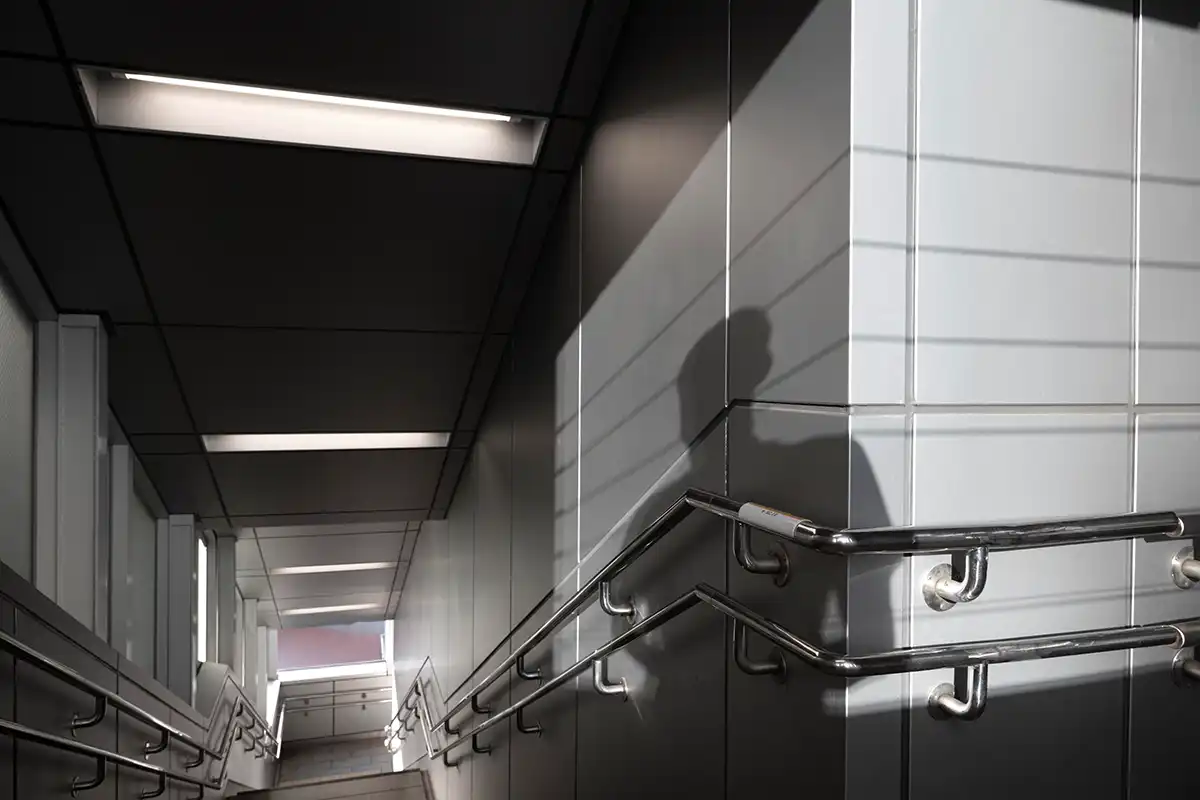
Hospital corridor lighting systems reflect a functional variation where lighting supports continuous movement across healthcare facilities. Although the search intent is specific, it falls under the broader Hospital Lighting execution scope.
Corridors operate differently from other areas. They require consistent lighting without creating visual fatigue for staff working long shifts.
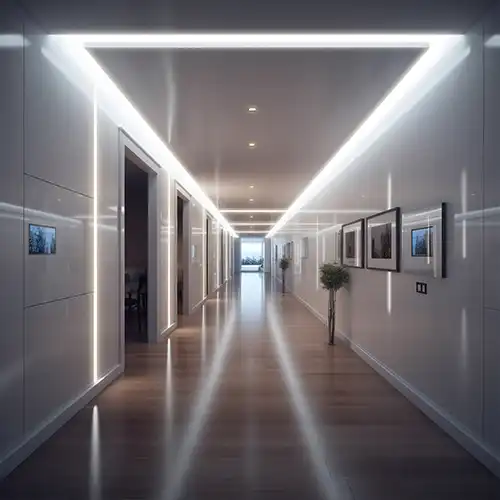
From an execution point of view, spacing and alignment become crucial. Poorly planned lighting creates alternating bright and dark patches, affecting navigation and perception of safety. Proper installation ensures uniform light distribution across long passageways.
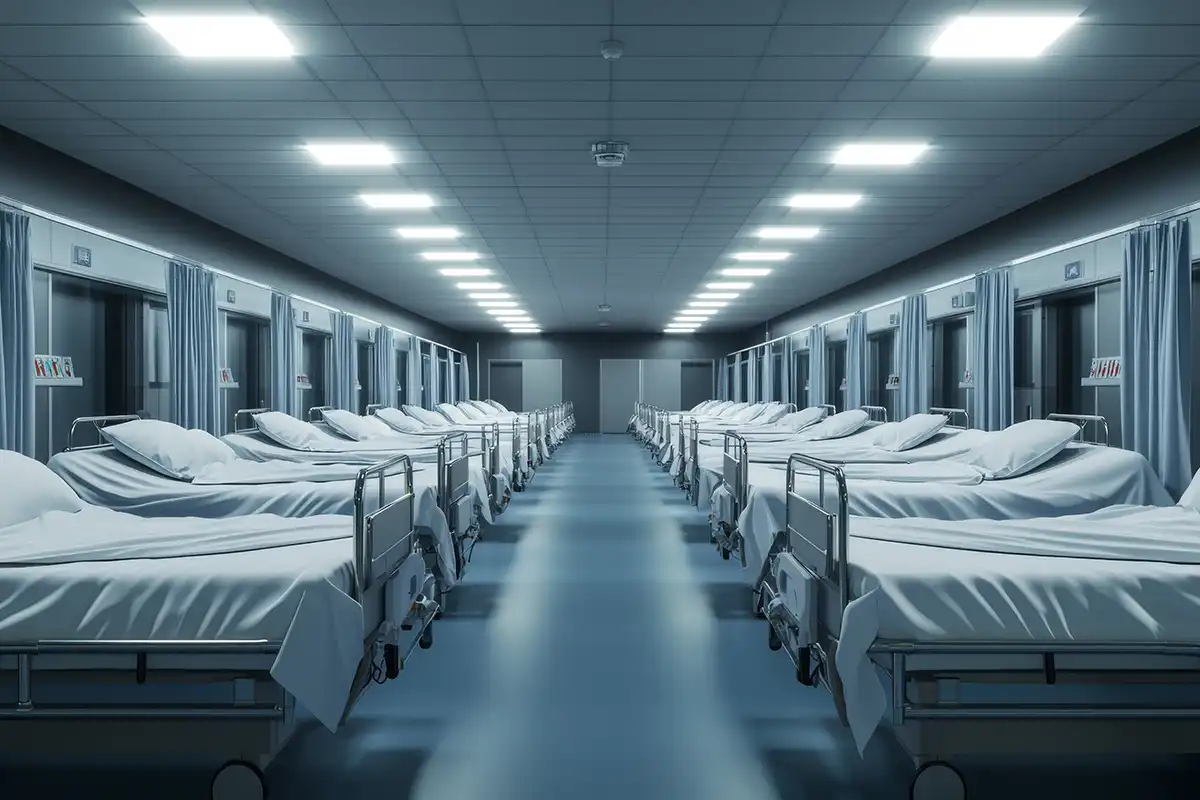
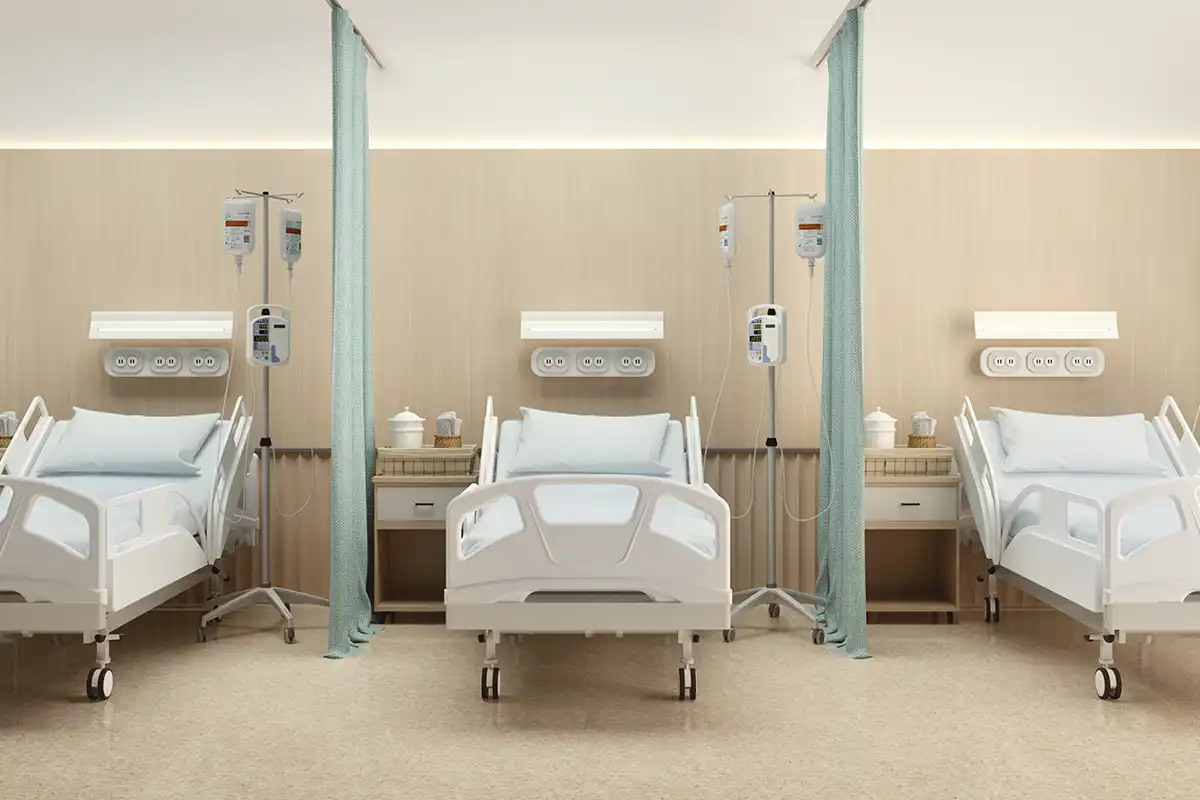
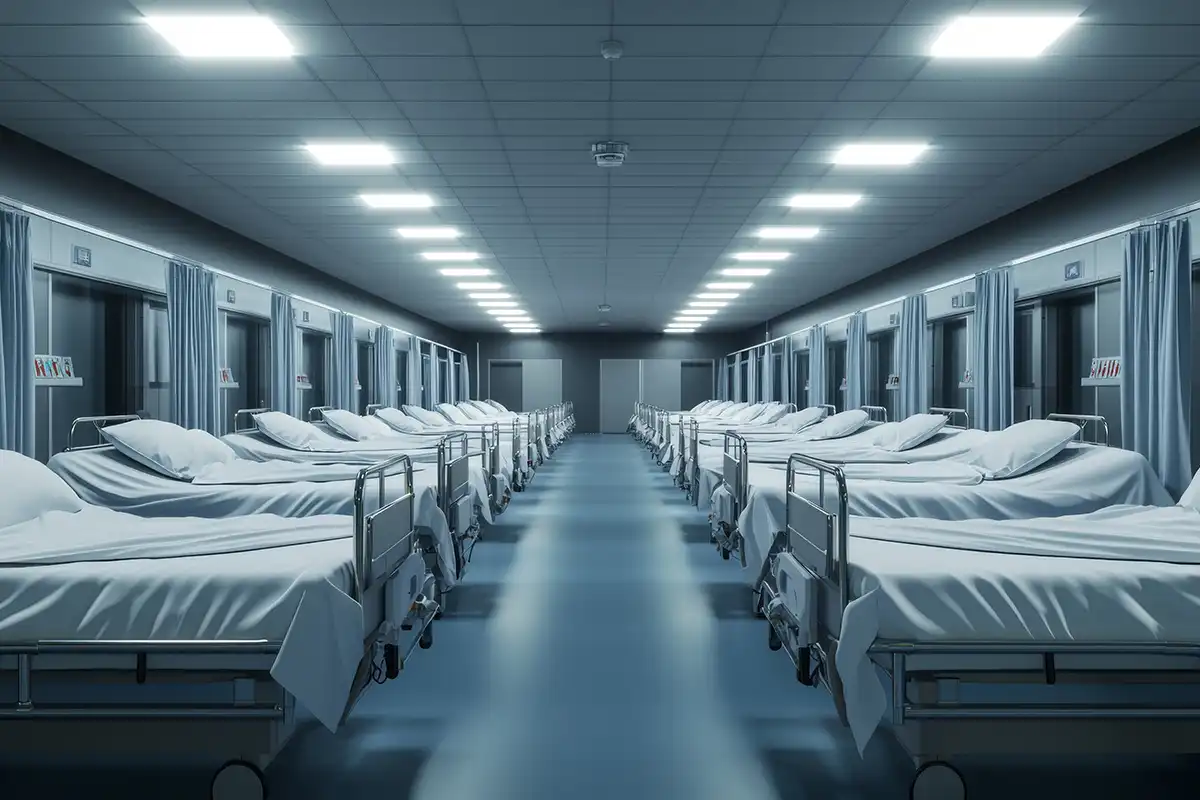
Hospital Ward Lighting Systems
Hospital ward lighting systems focus on patient recovery areas where lighting must balance visibility and comfort. This is a variation within Hospital Lighting driven by user search behavior around patient-centric environments.
In real ward setups, lighting operates for extended hours. Harsh lighting leads to discomfort, while insufficient lighting affects caregiving.
Execution requires layered lighting—general illumination combined with localized control near beds. It also involves integrating controls that allow flexibility without disrupting overall lighting balance.
OPD Examination Lights for Clinics & Hospitals
This keyword represents clinical examination zones where accurate lighting is required for diagnosis and inspection. It remains part of Hospital Lighting but focuses on outpatient and consultation areas.
OPD examination lights for clinics & hospitals must provide clear, shadow-free visibility without causing discomfort to patients.
In practice, placement and intensity control are critical. Lighting must adapt to different examination scenarios. Execution involves selecting fixtures that allow directional control and installing them in positions that support medical workflows.
Real-World Applications & Use Cases
Hospital lighting is applied across multi-specialty hospitals, clinics, diagnostic centers, and healthcare institutions.
In many facilities, lighting problems are not immediately visible during installation. Issues appear later—uneven illumination in corridors, glare during procedures, or discomfort in patient wards.
Another common situation is mismatch between lighting and medical equipment. This happens when lighting is planned independently without considering operational layouts.
Lighting also affects staff performance. Poor lighting conditions lead to fatigue, especially in high-intensity environments like emergency or surgical areas.
When This Service Becomes Necessary
Hospital lighting becomes necessary when existing systems fail to support clinical requirements or create operational inefficiencies.
This often happens during hospital expansion or renovation. New departments require different lighting setups that existing systems cannot support.
It is also required when facilities upgrade medical equipment. Lighting must adapt to new configurations to maintain visibility and functionality.
In many cases, initial installations are done without execution-level planning. This leads to long-term issues that require structured redesign and reinstallation.
Project Execution Process
Hospital lighting is executed through a coordinated lifecycle that integrates planning, procurement, installation, and final system validation.
The process begins with zone-wise analysis where each hospital area is evaluated based on function. Lighting layouts are then designed to match clinical requirements and operational flow.
Procurement ensures that selected fixtures meet both technical and environmental requirements. During installation, coordination with medical systems and electrical infrastructure is critical.
The final stage involves on-site testing. Lighting is calibrated based on real usage scenarios—surgical procedures, patient care, and movement patterns. Without this stage, even well-designed systems fail to perform correctly.
Technical & Safety Considerations
Hospital lighting must comply with strict safety and operational standards.
One key factor is backup integration. Lighting systems must function during power interruptions through emergency systems.
Heat management is also critical. Fixtures used in medical environments must not contribute to temperature buildup.
Another aspect is hygiene. Fixtures must allow easy cleaning without affecting performance.
Common Problems & Risks in Lighting Installation
A common issue is misalignment between lighting and medical equipment. This creates shadows or glare during procedures.
Another risk is inconsistent lighting across zones. This happens when systems are installed without considering functional differences between areas.
In many projects, lack of on-site calibration leads to poor performance. Adjustments made after project completion become costly and disruptive.
How to Choose the Right Lighting Setup
Choosing the right Hospital Lighting setup requires evaluating clinical requirements, equipment layout, and operational workflow before selecting fixtures.
Start by identifying zone-specific needs. Surgical areas, wards, and corridors require completely different lighting approaches.
Execution capability is critical. A design-only approach often fails because real conditions differ from drawings.
You can review how execution is handled through our About Us page.
Pricing Factors
Hospital lighting pricing depends on facility size, complexity of medical zones, fixture specifications, and installation conditions.
Specialized areas like operation theatres require advanced systems, increasing cost. Larger facilities require more extensive planning and coordination.
Choosing low-cost solutions often leads to performance issues. Poor lighting affects operations and requires rework, increasing long-term expenses.
Execution complexity also impacts pricing. Coordination with medical systems and sterile environments requires skilled installation, which influences overall cost.
Why Choose This Service
Hospital lighting requires alignment between clinical requirements and execution. Managing both ensures consistency and reliability.
This approach avoids common issues such as glare, uneven lighting, and system failure. It also ensures that lighting supports real medical workflows.
The focus remains on actual usage conditions rather than theoretical planning.
Service Coverage
VS Wilson operates from the UAE and executes Hospital Lighting projects across the Middle East, USA, and Europe.
Projects are carried out through on-site deployment. Teams travel to the project location, complete installation, and perform final calibration.
This ensures consistent execution quality regardless of location.
Common Buyer Concerns Before Hiring
One concern is whether lighting will meet medical standards. This depends on how well execution aligns with clinical requirements.
Another concern is project disruption. Hospitals require careful planning to avoid affecting operations during installation.
Cost variation is also a concern. Differences usually reflect system complexity and execution capability rather than arbitrary pricing.
FAQs
1. What does Hospital Lighting include?
It includes lighting design planning, fixture selection, electrical integration, installation, and final calibration. The goal is to support clinical operations and patient care through a fully functional lighting system.
2. Do you handle operation theatre lighting as part of the project?
Yes, operation theatre lighting systems are included within the overall Hospital Lighting scope and are executed with precise positioning and calibration.
3. Can lighting be upgraded in an operational hospital?
Yes, but it requires phased execution planning to avoid disruption. Work is scheduled based on hospital operations.
4. How do you ensure lighting works with medical equipment?
Lighting layouts are planned in coordination with equipment positioning to avoid shadows and glare during use.
5. Do you execute projects outside the UAE?
Yes, projects across the Middle East, USA, and Europe are executed through on-site deployment.
6. Why is on-site calibration important in hospital lighting?
Lighting behaves differently in real environments. Calibration ensures that light levels, angles, and distribution match actual usage conditions.
Discuss Your Project
Hospital lighting decisions depend on clinical workflow, equipment layout, and operational conditions. Addressing these factors early prevents performance issues after installation.
You can review your facility requirements and execution planning through our Contact page . Projects across UAE, Middle East, USA, and Europe are handled through on-site deployment with complete lifecycle responsibility.