Under Cabinet Lighting
Under cabinet lighting is a project-based lighting service that involves planning, sourcing, and installing lighting systems beneath cabinets for task visibility and controlled illumination. It includes fixture selection, wiring layout, and on-site execution aligned with the cabinet structure.


What This Service Includes
Under cabinet lighting covers design planning, selection of appropriate fixtures, electrical routing, and final installation beneath cabinets. It also includes integration with switches or automation systems where required. From an execution point of view, the focus remains on achieving usable light exactly where tasks happen, not just adding decorative strips.
At VS Wilson, this service is delivered as a full EPC solution. That means design planning, material procurement, installation, and final execution are handled as one continuous workflow. Based in UAE, the team executes projects across the Middle East, USA, and Europe through on-site deployment, ensuring that lighting integrates correctly with real cabinetry, not just drawings.


What This Service Includes
Cabinet-integrated lighting layout planning
Each layout is designed around actual cabinet dimensions, avoiding misalignment during installation.
Driver placement and wiring coordination
Power units are positioned considering heat, accessibility, and concealed routing.
Fixture selection based on usage zones
Different areas like prep counters or wardrobes require different light intensity and spread.
On-site installation with alignment checks
Fixtures are installed with real-time adjustments to avoid shadow zones and glare issues.
Under cabinet lighting covers design planning, selection of appropriate fixtures, electrical routing, and final installation beneath cabinets. It also includes integration with switches or automation systems where required. From an execution point of view, the focus remains on achieving usable light exactly where tasks happen, not just adding decorative strips.
Project Execution Process for Under Cabinet Lighting
Under cabinet lighting projects follow a structured execution path where cabinet dimensions, electrical points, and usage patterns are aligned before installation begins. This avoids rework and ensures lighting performs correctly once cabinetry is finalized.
The process starts with site evaluation, where cabinet depth, material, and mounting constraints are assessed. Then, lighting layout is planned with exact fixture positioning. Procurement follows, ensuring compatibility between drivers, strips, and control systems. During installation, wiring is concealed within cabinet structures, and fixtures are aligned to eliminate uneven light distribution. Final testing includes brightness calibration and control verification.
In actual projects, coordination with carpentry teams is critical. If this step is ignored, lighting often ends up misaligned or partially blocked by cabinet elements.
LED Under Cabinet Lighting
LED Under Cabinet Lighting is a commonly searched variation where users focus on energy-efficient and low-heat lighting solutions within the same under cabinet lighting service. It reflects preference for longer lifespan and stable illumination, not a different service.
In execution, LED systems are selected based on lumen output, strip quality, and driver compatibility. Poor-quality LEDs often result in uneven brightness or early failure. From a project standpoint, heat dissipation and voltage drop across longer runs are carefully managed. This is why professional execution matters—simply installing LED strips without system planning often leads to flickering or dim zones over time.
Cabinet Lighting Systems
Cabinet Lighting Systems represent a broader search where users look for structured lighting setups rather than individual fixtures. It still falls under under cabinet lighting but emphasizes system-level integration.
These systems include fixtures, drivers, connectors, and control mechanisms working together. In real installations, the challenge is not placing lights but ensuring the entire system functions reliably. Load balancing, wiring paths, and maintenance access are considered during planning. Without this system-level approach, even good fixtures fail due to poor electrical coordination.
Integrated Cabinet Lighting Solutions
Integrated Cabinet Lighting Solutions refer to lighting that becomes part of the cabinet structure rather than an add-on. Users searching this term typically want a seamless finish without visible fixtures.
From an execution perspective, integration requires early coordination with cabinet fabrication. Channels are created inside panels, and fixtures are embedded before final installation. This avoids surface-mounted compromises later. In many projects, delays happen because lighting is considered after cabinetry is installed, limiting integration options.
Concealed Cabinet Lighting Installation
Concealed Cabinet Lighting Installation focuses on hiding both fixtures and wiring while maintaining effective illumination. It is still part of under cabinet lighting but emphasizes visual cleanliness.
This approach requires precise positioning of light sources so that illumination spreads evenly without exposing the fixture. In practice, even a small misalignment can create visible hotspots or shadows. Installers often adjust angles and spacing on-site to achieve the desired effect. This level of detail is rarely covered in generic guides but becomes critical in real installations.
Types of Lighting Solutions Offered
LED Strip Under Cabinet Lighting
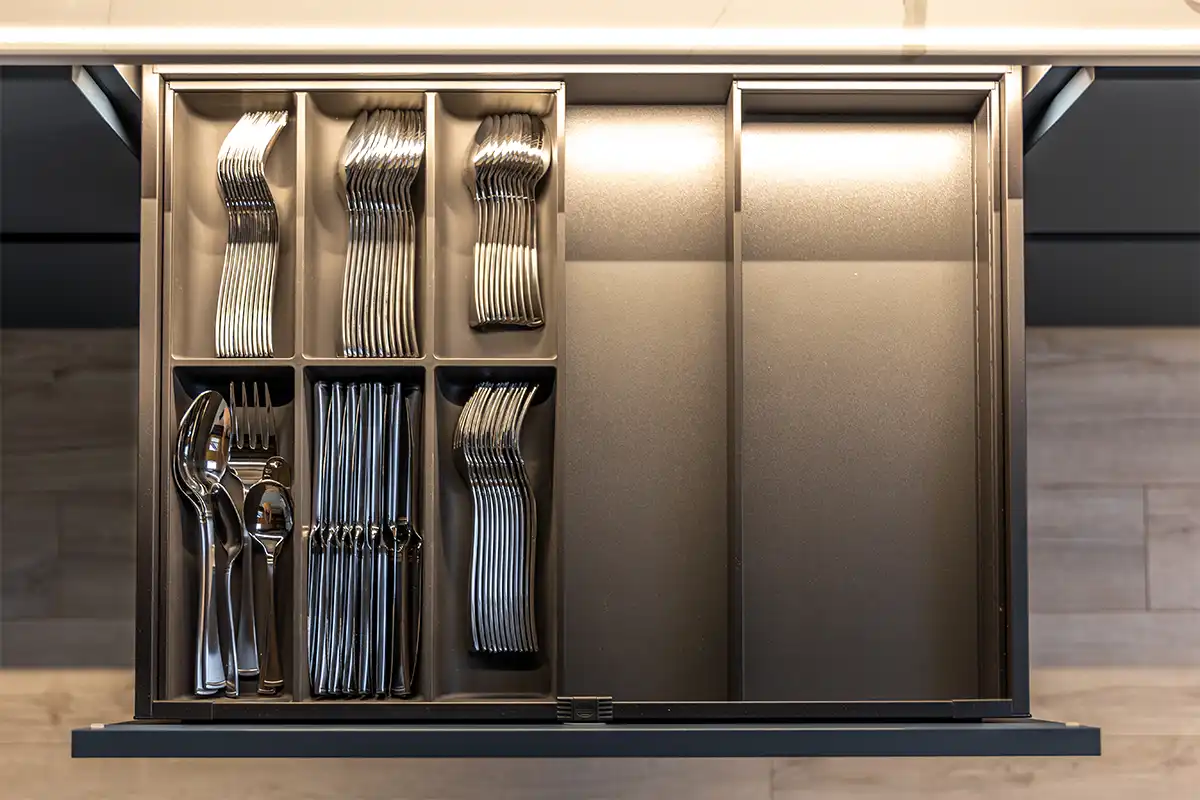
Used for continuous light lines under kitchen cabinets or wardrobes.
Linear Profile Cabinet Lighting
Aluminium profiles used for heat control and structured light output.
Spot-Based Cabinet Lighting
Focused lighting used in specific zones like display shelves.
Sensor-Based Cabinet Lighting
Automatically activates when cabinets are opened or approached.
Real-World Applications & Use Cases
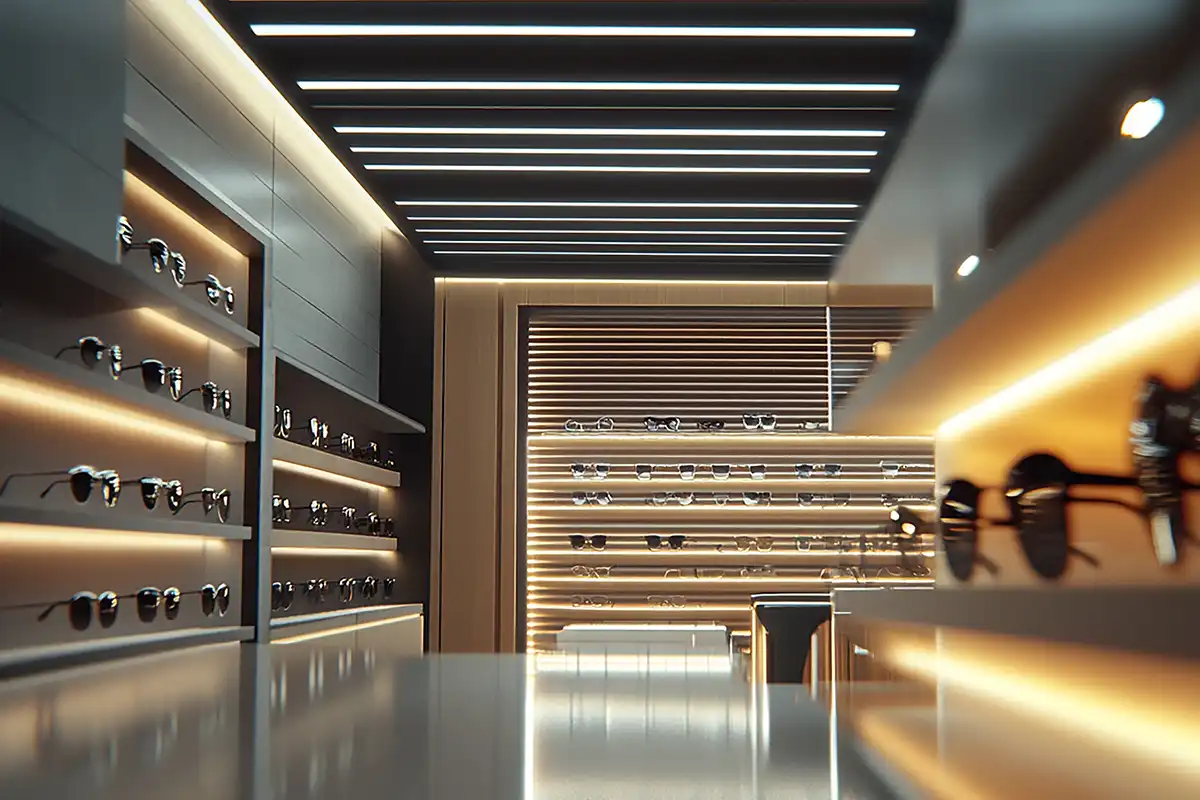
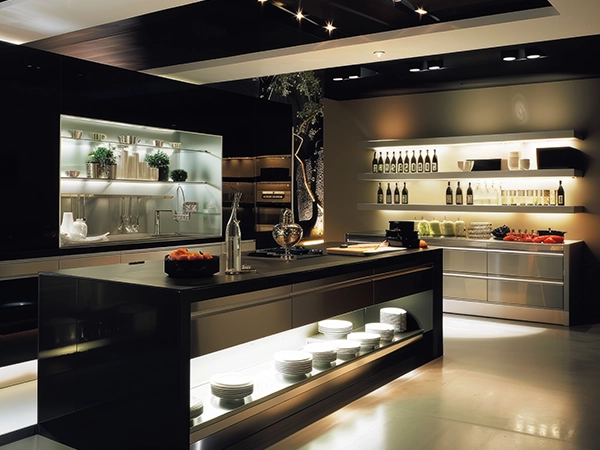
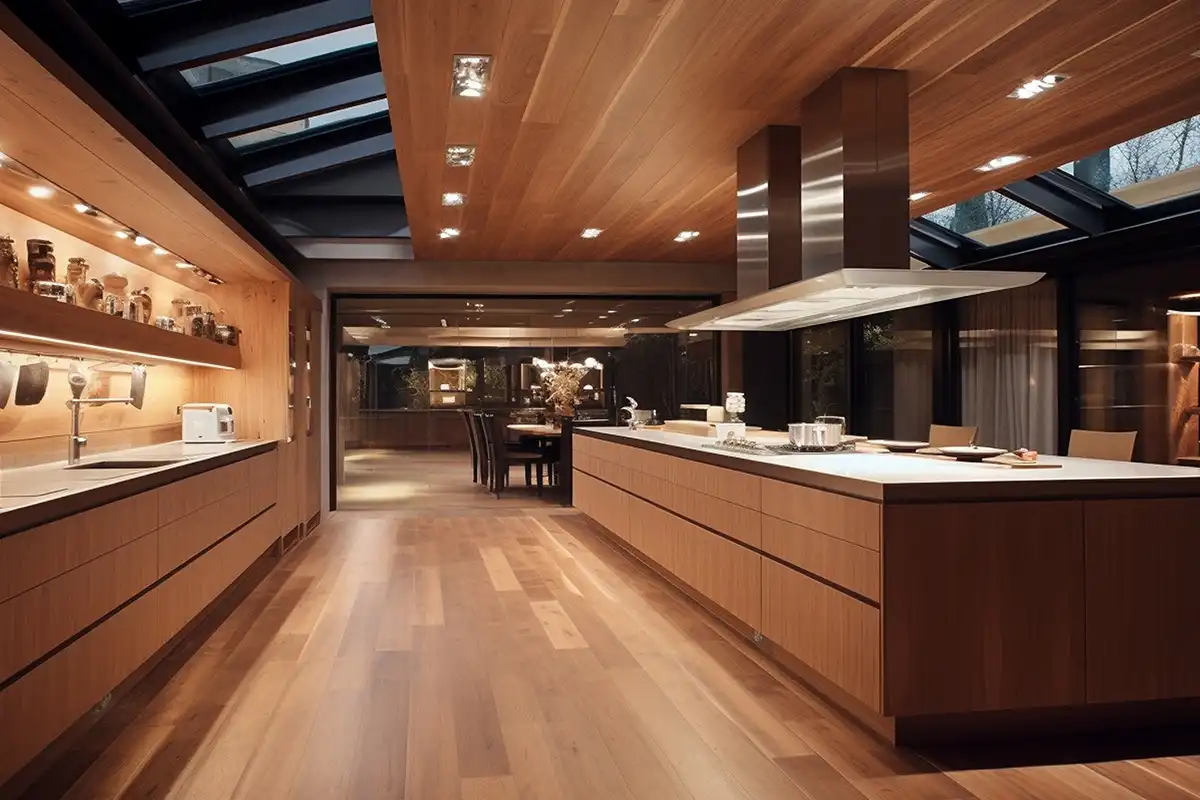
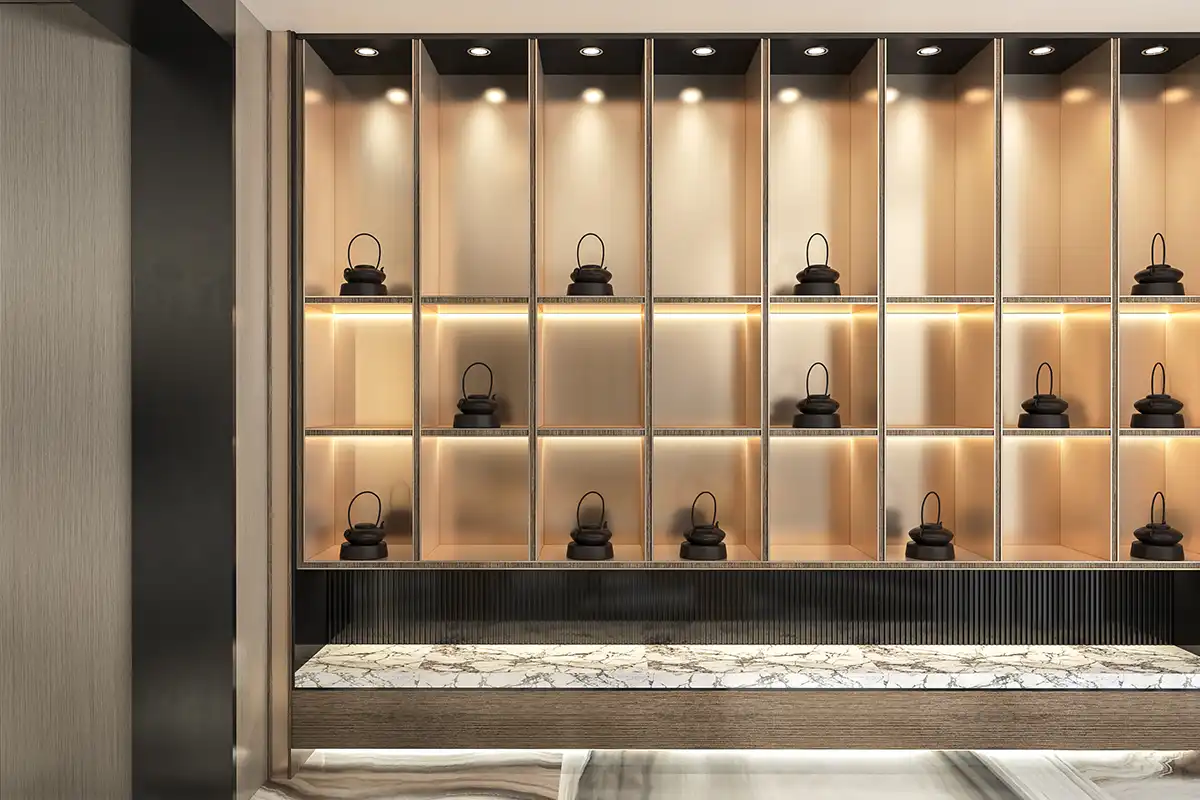
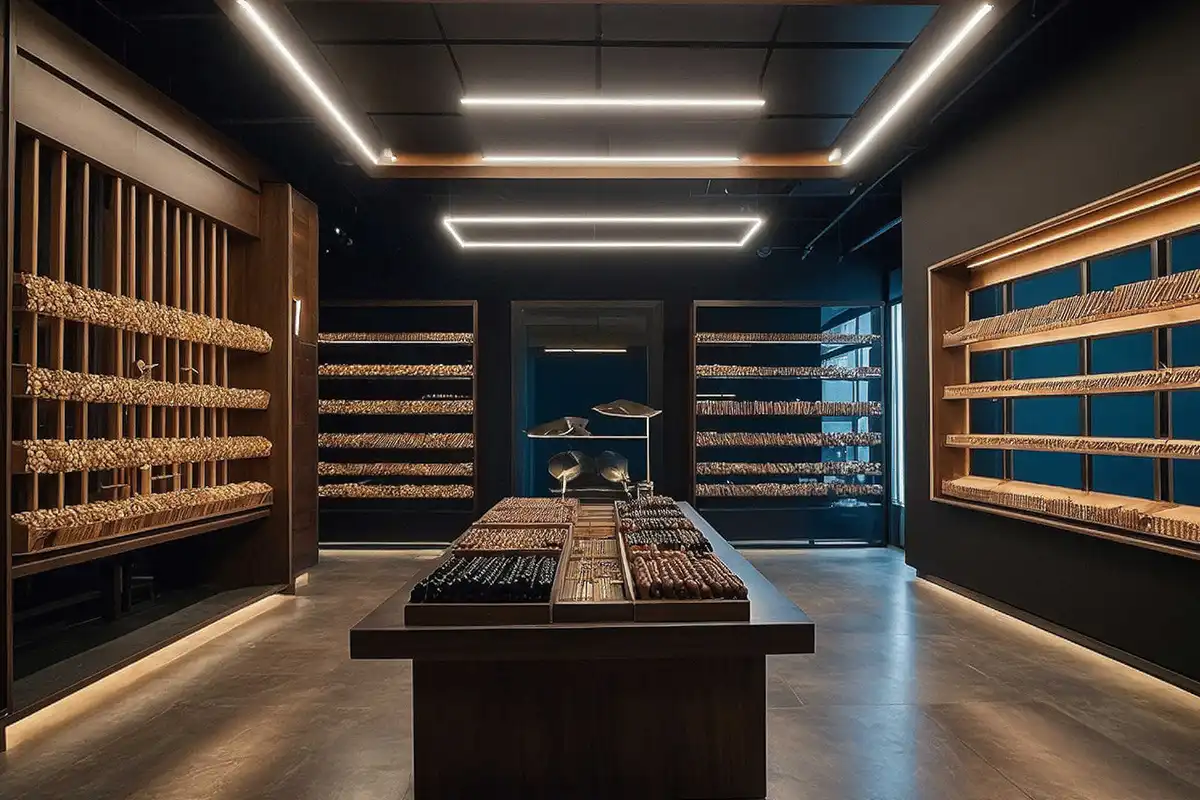
Under cabinet lighting is widely used in kitchens where shadow-free working surfaces are required. It is also applied in wardrobes to improve visibility inside storage spaces. In retail environments, it helps highlight displayed items inside cabinets.
In actual projects, one common issue is insufficient lighting near wall edges due to overhead fixtures. Under cabinet lighting solves this by bringing light closer to the working plane. Another use case appears in luxury wardrobes where lighting is used not just for visibility but for controlled presentation of stored items.
When This Service Becomes Necessary
This service becomes necessary when overhead lighting fails to provide sufficient task visibility. It is also required when cabinets create shadow zones over work surfaces.
In many cases, clients realize the need after installation is complete, which leads to rework. Planning it early allows proper wiring and integration. Retrofitting is possible but often involves additional cost and visible compromises.
Technical & Safety Considerations
Proper voltage selection and load calculation are essential to avoid overheating. Driver placement must allow ventilation, especially in enclosed cabinet spaces.
Moisture resistance becomes critical in kitchen areas. Fixtures must be selected based on environmental exposure. Wiring insulation and connection quality directly impact long-term reliability. In poorly executed setups, failures usually occur at connection points rather than fixtures.
Common Problems & Risks in Lighting Installation
One frequent issue is uneven lighting caused by incorrect spacing or low-quality strips. Another is visible wiring due to poor planning.
In real installations, coordination gaps between carpenters and electricians often create delays. If cabinet dimensions change after lighting layout is finalized, rework becomes unavoidable. These risks are minimized when the service is handled as a single execution package rather than separate tasks.
How to Choose the Right Lighting Setup
Choosing the right under cabinet lighting setup depends on usage, cabinet design, and control preference. The goal is to match light intensity, placement, and system reliability with actual use conditions.
For kitchens, uniform brightness across the countertop is critical. For wardrobes, softer and directional lighting works better. Another decision factor is control—manual switches, sensors, or automation systems. From a decision standpoint, selecting fixtures without considering wiring and driver placement often leads to performance issues later.
Pricing Factors
Pricing depends on cabinet length, type of lighting system, and installation complexity. Integrated systems cost more due to coordination with cabinetry work.
Material quality also affects pricing. Lower-cost strips may reduce upfront cost but increase maintenance issues. Installation complexity increases when retrofitting is required. In many projects, cost variations come from execution challenges rather than fixture pricing alone.
Why Choose This Service
Under cabinet lighting requires coordination between design, electrical planning, and on-site execution. Handling these separately often results in mismatched outcomes.
At VS Wilson, projects are executed as a complete system. You can review execution approach and project capability on the About Us page. This integrated approach ensures that lighting aligns with real cabinet conditions rather than theoretical layouts.
Service Coverage
The service is executed from UAE across Dubai and Abu Dhabi, with project deployment across the Middle East, USA, and Europe.
Teams travel to project sites and handle installation on location. This ensures that lighting is implemented according to actual site conditions rather than remote assumptions.
Common Buyer Concerns Before Hiring
Clients often worry about visible wiring or uneven lighting. These concerns usually arise from poorly executed installations.
Another concern is maintenance. If drivers are inaccessible, repairs become difficult. Execution planning addresses this by placing components where they remain accessible without affecting design. Vendor selection should focus on execution capability, not just fixture supply.
FAQs
1. What is under cabinet lighting?
Under cabinet lighting is a lighting system installed beneath cabinets to illuminate work surfaces or storage areas. It involves fixture placement, wiring, and integration with control systems as part of a complete installation process.
2. Can under cabinet lighting be installed in existing cabinets?
Yes, but retrofitting requires adjustments in wiring and fixture placement. In many cases, minor modifications to cabinets are needed to achieve proper alignment and conceal wiring.
3. Which lighting type is best for under cabinets?
LED-based systems are preferred due to low heat and stable output. However, the correct choice depends on cabinet depth, usage, and installation constraints.
4. Do you handle international projects?
Yes, projects are executed across the Middle East, USA, and Europe through on-site deployment, ensuring proper installation in real project environments.
5. Is wireless under cabinet lighting reliable?
Wireless and rechargeable systems are suitable for small-scale setups. For long-term and large installations, wired systems offer better reliability and consistency.
6. How long does installation take?
Installation timelines depend on project size and integration level. Simple setups may take a day, while integrated systems aligned with cabinetry may require coordinated scheduling.
Discuss Your Project
Every under cabinet lighting project depends on cabinet structure, usage pattern, and site conditions. Discussing these early helps avoid rework and ensures correct system selection.
If you are planning a project across UAE or require on-site execution in the Middle East, USA, or Europe, you can outline your requirements through the Contact page. This allows alignment on design, execution planning, and installation approach before work begins.
Image Gallery
Related Services