Smart Home Lighting
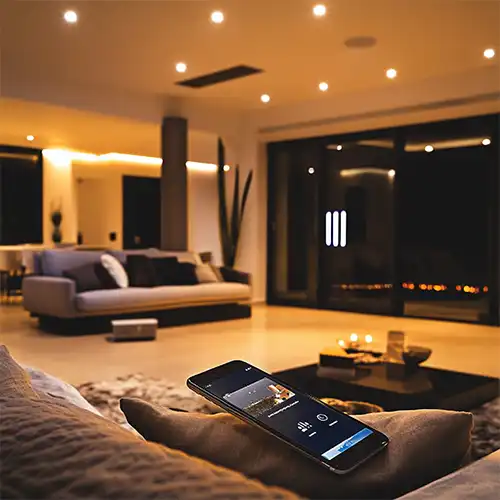
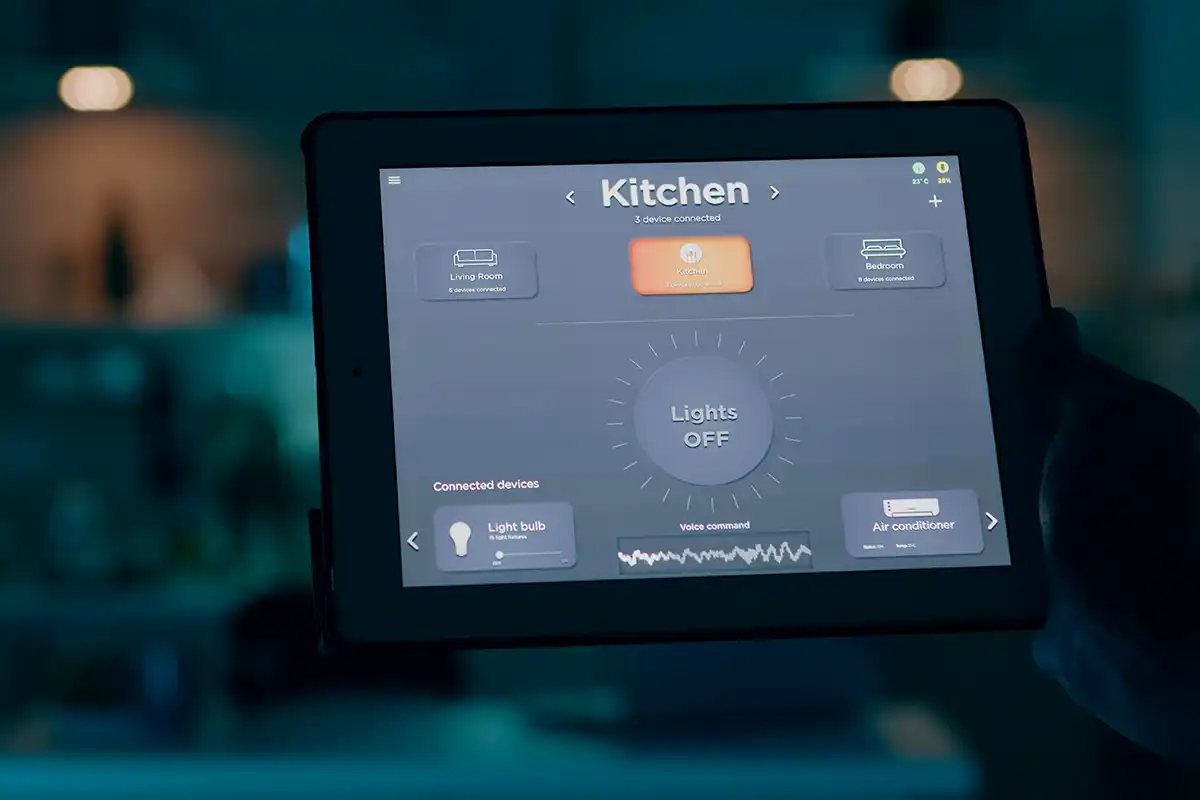
Smart home lighting refers to the design and installation of lighting systems that operate through automation, control panels, and programmed settings. It includes system planning, wiring configuration, device integration, and on-site execution. VS Wilson delivers this as an EPC model, covering design, procurement, installation, and final system commissioning.
Based in the UAE, VS Wilson executes smart home lighting projects across the Middle East, USA, and Europe through on-site deployment. The company functions as a complete execution partner, handling everything from automation planning and control system selection to wiring, installation, and final programming.
- Centralized lighting control across multiple zones and rooms.
- Automation scenes aligned with daily usage patterns.
- Integration with sensors, switches, and mobile control.
- System configured during installation, not post-completion.
What This Smart Home Lighting Service Includes
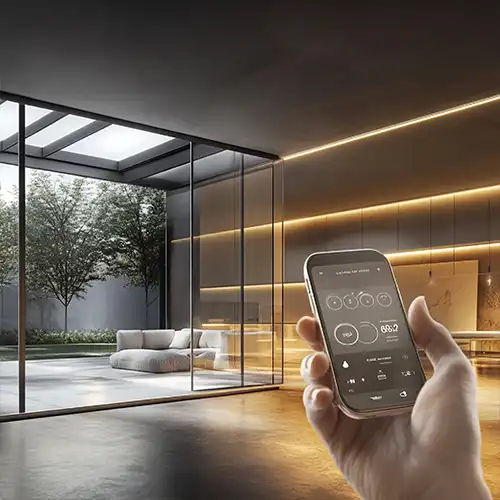
Smart home lighting includes the complete setup of automated lighting systems, where control systems, fixtures, and wiring are integrated into a single functional network. It covers planning, device selection, installation, and system configuration.
In actual projects, automation often fails when added after electrical work is completed. This service avoids that by aligning automation logic with wiring design from the beginning, ensuring that controls function as intended without requiring rework.
Automated Bedroom Lighting Systems within Smart Home Lighting
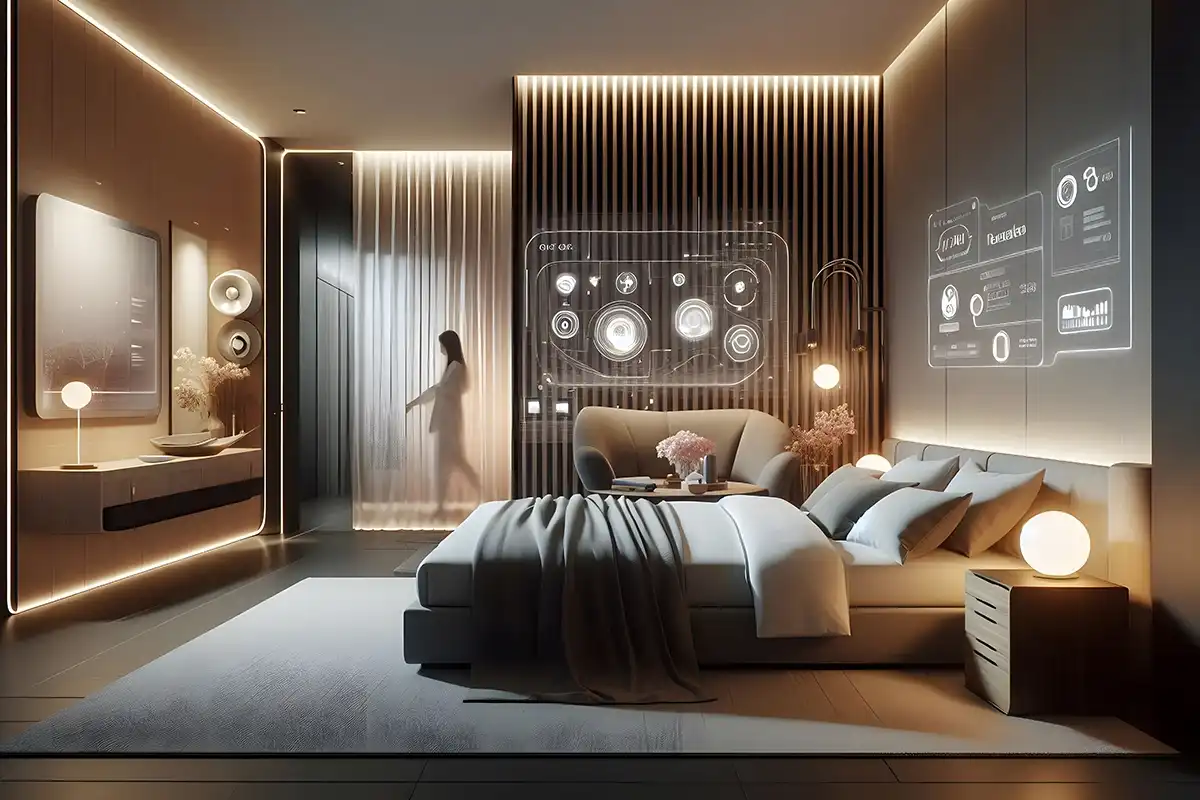
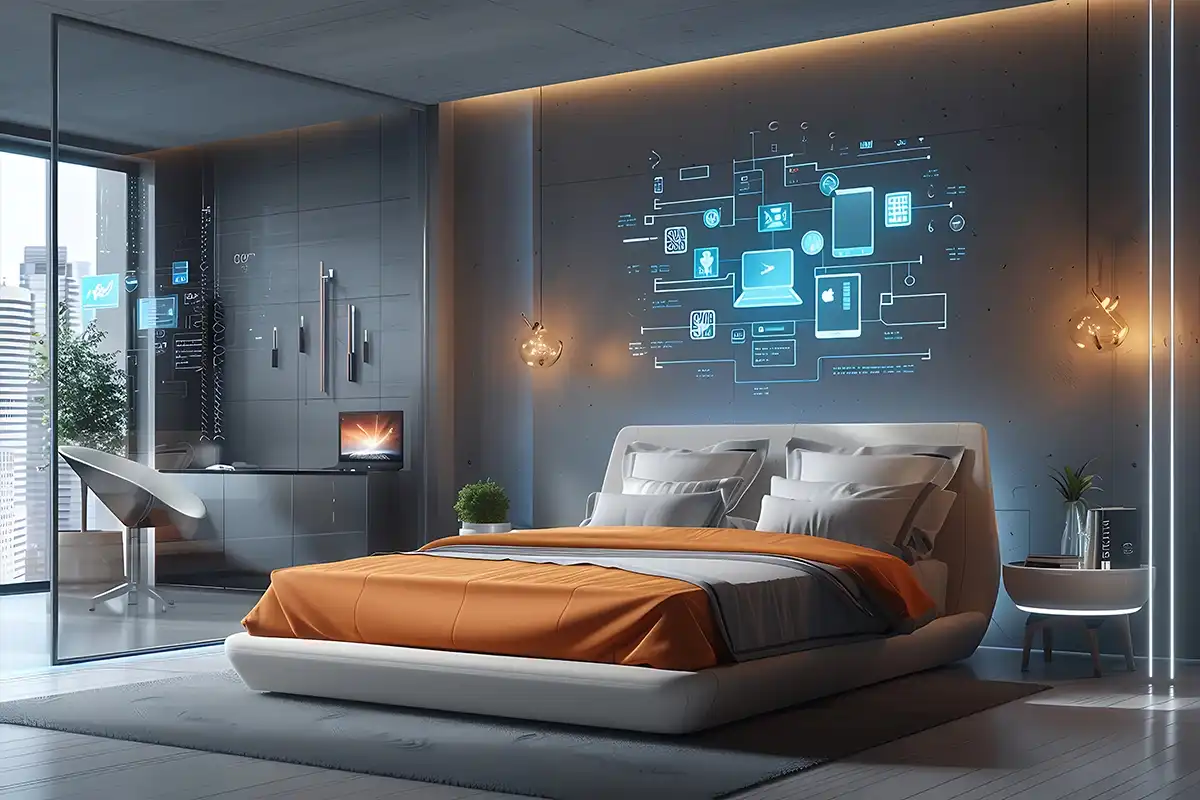
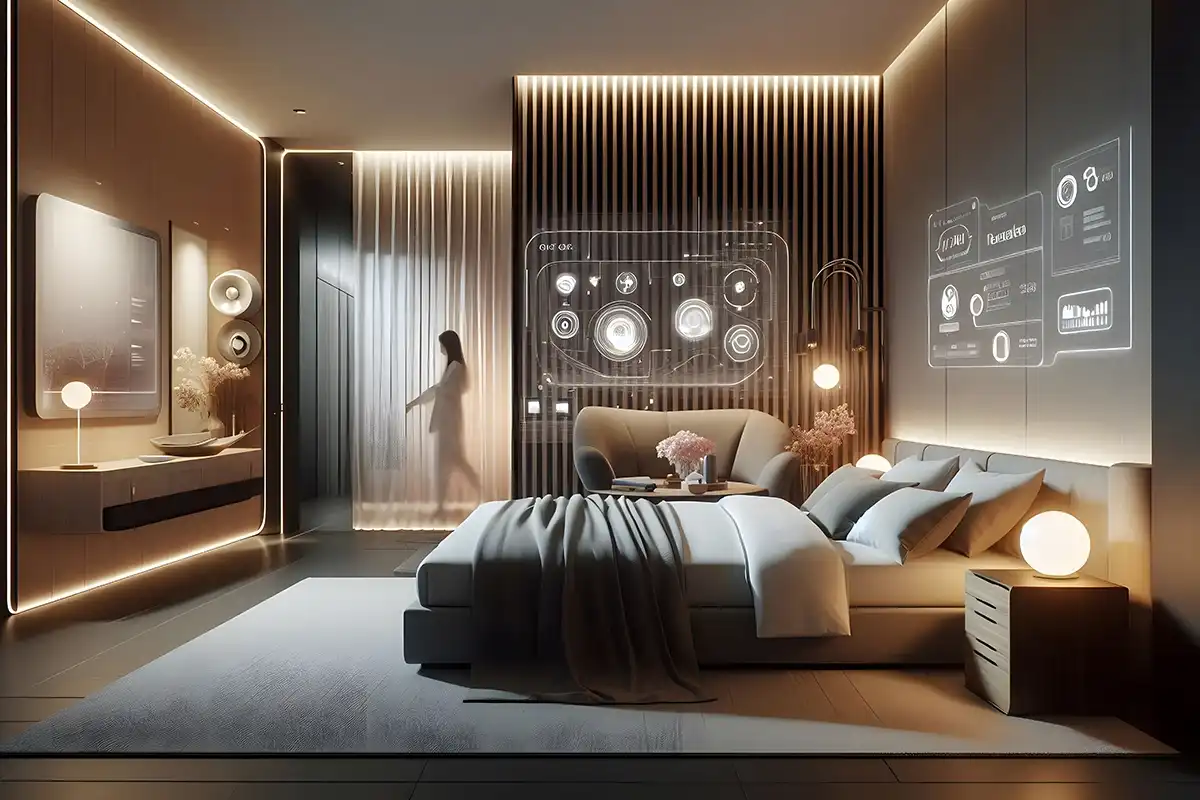
Automated Bedroom Lighting Systems reflect a specific use-case where users want lighting behavior controlled based on routines such as sleep, wake-up, or ambient transitions. This remains part of smart home lighting since it follows the same execution model of planning, wiring, and automation integration.
In real residential setups, bedroom automation often becomes ineffective when only fixture selection is considered. Proper execution involves defining scenarios like gradual dimming, motion-triggered lighting, or time-based activation. These require coordinated programming between control systems and lighting circuits.
Smart Kitchen Lighting Design & Installation as Functional Automation
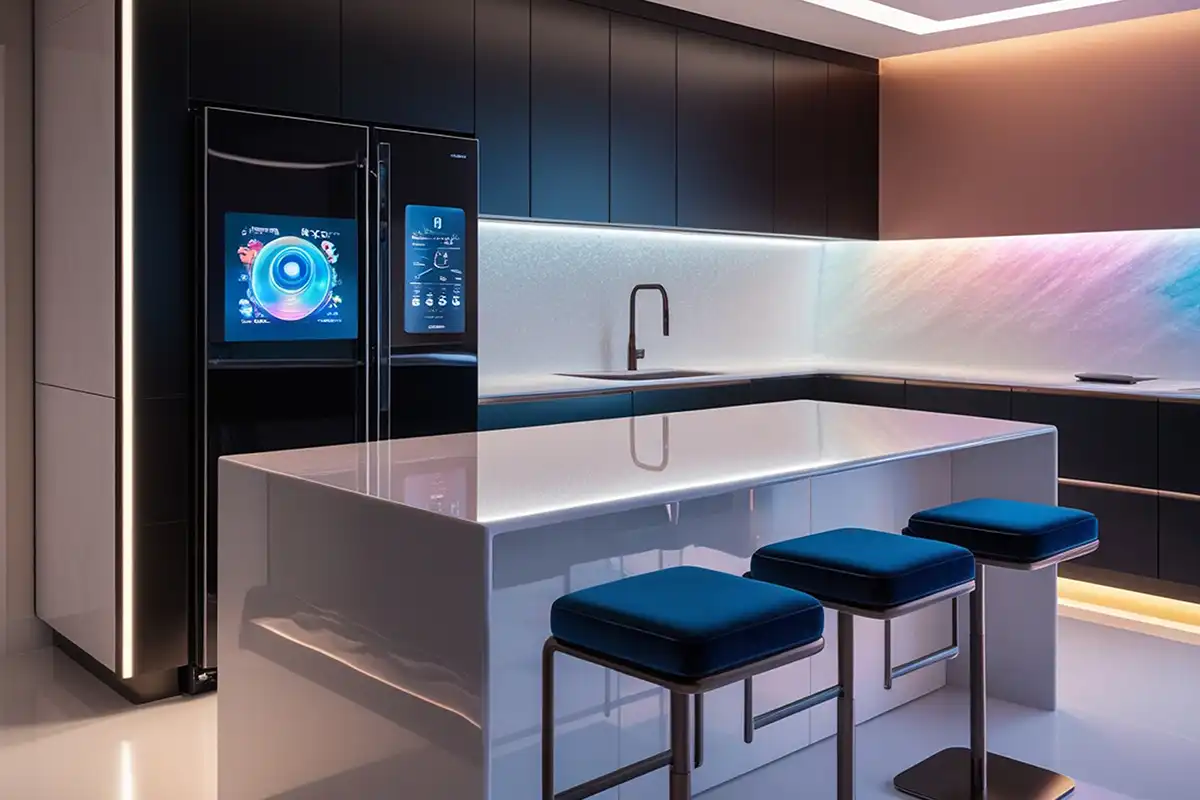
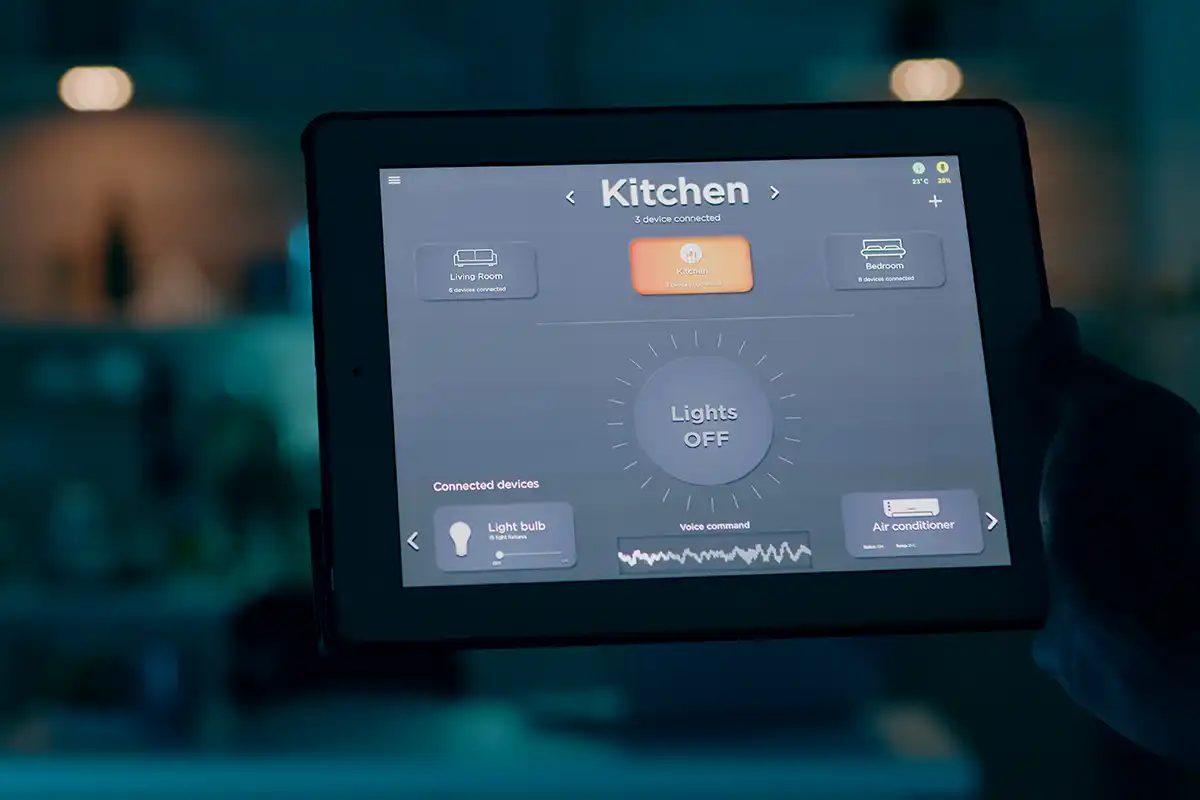
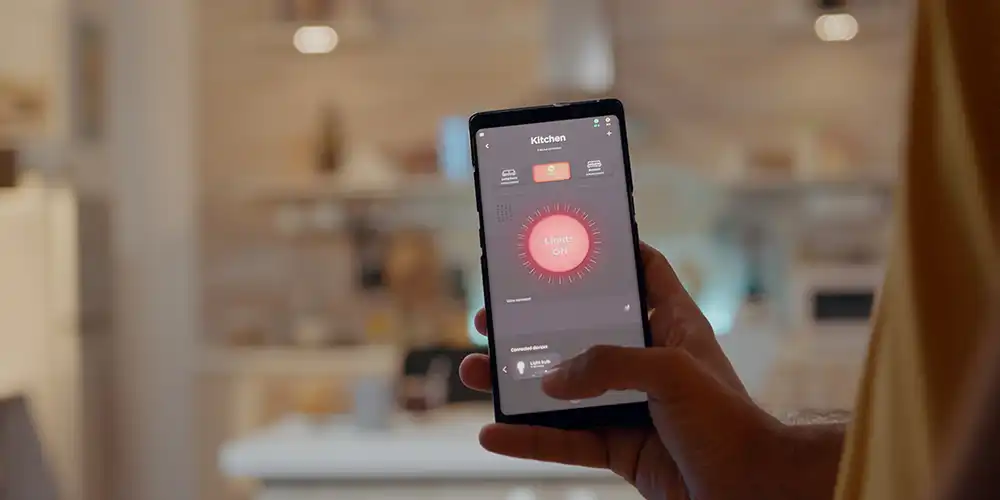
Smart Kitchen Lighting Design & Installation represents a practical variation where lighting must adapt to task-based activities such as cooking, cleaning, and storage access. Despite its functional focus, it remains within smart home lighting execution.
From an execution perspective, kitchens require layered automation where different lighting zones operate independently. For example, counter lighting may activate separately from general lighting. This requires precise wiring segmentation and control configuration, which must be planned before installation begins.
Types of Smart Home Lighting Systems
Scene-Based Smart Lighting Systems
Allows multiple lighting settings to be activated through a single command or switch
Sensor-Driven Lighting Automation
Lights respond automatically to motion, occupancy, or environmental changes
App-Controlled Smart Lighting Systems
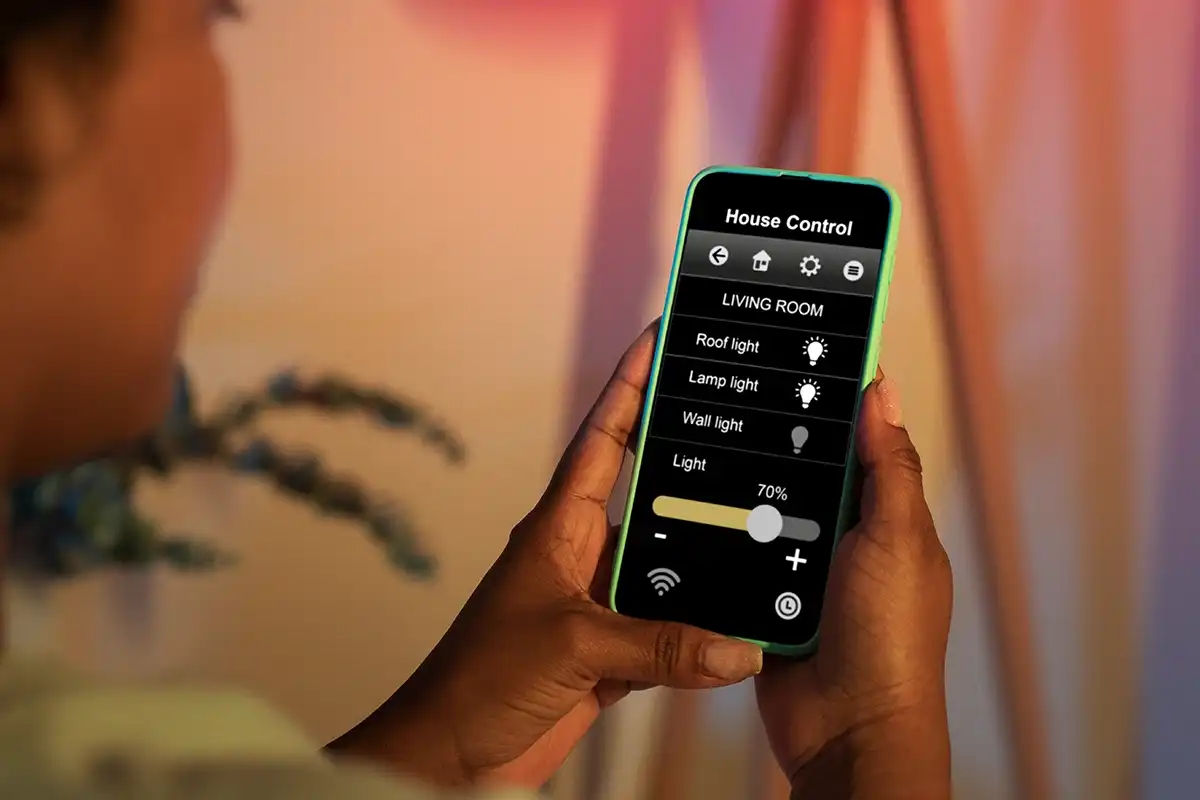
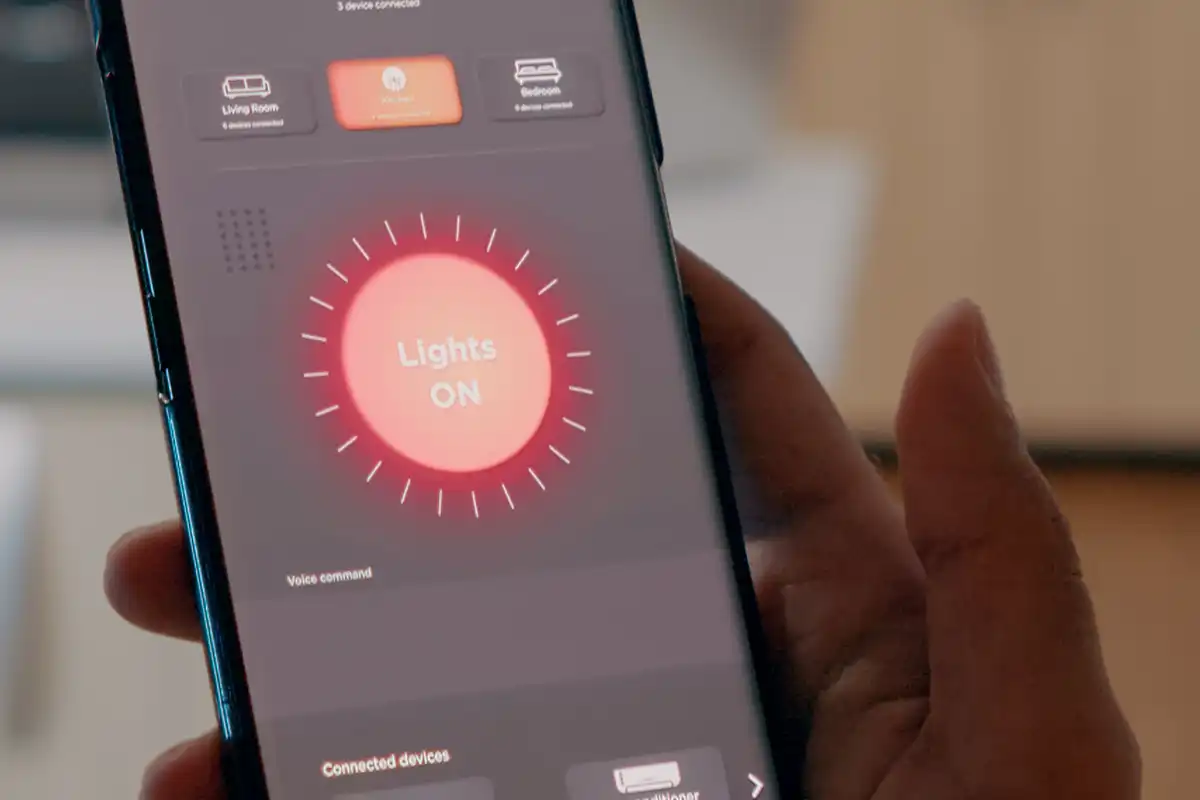
Users control lighting through mobile devices with real-time adjustments
Voice-Control Integrated Lighting Systems
Lighting responds to voice commands through integrated control platforms
Time-Scheduled Lighting Systems
Lighting operates based on predefined schedules aligned with daily routines
Real-World Applications & Use Cases
Smart home lighting is used in residential villas, apartments, hospitality spaces, and premium commercial environments where automation improves usability.
In many projects, lighting is manually controlled despite multiple zones and fixtures. This creates inconvenience and inconsistent usage. Smart home lighting solves this by centralizing control, allowing users to manage lighting behavior without manually operating each switch.
When Smart Home Lighting Becomes Necessary
Smart home lighting becomes necessary when spaces involve multiple lighting zones or when manual control becomes inefficient.
It is also required when users want consistent lighting behavior based on routines, such as automatic activation during entry or controlled dimming during evening hours.
Project Execution Process for Smart Home Lighting
Smart home lighting execution begins with requirement analysis, where usage patterns, control preferences, and space layout are studied. This defines how automation should function.
Design planning includes selecting control systems, defining circuit layouts, and mapping automation logic. Procurement ensures compatibility between devices and systems.
Installation involves structured wiring, device mounting, and system integration. Final commissioning includes programming automation scenarios and testing system behavior.
One aspect often missed by competitors is logic validation during real usage. Without this, automation may work technically but fail in daily usability due to poor configuration.
Environments & Project Conditions This Service Fits
Smart home lighting is suitable for environments where automation adds functional value, such as residential properties, hospitality spaces, and smart commercial setups.
It performs best when integrated during the electrical planning stage rather than added later.
Technical & Safety Considerations
Smart home lighting systems must ensure compatibility between control systems, fixtures, and electrical loads. Improper configuration can lead to system instability.
Safety considerations include proper load distribution, secure wiring, and protection against electrical faults.
Common Problems & Risks in Smart Home Lighting Installation
A common issue is mismatched control systems, where devices fail to communicate effectively. Another issue is poor wiring planning, leading to limited automation flexibility.
These problems usually arise when automation is treated as an add-on instead of being integrated into the core electrical design.
How to Choose the Right Smart Home Lighting Setup
Choosing smart home lighting requires evaluating control requirements, system compatibility, and long-term usability. It is not just about selecting smart devices but ensuring they work together.Another factor is scalability. Systems should allow future expansion without requiring complete replacement.
From a decision standpoint, selecting a provider who handles both design and execution reduces the risk of system mismatch and incomplete functionality.
Pricing Factors
Smart home lighting costs depend on system complexity, number of controlled zones, device types, and installation requirements. Larger projects with multiple automation scenarios require more planning and configuration.
Lower-cost approaches often skip proper system integration, resulting in unreliable automation or limited functionality. This leads to additional costs for reconfiguration or replacement.
Investing in proper execution ensures that the system functions as intended from the beginning.
Why Choose This Smart Home Lighting Service
Smart home lighting requires coordination between electrical design and automation logic. When handled separately, systems often fail to deliver expected results.
VS Wilson operates as a complete execution partner, ensuring alignment between design and installation.
To understand execution capability across projects, visit our About Us page
Service Coverage
VS Wilson operates across UAE including Dubai and Abu Dhabi.
For international projects, teams travel to locations across the Middle East, USA, and Europe to execute smart home lighting systems on-site.
Common Buyer Concerns Before Hiring
Clients often question system reliability and compatibility between devices.
Another concern is whether automation can be added later. In many cases, retrofitting limits system capability.
There is also concern about long-term usability and system maintenance.
FAQs
1. Does smart home lighting include full system setup?
Yes. It includes design, device selection, wiring, installation, and final system configuration.
2. Can smart home lighting be added after construction?
It can be added, but functionality may be limited due to wiring constraints.
3. Do all devices need to be from the same brand?
Not always, but compatibility must be ensured during system planning.
4. Is smart home lighting reliable for daily use?
Yes, when properly configured and installed, it is designed for consistent operation.
5. Do you handle international smart home lighting projects?
Yes. Projects across the Middle East, USA, and Europe are executed through on-site deployment.
6. Can the system be expanded later?
Yes, if planned correctly during initial design, systems can be expanded without major changes.
Discuss Your Project
Smart home lighting requires alignment between automation logic, wiring structure, and device integration. Early planning helps avoid system limitations and rework.
VS Wilson executes projects across UAE, Middle East, USA, and Europe with on-site deployment teams. Share your project requirements, automation goals, or site plans through our Contact page to begin system planning and execution discussion.