Mall Lighting
Mall lighting is a complete lighting design and execution service covering planning, fixture selection, electrical coordination, installation, and final calibration across large retail environments. It ensures consistent illumination across entrances, corridors, retail units, and common areas through a fully installed system.
At VS Wilson, mall lighting is delivered as a full EPC model engineering design, procurement of lighting systems, and on-site execution are handled as one continuous lifecycle. Based in the UAE, projects are executed across the Middle East, USA, and Europe through on-site deployment. The company operates as an end-to-end execution partner, managing everything from concept planning to final commissioning.
- Retail zones illuminated based on shopper movement patterns.
- Lighting systems coordinated with ceiling and structural layouts.
- Fixture placement aligned with brand and display visibility.
- On-site adjustments for glare control and uniform brightness
What This Service Includes
Mall lighting requires coordination across multiple zones. In actual projects, lighting must adapt to varying ceiling heights, tenant layouts, and architectural features.
Another aspect often overlooked is synchronization with tenant lighting. If mall lighting is not planned with retail units in mind, visual inconsistency occurs across the environment.
Types of Lighting Solutions Offered
General Mall Circulation Lighting
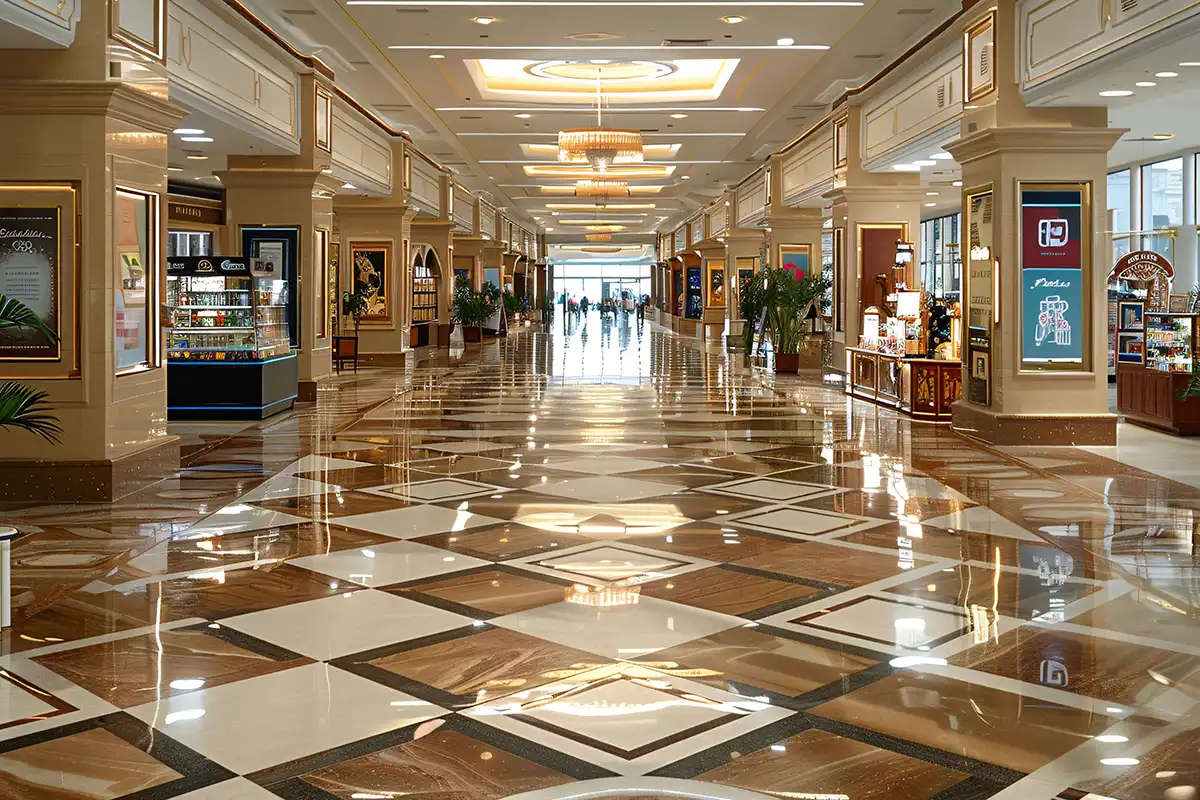
Uniform lighting systems for walkways, corridors, and open movement areas
Retail Display Integration Lighting
Lighting aligned with storefront visibility and product interaction zones
Accent Lighting for Architectural Features
Focused lighting used to highlight structural elements and focal points
Food Court Lighting Systems
Lighting planned to balance visibility and comfort in dining areas
Parking & Basement Lighting
Functional lighting systems designed for vehicle movement and safety
LED Entrance & Exit Lights
This keyword represents a specific search variation where users focus on entry and exit visibility within mall lighting systems. It remains part of the same overall mall lighting execution, addressing access and safety zones.
LED entrance & exit lights are critical for both navigation and safety compliance. In real projects, improper placement creates confusion during high footfall periods.
Execution involves positioning fixtures to ensure visibility from multiple angles while integrating with emergency systems. These lights must function reliably during power interruptions, which requires coordination with backup power systems.
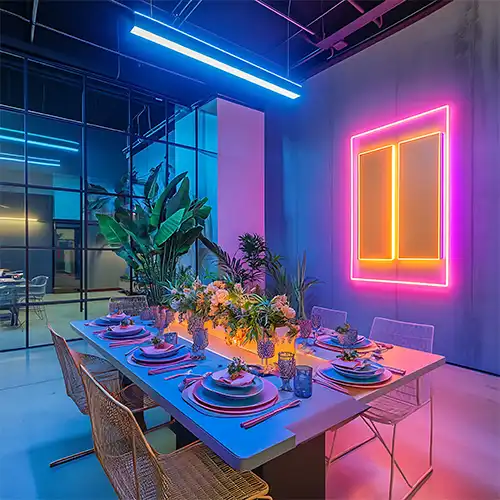
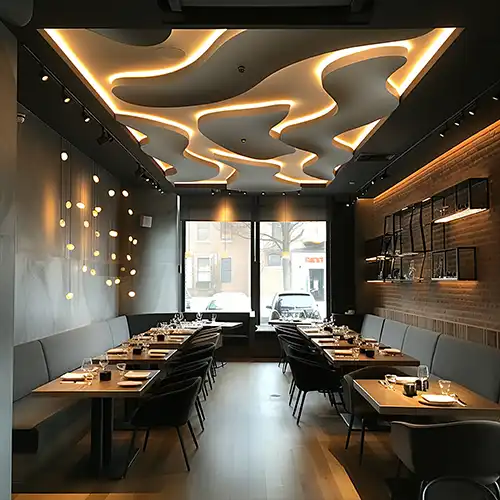
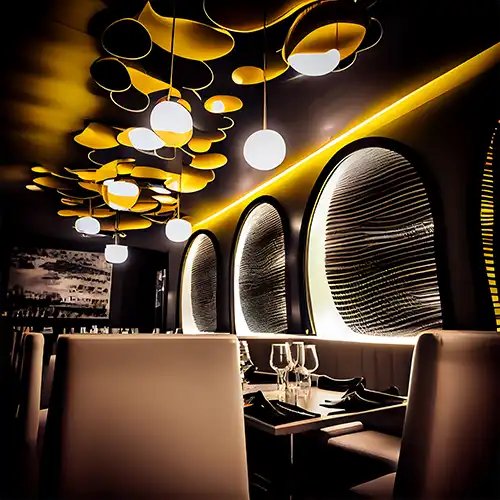
Restaurant Lighting Design Services
This variation reflects lighting requirements within mall dining areas where users search for restaurant-specific setups. Despite the different wording, it is part of mall lighting covering food courts and dining zones.
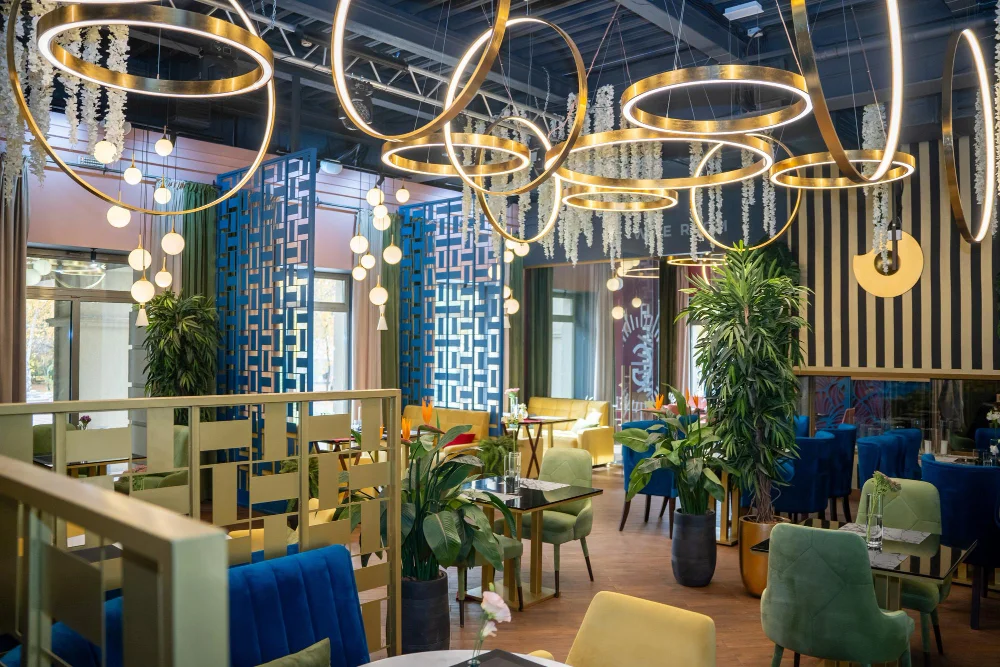
Restaurant lighting design services within malls require balancing ambiance with functionality. In actual setups, overly bright lighting reduces comfort, while dim lighting affects usability.
Execution includes integrating lighting with seating layouts, ceiling features, and food presentation areas. Coordination with tenant requirements is essential to maintain consistency without disrupting overall mall lighting.
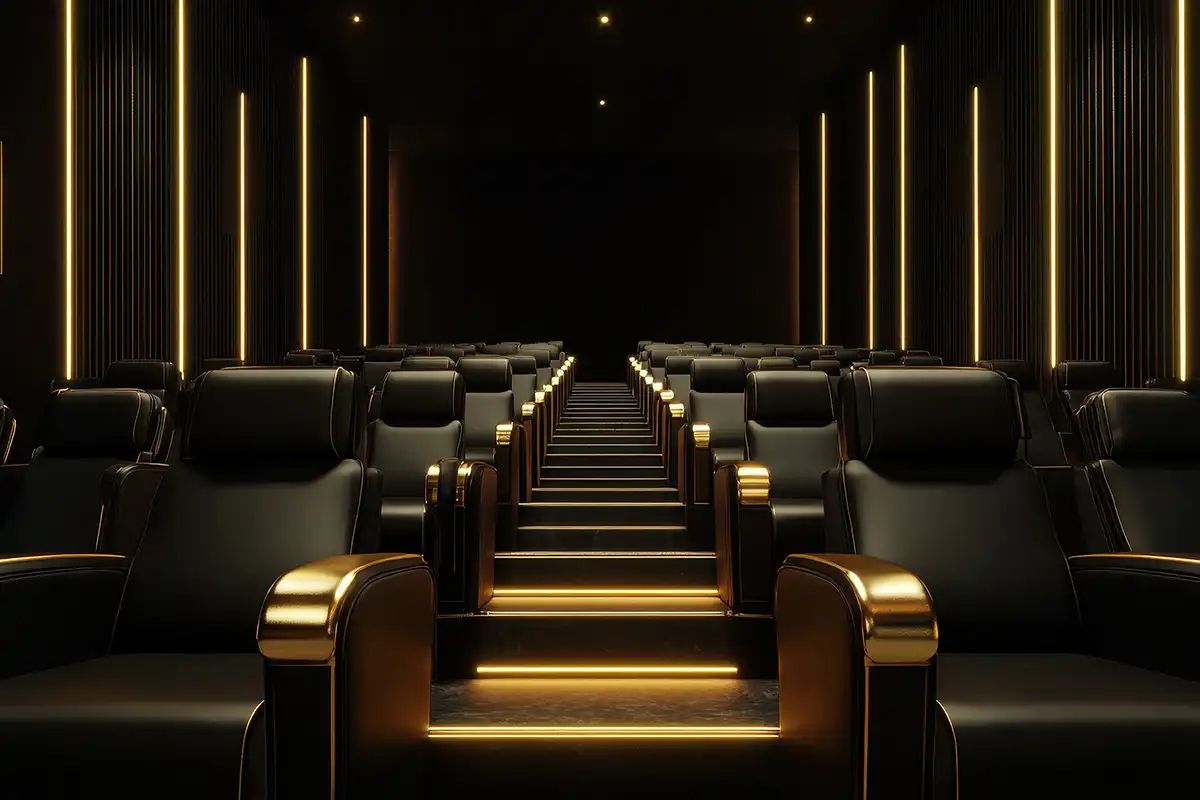
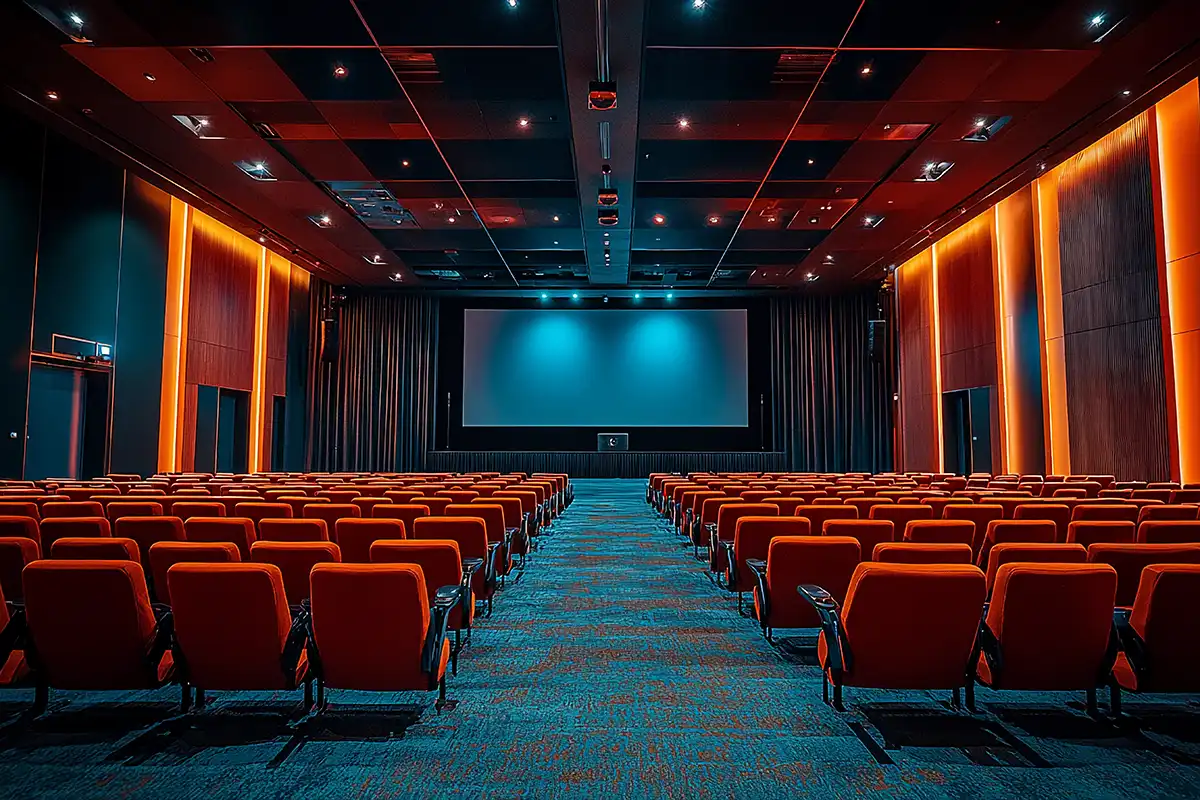
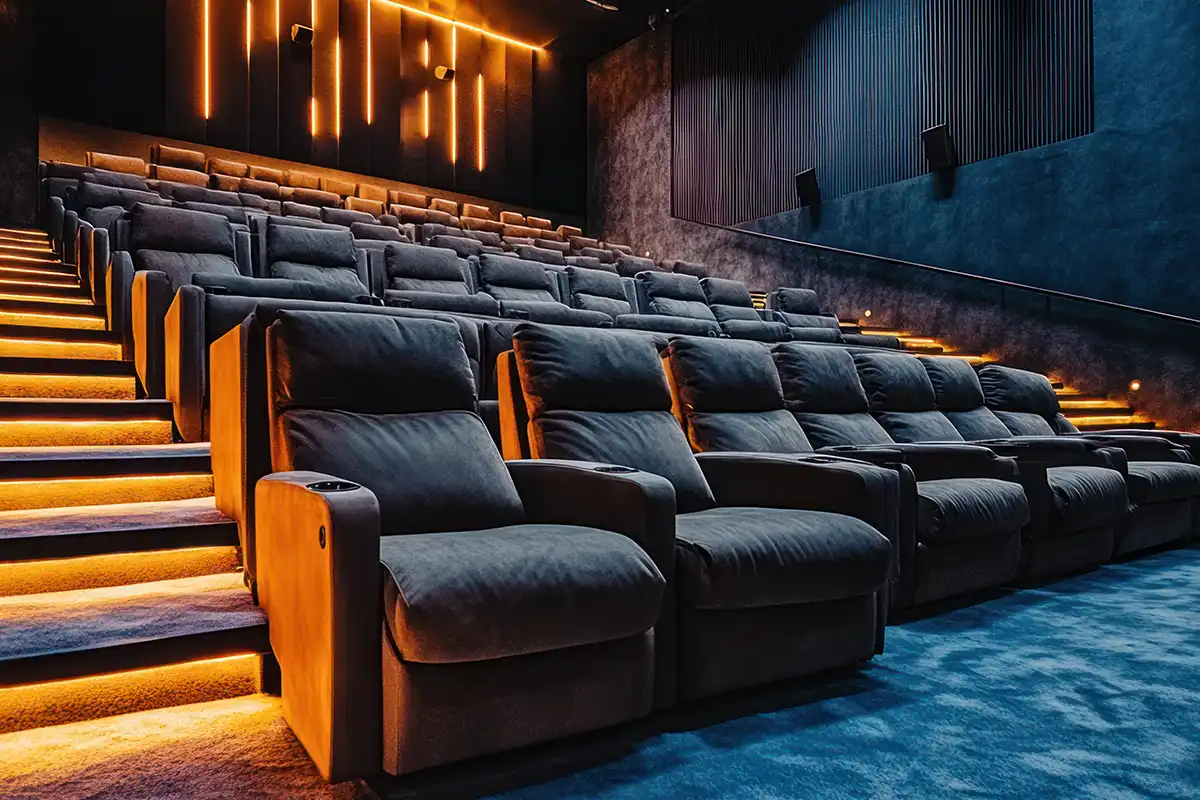
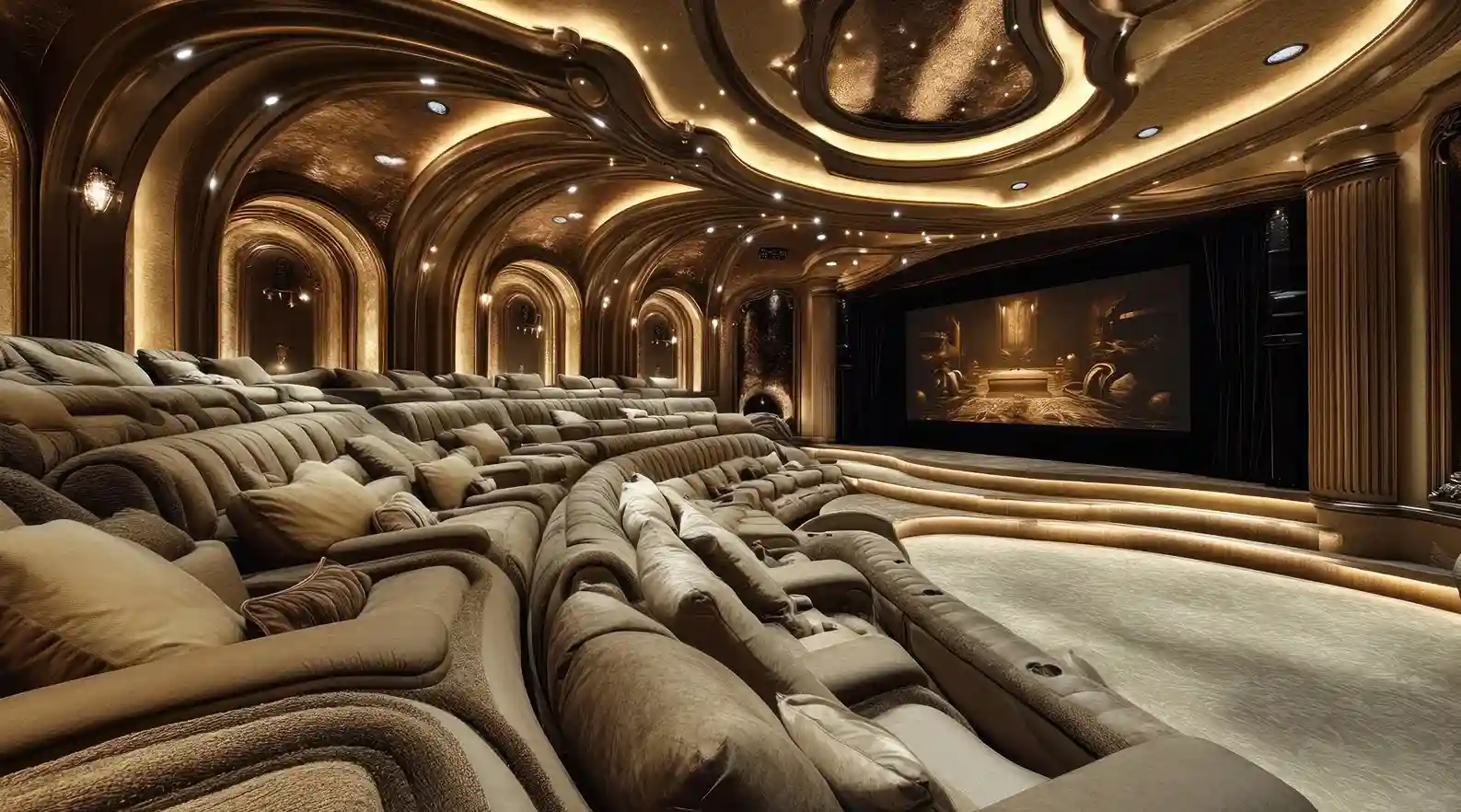
Cinematic Lighting Design
Cinematic lighting design represents areas within malls such as entertainment zones, cinemas, or experiential spaces. It is a variation within mall lighting where visual impact becomes a priority.
In these environments, lighting is used to create controlled visual effects rather than uniform illumination. In practice, this requires careful planning of intensity, direction, and contrast.
Execution involves integrating lighting with architectural features and media systems. Improper setup leads to uneven visuals and disrupts the intended experience.
Commercial Facade Lighting
Commercial facade lighting refers to the exterior lighting of mall structures. While it targets building exteriors, it remains part of the overall mall lighting scope.
Facade lighting defines the visual identity of the mall from outside. In real projects, incorrect beam angles or fixture placement creates uneven lighting across surfaces.
Execution requires alignment with architectural design and environmental conditions. Outdoor exposure also demands careful fixture selection to ensure durability and consistent performance.
Real-World Applications & Use Cases
Mall lighting is applied in shopping malls, retail complexes, entertainment centers, and mixed-use commercial developments.
In many projects, uneven lighting across corridors creates inconsistent visual experience. This usually happens when lighting is planned without considering actual foot traffic patterns.
Another common issue is glare from poorly positioned fixtures. This affects shopper comfort and reduces time spent in retail areas.
Lighting also plays a role in guiding movement. Properly planned lighting directs visitors naturally through different sections of the mall.
When This Service Becomes Necessary
Mall lighting becomes necessary when existing systems fail to support retail operations or create inconsistent visual environments.
This often occurs during mall renovation or tenant restructuring. Changes in layout require new lighting strategies.
It is also required when malls aim to improve visitor experience. Lighting influences how long visitors stay and how they interact with retail spaces.
In new developments, early planning ensures that lighting aligns with architectural and operational requirements.
Project Execution Process
Mall lighting is executed through a structured lifecycle that integrates design, procurement, installation, and final calibration into one coordinated process.
The process begins with zone mapping where entrances, corridors, retail units, and common areas are analyzed. Lighting layouts are then developed based on movement patterns and tenant requirements.
Procurement ensures that fixtures match design specifications. During installation, coordination with ceiling systems, electrical infrastructure, and tenant fit-outs is critical.
The final stage involves on-site calibration. Lighting is adjusted based on real conditions—shopper movement, display visibility, and environmental factors. Without this step, lighting systems often fail to deliver consistent results.
Technical & Safety Considerations
Mall lighting systems must handle continuous operation and high footfall conditions. Heat management is important, especially in enclosed environments. Poor thermal control affects fixture lifespan.
Emergency lighting integration is another key factor. Exit routes must remain visible during power failures. Electrical safety and maintenance access must also be considered during installation.
Common Problems & Risks in Lighting Installation
One common issue is mismatch between lighting and tenant layouts. This creates uneven brightness across retail zones. Another risk is improper fixture spacing. This leads to alternating bright and dark areas.
In many cases, lighting is installed without real-world testing. Problems become visible only after the mall becomes operational, making corrections difficult.
How to Choose the Right Lighting Setup
Choosing the right mall lighting setup requires evaluating layout complexity, tenant mix, and visitor movement before selecting fixtures.
Start by identifying high-impact zones such as entrances and anchor stores. These areas require focused lighting strategies.
Execution capability is critical. Design-only approaches often fail because installation conditions differ from planning assumptions.
You can understand execution capability through our About Us page.
Pricing Factors
Mall lighting pricing depends on project scale, layout complexity, fixture specifications, and installation conditions.
Large malls require extensive planning and coordination, increasing cost. Complex ceiling structures also add to installation difficulty.
Fixture quality impacts long-term performance. Lower-cost fixtures often lead to maintenance issues and replacement costs.
Execution complexity is another factor. Coordinating with multiple stakeholders increases project effort and cost.
Why Choose This Service
Mall lighting requires coordination across multiple zones and stakeholders. Handling design and execution together ensures consistency.
This approach avoids issues like uneven lighting and poor integration with tenant spaces.
The focus remains on real operational conditions rather than theoretical planning.
Service Coverage
VS Wilson operates from the UAE and executes mall lighting projects across the Middle East, USA, and Europe.
Projects are carried out through on-site deployment. Teams travel to the project location, complete installation, and perform final calibration.
This ensures consistent execution quality across regions.
Common Buyer Concerns Before Hiring
Buyers often question whether lighting will align with tenant requirements. This depends on coordination during planning.
Another concern is cost variation. Differences usually reflect execution complexity and fixture quality.
There is also concern about project timelines. Poor planning leads to delays during installation.
FAQs
1. What does mall lighting include?
It includes lighting design, fixture selection, electrical coordination, installation, and final calibration across all mall zones.
2. Do you handle facade lighting as part of mall lighting?
Yes, commercial facade lighting is included as part of the overall project scope.
3. Can mall lighting be upgraded during operation?
Yes, but it requires phased execution to avoid disruption to visitors and tenants.
4. How does lighting affect retail performance?
Lighting influences product visibility and shopper behavior, impacting time spent and engagement.
5. Do you execute projects internationally?
Yes, projects across the Middle East, USA, and Europe are executed through on-site deployment.
6. Why is on-site calibration important?
Lighting behaves differently in real environments. Calibration ensures consistent output and avoids glare or uneven brightness.
Discuss Your Project
Mall lighting requires coordination between architectural design, tenant layouts, and operational flow. Addressing these factors early helps avoid costly adjustments later.
You can review your project requirements, layout complexity, and execution strategy through our Contact page. Projects across UAE, Middle East, USA, and Europe are handled through on-site deployment with full lifecycle responsibility.