Hotels Light
Hotel Lighting Design is a complete service covering lighting planning, fixture selection, electrical coordination, installation, and final adjustment across hospitality environments. It is executed through an EPC model where design, procurement, installation, and delivery are handled as one system.
At VS Wilson, this service operates as a full lifecycle project solution from concept planning to final commissioning. Based in the UAE, projects are executed across the Middle East, USA, and Europe through on-site deployment. The team handles design engineering, material procurement, installation, and calibration, ensuring the final lighting matches real usage conditions rather than drawings alone.
- Lighting layers aligned with guest movement and experience.
- Fixture planning coordinated with interior and ceiling layouts.
- Integrated execution from wiring to final calibration.
- Zone-wise lighting control for operational flexibility.
What This Service Includes
Hotel Lighting Design includes far more than aesthetic planning. In actual projects, lighting must respond to guest movement, staff operations, and varying occupancy levels.
A common issue is mismatch between design and execution. Drawings often ignore ceiling services or furniture layout, which leads to compromised installation. This service avoids that gap by aligning design decisions with actual site constraints before execution begins.
Reception Lighting
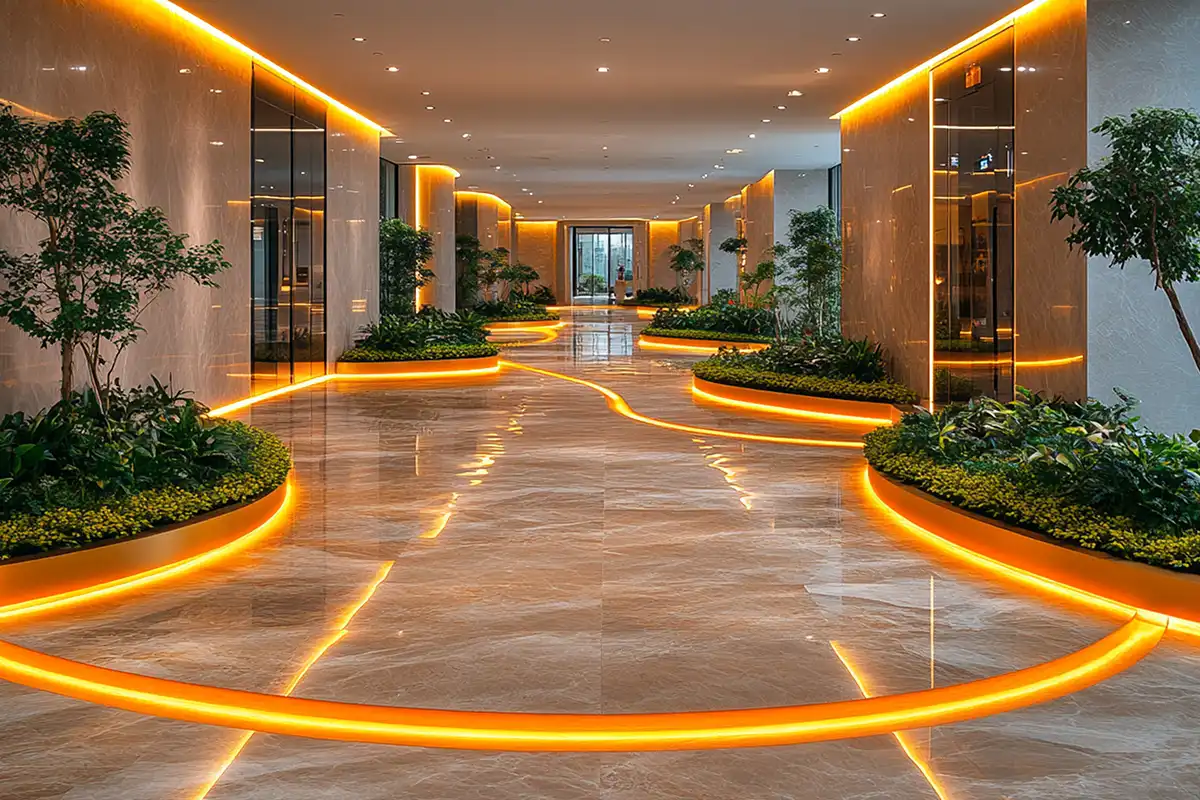
Reception Lighting represents a focused entry-zone requirement within Hotel Lighting Design where first impressions are shaped. While users search this separately, it remains part of the same execution scope covering entrance and lobby areas.
Reception zones require layered lighting—ambient light for overall visibility, focused lighting on counters, and controlled highlights for branding elements. In real projects, overly bright reception areas create discomfort, while dim setups reduce clarity during check-in.
Execution involves aligning fixtures with desk positioning, ceiling height, and material finishes. Without this coordination, reflections and shadows disrupt both visual appeal and usability.
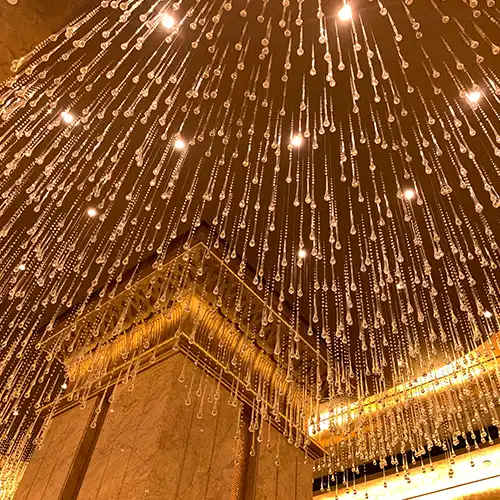
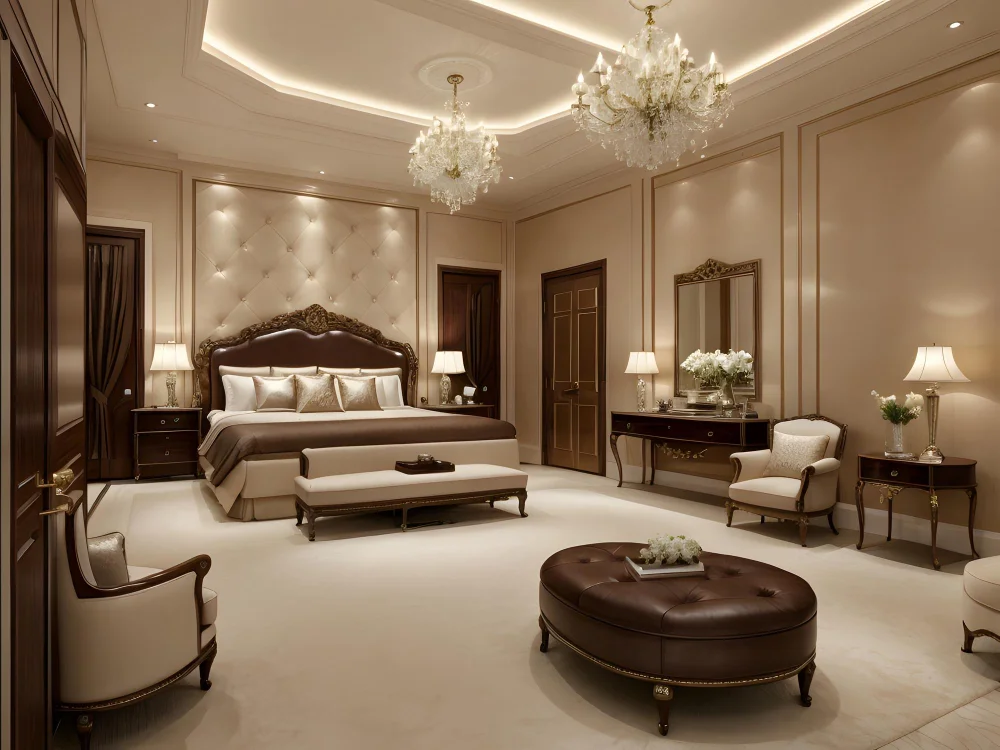
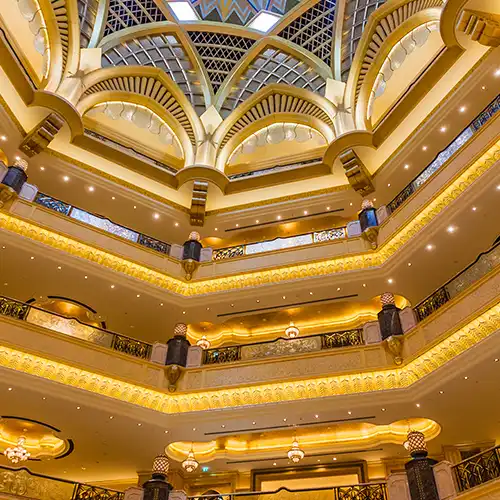
Luxury Hospitality Lighting
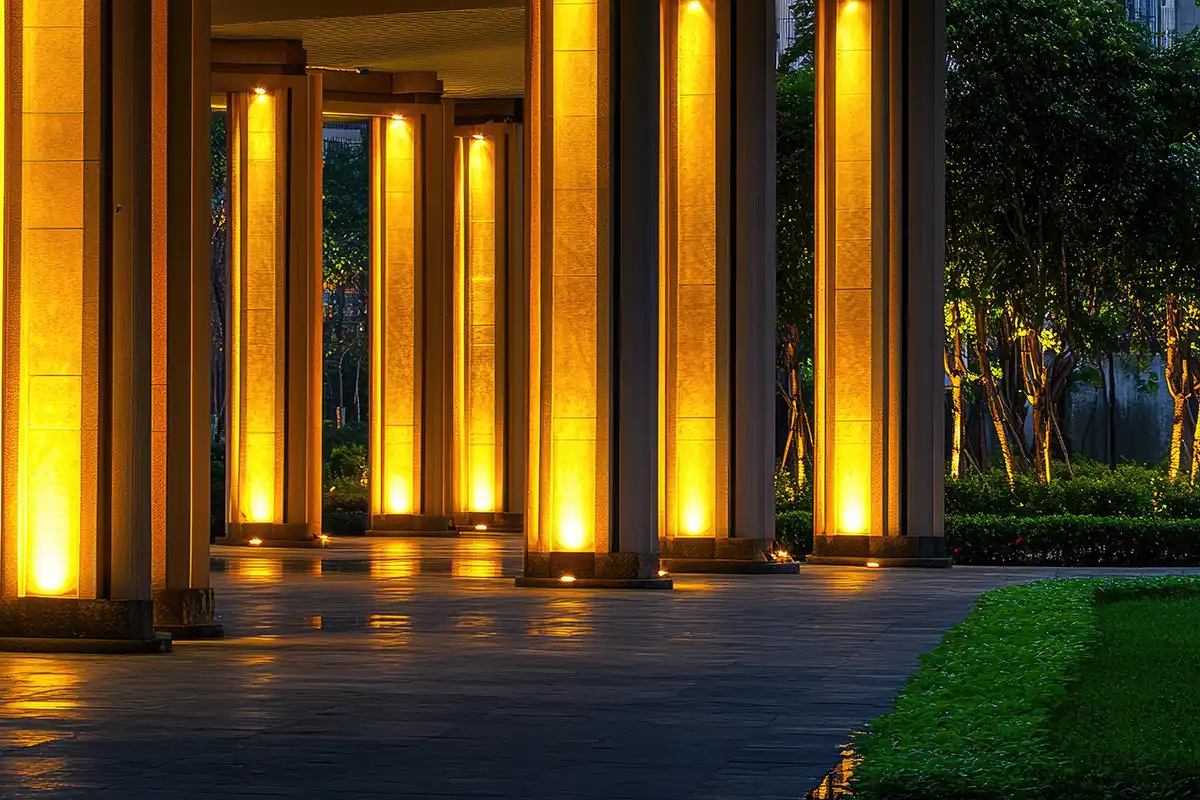
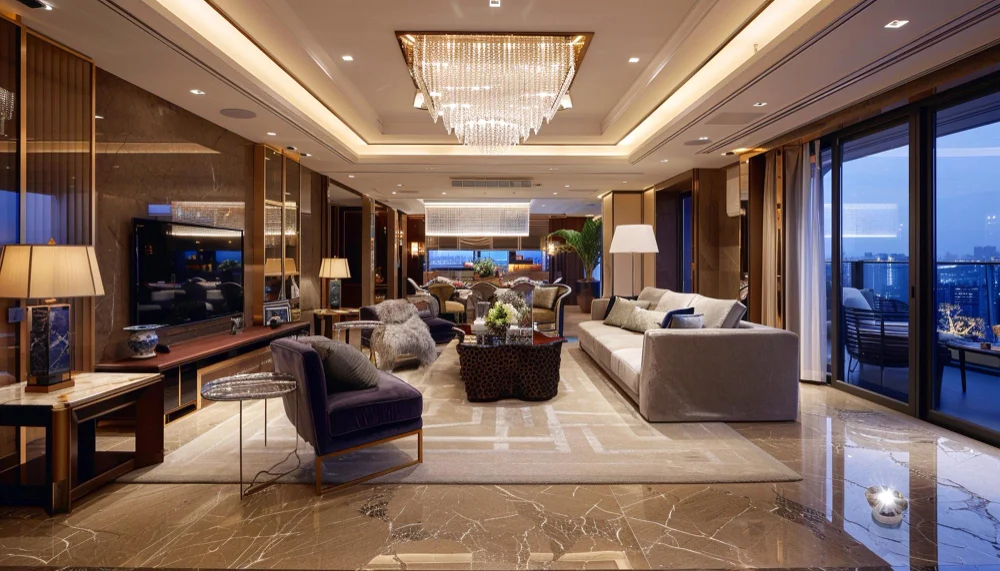
Luxury Hospitality Lighting reflects high-end hotel environments where lighting must support premium guest experience. It is still part of Hotel Lighting Design, but with greater emphasis on detail and control.
In practice, luxury spaces demand precise light layering. Over-lighting reduces depth, while insufficient lighting makes spaces feel incomplete. The balance is achieved through controlled intensity, hidden light sources, and surface reflection management.
Execution requires close coordination with interior elements such as marble, glass, and textured walls. Small misalignments in fixture placement become highly visible in such environments, which is why on-site adjustment is critical.
Restaurant & Cafe Lighting Design
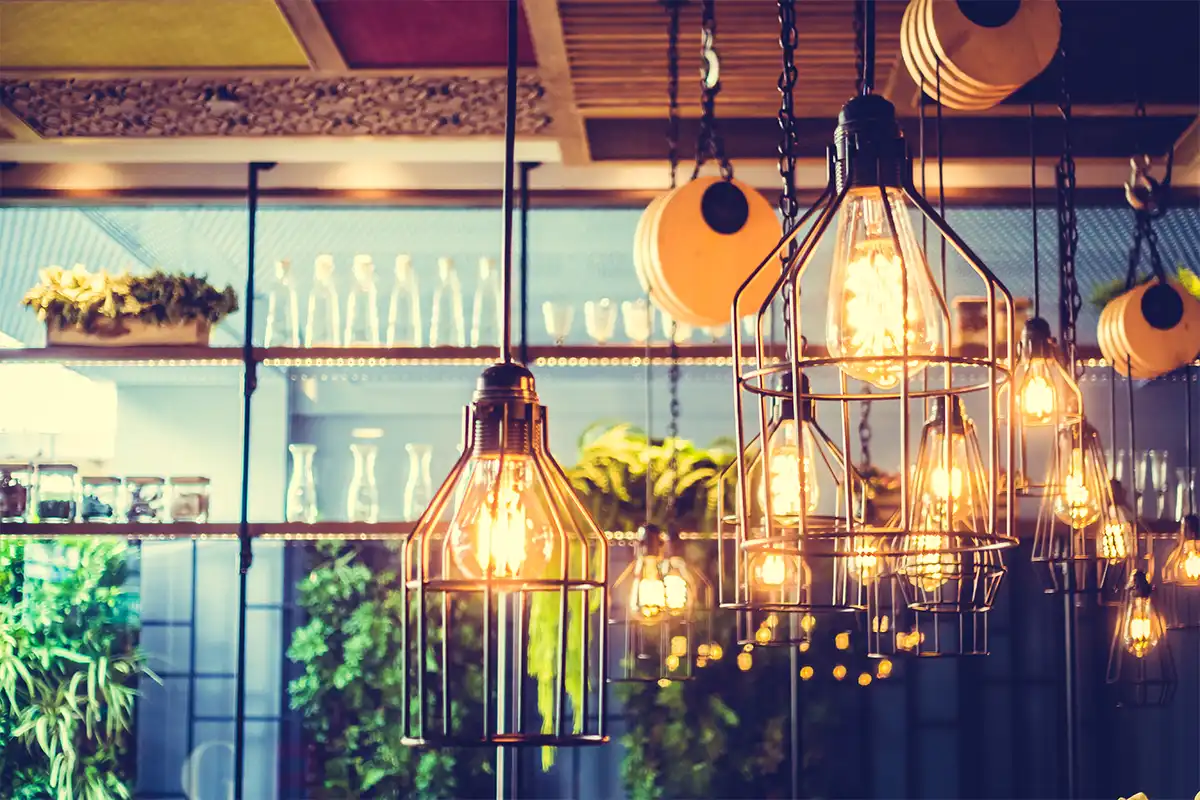
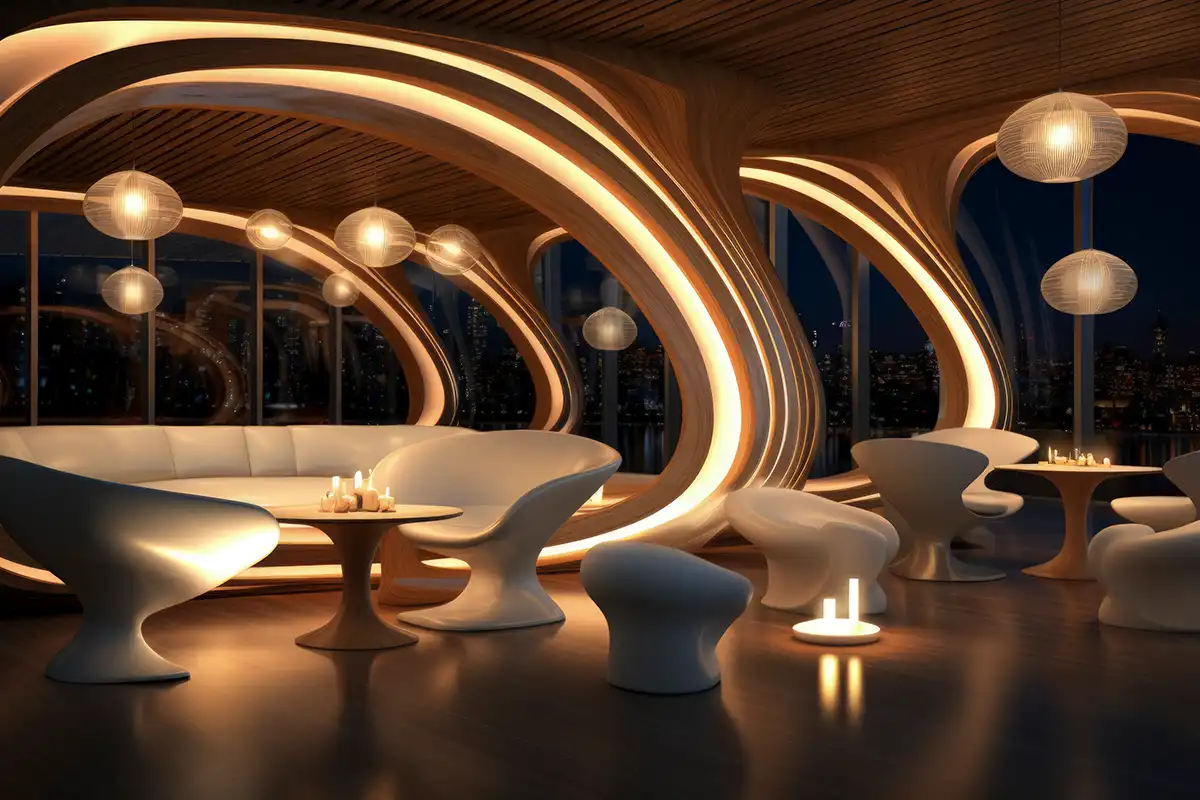
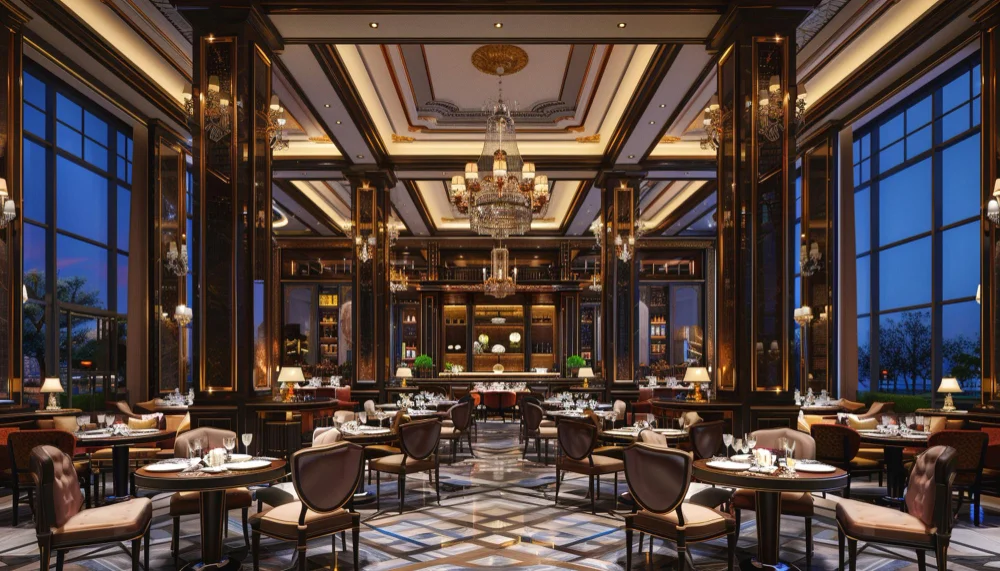
Restaurant & Cafe Lighting Design represents dining zones within hotels where users search for specialized lighting. It remains part of Hotel Lighting Design but focuses on guest seating and food presentation areas.
Lighting in these zones affects both comfort and perception of food. In real setups, incorrect color temperature or intensity changes how dishes appear.
Execution involves integrating lighting with table layouts, ceiling features, and service pathways. It also requires balancing brightness between kitchen pass areas and dining spaces to maintain consistency.
Conference Hall Lighting
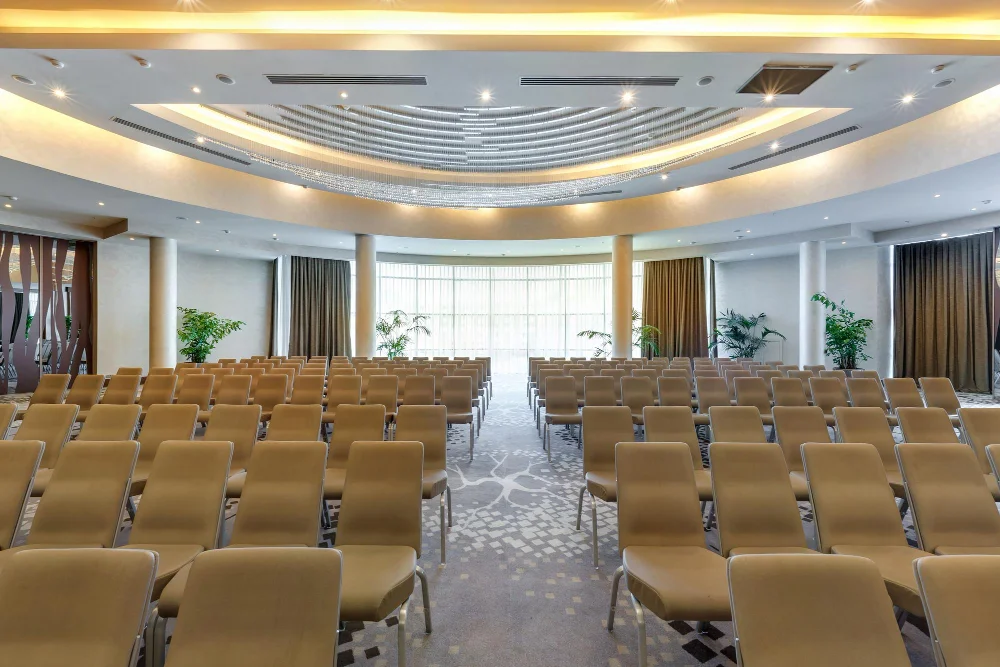
Conference Hall Lighting reflects business and event spaces within hotels where lighting must adapt to multiple usage scenarios. It is a variation within Hotel Lighting Design driven by functional flexibility.
In actual projects, fixed lighting setups fail to support presentations, meetings, and events simultaneously. This creates usability issues.
Execution includes layered lighting with control systems that allow adjustment of intensity and focus. Coordination with audiovisual systems is also required to prevent glare on screens.
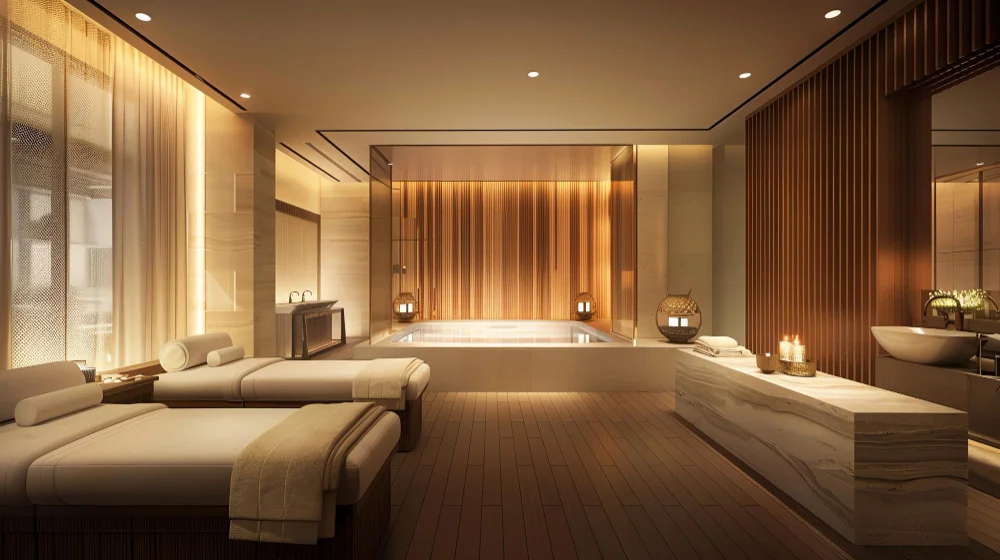
Spa Lighting
Spa Lighting represents wellness areas within hotels where lighting must support relaxation and low-activity environments. While distinct in intent, it remains part of Hotel Lighting Design execution.
These areas require softer, indirect lighting rather than direct illumination. In real installations, overly bright fixtures disrupt the intended atmosphere.
Execution involves concealed fixtures, controlled intensity, and integration with interior materials. Placement must avoid direct visibility of light sources while maintaining enough brightness for safety.
Types of Lighting Solutions Offered
Guest Room Lighting Systems
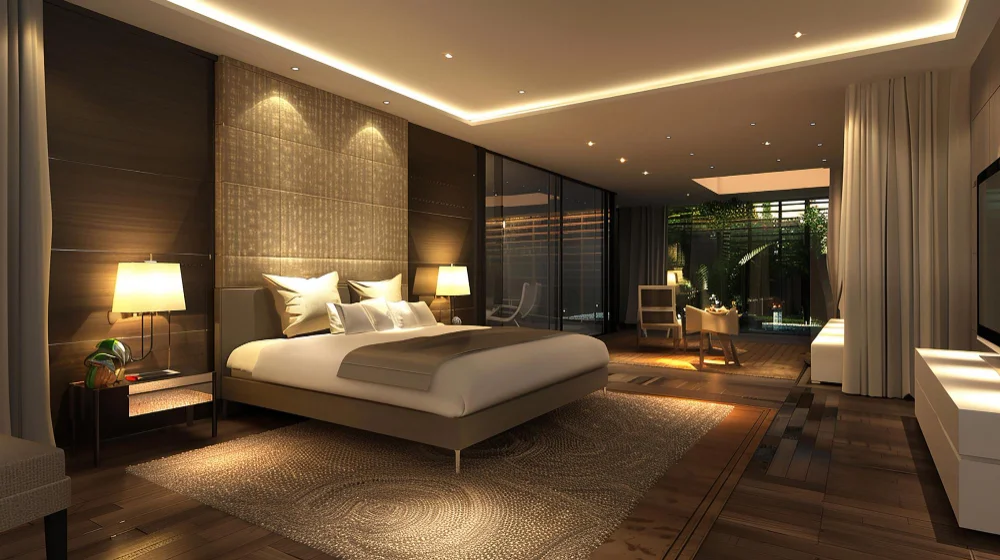
Lighting planned for comfort, reading, and movement within hotel rooms
Lobby and Reception Lighting
Layered lighting for entry zones and waiting areas
Dining and Restaurant Lighting
Focused lighting for food presentation and seating areas
Outdoor and Poolside Lighting
Lighting systems designed for exterior hospitality spaces
Service and Back-of-House Lighting
Functional lighting for staff areas and operational zones
Real-World Applications & Use Cases
Hotel Lighting Design is applied across business hotels, luxury resorts, boutique properties, and serviced apartments.
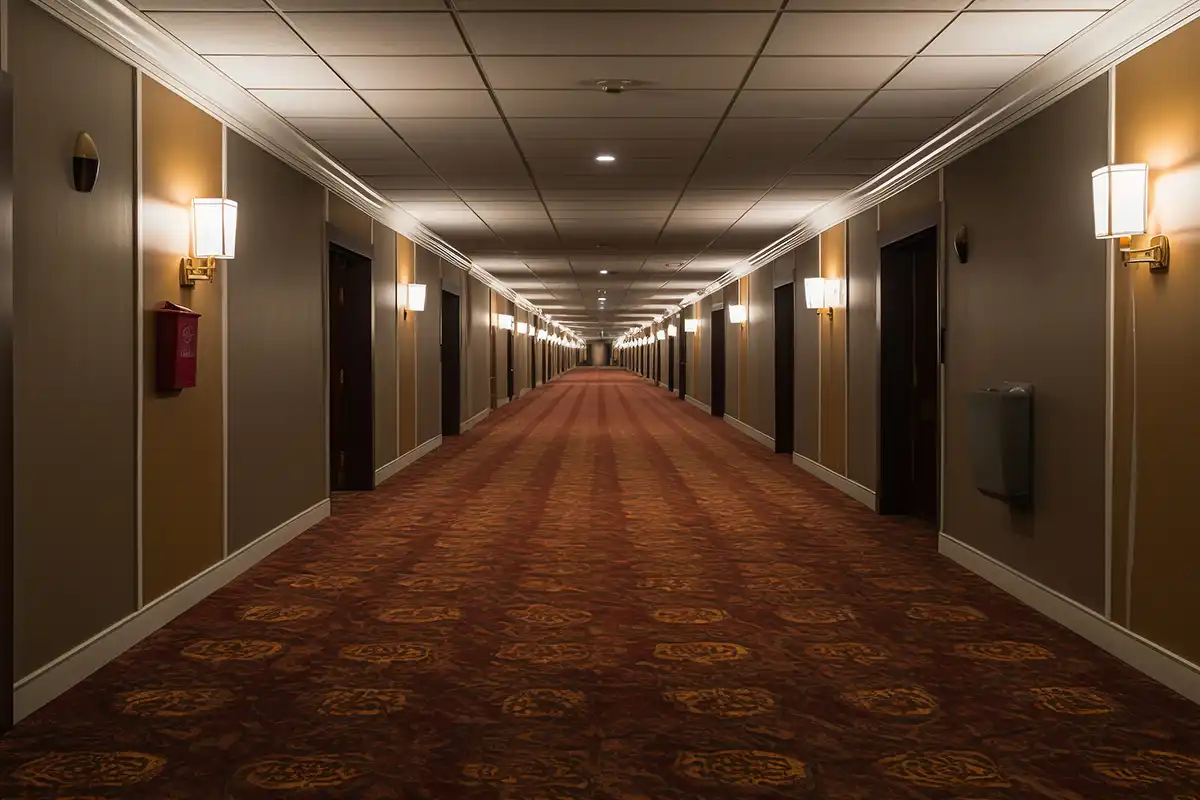
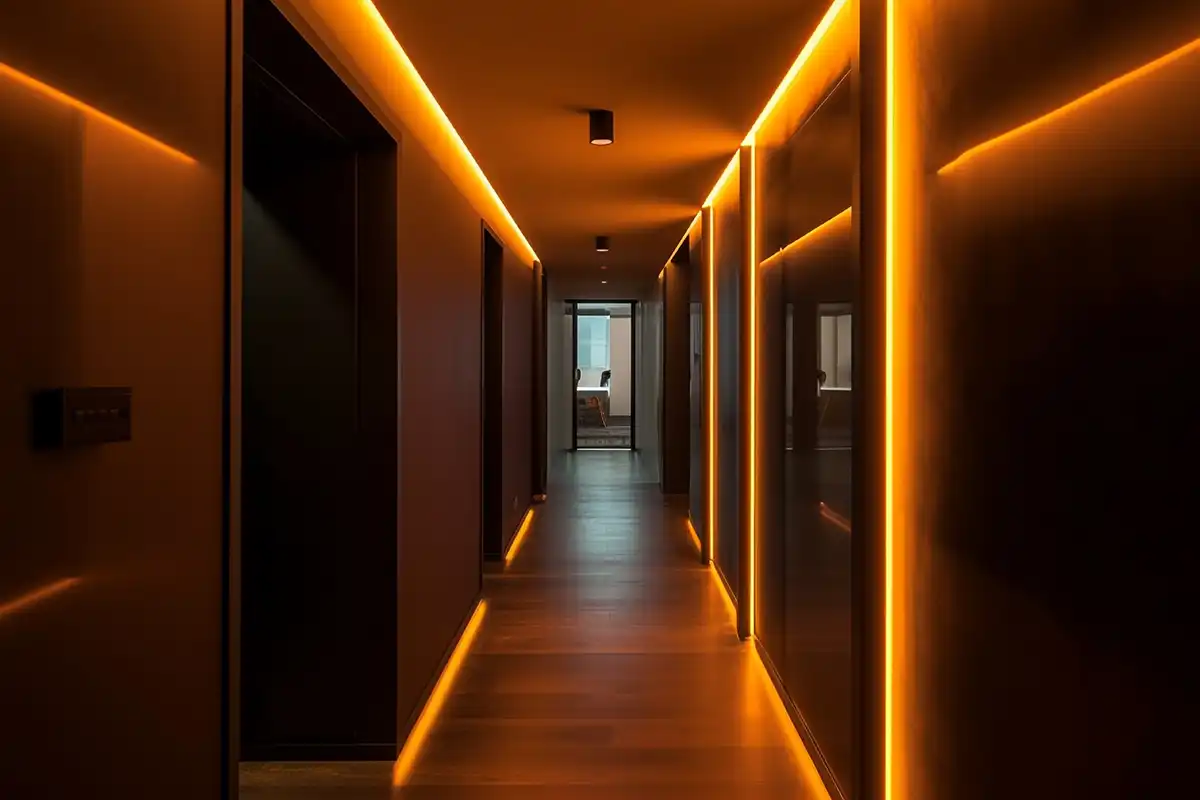
In many projects, lighting fails because it is planned without considering real usage. Guest rooms often face glare issues, while corridors appear uneven due to incorrect fixture spacing.
Another common issue is inconsistency between zones. Lobby lighting may feel disconnected from corridors or rooms, creating a fragmented experience.
Lighting also influences operational efficiency. Poorly lit service areas slow down staff movement and increase errors during operations.
Project Execution Process
Hotel Lighting Design follows a structured lifecycle combining design, procurement, installation, and final adjustment into one system.
The process begins with zone analysis where each area rooms, lobby, dining, and services—is evaluated. Lighting layouts are then developed based on usage patterns and interior design.
Procurement ensures fixtures match design intent without substitutions. During installation, coordination with ceiling systems and electrical infrastructure is critical.
The final stage involves on-site calibration. Light levels, glare, and uniformity are adjusted under real conditions. This step is often skipped by competitors, leading to poor final output despite good designs.
Technical & Safety Considerations
Hotel lighting systems operate for extended hours, making durability and thermal management critical.
Glare control is essential, especially in guest rooms and work areas. Incorrect placement leads to discomfort.
Electrical systems must support load variations across different zones. Backup systems are also required for uninterrupted operation.
Maintenance access must be considered during installation. Fixtures placed without service planning increase long-term operational issues.
Common Problems & Risks in Lighting Installation
A frequent issue is misalignment between lighting and furniture layout. This creates shadows and uneven illumination.
Another risk is poor coordination with ceiling systems. Fixtures end up misplaced or blocked.
In many cases, lighting is installed without testing under real conditions. Problems become visible only after hotel operations begin, making corrections costly.
How to Choose the Right Lighting Setup
Choosing the right Hotel Lighting Design requires evaluating guest experience, operational needs, and architectural constraints before selecting fixtures. Start by identifying functional zones. Each area requires a different lighting approach.
Focus on execution capability. Design alone does not guarantee results. Installation accuracy determines performance. You can review execution approach through our About Us.
Pricing Factors
Hotel Lighting Design pricing depends on property size, zone complexity, fixture specifications, and installation challenges.
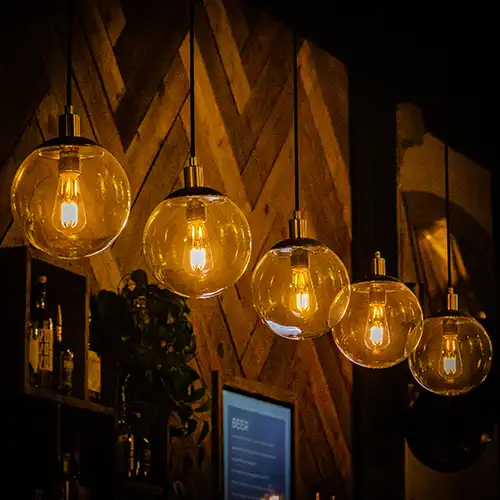
Luxury hotels require more detailed lighting layers, increasing cost. Complex ceiling structures also add to installation effort. Lower-cost options often compromise on fixture quality or execution precision. This leads to rework and higher maintenance costs. Projects without integrated execution face coordination gaps between design and installation, increasing overall expenses.
Why Choose This Service
Hotel Lighting Design requires alignment between design intent and real-world execution. Handling both avoids common failures.
This approach ensures lighting works across all zones without inconsistency. It also reduces long-term operational issues.
The focus remains on actual usage conditions rather than theoretical planning.
Service Coverage
VS Wilson operates from the UAE and executes Hotel Lighting Design projects across the Middle East, USA, and Europe.
Projects are delivered through on-site deployment. Teams travel to the project location, complete installation, and perform final calibration.
This ensures consistent execution quality across different regions.
Common Buyer Concerns Before Hiring
Buyers often question whether lighting will match design expectations. This depends on execution quality.
Another concern is cost variation. Differences usually reflect fixture selection and installation precision.
There is also concern about operational disruption. Proper planning ensures installation does not affect hotel functionality.
FAQs
1. What does Hotel Lighting Design include?
It includes lighting planning, fixture selection, electrical coordination, installation, and final calibration across all hotel zones.
2. Do you handle international hotel projects?
Yes, projects across the Middle East, USA, and Europe are executed through on-site deployment.
3. How do you manage lighting across different hotel zones?
Lighting is planned zone-wise based on function, usage, and interior layout, ensuring consistency across spaces.
5. Can lighting be upgraded in operational hotels?
Yes, but it requires phased execution planning to avoid disruption to guests and staff.
6. Is control system integration included?
Yes, lighting control systems are integrated to manage intensity and flexibility across different areas.
7. Why does hotel lighting pricing vary significantly?
Pricing varies based on project scale, complexity, and execution requirements rather than fixed rates.
Discuss Your Project
Hotel lighting decisions depend on layout, guest experience goals, and execution constraints. Early planning avoids costly adjustments after installation.
You can discuss your project scope, design approach, and execution planning through our Contact Us. Projects across UAE, Middle East, USA, and Europe are handled through on-site deployment with full lifecycle responsibility.