Residential Lighting Design Services
Residential Lighting Design Services is an end-to-end EPC solution that includes lighting planning, material procurement, and on-site installation for residential properties. It covers engineering design, fixture selection, system integration, and physical execution at the project location.


Scope of Residential Lighting Design Services
Residential Lighting Design Services covers planning, procurement, and execution of lighting systems across homes. It includes layout development based on real usage patterns, fixture selection aligned with structural conditions, and on-site installation coordinated with construction stages. This ensures lighting works as intended after installation, not just on drawings.
Residential Lighting Design Services covers planning, procurement, and execution of lighting systems across homes. It includes layout development based on real usage patterns, fixture selection aligned with structural conditions, and on-site installation coordinated with construction stages. This ensures lighting works as intended after installation, not just on drawings.


Scope of Residential Lighting Design Services
Multi-zone lighting layout based on actual living patterns
Each zone is mapped considering movement, occupancy, and functional usage across the residence
Fixture and system selection aligned with structural conditions
Lighting components are chosen based on ceiling depth, wiring routes, and integration feasibility
Indoor and outdoor lighting coordination within one system
Interior spaces and external areas are planned together to avoid visual and functional disconnect
On-site execution with alignment to construction workflow
Installation is synchronized with civil, electrical, and finishing stages to prevent rework
Residential Lighting Design Services covers planning, procurement, and execution of lighting systems across homes. It includes layout development based on real usage patterns, fixture selection aligned with structural conditions, and on-site installation coordinated with construction stages. This ensures lighting works as intended after installation, not just on drawings.
Types of Lighting Solutions Offered
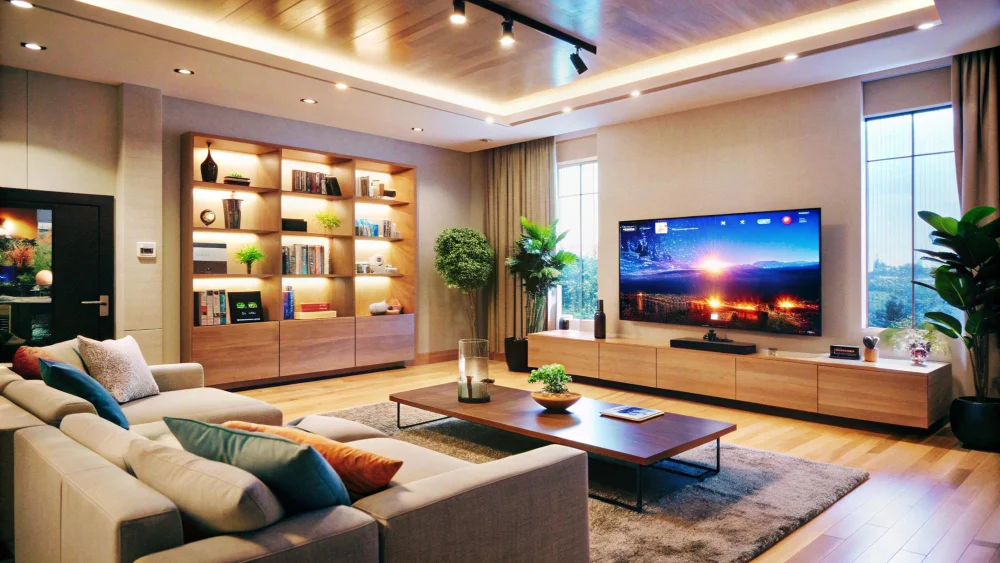
Ambient Lighting for Living Spaces
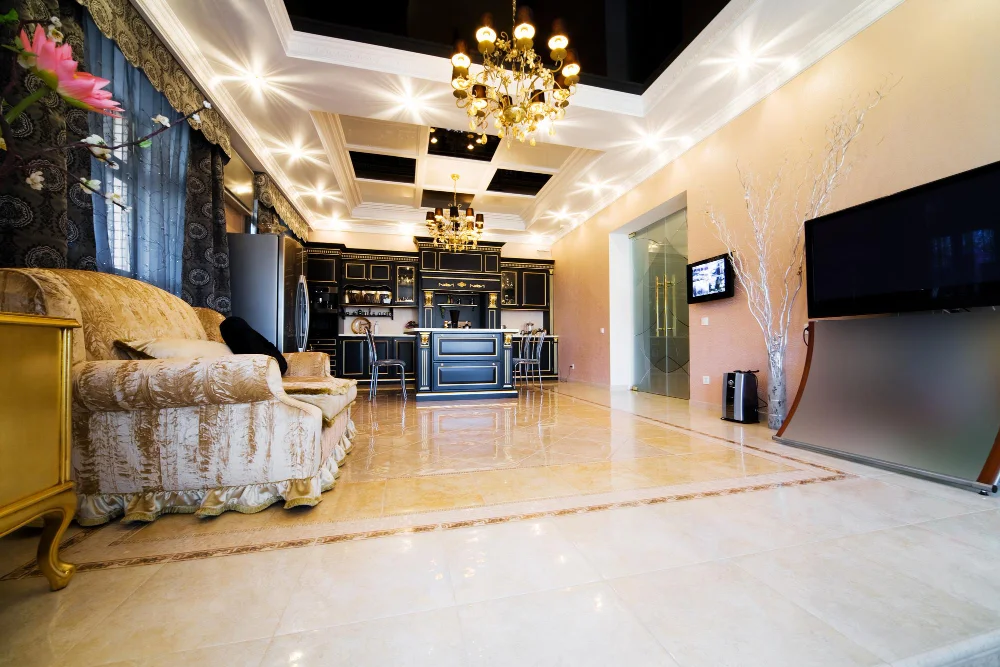
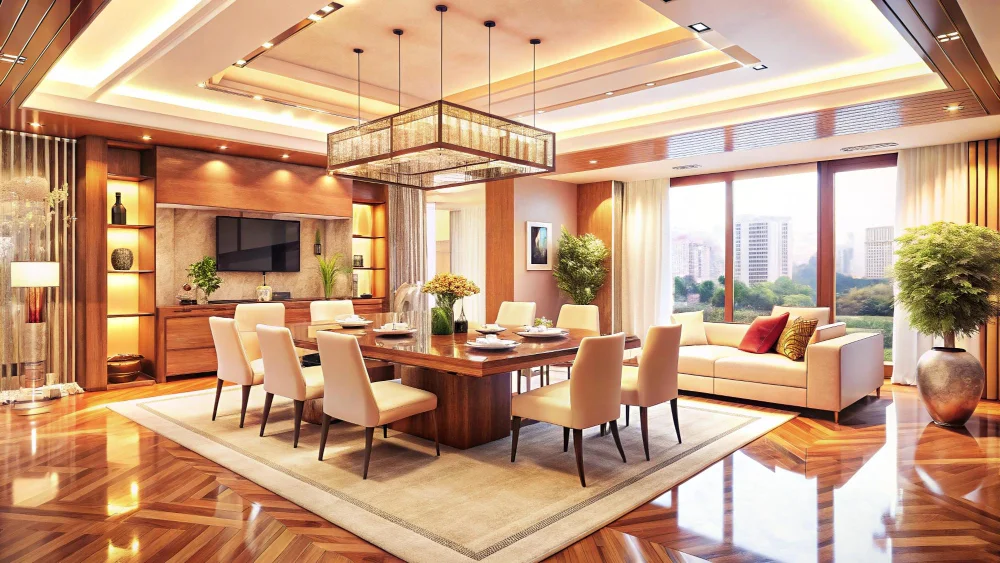
Used to create base illumination across rooms while maintaining visual balance and avoiding harsh contrast
Task Lighting for Functional Areas
Focused lighting applied in kitchens, study zones, and work areas where clarity is required
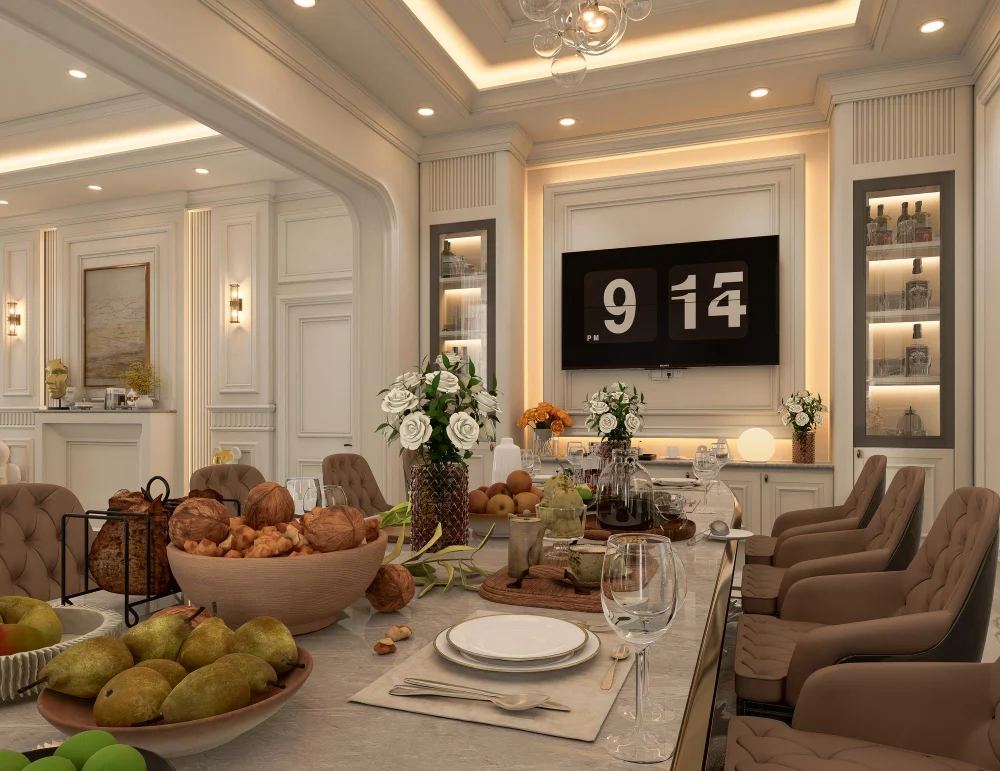
Accent Lighting for Architectural Features
Highlights textures, walls, or design elements without dominating the visual environment
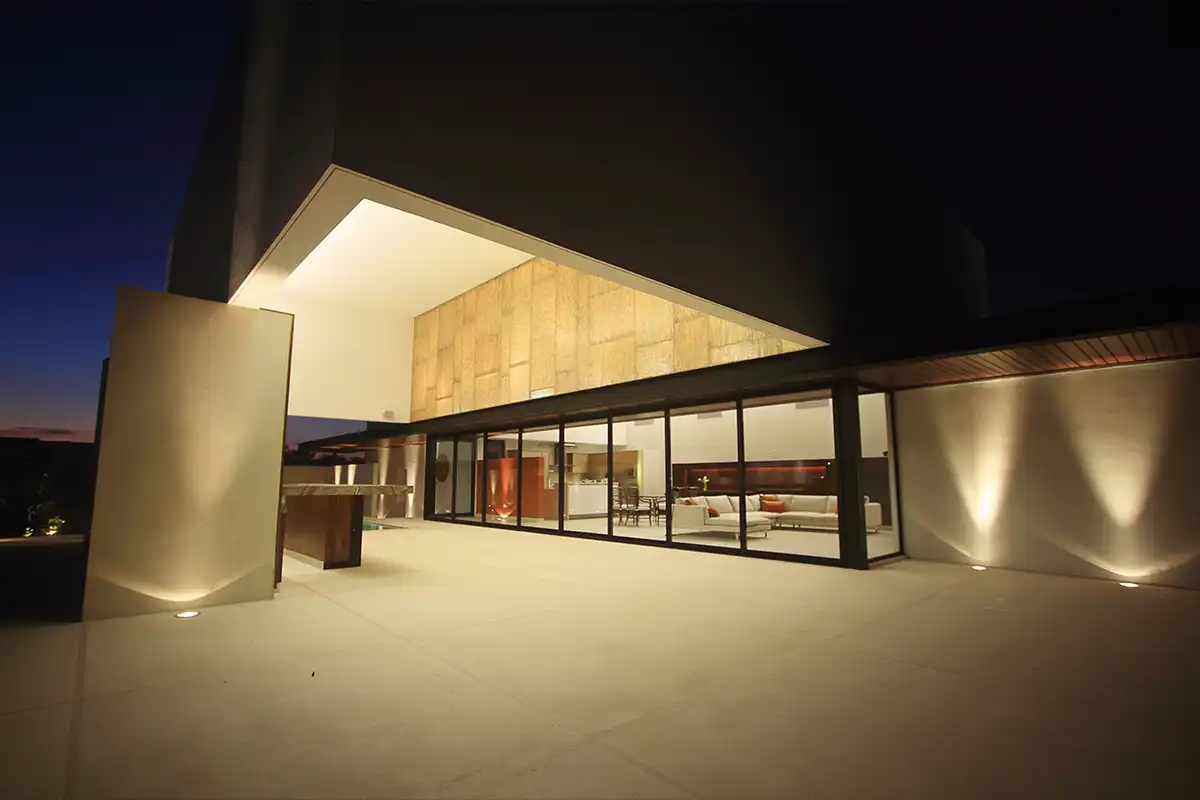
Outdoor and Landscape Lighting
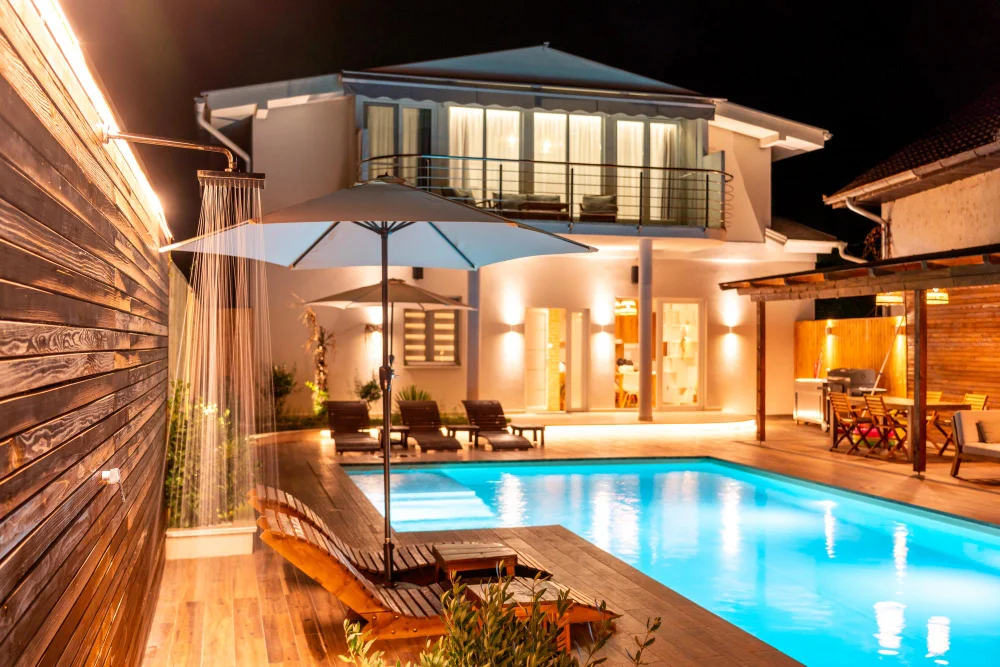
Covers pathways, gardens, and building exteriors to maintain continuity beyond interiors
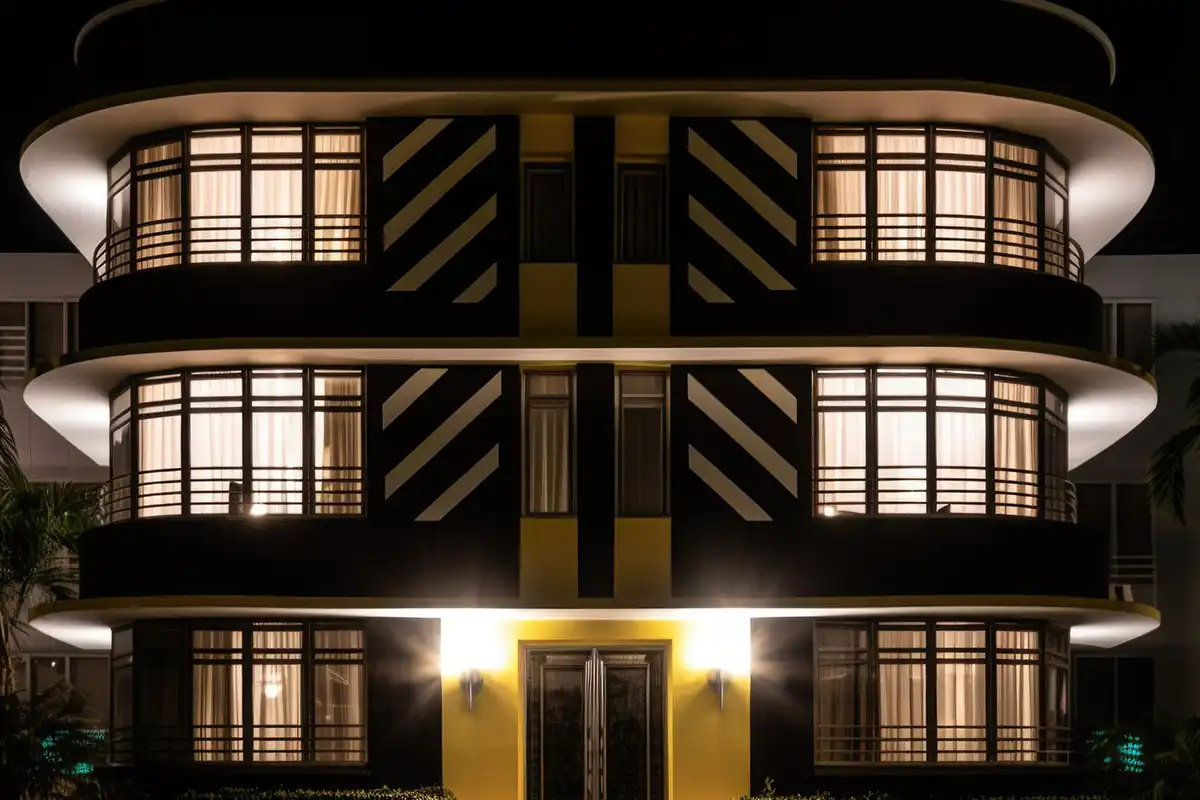
Facade Lighting for Residential Structures
Enhances elevation visibility while maintaining controlled brightness and avoiding spillover
Where Residential Lighting Design Services Are Applied
In independent houses, lighting must adapt to varied room usage, outdoor integration, and structural differences. Without planning, some zones become overlit while others remain underlit.
In apartments, ceiling limitations and shared electrical systems create constraints that require careful layout planning.
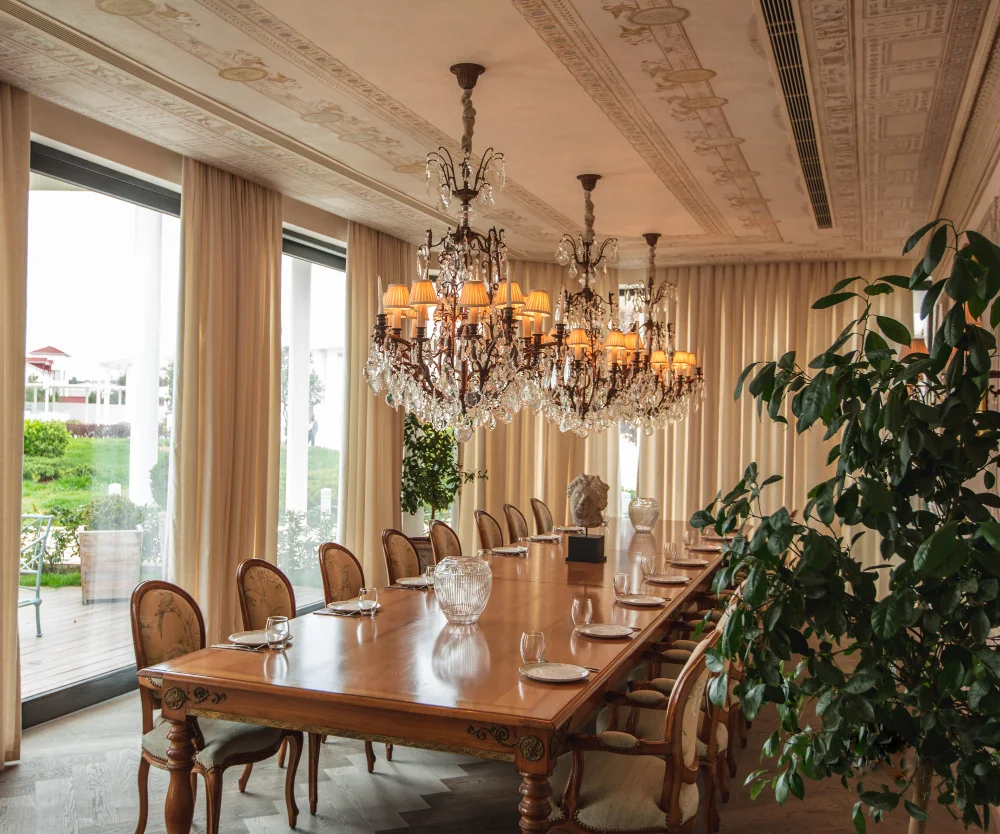
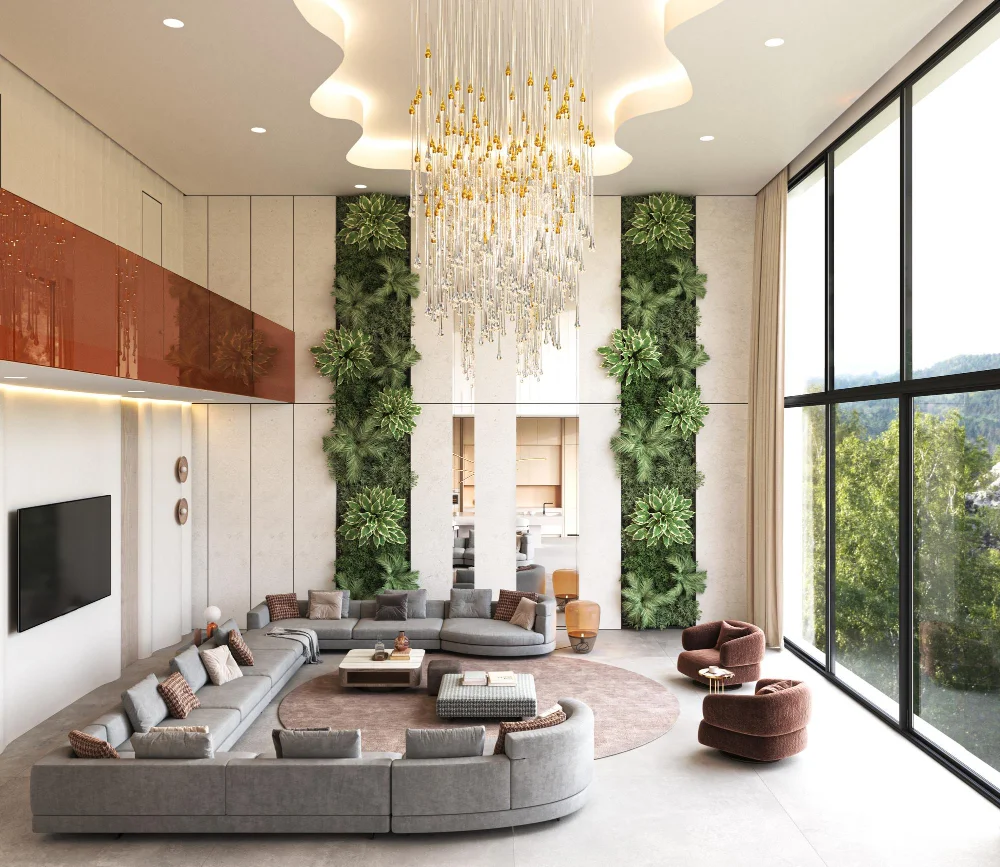
In luxury residences, lighting is expected to complement architecture rather than overpower it. This usually requires precise beam control and fixture positioning, which is often overlooked in standard installations.
When Residential Lighting Design Services Become Necessary
This service becomes essential during new construction, renovation, or when upgrading outdated lighting systems. It is particularly required when multiple zones need coordinated lighting rather than isolated fixture placement.
In many real residential setups, issues such as glare, uneven brightness, or poor visibility arise after installation. These problems often result from lack of planning and require significant rework to fix later.
Environments & Project Conditions This Service Fits
Residential lighting design applies to villas, apartments, bungalows, and mixed-use residential developments. Each environment presents different challenges.
For example, high ceilings require different fixture strategies compared to compact apartments. Outdoor exposure, natural light availability, and material finishes also influence design decisions.
From an execution point of view, these factors often require adjustments during installation, which cannot be predicted through design alone.
Project Execution Process
Residential Lighting Design Services is executed through a structured workflow that connects design, procurement, and installation into one system. The process begins with understanding how each space will be used, followed by layout planning that aligns with structural and electrical conditions.
Material procurement focuses on selecting fixtures that match both performance and installation feasibility. This includes considering maintenance access, durability, and compatibility with control systems.
On-site installation is carried out in coordination with construction progress. In actual projects, wiring routes, ceiling structures, and finishing stages often require adjustments that are not visible during planning.
Final commissioning includes testing light distribution, verifying control systems, and correcting glare or shadow zones. This ensures that the lighting system performs as intended across all areas of the residence.
Technical & Safety Considerations
Lighting systems must maintain consistent illumination without creating sharp contrast zones that affect visibility. Electrical safety is critical, especially in areas exposed to moisture or outdoor conditions.
Control systems are often integrated to manage energy usage, but incorrect configuration can lead to inconsistent performance.
Fixture placement must also consider maintenance access. In many residential setups, difficult access increases long-term costs.
Common Problems & Risks in Lighting Installation
One common issue is uneven lighting caused by incorrect fixture spacing. This often leads to dark zones or excessive brightness in certain areas.
Glare is another frequent problem, especially when lights are positioned without considering eye level or usage patterns.
There are also coordination gaps between design and installation teams. When handled separately, the final output often differs from the intended design, leading to rework and increased costs.
How to Choose the Right Residential Lighting Design Services
Choosing the right service requires evaluating how well the provider handles both planning and execution. Many services focus only on design, leaving installation to separate teams, which creates inconsistencies.
A complete service should handle layout planning, material procurement, and on-site execution under one system. This reduces coordination gaps and ensures accountability.
From a decision point of view, reviewing execution capability is critical. Visit our About Us page to understand how projects are handled from planning to final delivery.
Pricing Factors
Pricing depends on property size, number of zones, and complexity of the lighting system. Larger homes require more fixtures and detailed planning.
Fixture selection significantly impacts cost. Higher durability fixtures may have a higher upfront cost but reduce maintenance expenses over time.
Installation complexity also affects pricing. Factors such as ceiling type, wiring constraints, and integration with existing systems can increase execution time.
Projects that skip proper planning often incur higher long-term costs due to rework, energy inefficiency, and maintenance challenges.
Why This Service Works Better as a Full Execution Model
Handling design and installation separately often leads to mismatches between planning and actual output. In real projects, adjustments are always required during installation due to site conditions.
A full execution model ensures that design decisions are validated on-site and adjusted where necessary. This reduces errors, avoids rework, and ensures consistent results.
It also improves coordination between teams, which is often a major issue in residential projects.
Service Coverage
The company operates from the UAE, covering Dubai, Abu Dhabi, and surrounding regions.
For international projects, teams are deployed on-site across the Middle East, USA, and Europe. Execution involves physical presence at the project location, ensuring alignment between design and installation.
This approach ensures consistency in project delivery regardless of location.
Common Buyer Concerns Before Hiring
Buyers often worry about whether lighting will match the design after installation. This concern is valid because many projects fail at execution stage.
Maintenance is another concern, especially for fixtures installed in hard-to-reach areas.
Cost control is also critical. Without proper planning, projects may exceed budget due to unexpected adjustments.
Execution capability is often overlooked but plays a major role in final results.
FAQs
1. What does residential lighting design services include?
It includes layout planning, fixture selection, material procurement, and on-site installation. The service ensures lighting is designed and executed based on actual usage and structural conditions, not just visual concepts.
2. Can this service be executed internationally?
Yes, projects are executed on-site across the Middle East, USA, and Europe. Teams travel to the project location and handle the entire process from planning to final installation.
3. Is this service suitable for existing homes?
Yes, lighting design can be applied to existing homes. However, adjustments may be required based on existing wiring, ceiling conditions, and structural limitations.
4. How are lighting levels determined in residential projects?
Lighting levels are calculated based on room usage, ceiling height, and movement patterns. This ensures consistent visibility without over-lighting or creating glare.
6. What are common mistakes in residential lighting?
Common mistakes include uneven fixture placement, excessive brightness, glare, and lack of coordination between design and installation teams.
7. How long does a residential lighting project take?
The timeline depends on project size and complexity. Larger homes with multiple zones and integrated systems require more planning and execution time.
Discuss Your Project
If you're planning a residential project, lighting decisions should be aligned with real usage, structural conditions, and execution feasibility. Projects often face issues when design and installation are handled separately.
You can discuss your layout, project scope, and execution requirements to understand how the system will be planned and delivered across your location, including international deployment.
Discuss our project through Contact us page.
Image Gallery

Related Services