Airport Lighting Design
Airport Lighting Design involves planning, engineering, procurement, and installation of lighting systems across terminals, lounges, and passenger zones, executed as a complete EPC model. It includes layout design, fixture selection, control integration, on-site installation, and commissioning. VS Wilson handles Airport Lighting Design as a full lifecycle project, managing everything from concept development to final delivery across UAE and international airport projects.
What Airport Lighting Design Covers
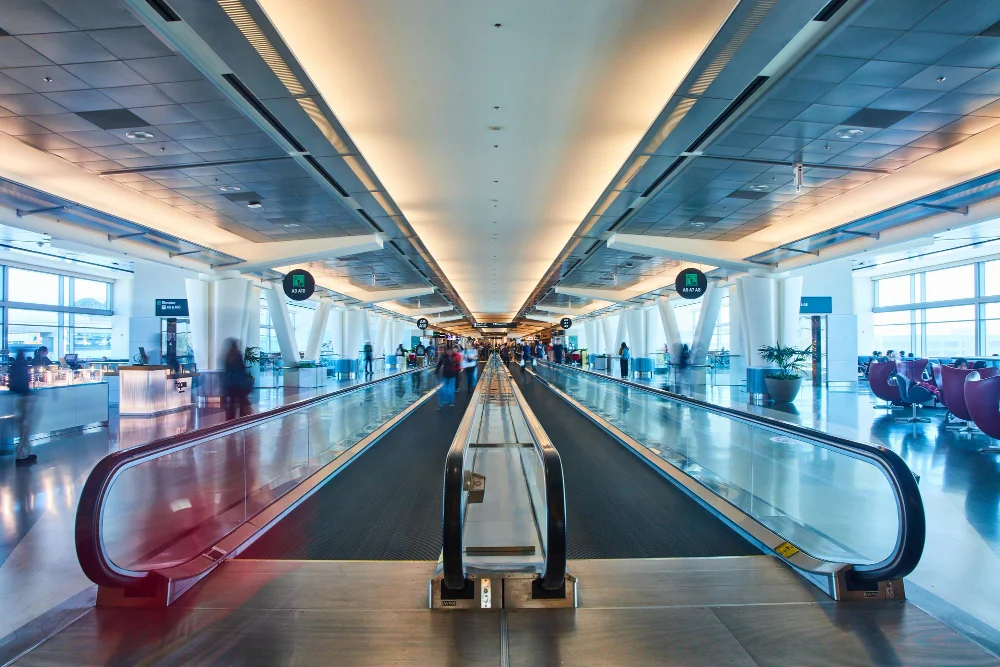
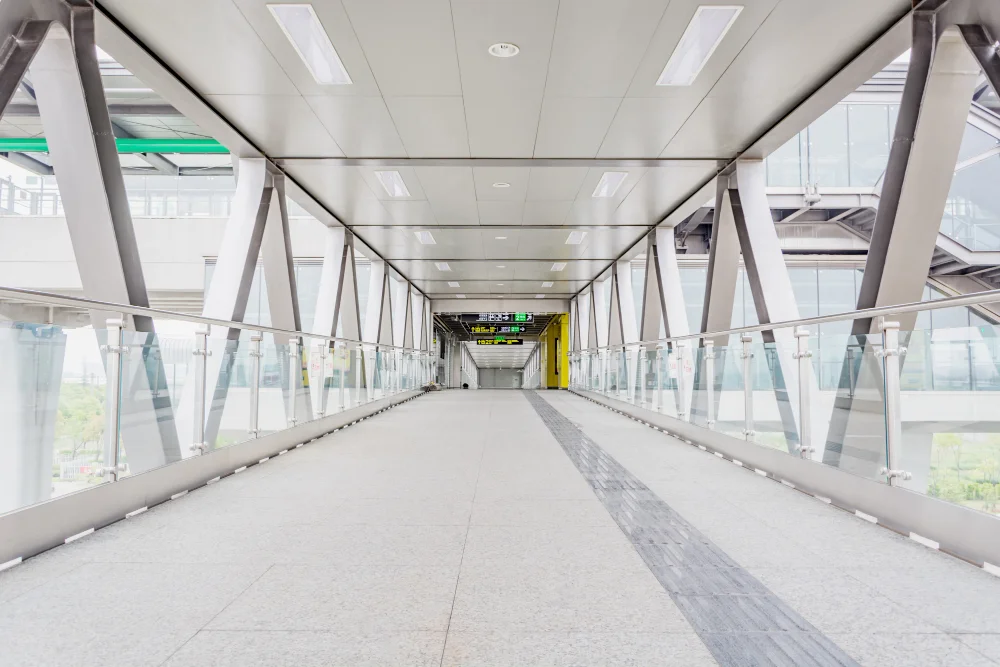
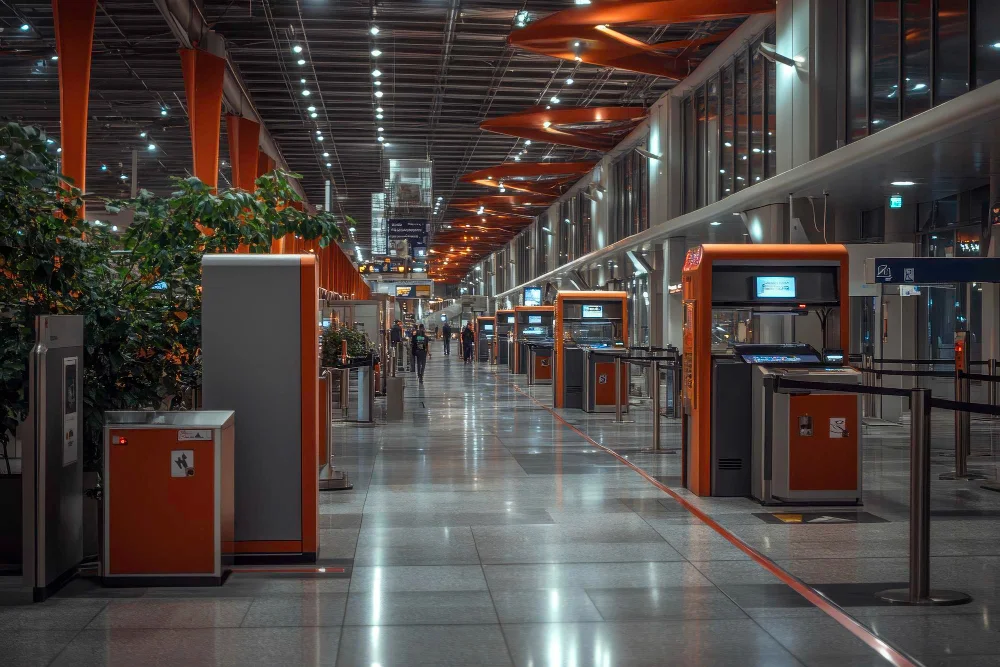
Airport Lighting Design is not limited to fixture placement. It covers how lighting behaves across different passenger touchpoints. From an execution point of view, waiting areas require softer visual adaptation, while transit corridors demand directional clarity.
This usually becomes complex when multiple zones overlap. For example, a lounge adjacent to a boarding gate requires different lighting logic but shared infrastructure. That’s where integrated planning becomes critical.
Unlike fragmented approaches, this is handled as a unified execution system. VS Wilson operates from UAE with deployment capability across the Middle East, USA, and Europe, delivering projects through coordinated site teams, material logistics, and real-time installation management.
What Airport Lighting Design Covers
Terminal zoning aligned lighting layouts
Lighting zones are mapped according to passenger movement, waiting time, and operational function across the airport.
Fixture selection based on usage intensity
Lighting fixtures are chosen depending on dwell time, ceiling height, and visibility requirements for each zone.
Control systems integrated with airport operations
Lighting is connected with automation systems for energy control, scheduling, and emergency overrides.
On-site installation with phased execution planning
Installation is aligned with airport operations to avoid disruption and ensure staged commissioning.
Airport Lighting Design is not limited to fixture placement. It covers how lighting behaves across different passenger touchpoints. From an execution point of view, waiting areas require softer visual adaptation, while transit corridors demand directional clarity.
This usually becomes complex when multiple zones overlap. For example, a lounge adjacent to a boarding gate requires different lighting logic but shared infrastructure. That’s where integrated planning becomes critical.
Airport Interior Lighting Solutions
Airport Interior Lighting Solutions is often searched when the focus shifts to passenger comfort and indoor environments. It still falls under Airport Lighting Design, as both require coordinated execution across interior zones like lounges, waiting areas, and retail sections.
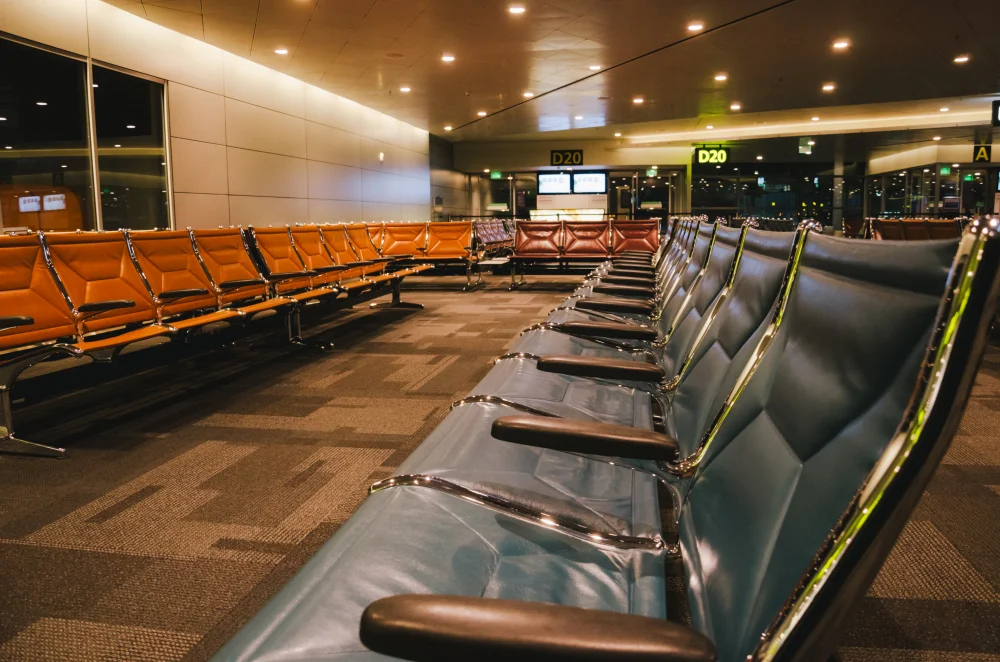
From a project standpoint, interior lighting must adapt to prolonged occupancy. Passengers spend hours in these areas, so lighting cannot be overly bright or visually tiring. In actual projects, layered lighting is used to balance ambient illumination with task-specific lighting, especially near seating clusters and service counters.
Execution involves ceiling coordination, integration with HVAC layouts, and ensuring that fixtures do not interfere with architectural elements. This level of coordination is rarely explained but becomes critical during installation.
Airport Terminal Lighting Design & Installation
Airport Terminal Lighting Design & Installation reflects a more execution-driven search intent where clients expect both planning and physical deployment. It directly aligns with Airport Lighting Design but emphasizes complete delivery.
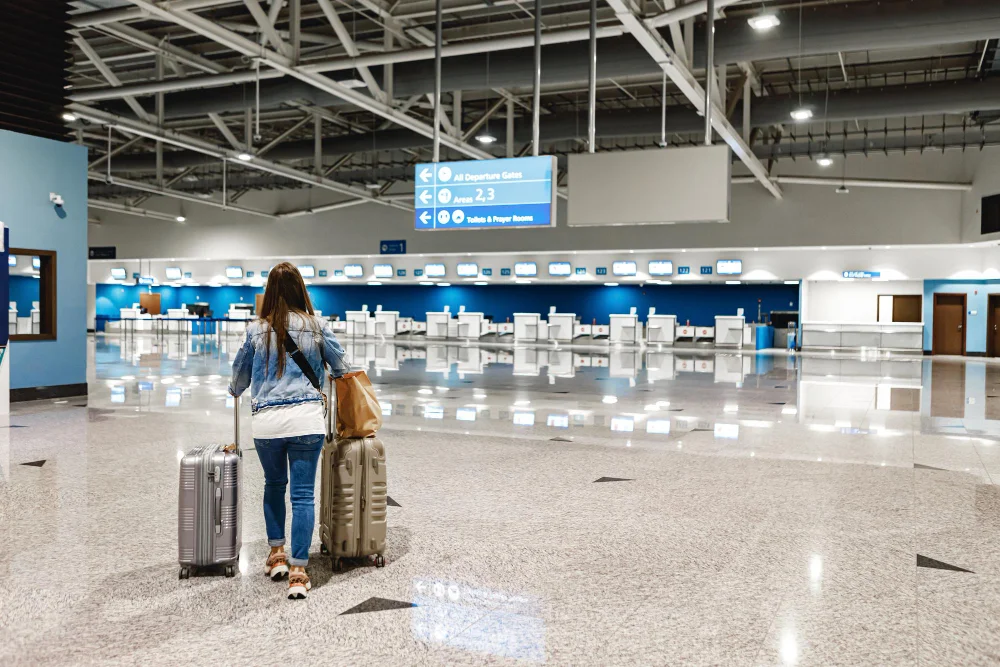
Terminal lighting is not uniform. Departure zones, security areas, baggage claims, and waiting lounges each require different lighting responses. From an execution point of view, this means multiple lighting systems operating simultaneously within the same structure.
Installation becomes challenging due to operational constraints. Work often happens during restricted hours, and coordination with airport authorities is essential. This is where EPC-style execution ensures that design decisions are aligned with installation feasibility from the beginning.
Airport lounge lighting
airport lounge lighting is a specific subset of Airport Lighting Design focused on comfort-driven environments. Users searching this typically want a quieter, more controlled lighting setup within the larger airport system.
Lounges differ from terminals because passengers stay longer. Lighting needs to reduce visual fatigue while still supporting reading, device usage, and service interactions. In real projects, indirect lighting combined with focused task lighting is used to achieve this balance.
Execution requires careful fixture placement to avoid glare on screens and reflective surfaces. Integration with dimming controls is also necessary, especially in premium lounges where lighting shifts throughout the day.
Commercial airport lighting
commercial airport lighting represents a broader category where lighting supports retail zones, food courts, and commercial spaces within airports. It remains part of Airport Lighting Design but introduces additional performance requirements.
Retail areas require higher brightness levels compared to waiting zones. However, excessive contrast between adjacent zones can create discomfort. In execution, lighting transitions are carefully managed to maintain visual consistency.
Another factor is maintenance access. Commercial zones operate continuously, so lighting systems must allow quick servicing without disrupting operations. This affects fixture selection and installation planning significantly.
Real-World Applications & Use Cases
Airport Lighting Design is applied across multiple zones where passenger behavior changes constantly. Waiting areas require stable lighting that does not create visual fatigue, while boarding gates need sharper visibility to support movement and announcements.
In actual projects, lighting also supports wayfinding. Instead of relying only on signage, light intensity and direction subtly guide passenger flow. This becomes especially important in large international terminals where navigation confusion can slow operations.
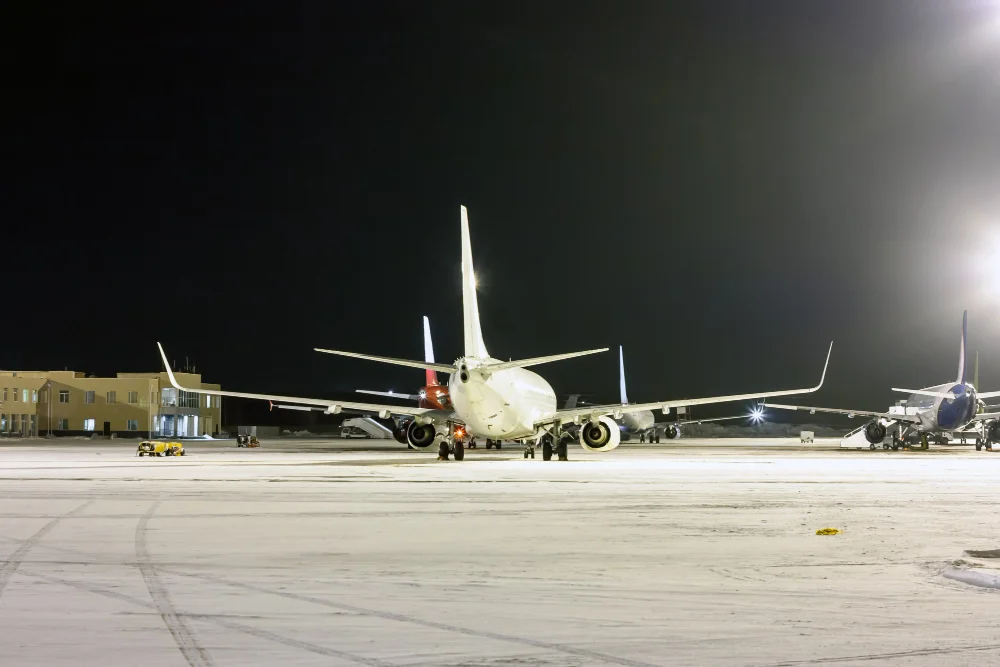
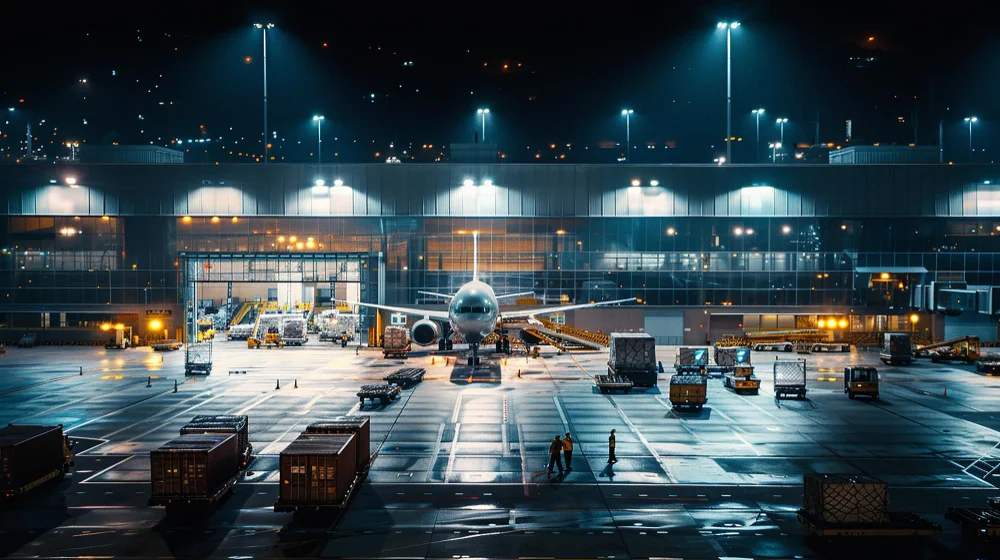
Another application involves night-time operations. Airports never fully shut down, so lighting systems must adapt to lower traffic periods without compromising safety or visibility.
When Airport Lighting Design Becomes Necessary
This service becomes essential when an airport is undergoing expansion, renovation, or operational restructuring. It is also required when existing lighting systems create discomfort, uneven illumination, or high energy consumption.
A common trigger is passenger feedback. If waiting areas feel harsh or tiring, it often points to poor lighting distribution. Another situation is when different zones are upgraded independently, leading to inconsistent lighting across the terminal.
At that stage, a full Airport Lighting Design approach is required rather than patch-level fixes.
Project Execution Process for Airport Lighting Design
Airport Lighting Design projects begin with site analysis and operational mapping. This involves studying passenger movement, ceiling structures, and existing electrical infrastructure.
The next stage involves design planning where lighting layouts are developed based on zone functionality. This includes fixture positioning, control logic, and integration with airport systems.
Material procurement follows, where fixtures and control systems are sourced based on project specifications. Coordination is critical here to avoid delays during installation.
Installation is executed in phases. In live airport environments, work is scheduled to avoid disruption. Teams coordinate with airport authorities to manage access, safety protocols, and timelines.
Final commissioning involves testing lighting levels, control systems, and ensuring uniform performance across all zones. This stage often reveals issues that are not visible during design, which is why execution expertise matters.
Technical & Safety Considerations
Airport Lighting Design must account for glare control, emergency lighting integration, and compliance with aviation safety standards.
Glare becomes a major issue in waiting areas where passengers look upward frequently. Improper fixture selection can create discomfort over time.
Emergency lighting must be integrated into the same system without interfering with regular operations. This includes backup power systems and fail-safe controls.
Another factor is maintenance accessibility. Fixtures installed at high ceilings require planning for future servicing without disrupting airport operations.
Common Problems & Risks in Lighting Installation
One of the most common issues is misalignment between design and installation. When design is done without considering site conditions, adjustments during installation can compromise lighting quality.
Another risk is uneven lighting distribution. This usually happens when fixtures are placed based on symmetry rather than actual usage patterns.
Control system failure is another concern. If lighting automation is not properly integrated, it can lead to inconsistent lighting across zones.
These problems often arise when different vendors handle design and installation separately.
How to Choose the Right Airport Lighting Design Setup
Choosing the right Airport Lighting Design setup depends on how the airport operates rather than just its size. Passenger density, dwell time, and zone functionality all influence lighting decisions.
From a decision-making perspective, one key factor is whether the provider handles both design and execution. Splitting these roles often leads to coordination gaps.
Another factor is control system integration. Airports require dynamic lighting adjustments, and not all providers have experience with such systems.
It is also important to evaluate how the provider plans installation within operational constraints. Poor planning can lead to delays and additional costs.
For execution capability insights, you can review our About Us page.
Pricing Factors
Airport Lighting Design pricing depends on project scale, complexity of zones, and integration requirements.
Large terminals with multiple zones require more detailed planning and higher installation effort. Ceiling height and accessibility also affect installation cost.
Control systems add another layer of complexity. Advanced automation increases upfront cost but reduces operational expenses over time.
One overlooked factor is rework. If lighting is not properly planned, adjustments during or after installation can increase overall project cost significantly.
Choosing a lower-cost approach often leads to higher long-term expenses due to maintenance and performance issues.
Why Choose This Service
Airport Lighting Design as a complete execution service reduces coordination gaps between planning and installation.
In real projects, issues often arise when different teams handle different stages. By managing the entire lifecycle, the process becomes more predictable.
It also allows better alignment between design intent and final output. Adjustments can be made during installation without compromising the overall lighting system.
Service Coverage
VS Wilson operates from UAE and executes Airport Lighting Design projects across Dubai, Abu Dhabi, and the wider Middle East.
For international projects, teams are deployed on-site across USA and Europe based on project requirements. Execution is handled through planned deployment, not local offices.
This allows consistent project delivery while adapting to site-specific conditions.
Common Buyer Concerns Before Hiring
Buyers often worry about project disruption, especially in operational airports. This is valid, as poor planning can interfere with daily operations.
Another concern is long-term maintenance. Lighting systems that are difficult to access or replace can increase operational costs.
There is also confusion around choosing between design consultants and full-service providers. In most airport projects, execution capability becomes critical due to coordination complexity.
FAQs
1. What does Airport Lighting Design include?
It includes layout planning, fixture selection, control system integration, procurement, installation, and commissioning. It is handled as a complete project rather than separate tasks.
2. How is airport interior lighting different from general commercial lighting?
Airport interior lighting must adapt to long passenger dwell times, varying zones, and continuous operation, which requires more controlled lighting distribution and integration.
3. Can you handle Airport Lighting Design projects internationally?
Yes, projects are executed through on-site deployment teams from UAE across the Middle East, USA, and Europe depending on project scope.
4. How do you manage installation in active airports?
Installation is planned in phases and coordinated with airport authorities to avoid disruption. Work is often scheduled during controlled time windows.
5. What is the role of control systems in airport lighting?
Control systems manage lighting levels, scheduling, and energy usage. They also support emergency lighting integration and zone-based adjustments.
6. Is Airport Lighting Design only for new airports?
No, it is also used in renovation projects where existing lighting systems need to be upgraded or restructured.
Discuss Your Project
Airport projects require alignment between design intent and execution constraints, especially when operations cannot be interrupted. If you are planning a new terminal or upgrading existing lighting, it is worth discussing layout strategy, control systems, and installation sequencing early.
You can outline your project requirements and site conditions through our Contact page to explore execution planning across UAE, Middle East, USA, or Europe.