Hall Lighting Design & Installation
Hall Lighting Design & Installation involves planning and executing lighting systems within living areas to support daily use, gatherings, and interior aesthetics. The service includes layout planning, fixture selection, procurement, and complete on-site installation with calibration.


What This Lighting Service Covers
Hall Lighting Design & Installation includes planning how light interacts with real living conditions, not just fixture placement. In actual setups, lighting must support multiple activities like relaxation, hosting, and movement without creating harsh zones or dim corners.
At VS Wilson, this is delivered as a full EPC model—covering engineering design, material procurement, installation, and final commissioning. Based in the UAE, projects are executed across the Middle East, USA, and Europe through on-site deployment. This positions the company as an end-to-end execution partner handling complete project delivery from concept to final handover, not just design or supply.


What This Lighting Service Covers
Lighting layout aligned with furniture and usage zones
Planning considers seating arrangements, TV placement, and walking paths to avoid uneven lighting distribution.
Selection of layered lighting systems for hall spaces
Different lighting types are combined to avoid over-dependence on ceiling fixtures alone.
Procurement aligned with electrical and design constraints
Fixtures are chosen based on ceiling structure, wiring access, and interior compatibility.
On-site installation with final positioning and adjustment
Fixtures are installed and aligned to ensure consistent light spread across the hall.
Hall Lighting Design & Installation includes planning how light interacts with real living conditions, not just fixture placement. In actual setups, lighting must support multiple activities like relaxation, hosting, and movement without creating harsh zones or dim corners.
Types of Lighting Solutions Offered
- Ambient hall lighting
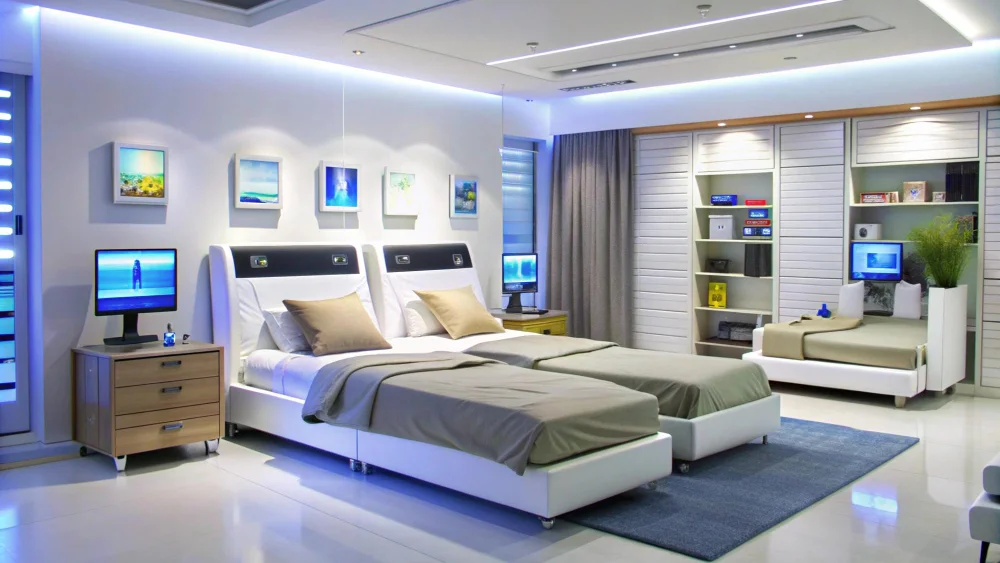
- Provides overall brightness across the space without overpowering specific zones
- Hall ceiling lighting design
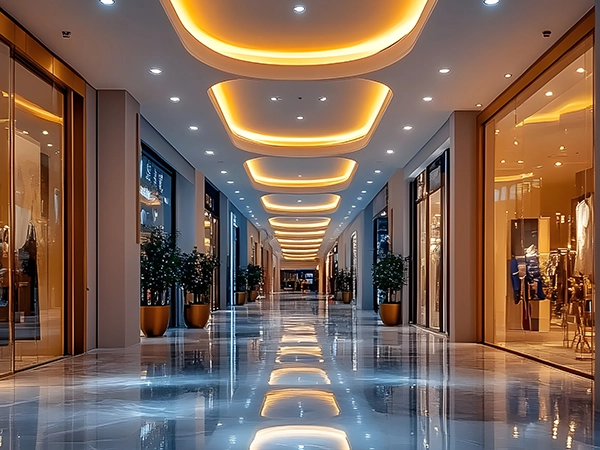
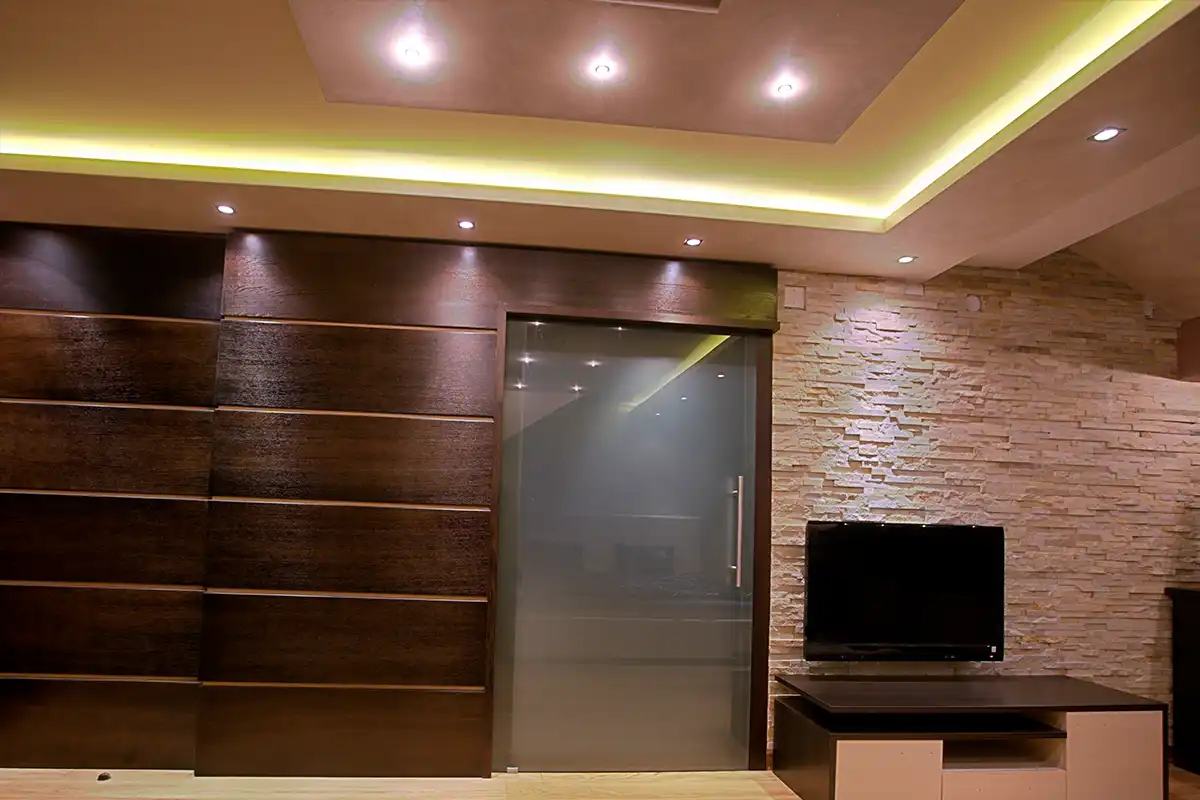
- Includes recessed or concealed lighting integrated into false ceiling layouts
- Decorative hall lighting setup
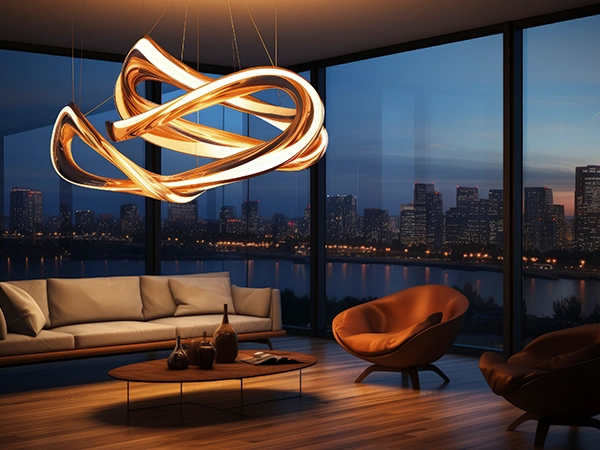
- Adds visual interest through feature lights or accent fixtures
- Wall lighting for hall areas
- Creates side illumination and reduces reliance on overhead lights
- Accent lighting for living spaces
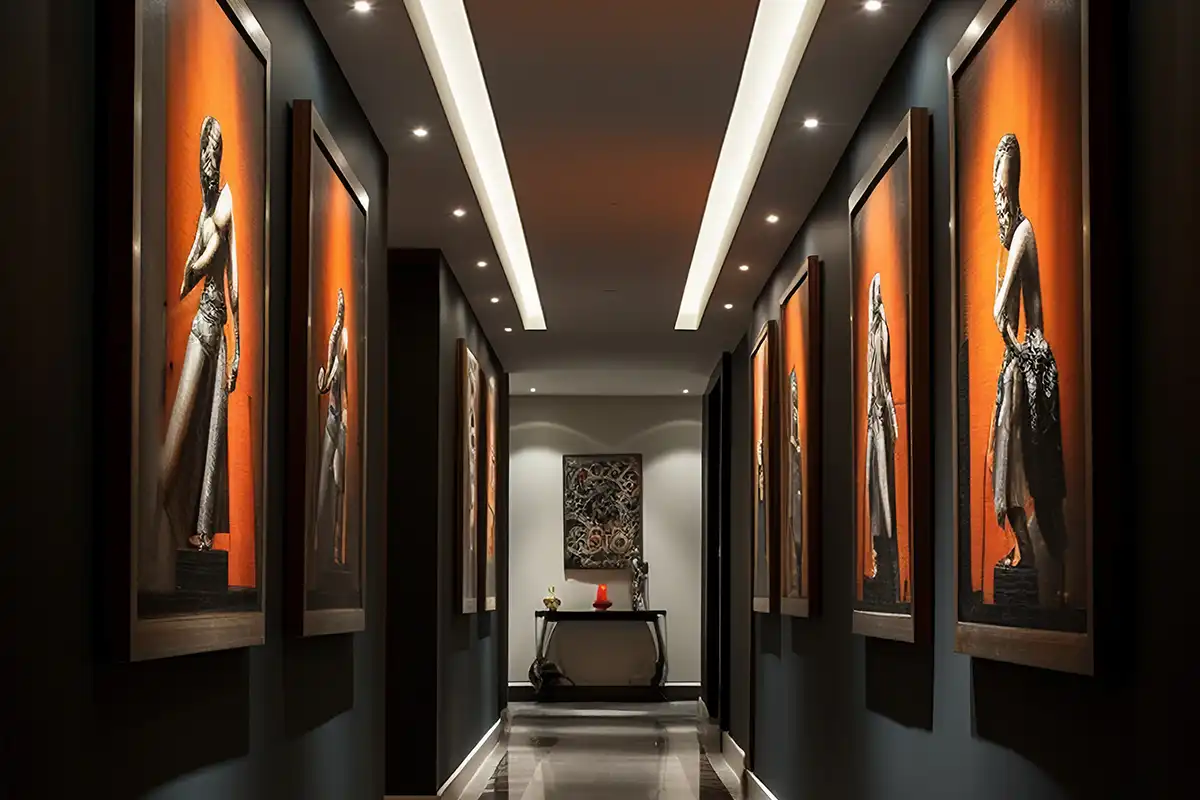
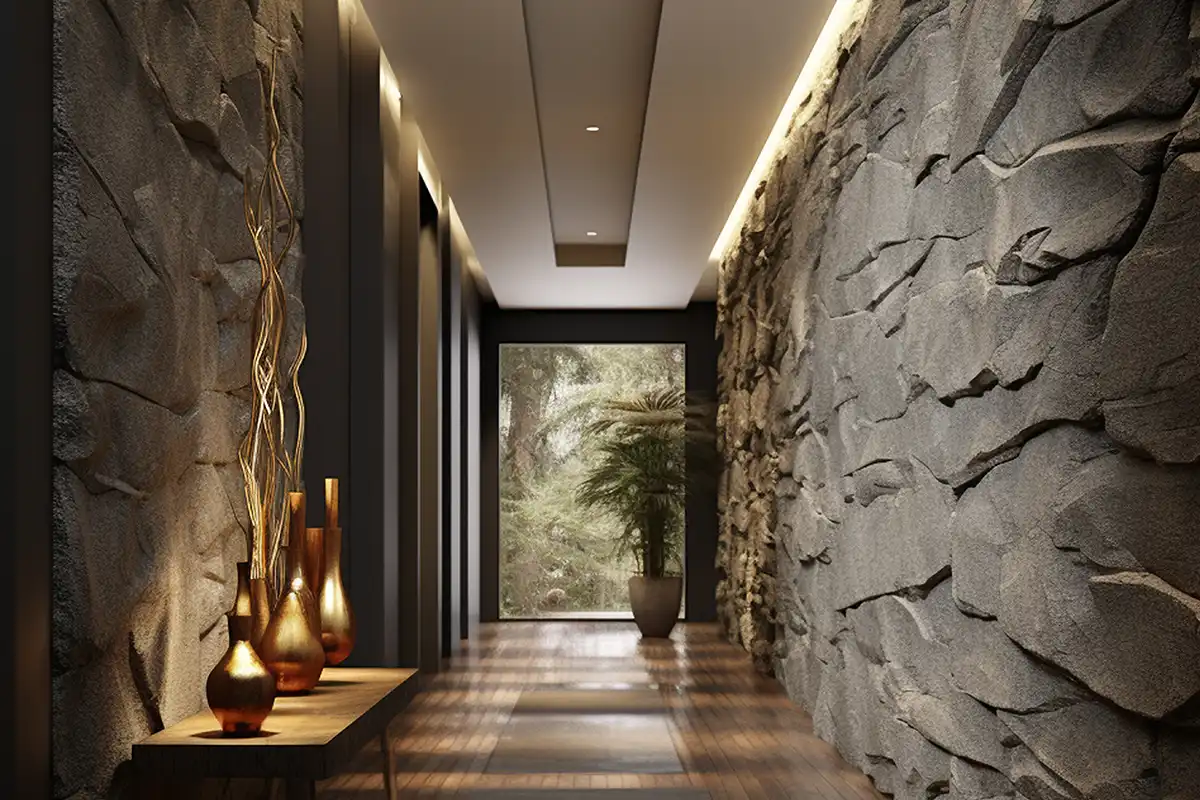
- Highlights textures, artwork, or architectural elements
Real-World Applications & Use Cases
In residential halls, lighting must adapt to multiple uses within the same space. In actual projects, a hall may function as a living room, entertainment area, and passage simultaneously.
A common issue appears when lighting is planned without considering furniture placement. This leads to situations where seating areas remain dim while circulation areas are overly bright.
In open-plan layouts, hall lighting must coordinate with adjacent dining or kitchen areas. Without proper zoning, lighting feels disconnected and affects the overall experience.
When Hall Lighting Design & Installation Becomes Necessary
This service becomes relevant during new home construction or interior renovation where lighting needs to align with layout changes.
It is also required when existing lighting fails to support multiple usage patterns. This usually happens when only ceiling lights are installed without layered planning.
In many cases, decorative lights are added later without integration, leading to imbalance. A structured approach resolves this by aligning all lighting layers together.
Environments & Project Conditions This Service Fits
Hall lighting design and installation is suitable for:
- Residential apartments
- Independent villas
- Luxury living spaces
- Open-plan interiors
From an execution point of view, ceiling design, wiring routes, and interior finishes influence how lighting is installed. In renovation projects, working around existing structures requires careful adjustment.
Project Execution Process for Hall Lighting Design & Installation
Hall Lighting Design & Installation is executed through a structured process that ensures alignment between layout, functionality, and lighting performance. It begins with spatial analysis, followed by system selection, procurement, on-site installation, and final calibration.
The process starts by studying room dimensions, furniture layout, and usage patterns. This defines lighting zones and fixture placement.
Next, lighting systems are selected based on brightness levels, control options, and compatibility with interior elements. Procurement ensures all components match the design plan.
Installation is carried out on-site, including mounting fixtures, completing wiring, and integrating control systems.
Final adjustments ensure proper illumination levels, eliminate glare, and balance lighting across the entire hall.
Technical & Safety Considerations
Lighting in hall spaces must avoid glare, especially in seating areas where users spend extended time. Poor fixture placement can cause direct light exposure.
Electrical load distribution is another important factor, particularly when multiple lighting systems are used together.
Control systems also play a role in usability, allowing users to adjust lighting levels based on different activities.
Common Problems & Risks in Lighting Installation
A frequent issue is uneven lighting caused by incorrect fixture spacing. This results in bright spots and dark patches across the hall.
Another problem is overuse of decorative lighting without functional planning, leading to insufficient brightness.
In retrofit scenarios, mixing different lighting systems often creates inconsistencies in color temperature and intensity.
How to Choose the Right Lighting Setup
Choosing the right hall lighting setup depends on room size, layout, and how the space is used daily. The goal is to create a balanced environment that supports both comfort and functionality.
Layered lighting systems are generally preferred, combining ambient, task, and accent lighting. This avoids dependence on a single lighting source.
From an execution perspective, compatibility with ceiling design and electrical systems is critical. Poor alignment often leads to rework or compromised results.
Pricing Factors
The cost of Hall Lighting Design & Installation depends on layout complexity, number of lighting layers, and installation conditions.
Ceiling-integrated systems often require more coordination with interior work, increasing effort and time.
Customization also impacts cost, especially when lighting is integrated with design elements like false ceilings or wall panels.
For international projects, logistics and on-site coordination influence overall pricing.
Why Choose This Service
This service ensures hall lighting is executed as a complete project rather than separate tasks handled by different teams.
By managing design, procurement, and installation together, it avoids coordination gaps that often lead to poor results. This approach ensures lighting performs correctly in real residential conditions.
To understand execution capability and project approach, visit our About Us page.
Service Coverage
VS Wilson operates from the UAE, covering projects across Dubai and Abu Dhabi. Execution extends to the Middle East, USA, and Europe through on-site deployment.
Projects are handled through traveling teams who manage installation and commissioning at the client location, ensuring consistent execution quality.
Common Buyer Concerns Before Hiring
Buyers often question whether lighting will align with furniture placement and interior design.
Another concern is installation quality, especially in finished interiors where changes are difficult.
There is also concern about long-term maintenance and whether lighting systems will remain consistent over time.
FAQs
1. What is hall lighting design and installation?
It involves planning and executing lighting systems within living spaces, combining different lighting layers to support functionality and comfort. The process includes layout design, system selection, installation, and final calibration.
2. What type of lighting is best for halls?
A combination of ambient, wall, and accent lighting works best. This layered approach allows flexibility for different activities and avoids harsh lighting conditions.
3. Can hall lighting be upgraded without renovation?
Yes, but it depends on existing wiring and ceiling conditions. In many cases, adjustments are required to integrate new lighting systems effectively.
4. How do you avoid uneven lighting in halls?
Proper fixture spacing and layout planning are key. This usually involves mapping lighting zones instead of relying on a single lighting source.
5. Do you handle international projects?
Yes, projects are executed across the Middle East, USA, and Europe through on-site deployment and coordinated installation.
6. How long does installation take?
Timeline depends on project complexity, room size, and whether installation is part of a new build or renovation.
Discuss Your Project
If you are planning hall lighting for a new space or upgrading an existing setup, early-stage planning helps avoid layout conflicts and installation challenges. VS Wilson supports complete execution across UAE and international locations, including on-site deployment and coordination.
You can discuss your layout, lighting requirements, and execution planning through our Contact page.
Image Gallery