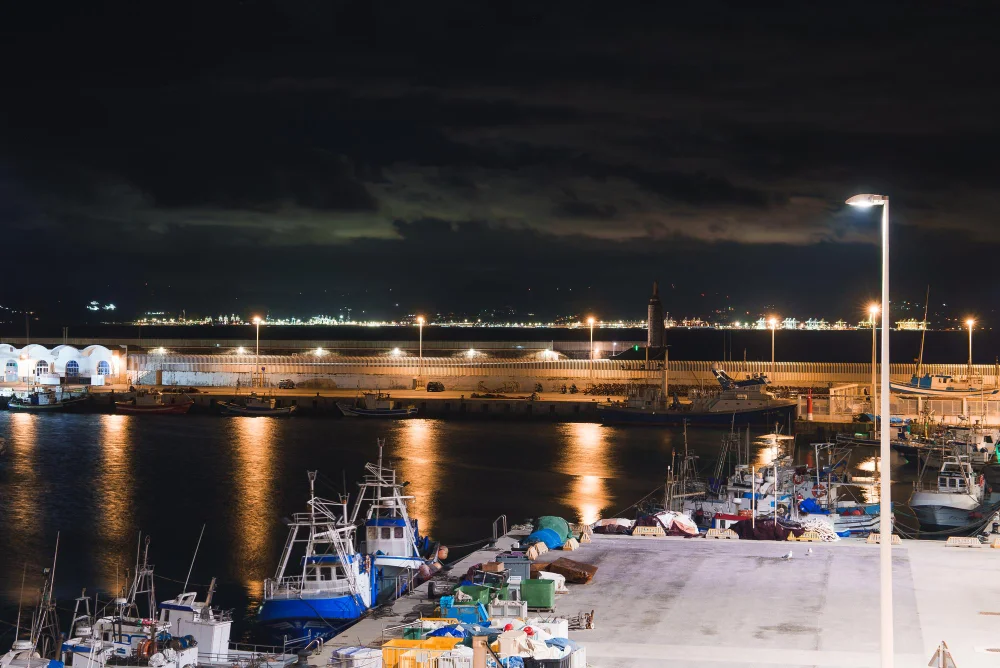
Loading Area Lighting
Loading area lighting refers to a fully executed lighting system designed for docking, unloading, and logistics movement zones, covering layout planning, fixture selection, procurement, installation, and final commissioning. VS Wilson delivers this as an EPC solution—handling design engineering, sourcing materials, on-site execution, and complete project delivery across UAE and international locations.
Scope of Loading Area Lighting Service
Loading area lighting involves far more than placing fixtures above a dock. From an execution point of view, the system must align with truck height variations, loading bay depth, and worker positioning. The service includes lighting calculations, fixture positioning strategy, procurement of industrial-grade luminaires, and on-site installation calibrated to real operational movement.
In actual logistics and industrial environments, lighting failures don’t just reduce visibility—they slow down loading cycles, increase handling errors, and create safety exposure. VS Wilson operates from the UAE with on-ground project deployment across the Middle East, USA, and Europe, managing everything from concept planning to final handover as a single execution partner.
Scope of Loading Area Lighting Service
Dock-level illumination aligned with vehicle entry positions
Fixtures selected based on loading height and shadow zones
Electrical routing planned with structural and operational layout
Prevents later-stage clashes with conveyors and equipment
Weather-resistant installation for exposed loading environments
Ensures consistent performance under dust, moisture, and vibration
On-site alignment with real loading movement patterns
Adjustments made after observing actual operational flow
Loading area lighting involves far more than placing fixtures above a dock. From an execution point of view, the system must align with truck height variations, loading bay depth, and worker positioning. The service includes lighting calculations, fixture positioning strategy, procurement of industrial-grade luminaires, and on-site installation calibrated to real operational movement.
Unlike fragmented approaches where design and installation are handled separately, this EPC model ensures that what is planned actually performs on-site without mismatch.
Types of Loading Area Lighting Solutions Offered
High Mast Loading Area Lighting
Used in large logistics yards where wide coverage is required without excessive pole clutter
Canopy Mounted Loading Bay Light
Installed above loading docks to eliminate shadows during truck alignment
Wall Mounted Dock Lighting
Positioned strategically to provide angled illumination into truck interiors
Recessed Dock Entry Lighting
Integrated within dock structures to maintain clearance and avoid fixture damage
Adjustable Beam Industrial Fixtures
Used where loading conditions change frequently and require directional control
Unloading Area Lighting
Unloading area lighting represents a closely related search intent where users focus on the receiving side of logistics operations, but the requirement still falls under the same loading area lighting execution scope.
In real projects, unloading zones often face different challenges—goods are inspected, counted, and moved inward. This requires controlled brightness without harsh glare. The lighting setup here must support visual accuracy rather than just visibility.
VS Wilson handles both loading and unloading zones within one coordinated system. Instead of treating them separately, the design accounts for directional light distribution, minimizing eye strain during inspection tasks and avoiding shadow formation caused by stacked goods.
Loading Bay Light
The term Loading Bay Light is typically used when users are searching for fixture-level solutions, but in execution, it is only one component of the full loading area lighting system.
From a project standpoint, selecting the right loading bay light involves beam angle decisions, mounting height calculations, and glare management. A poorly selected fixture can create bright spots near the dock while leaving truck interiors underlit.
This is where full-service execution matters—VS Wilson integrates fixture selection into the broader lighting plan, ensuring uniform light distribution rather than isolated brightness.
Real-World Applications & Use Cases
In logistics hubs, loading area lighting directly affects turnaround time. When visibility is inconsistent, drivers misalign trucks, causing delays.
Manufacturing plants rely on these systems to support continuous dispatch cycles. Even a minor shadow zone can slow down forklift movement.
Retail distribution centers use loading area lighting to manage high-frequency unloading during peak hours, where accuracy matters more than intensity.
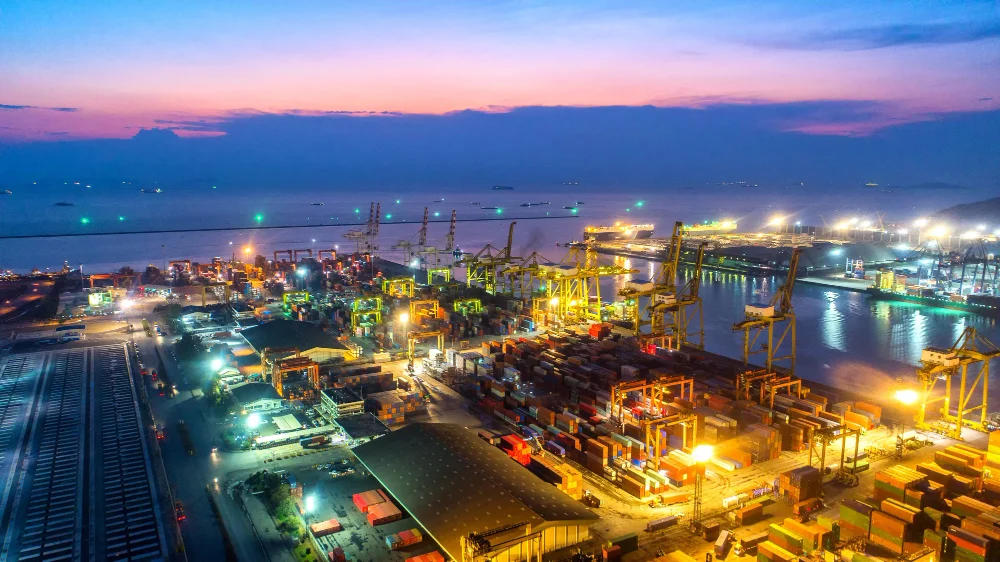
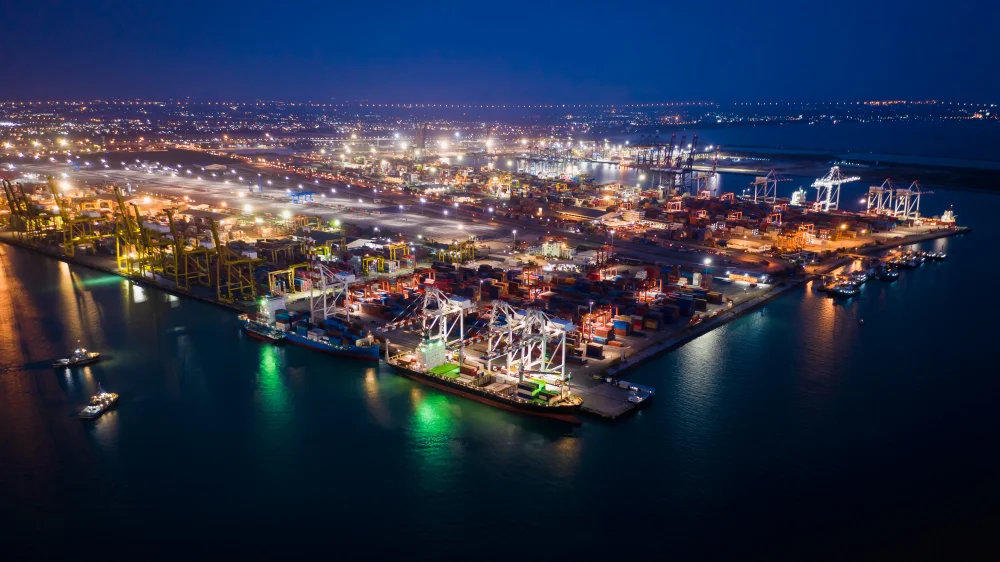
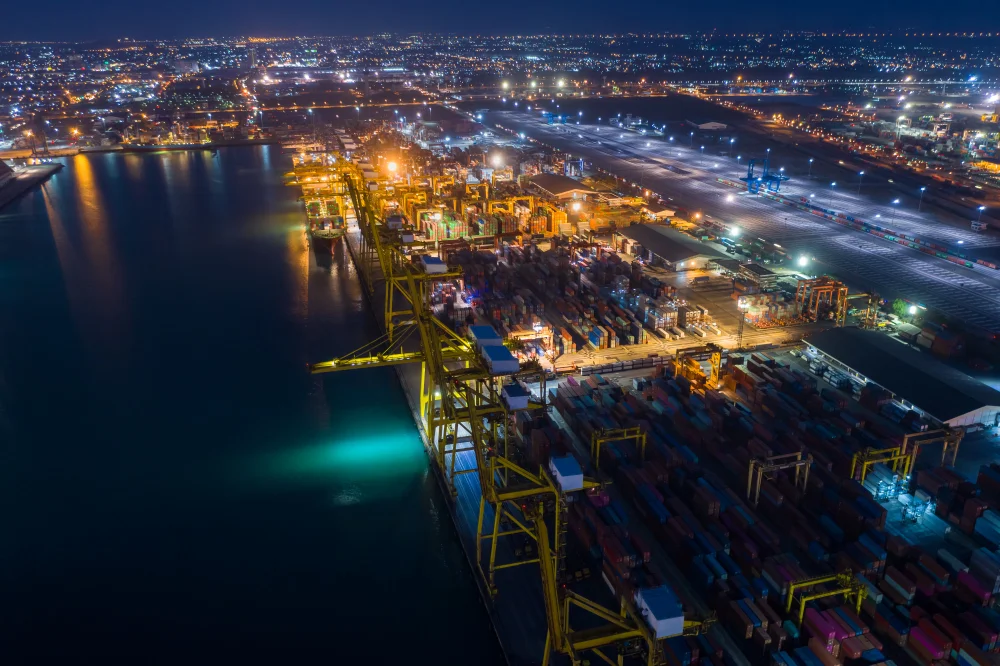
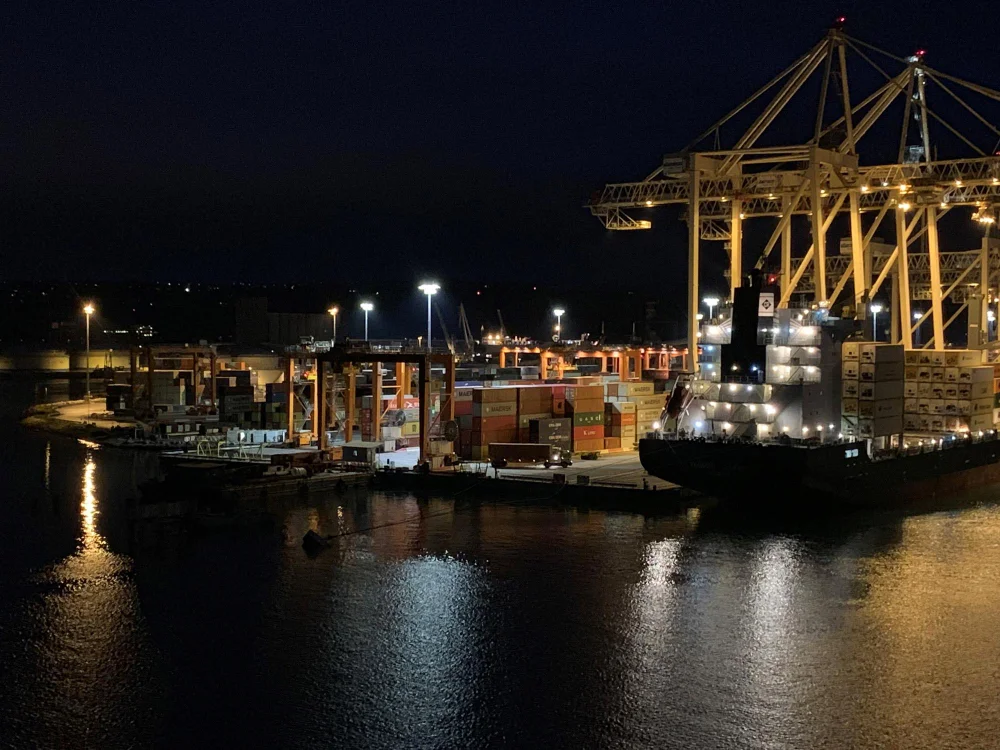
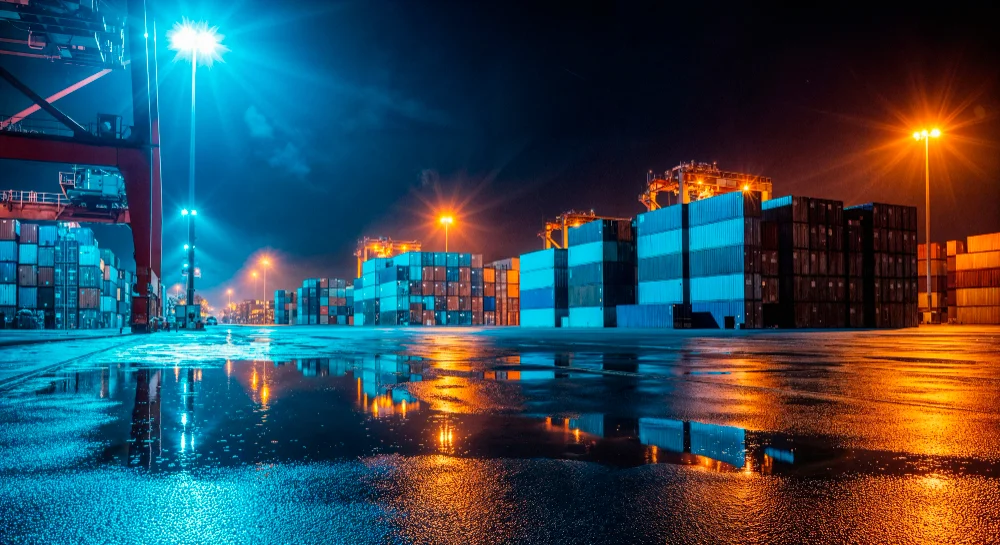
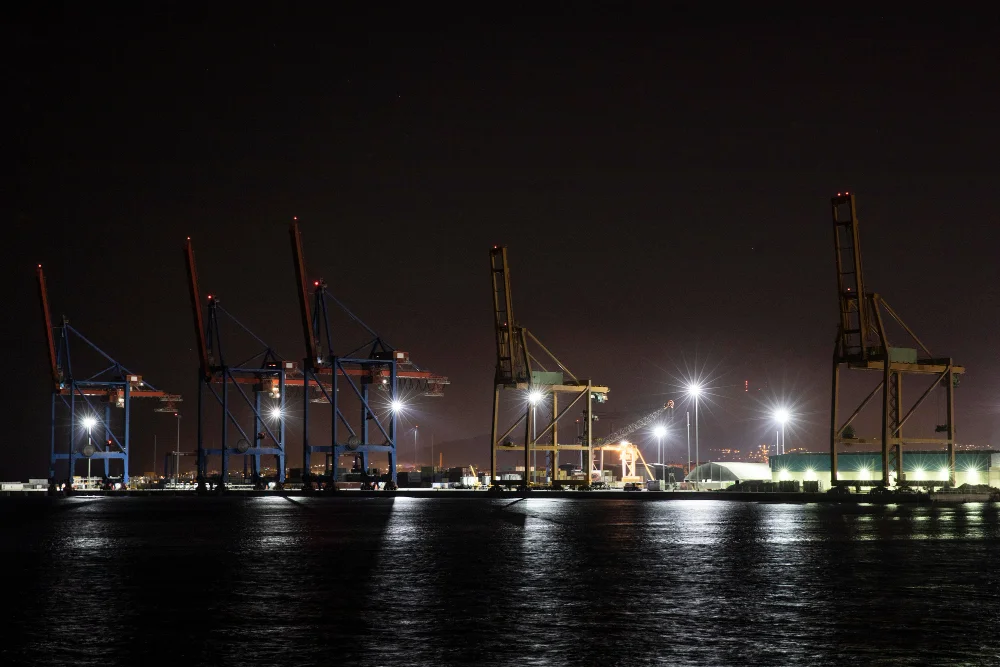
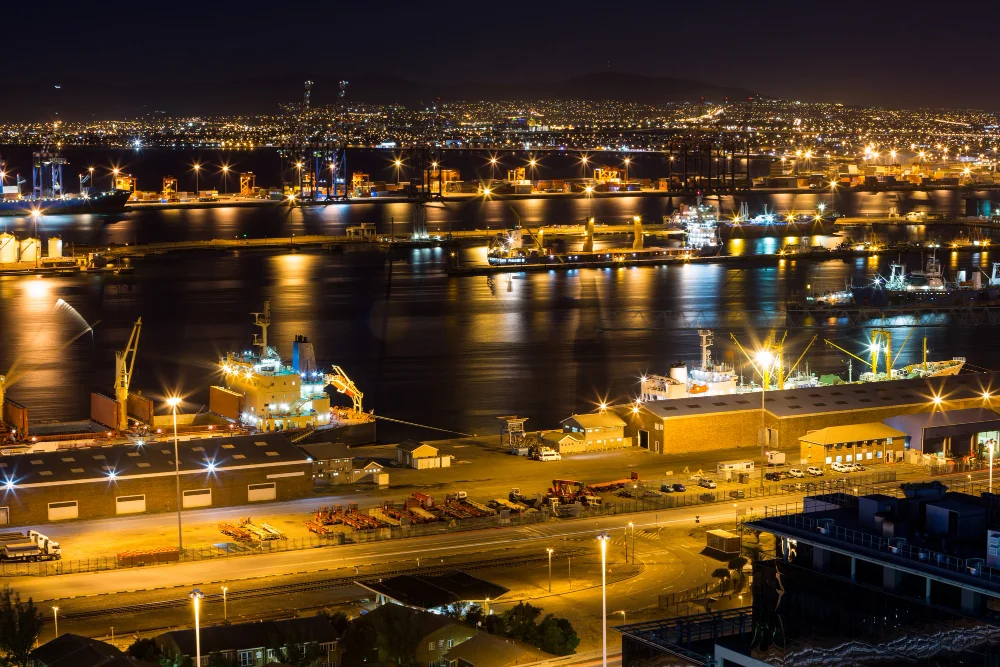
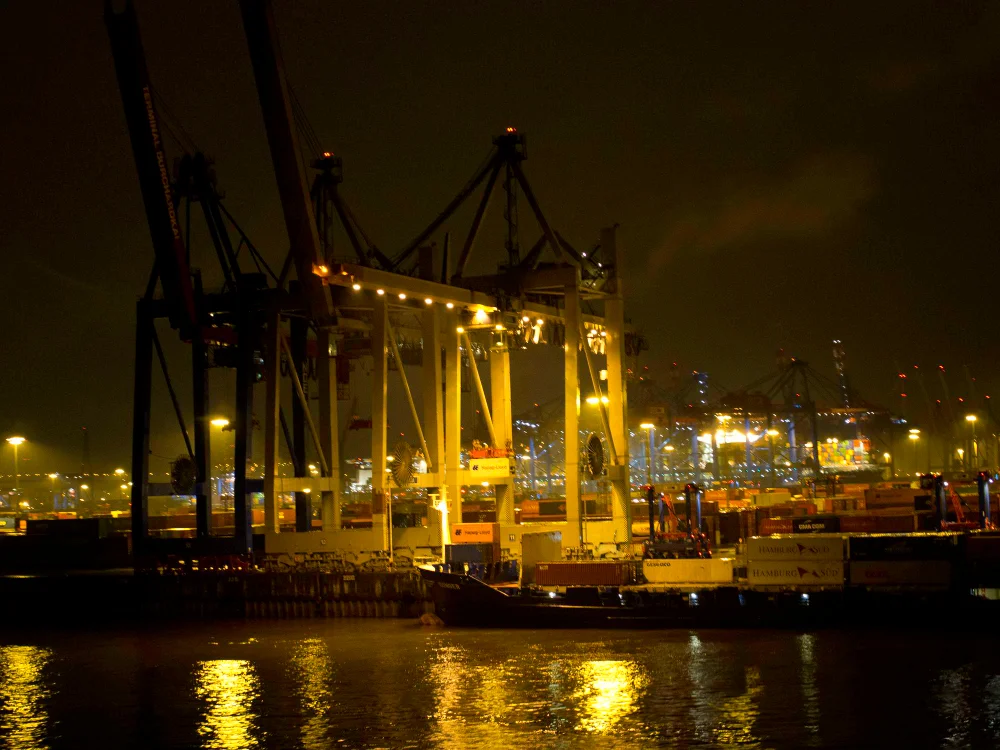
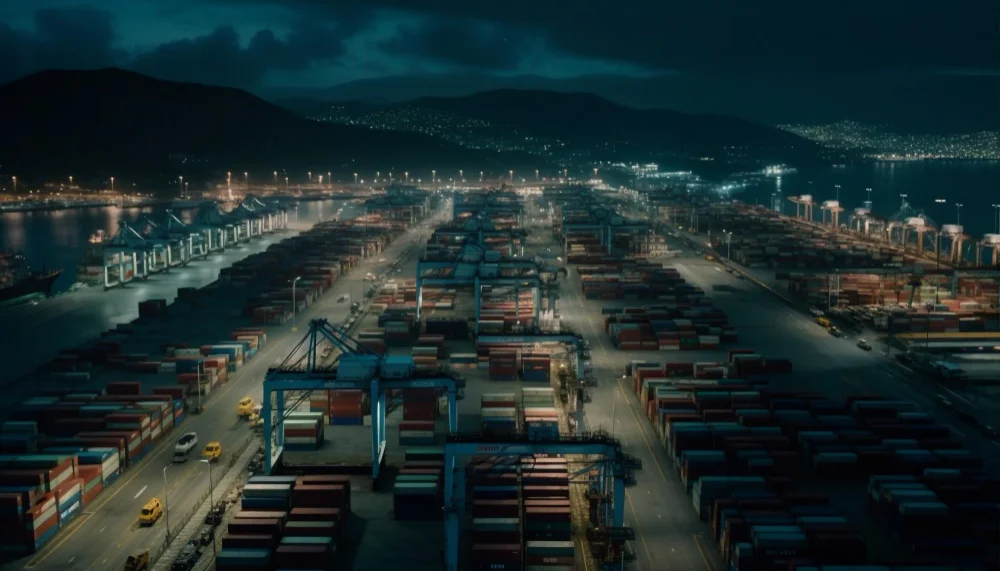
In port yards, lighting must handle large-scale movement under changing environmental conditions, which requires robust fixture planning rather than standard installations.
When Loading Area Lighting Becomes Necessary
This service becomes critical when operations extend into night shifts or low-light conditions.
It is also required when facilities notice increased loading errors, safety incidents, or delays caused by poor visibility.
In many cases, businesses upgrade lighting after expanding operations, where older setups fail to support increased activity levels.
Environments & Project Conditions This Service Fits
Loading docks exposed to outdoor conditions
Indoor warehouse loading zones with structural constraints
Cold storage facilities requiring moisture-resistant fixtures
High-traffic logistics centers with continuous vehicle movement
Each environment demands a different execution approach. For example, cold storage areas require fixtures that function reliably in low temperatures, while outdoor docks need protection against dust and water ingress.
Project Execution Process for Loading Area Lighting
Loading area lighting projects begin with on-site assessment, where actual loading patterns are studied instead of relying only on drawings.
The design phase involves calculating illumination levels based on dock depth, truck height, and operational flow. Fixture positioning is mapped to avoid shadow zones.
Procurement follows, where suitable industrial-grade lighting systems are sourced based on environmental and operational needs.
Installation is carried out on-site, ensuring alignment with structural elements. Final commissioning includes testing under real working conditions, not just static checks.
This complete lifecycle ensures that the system performs as intended in daily operations, not just on paper.
Technical & Safety Considerations
Lighting must be designed to avoid glare that affects drivers during reverse docking.
Electrical systems should be protected against vibration caused by heavy vehicle movement.
Fixture placement must consider obstruction from loading equipment.
Ignoring these factors often leads to frequent maintenance issues and operational disruptions.
Common Problems & Risks in Loading Area Lighting Installation
One of the most common issues is uneven lighting distribution, where certain zones remain underlit despite high fixture output.
Another frequent problem is incorrect mounting height, leading to glare or ineffective coverage.
Projects handled without coordination between design and installation often result in misaligned fixtures that fail to support actual loading operations.
These are not design mistakes alone—they are execution gaps.
How to Choose the Right Loading Area Lighting Setup
The right setup depends on how loading actually happens on-site, not just the size of the area.
If trucks vary in height, adjustable lighting becomes necessary.
If operations involve inspection or sorting, lighting must support visual clarity rather than just brightness.
From a decision perspective, choosing a provider who handles both design and execution reduces the risk of mismatch between plan and performance.
For insight into execution capability and project handling approach, you can review the About Us page.
Pricing Factors for Loading Area Lighting
Pricing is influenced by fixture type, mounting structure, and environmental conditions.
Projects requiring corrosion-resistant materials or specialized fixtures naturally involve higher costs.
Another major factor is installation complexity—retrofit projects often cost more than new installations due to structural constraints.
Choosing a low-cost setup without proper planning often leads to repeated adjustments, increasing long-term expenditure.
Why Choose This Loading Area Lighting Service
This service is built around execution clarity rather than generic design output.
VS Wilson handles complete project delivery—from planning to installation—ensuring that lighting performs in real working conditions.
The ability to deploy teams internationally allows consistent execution standards across regions without relying on fragmented local coordination.
Service Coverage
VS Wilson operates from the UAE, delivering loading area lighting projects across Dubai, Abu Dhabi, and the wider region.
For international projects, teams are deployed on-site across the Middle East, USA, and Europe, ensuring direct execution rather than outsourced handling.
Common Buyer Concerns Before Hiring
Many buyers worry about whether the lighting will actually perform after installation.
Others are concerned about coordination between contractors, especially in large projects.
There is also hesitation around cost versus long-term reliability.
These concerns are valid—and they usually arise when projects are handled in disconnected stages instead of a unified execution model.
FAQs
1.How is loading area lighting different from general industrial lighting?
Loading area lighting focuses specifically on docking zones, where visibility must support movement, alignment, and handling. Unlike general lighting, it requires directional planning to eliminate shadows inside trucks and around loading equipment.
2.Can this service include both loading and unloading areas?
Yes, both zones are handled within the same system. The lighting design is adjusted based on activity—loading requires alignment visibility, while unloading often needs inspection-friendly lighting.
3.Do you handle international projects?
Yes, VS Wilson deploys teams from the UAE to execute projects across the Middle East, USA, and Europe, ensuring consistent delivery standards.
4.What is included in the execution scope?
The service includes design planning, fixture procurement, on-site installation, and final commissioning as a complete EPC solution.
5.How long does a typical project take?
Timelines depend on project scale and site conditions. Smaller facilities may take a few weeks, while large logistics hubs require phased execution.
6.What happens if lighting is poorly installed?
Improper installation can lead to glare, shadow zones, and operational delays, often requiring rework that increases overall cost.
Discuss Your Project
If your facility involves active loading operations, the lighting system needs to match real working conditions—not just design assumptions. VS Wilson works as a complete execution partner, planning, sourcing, and installing systems across UAE and international sites.
You can outline your project requirements, site constraints, or upgrade plans through the Contact page to initiate a detailed execution discussion.
Image Gallery
Related Services