Waiting Area Lighting Design & Consultancy
Waiting Area Lighting Design & Consultancy involves planning, selecting, and executing lighting systems for spaces where users spend time before service or entry. It is delivered through an EPC approach where design planning, procurement, and on-site execution are handled as a single workflow.


What This Service Includes
This service covers planning, material selection, and execution for waiting area lighting systems. It begins with analyzing how users interact within the space, followed by layout design that ensures visual comfort. Procurement focuses on durability and compatibility with interiors, while installation is handled on-site with adjustments based on actual structural conditions.
VS Wilson operates from the UAE and executes projects across the Middle East, USA, and Europe through on-site deployment. The service covers full lifecycle delivery, from concept planning to final commissioning, ensuring lighting aligns with real usage patterns in reception and waiting environments.


What This Service Includes
Seating-focused lighting layout for visual comfort
Design considers eye level positioning to avoid glare for seated users across waiting zones.
Fixture selection based on interior usage patterns
Materials are chosen based on operating hours, maintenance access, and integration with ceiling systems.
Lux level planning for balanced ambient lighting
Brightness is calibrated to avoid harsh contrast while maintaining visibility across the entire space.
On-site execution aligned with architectural finishes
Installation adapts to ceiling types, wall materials, and existing electrical routing conditions.
This service covers planning, material selection, and execution for waiting area lighting systems. It begins with analyzing how users interact within the space, followed by layout design that ensures visual comfort. Procurement focuses on durability and compatibility with interiors, while installation is handled on-site with adjustments based on actual structural conditions.
Types of Lighting Solutions Offered
Reception Desk Lighting
Focused lighting at service counters to maintain visibility without creating discomfort for staff or visitors.
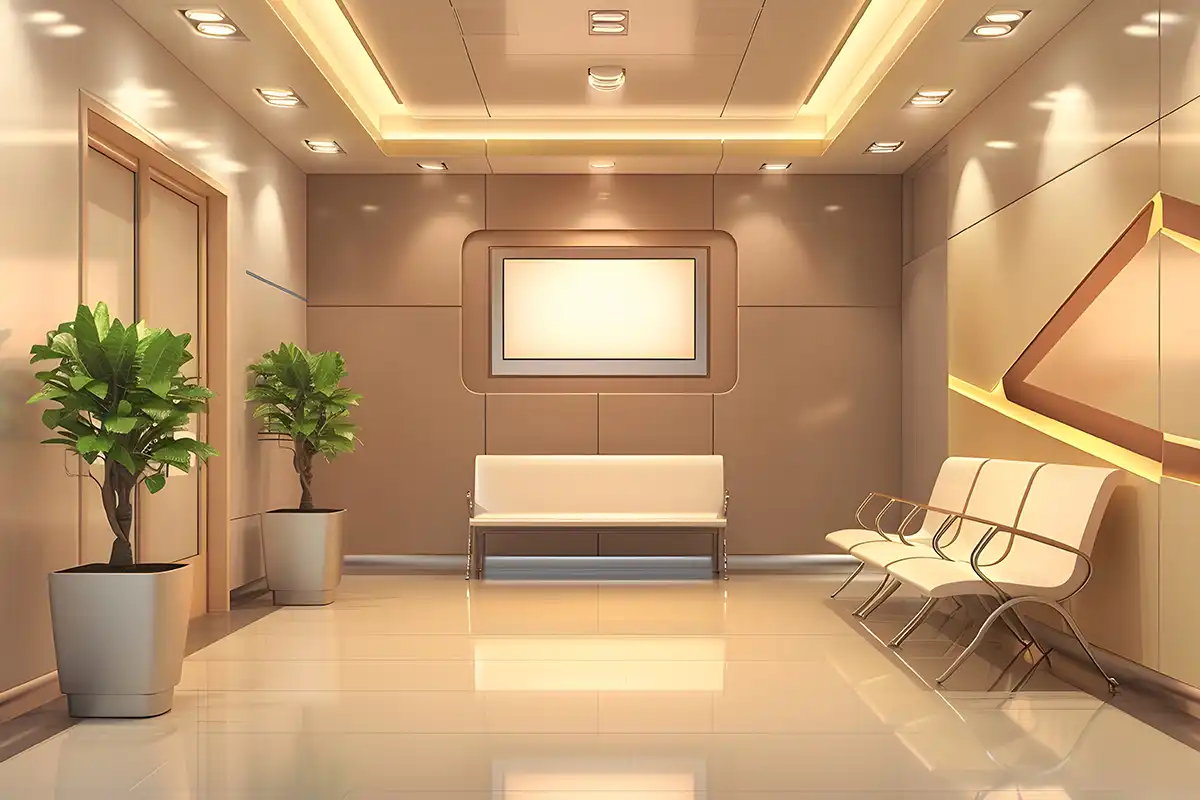
Ambient Ceiling Lighting
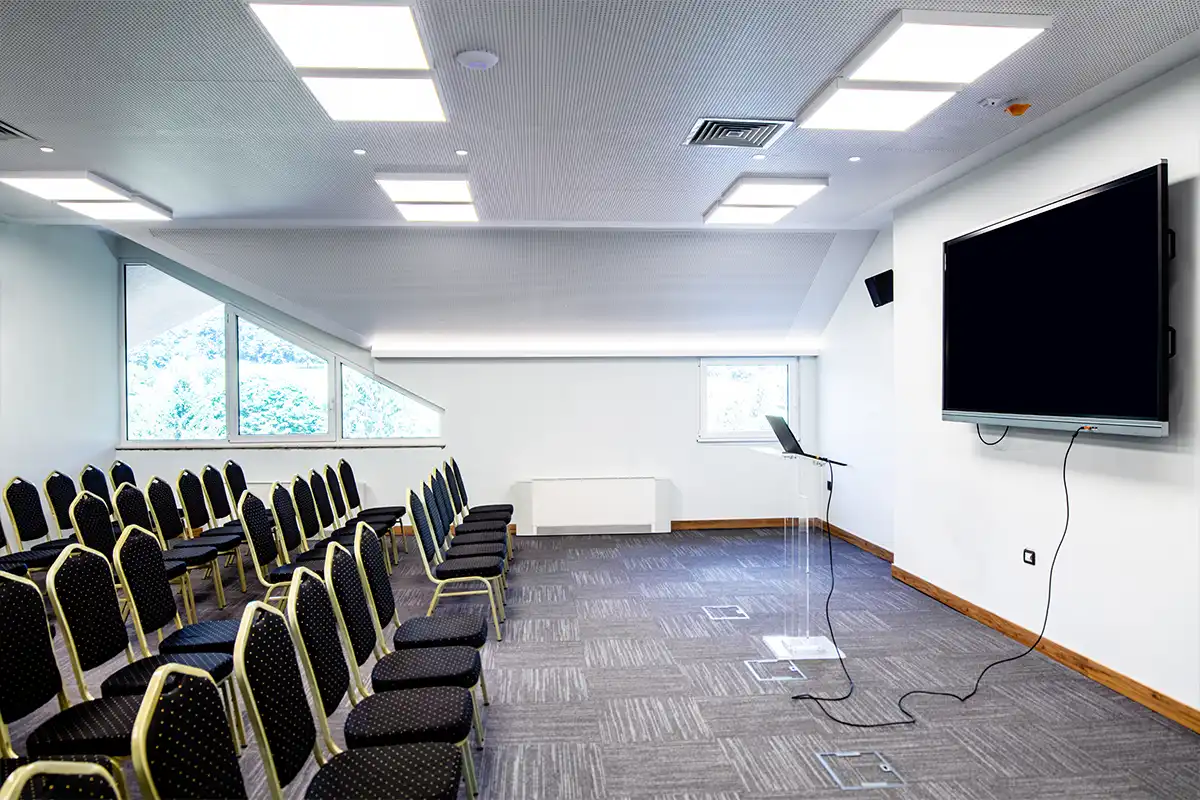
Provides uniform illumination across waiting areas without creating strong shadows or dark zones.
Accent Lighting for Interior Features
Highlights architectural elements or branding within waiting spaces without overpowering the environment.
Wall-Wash Lighting
Used to distribute light evenly across vertical surfaces, reducing contrast within enclosed spaces.
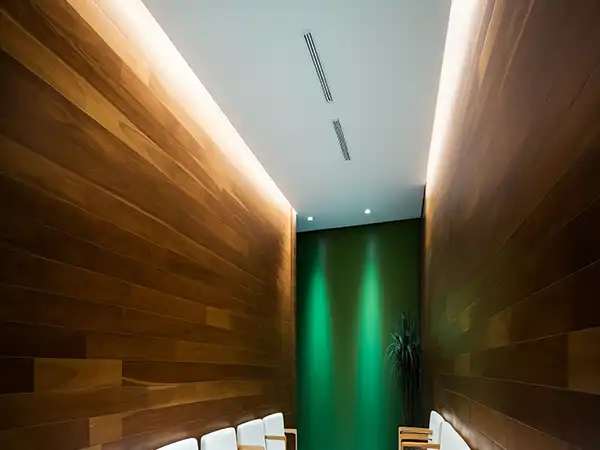
Indirect Cove Lighting
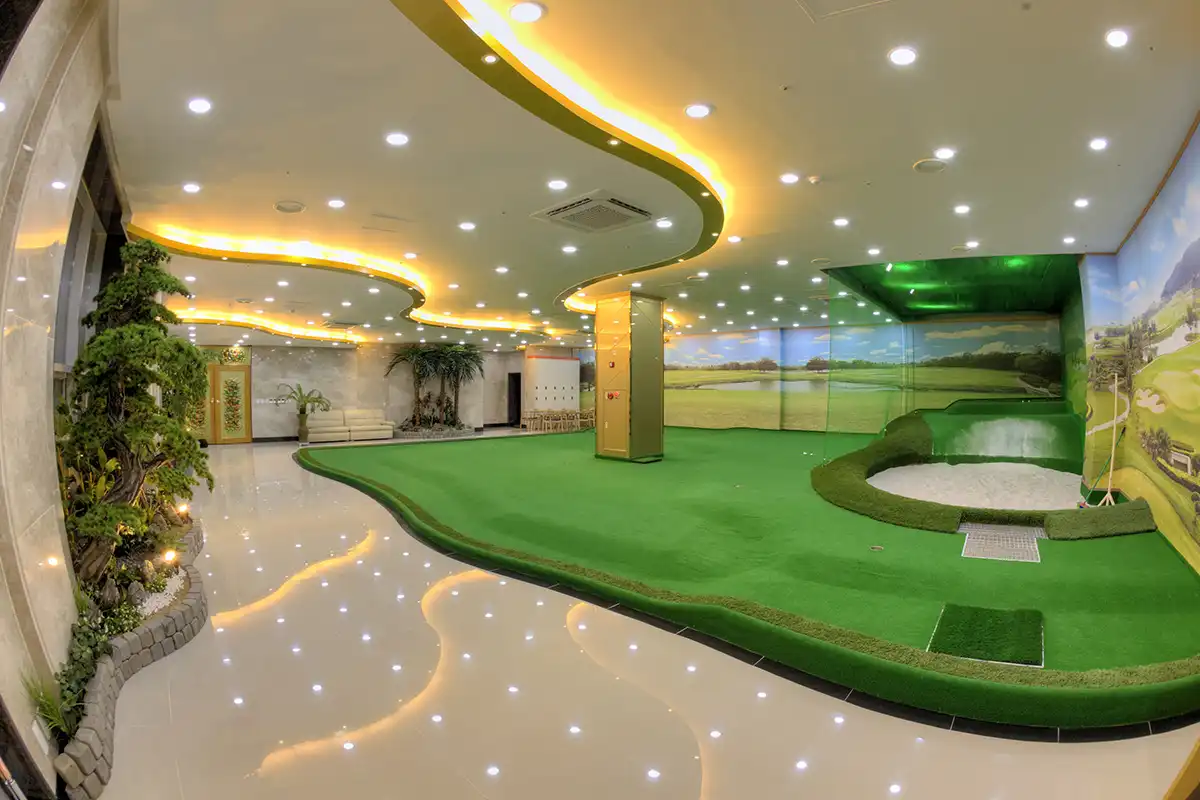
Creates soft illumination in waiting zones where direct lighting may feel too harsh.
Real-World Applications & Use Cases
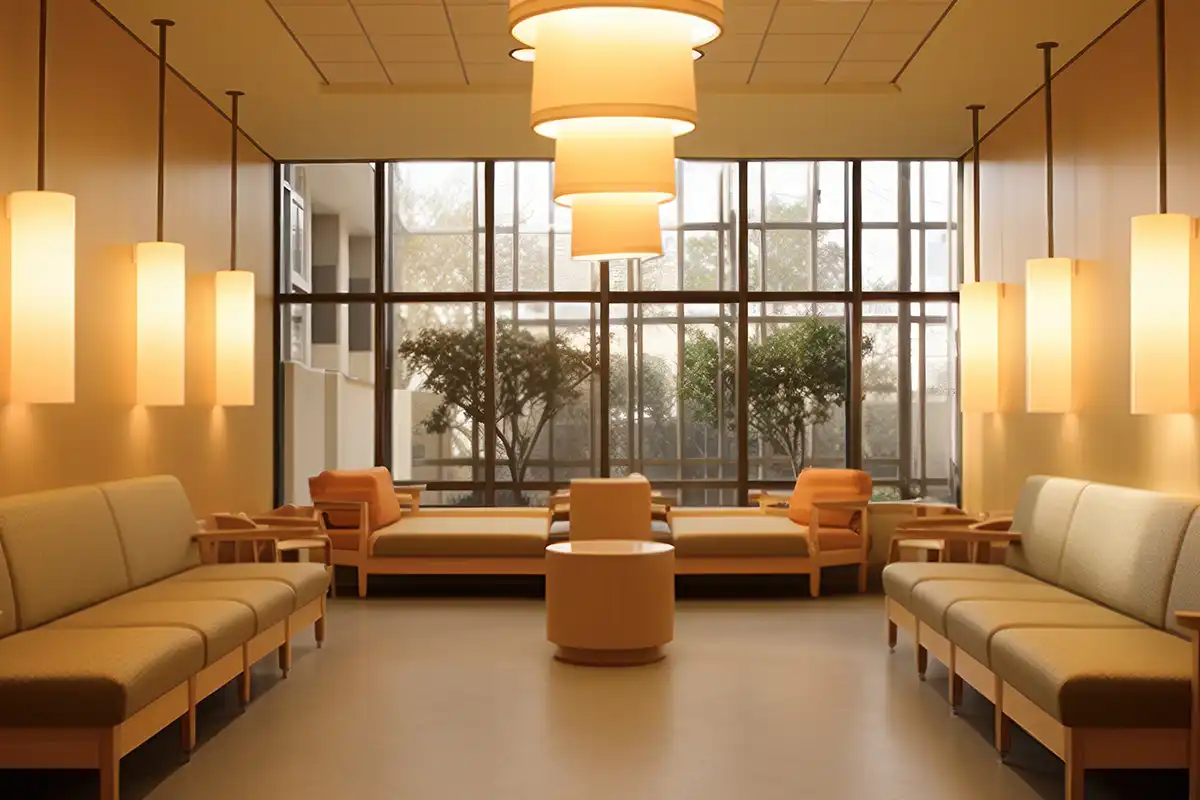
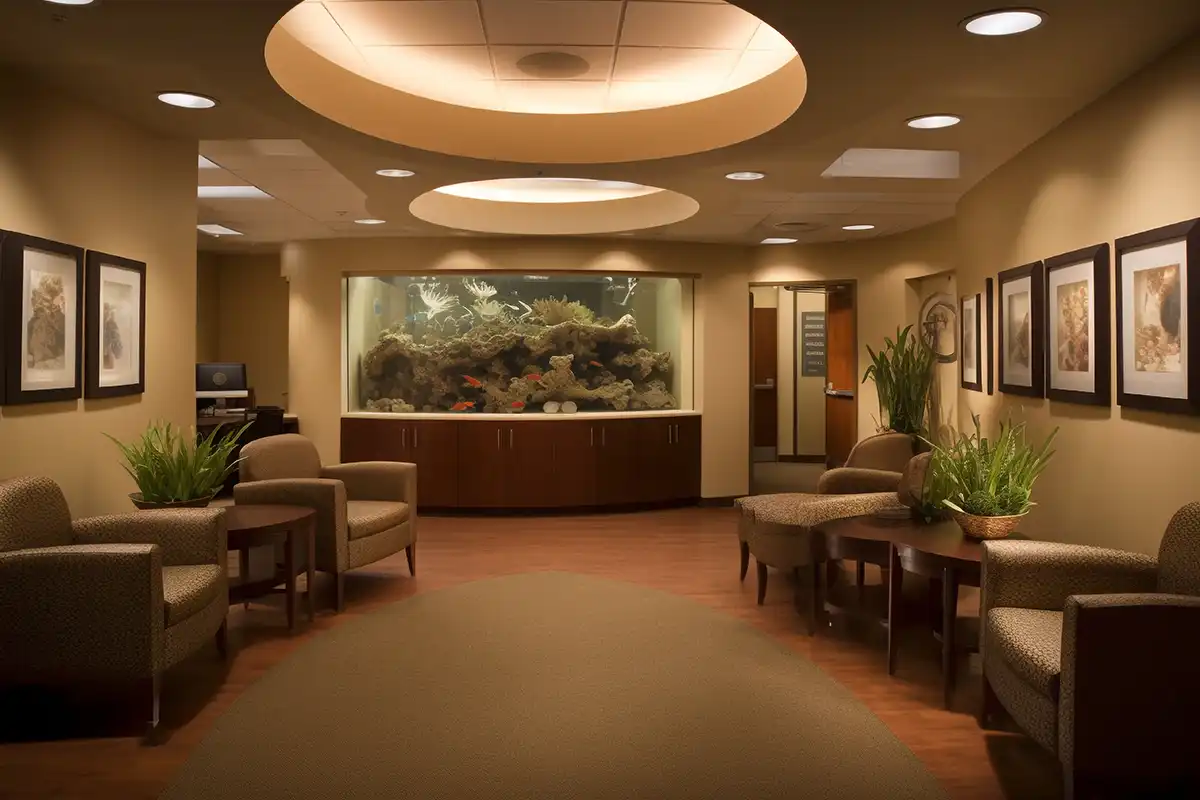
In healthcare facilities, waiting areas require calm and balanced lighting to reduce discomfort during longer waiting periods. Poor lighting often leads to visual strain and unease.
In corporate offices, reception and waiting areas act as first interaction zones. Lighting must support both functionality and visual consistency with the brand environment.
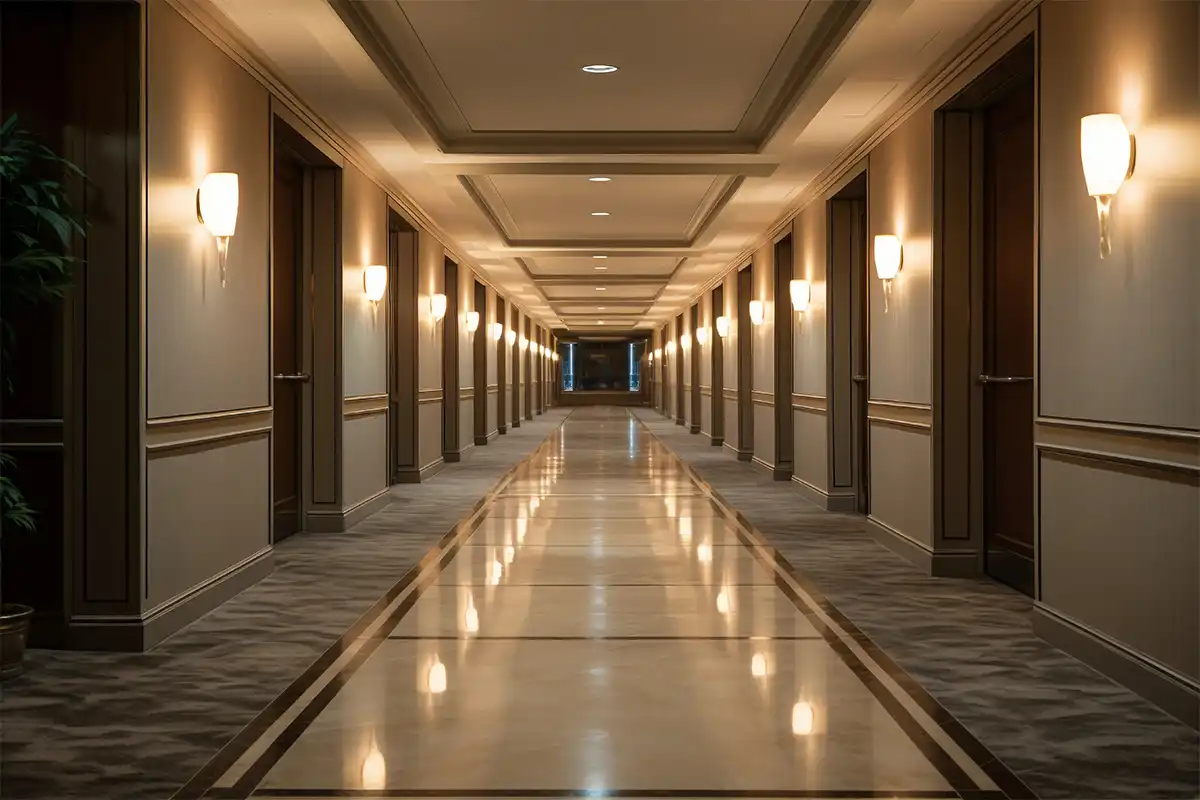
Hospitality environments such as hotels use waiting areas as transitional spaces, where lighting must guide movement without abrupt brightness changes.
When This Service Becomes Necessary
This service becomes important when waiting areas are designed to handle high footfall or extended occupancy. It is also required when existing lighting creates discomfort, glare, or uneven brightness.
In many projects, the need arises when users report visual discomfort or when the space fails to create a consistent experience across different zones.
Environments & Project Conditions This Service Fits
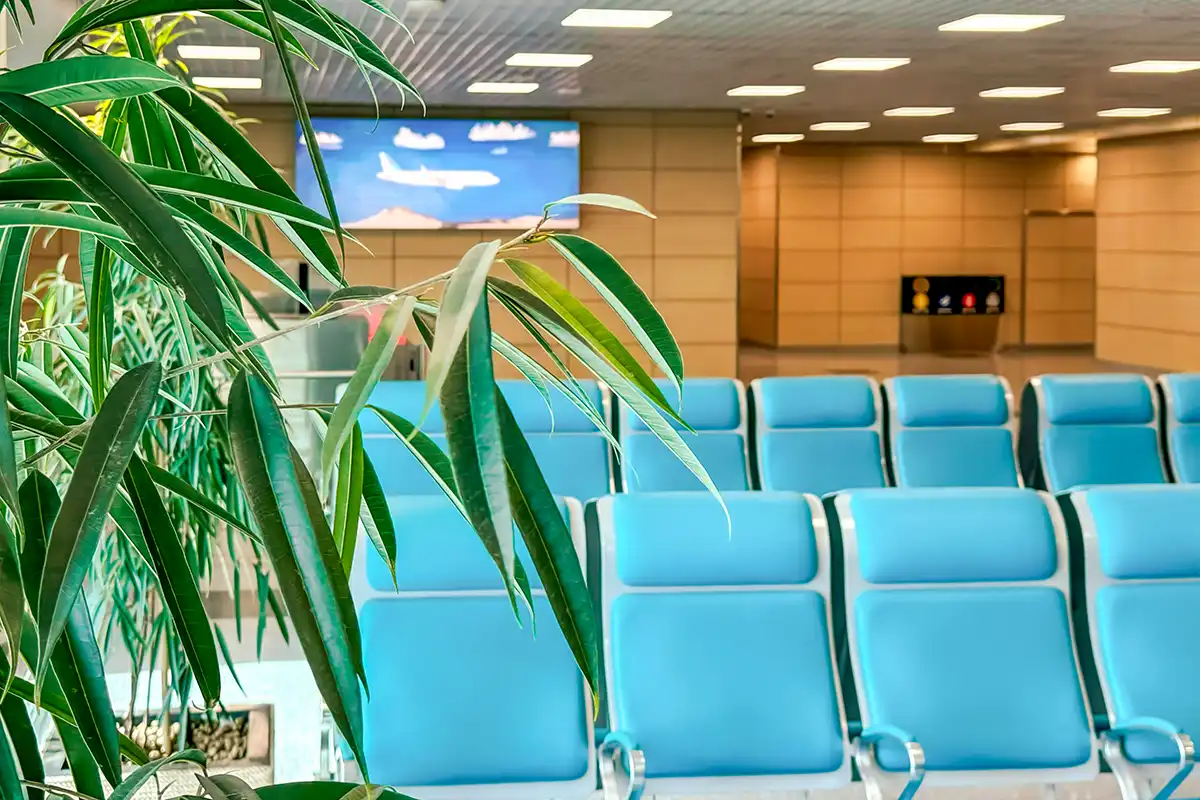
Waiting area lighting is relevant in hospitals, offices, hotels, airports, and commercial buildings. Each environment has specific requirements based on user behavior.
Indoor conditions such as ceiling height, wall finishes, and natural light availability significantly influence design decisions. In real projects, these factors often require adjustments during execution.
Project Execution Process
Waiting area lighting projects are executed through a connected workflow where design, procurement, and installation are handled together. This avoids inconsistencies between planning and final output.
The process starts with understanding user behavior and space usage. Lighting layouts are developed with attention to seating positions, movement paths, and visual comfort.
Material procurement focuses on fixtures that align with interior conditions and maintenance requirements. Installation is carried out on-site, often requiring adjustments due to ceiling structures and wiring constraints.
Final testing ensures consistent lighting distribution, proper functioning of control systems, and elimination of glare zones.
Technical & Safety Considerations
Lighting must maintain visual comfort for users who are often seated for extended periods. This requires careful control of brightness and avoidance of direct glare.
Control systems may be used to adjust lighting levels based on time of day or occupancy. However, incorrect configuration can lead to inconsistent lighting conditions.
Fixture placement must also consider emergency visibility requirements, ensuring safe movement within the space.
Common Problems & Risks in Lighting Installation
Uneven lighting is a common issue, especially in large waiting areas where fixture placement is not properly planned.
Glare is another frequent problem, particularly when lights are positioned directly above seating areas.
There are also coordination challenges between design and installation teams. When these are handled separately, the final output often differs from the intended design.
These issues often lead to rework and increased costs.
How to Choose the Right Lighting Setup
Choosing the right setup depends on how the waiting area is used. Seating arrangement, duration of stay, and user flow all influence lighting decisions.
Fixture selection should consider both comfort and maintenance. In many interiors, accessing fixtures for replacement can be difficult, increasing long-term costs.
Control systems should be selected based on usage patterns. For example, adjustable lighting may be required in spaces with varying occupancy levels.
To understand execution capability and project handling approach, visit our About Us page.
Pricing Factors
Pricing depends on the size of the waiting area, type of fixtures used, and complexity of the design. Larger spaces require more fixtures and detailed planning.
Fixture quality impacts cost significantly. Higher durability fixtures may cost more initially but reduce maintenance expenses over time.
Installation complexity also affects pricing. Factors such as ceiling type, wiring constraints, and integration with existing systems can increase execution time.
Projects without proper planning often face higher costs due to rework and adjustments during installation.
Why Choose This Service
This service is structured to handle the complete lifecycle of waiting area lighting projects. It ensures alignment between design and execution, reducing the risk of inconsistencies.
The approach is based on real project conditions, with adjustments made during installation to match actual site requirements.
Execution is handled as a unified process, ensuring accountability and consistent results.
Service Coverage
The company operates from the UAE, executing projects across Dubai, Abu Dhabi, and surrounding regions.
International projects are handled through on-site deployment across the Middle East, USA, and Europe. Teams travel to the project location and execute the entire lighting system.
This ensures that design intent is maintained throughout the project lifecycle.
Common Buyer Concerns Before Hiring
Buyers often worry about whether lighting will create discomfort for users, especially in spaces where people remain seated for extended periods.
Maintenance is another concern, particularly in large interiors where fixture access can be difficult.
Cost control is also a key factor. Without proper planning, projects may exceed budget due to adjustments during installation.
Execution capability is often overlooked but plays a critical role in ensuring consistent results.
FAQs
1. What does waiting area lighting design and consultancy include?
It includes layout planning, lux calculation, fixture selection, and on-site execution. The service ensures that lighting is comfortable, evenly distributed, and aligned with how the space is used.
2. How is waiting area lighting different from general interior lighting?
Waiting area lighting focuses on user comfort during extended stays, requiring controlled brightness and minimal glare compared to general lighting setups.
3. Can this service be executed internationally?
Yes, projects are executed on-site across the Middle East, USA, and Europe, with full lifecycle delivery from planning to installation.
4. What are common issues in waiting area lighting?
Common issues include glare, uneven lighting, and poor fixture placement, which can lead to discomfort and reduced usability.
5. How are lighting levels determined?
Lighting levels are calculated based on seating arrangement, user behavior, and safety requirements to ensure consistent visibility.
6. Is LED lighting suitable for waiting areas?
LED lighting is commonly used due to its efficiency and ability to provide controlled brightness levels suitable for indoor environments.
7. How long does installation take?
Project timelines depend on the size and complexity of the space. Larger or more detailed projects require additional planning and execution time.
Discuss Your Project
Waiting areas often look simple but require careful planning to avoid glare, uneven lighting, or maintenance issues later. Each project has different usage patterns and interior constraints that influence the final outcome.
You can discuss your project requirements, layout challenges, and execution planning to understand how the lighting system will be implemented across your space, including international deployment if required.Discuss our project through Contact us page.
Image Gallery