Hazardous Lighting
Hazardous Lighting refers to the complete design, engineering, procurement, and installation of lighting systems built for environments with explosion or fire risk. It includes hazard classification, fixture selection, wiring strategy, and controlled installation aligned with safety zones.
What This Service Includes
Hazardous Lighting includes site evaluation, zone classification, fixture selection, wiring design, procurement of certified materials, and controlled installation. It also involves coordination with safety engineers, ensuring that every installed component aligns with explosion-risk standards while maintaining required illumination levels for operational visibility.
VS Wilson operates as a UAE-based execution partner delivering Hazardous Lighting projects across the Middle East, USA, and Europe. The approach follows a full EPC model, handling design planning, certified material procurement, on-site installation, and final commissioning. From refinery walkways to chemical storage zones, each project is executed with coordination between safety compliance, lighting performance, and physical site conditions.
What This Service Includes
Hazard classification and lighting layout mapping
Each project begins by identifying zone classifications and mapping lighting positions based on risk areas and operational movement.
Procurement of certified hazardous lighting fixtures
Fixtures are sourced according to ATEX or equivalent certifications based on project location and safety standards.
Cable routing and protected installation planning
Cable pathways are planned to avoid ignition risks and reduce exposure to hazardous atmospheres during operation.
Final testing and compliance validation on-site
Lighting systems are tested under real conditions to confirm compliance and operational safety before handover.
Hazardous Lighting includes site evaluation, zone classification, fixture selection, wiring design, procurement of certified materials, and controlled installation. It also involves coordination with safety engineers, ensuring that every installed component aligns with explosion-risk standards while maintaining required illumination levels for operational visibility.
Hazardous Area Lighting Design & Installation
Hazardous Area Lighting Design & Installation reflects how users search when they need both planning and execution. While the term emphasizes design, the requirement always extends to installation under strict safety conditions.
From an execution point of view, design decisions directly impact installation feasibility. Fixture placement must consider gas dispersion patterns, maintenance access, and structural mounting points. In actual projects, poor alignment between design and installation often leads to rework or safety non-compliance. This service integrates both phases, ensuring that what is planned on paper is executed correctly on-site without compromising safety zones.
Explosion Proof Lighting Solutions
Explosion Proof Lighting Solutions is a widely used search variation focusing on environments where ignition risk must be eliminated at the fixture level. It is essentially a subset of Hazardous Lighting where containment and sealing are critical.
These systems are not just about fixture selection. The installation method matters equally. Improper sealing during installation can defeat the purpose of explosion-proof equipment. This usually happens when installation is treated as a basic electrical job rather than a controlled safety process. The service ensures correct mounting, sealing, and connection methods to maintain the integrity of explosion-proof systems throughout their lifecycle.
Industrial Hazardous Lighting Systems
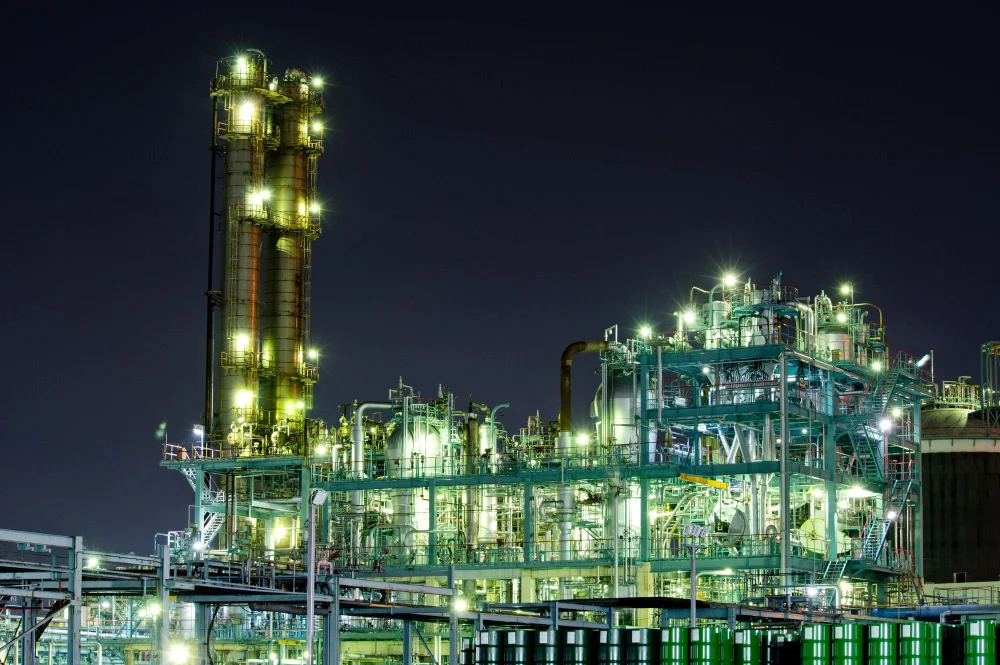
Industrial Hazardous Lighting Systems refers to large-scale setups typically used in oil refineries, manufacturing plants, and chemical processing units. Users searching this term are usually dealing with operational facilities rather than isolated zones.
These systems require coordination across multiple zones with different risk levels. In real projects, lighting cannot be treated uniformly. Some areas demand higher lux levels for inspection tasks, while others prioritize containment safety. The service aligns lighting performance with operational requirements while maintaining compliance across all classified zones.
Flame Proof Lighting Solutions
Flame Proof Lighting Solutions is another variation often used interchangeably with explosion-proof lighting, though it typically relates to containment of internal ignition.
From an execution standpoint, the challenge lies in maintaining enclosure integrity during installation. Even minor installation errors, like improper tightening or incorrect gland usage, can compromise safety. This service ensures that flameproof fixtures are installed with correct sealing practices and tested under site conditions to confirm operational safety.
ATEX Hazardous Area Lighting
ATEX Hazardous Area Lighting is commonly searched in regions requiring European compliance standards. It represents a certification-driven requirement rather than a different service.
In practice, ATEX compliance affects both product selection and installation practices. It is not enough to use ATEX-certified fixtures if installation methods do not meet the same standard. This service ensures that both material procurement and on-site execution align with ATEX directives, especially for projects executed across Europe or for clients requiring international compliance.
Hazardous Area Lighting Installation Services
Hazardous Area Lighting Installation Services reflects execution-focused queries where clients already understand the need but require proper installation handling.
Installation in hazardous zones is not comparable to standard electrical work. It involves controlled procedures, certified tools, and trained handling. In actual projects, most failures occur during installation rather than design. This service ensures that installation follows strict protocols, reducing long-term risk and avoiding compliance failures during inspection.
Real-World Applications & Use Cases
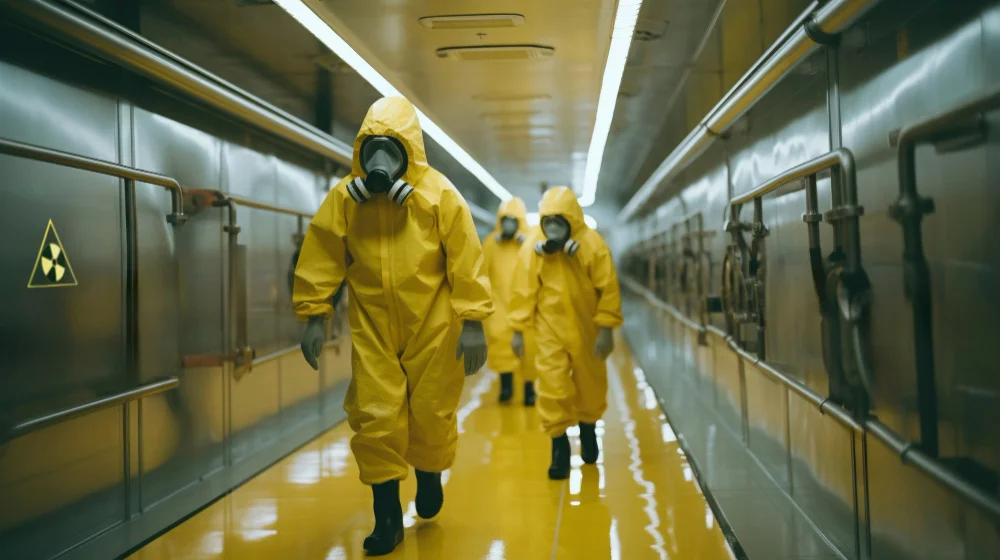
Hazardous Lighting is applied in oil and gas processing units, chemical plants, fuel storage terminals, and manufacturing facilities handling volatile substances.
In real scenarios, lighting is not just about visibility. It affects worker safety, inspection accuracy, and emergency response. Poor lighting in hazardous zones can delay detection of leaks or equipment faults. Properly designed systems support operational efficiency while maintaining strict safety boundaries.
Project Execution Process for Hazardous Lighting
Hazardous Lighting projects follow a structured execution path where each stage impacts safety compliance and operational reliability. The process begins with site assessment and hazard classification, followed by lighting layout planning aligned with zone definitions.
Material procurement is handled based on certification requirements, ensuring compatibility with project standards. Installation is executed using controlled procedures, with attention to sealing, mounting, and cable routing. Final testing includes functional checks and compliance validation.
Skipping or rushing any stage can lead to safety risks or costly rework. This is why the entire lifecycle is handled as a connected execution process rather than separate activities.
Technical & Safety Considerations in Hazardous Lighting
Lighting systems in hazardous environments must comply with zone classifications, temperature ratings, and enclosure standards. Heat generation, fixture durability, and resistance to environmental exposure are critical factors.
From a technical perspective, control systems may also be integrated, especially in large facilities. However, these must be designed carefully to avoid introducing additional ignition risks. The focus remains on maintaining safe operation under all conditions, including equipment failure scenarios.
Common Problems & Risks in Lighting Installation
One common issue is treating hazardous lighting as a standard electrical installation. This leads to improper sealing, incorrect fixture selection, or unsafe cable routing.
Another risk comes from poor coordination between design and execution. In many cases, designs do not account for actual site conditions, leading to adjustments during installation that compromise safety.
These risks are not always visible immediately but can result in serious consequences during operation or inspection.
How to Choose the Right Hazardous Lighting Setup
Choosing the right Hazardous Lighting setup involves understanding zone classification, operational requirements, and compliance standards. It is not just about selecting fixtures.
From a decision standpoint, buyers should evaluate whether the provider handles both design and installation. Separating these roles often leads to mismatches and increased risk. It is also important to assess experience in handling similar environments.
To understand execution capability and approach, visit our About Us page.
Pricing Factors
Hazardous Lighting pricing depends on zone classification, certification requirements, fixture types, and installation complexity.
Higher-risk zones require more specialized fixtures and stricter installation practices, which increases cost. Site conditions also play a role. Difficult access areas or complex layouts require additional planning and labor.
Attempting to reduce cost by compromising on materials or installation practices often leads to higher long-term expenses due to maintenance issues or compliance failures.
Why Choose This Service
Hazardous Lighting requires coordination between safety standards, lighting performance, and physical installation conditions.
This service focuses on handling the entire process under one execution model, reducing gaps between planning and implementation. It allows better control over compliance, reduces rework, and ensures that lighting systems perform as intended under real operating conditions.
Service Coverage
The service is based in the UAE, with project execution across Dubai, Abu Dhabi, and wider Middle East regions.
For international projects, teams are deployed on-site across the USA and Europe depending on project requirements. Execution is handled through planned deployment rather than local presence, ensuring consistent quality and coordination across all locations.
Common Buyer Concerns Before Hiring
Buyers often question whether certified fixtures alone are enough. In reality, installation quality plays an equally critical role.
Another concern is project coordination. When design and installation are handled by separate vendors, accountability becomes unclear. This can lead to delays or compliance issues.
Choosing a provider capable of handling the full execution reduces these risks and provides clearer responsibility across the project lifecycle.
FAQs
1. What is Hazardous Lighting used for?
Hazardous Lighting is used in environments where flammable gases, vapors, or dust are present. It ensures safe illumination while preventing ignition risks through certified fixtures and controlled installation methods.
2. What is the difference between explosion proof and flame proof lighting?
Explosion proof lighting contains any internal ignition within the fixture, while flame proof lighting prevents flames from escaping. Both serve similar purposes but differ in construction and certification standards depending on region and application.
3. What are Zone 1 and Zone 2 lighting requirements?
Zone 1 requires lighting that can operate safely in environments where explosive atmospheres are likely during normal operations. Zone 2 applies to areas where such conditions occur occasionally, requiring slightly less restrictive but still certified systems.
4. Do you handle international hazardous lighting projects?
Yes, projects are executed through on-site deployment across the Middle East, USA, and Europe. Teams travel based on project requirements and coordinate execution directly at the site.
5. Is installation more critical than design in hazardous lighting?
Both are critical, but installation errors are more common sources of failure. Even properly designed systems can become unsafe if installation is not executed correctly.
6. How do you ensure compliance during execution?
Compliance is ensured through proper material selection, certified installation practices, and final testing aligned with project standards and regional requirements.
Discuss Your Project
If your project involves hazardous zones, the planning stage itself determines whether execution will be safe and compliant. Whether you are evaluating lighting layouts, reviewing zone classifications, or preparing for installation, early coordination helps avoid costly adjustments later.
You can discuss your project requirements, site conditions, or execution planning through our Contact page to align design and on-site delivery across UAE, Middle East, USA, or Europe.
Image Gallery

Related Services