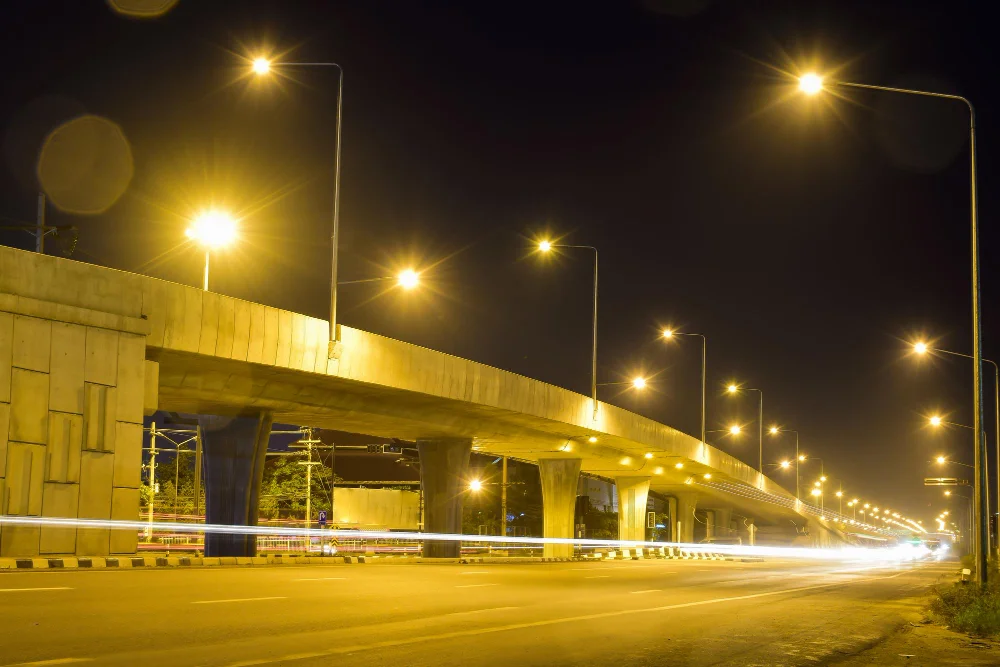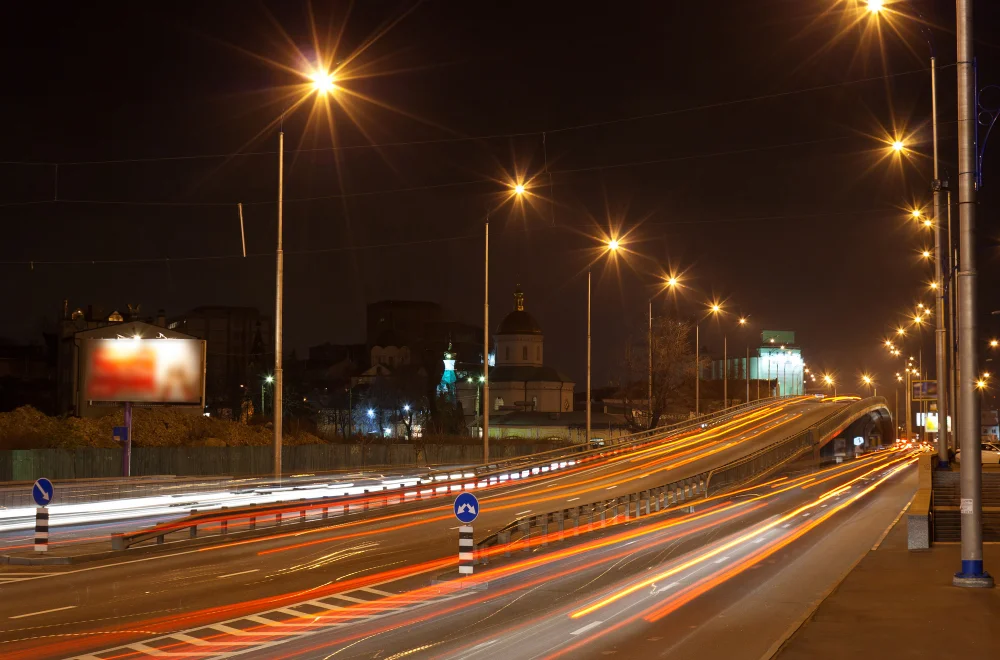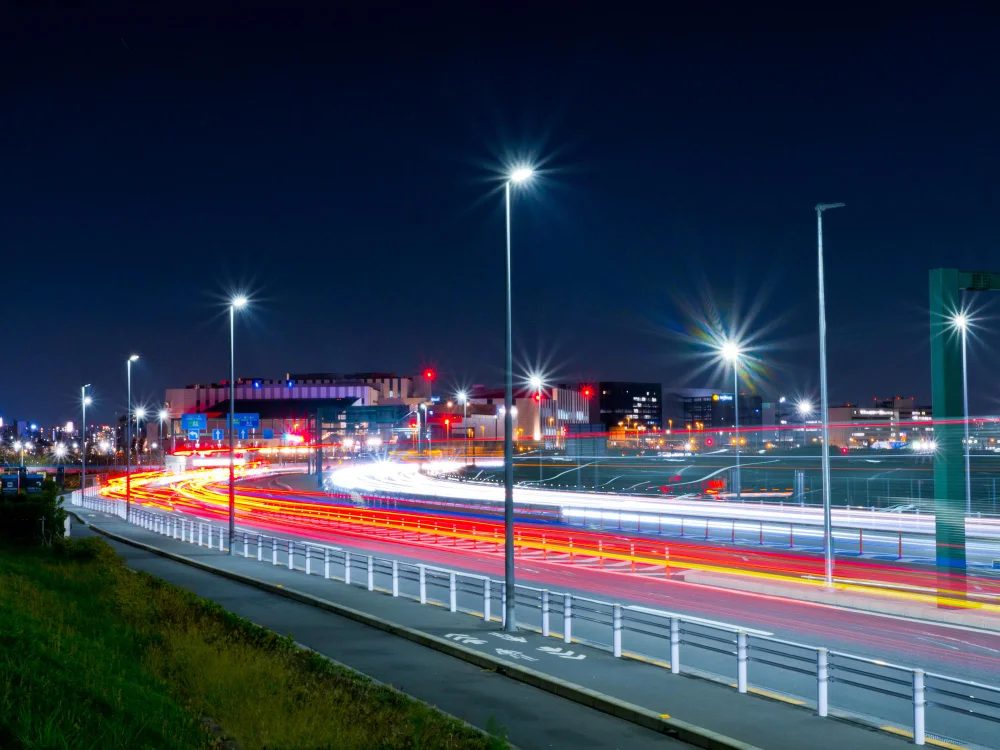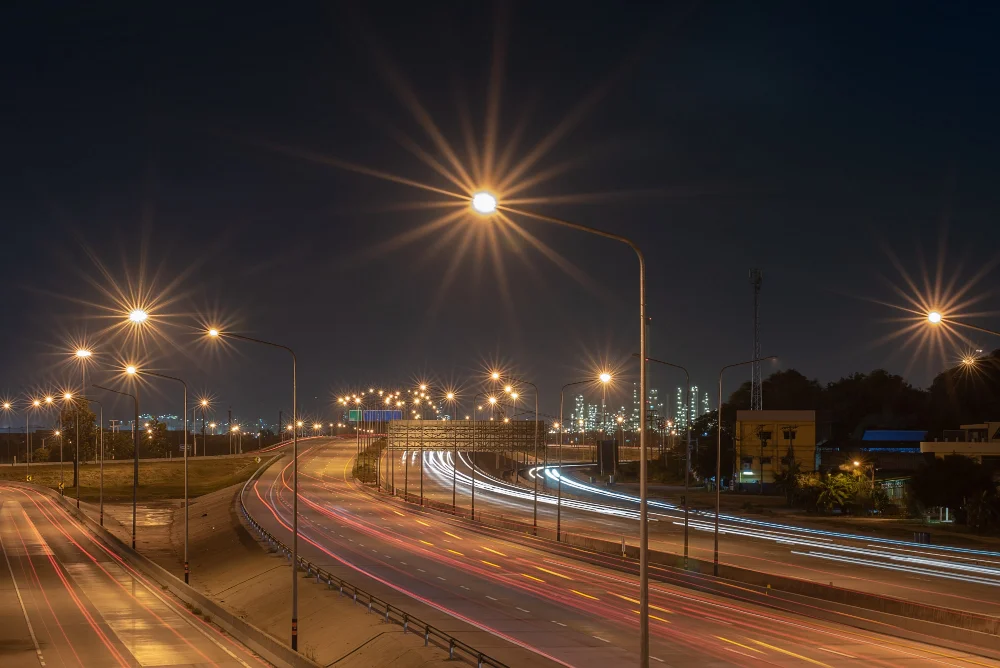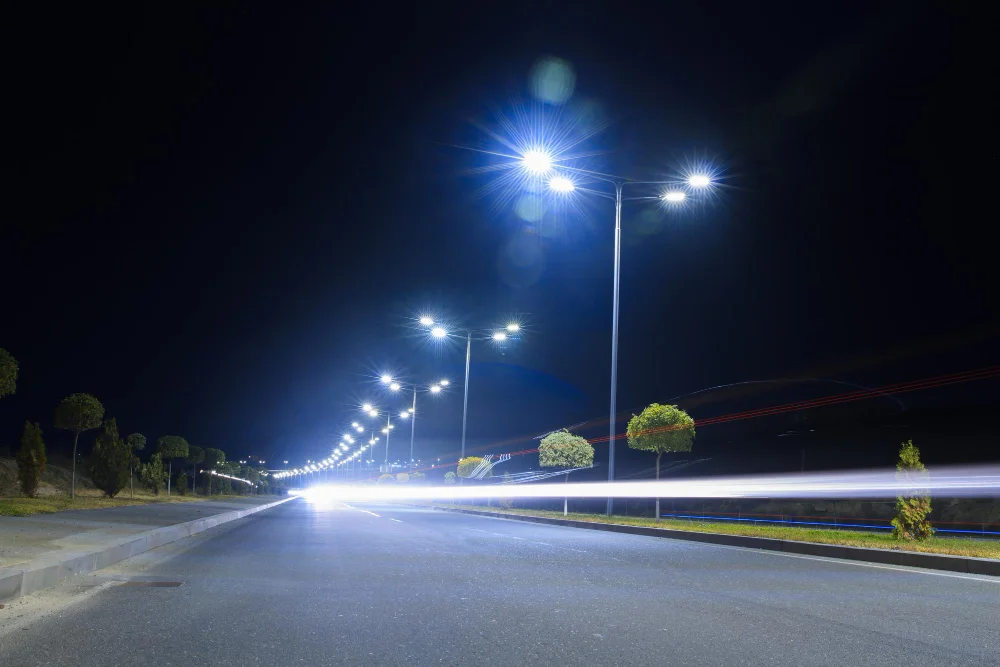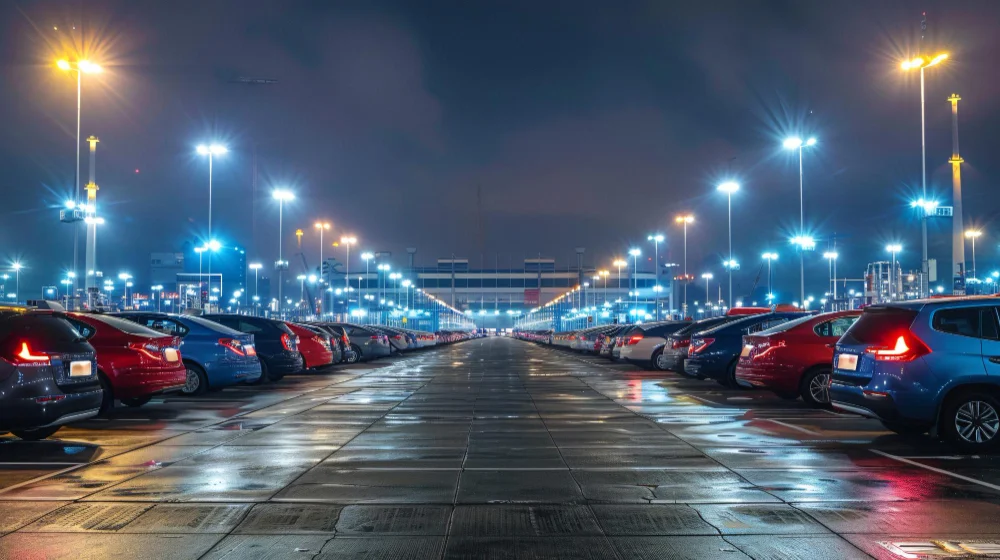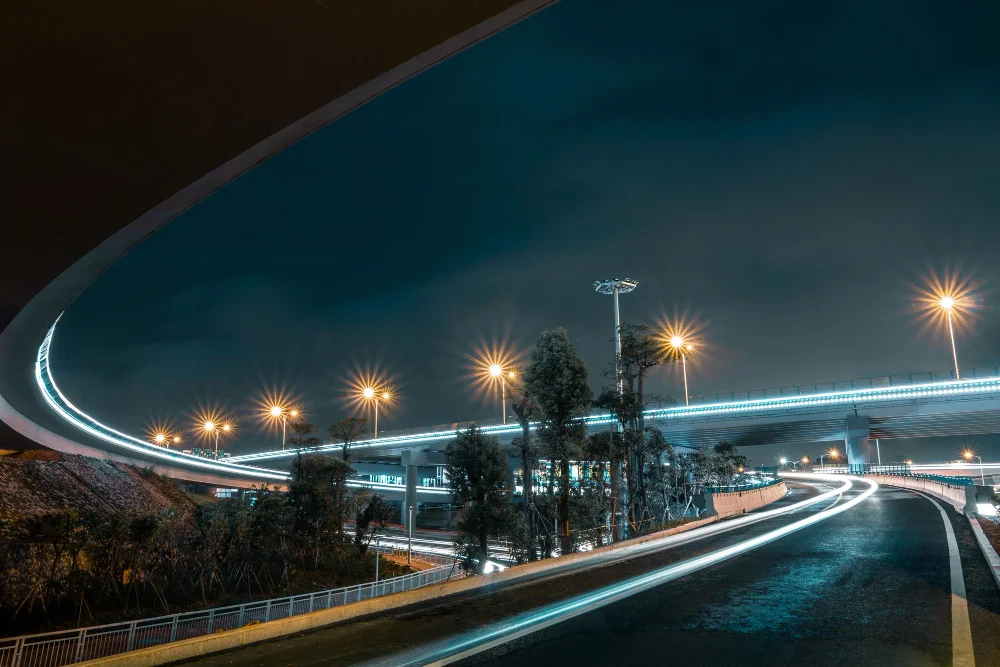
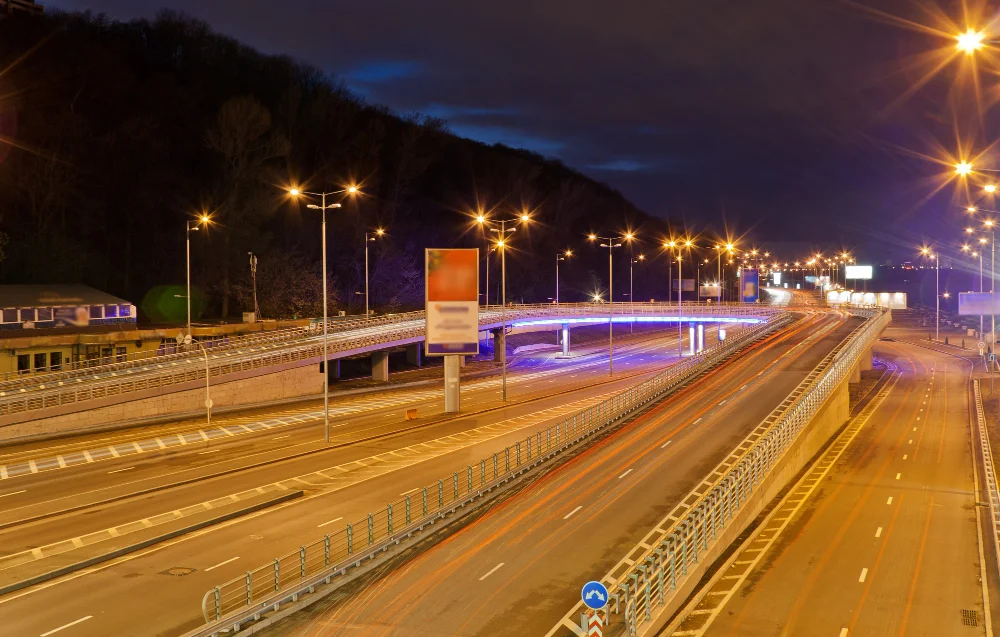
Highway Lighting Design & Installation
Highway Lighting Design & Installation is a complete EPC-based service involving lighting system planning, material procurement, on-site installation, and final commissioning across road infrastructure. It includes engineering layout design, pole and fixture selection, electrical distribution, and field execution under real site conditions.
Scope of Highway Lighting Design & Installation
Highway Lighting Design & Installation typically covers planning of pole spacing, fixture output selection, electrical distribution networks, and full on-site execution. It ensures consistent illumination across long road stretches while avoiding over-lighting or dark patches that impact driver safety.
From an execution point of view, this is not just placing lights along a road. It involves calculating beam angles, accounting for vehicle speeds, and ensuring that illumination supports reaction time. Many projects fail because design and installation are handled separately, leading to mismatched results.
At VS Wilson, this service is delivered as a full lifecycle project—from concept to final switching-on—handled through on-site deployment across UAE, Middle East, USA, and Europe. Each project involves design coordination, procurement logistics, and execution aligned with actual road conditions rather than theoretical layouts.
Scope of Highway Lighting Design & Installation
Lighting layout aligned with road geometry and traffic flow
Each layout considers lane width, turning zones, and real driving behavior patterns
Fixture selection based on road classification and usage
Different highways require varied output levels depending on speed and density
Electrical infrastructure planning across extended distances
Cable routing and load distribution are mapped for long-distance efficiency
On-site installation with real-time adjustment capability
Installations are calibrated based on actual darkness levels and site visibility
Highway Lighting Design & Installation typically covers planning of pole spacing, fixture output selection, electrical distribution networks, and full on-site execution. It ensures consistent illumination across long road stretches while avoiding over-lighting or dark patches that impact driver safety.
From an execution point of view, this is not just placing lights along a road. It involves calculating beam angles, accounting for vehicle speeds, and ensuring that illumination supports reaction time. Many projects fail because design and installation are handled separately, leading to mismatched results.
highway lighting design in real infrastructure projects
Highway lighting design represents the planning phase where road geometry, traffic density, and environmental conditions are translated into a workable lighting layout. While users may search this separately, it remains part of the same execution process.
In actual projects, design decisions directly impact installation complexity. For example, spacing errors lead to either dark patches or unnecessary energy consumption. The design phase includes photometric calculations, pole positioning, and fixture angle planning. These decisions are not theoretical—they define how the installation team executes the project on-site.
LED highway lighting solutions for long-term performance
LED highway lighting solutions refer to the use of energy-efficient fixtures designed for extended operation cycles and large-area coverage. While users may search for LED-specific systems, they are part of the same complete service execution.
In real scenarios, LED selection is not just about efficiency. It involves lumen output matching, beam spread control, and durability under outdoor exposure. Improper LED selection often leads to uneven lighting or maintenance issues. This is where integrated design and installation ensures that selected fixtures perform correctly after deployment.
roadway lighting systems and infrastructure integration
Roadway lighting systems represent the broader network of poles, fixtures, control units, and electrical connections working together. Users searching this term are typically evaluating system-level execution.
From an execution standpoint, this involves synchronizing lighting across multiple road sections. This includes junctions, curves, and entry-exit points. Poor system planning leads to inconsistent lighting transitions, which can impact driver perception. A coordinated approach ensures uniform visibility across the entire stretch.
highway lighting installation services on-site execution
Highway lighting installation services refer to the physical deployment of lighting infrastructure on roads. While often treated separately, installation is inseparable from design decisions.
In real conditions, installation involves terrain challenges, cable trenching, pole foundation work, and fixture alignment. Small errors during installation—like incorrect pole height or tilt—can distort the entire lighting plan. This is why execution must follow design intent closely, not independently.
smart highway lighting systems and automation control
Smart highway lighting systems include automated controls such as dimming schedules, sensor-based adjustments, and centralized monitoring. These are increasingly used in large infrastructure projects.
From an execution point of view, integrating smart systems requires coordination between electrical design and control logic. If not planned early, retrofitting becomes costly. Proper integration allows adaptive lighting based on traffic flow, reducing energy usage without compromising visibility.
Real-World Applications & Use Cases
Highway lighting is used across expressways, city bypasses, industrial corridors, and intercity connecting roads. Each environment introduces different requirements.
In high-speed corridors, lighting must support quick visual recognition without causing glare. In urban highways, pedestrian crossings and junctions require additional focus zones. Industrial corridors often demand higher durability due to heavy vehicle movement.
Projects often reveal that a single lighting approach does not work across all segments. Adjustments are made on-site based on visibility tests rather than relying solely on design drawings.
Project Execution Process
Highway Lighting Design & Installation follows a structured process that combines planning, procurement, and on-site execution into one continuous workflow. Each stage directly influences the next, making coordination critical for project success.
The process begins with site evaluation and road analysis, where traffic patterns and environmental conditions are studied. This is followed by lighting layout development and fixture specification. Once approved, material procurement is aligned with project timelines.
On-site execution includes pole installation, wiring, fixture mounting, and alignment adjustments. Final commissioning involves testing illumination levels and correcting inconsistencies. Projects handled in isolated stages often face delays or mismatched outputs, which is why an integrated EPC approach is essential.
Technical & Safety Considerations
Highway lighting must balance visibility with glare control. Excessive brightness can reduce driver comfort, while insufficient lighting affects reaction time.
Pole height, spacing, and beam angle are critical variables. Electrical safety also plays a major role, especially in long-distance cable runs. Environmental exposure such as dust, heat, and moisture impacts fixture performance.
From an execution perspective, safety is not limited to design standards. It also depends on how installation is carried out in real conditions.
Common Problems & Risks in Lighting Installation
Improper spacing often leads to alternating bright and dark zones, which disrupt driver perception. Another common issue is incorrect fixture angle, causing glare or wasted light distribution.
In many projects, design is outsourced while installation is handled separately. This creates coordination gaps where the final output does not match the intended design.
Cable routing errors and poor grounding can lead to long-term failures. These risks are usually not visible during installation but appear later, increasing maintenance costs.
How to Choose the Right Lighting Setup
Choosing the right highway lighting setup depends on road type, traffic density, and project scale. It is not a one-size-fits-all decision.
A reliable setup considers illumination levels, energy consumption, maintenance requirements, and installation feasibility. Projects that prioritize only cost often face performance issues later.
From a decision standpoint, selecting a provider who handles both design and execution reduces risk. Visit our About Us page to understand how integrated project handling improves final outcomes.
Pricing Factors
Highway lighting costs depend on project length, pole spacing, fixture type, and electrical infrastructure requirements. Larger projects benefit from scale efficiency but require higher upfront coordination.
Material selection plays a major role in cost variation. LED systems with automation controls increase initial investment but reduce long-term operational expenses.
Execution complexity also impacts pricing. Projects involving uneven terrain, complex road geometry, or international deployment require additional planning. Choosing lower-cost execution often leads to higher maintenance costs later due to poor installation quality.
Why Choose This Service
Highway lighting requires coordination between design intent and physical execution. When these are handled separately, inconsistencies appear during operation.
This service ensures alignment between planning and on-site delivery. Each stage is handled with awareness of the next, reducing errors and delays.
Projects across different regions require adaptability. Execution teams must adjust to varying site conditions, which cannot be predicted during initial planning.
Service Coverage
VS Wilson operates from UAE and executes highway lighting projects across the Middle East, USA, and Europe.
Projects are delivered through on-site deployment, where teams travel to the project location and handle execution directly. This ensures that design intent is preserved during installation, regardless of location.
The service is not limited to local execution. It is structured for international project delivery where coordination and site adaptation are critical.
Common Buyer Concerns Before Hiring
Clients often question whether design-only consultants are sufficient. In many cases, this leads to execution challenges when installation teams interpret designs differently.
Another concern is cost variation. Lower quotes often exclude critical elements like proper spacing calculations or control systems.
Timeline uncertainty is also common. Projects handled by multiple vendors tend to face delays due to coordination gaps. A unified execution approach reduces these risks.
FAQs
1. What does Highway Lighting Design & Installation include?
It includes lighting layout planning, fixture selection, electrical infrastructure design, on-site installation, and final commissioning. The process is handled as a complete project rather than separate stages, ensuring consistent results from design to execution.
2. Are LED highway lights better than traditional systems?
LED highway lights offer better energy efficiency and longer operational life. However, their performance depends on correct design and installation. Poorly configured LED systems can still result in uneven lighting.
3. Can you execute projects outside UAE?
Yes, projects are executed across the Middle East, USA, and Europe through on-site deployment. Teams travel to the project location and handle full execution.
4. How are street lights on highways different from regular street lighting?
Highway lighting requires higher output and wider beam distribution due to speed and road width. It also involves stricter spacing and glare control compared to urban street lighting.
5. What are smart highway lighting systems?
These systems use automation to adjust lighting based on traffic or time. They reduce energy consumption while maintaining visibility, but require proper integration during design.
6. How long does installation take?
Timeline depends on project size and site conditions. Larger highway projects involve multiple stages including groundwork, electrical setup, and final calibration.
Discuss Your Project
Highway lighting projects require coordination between design intent and on-site execution conditions. Each road segment introduces different variables that need practical planning before implementation.
If you are planning a highway or infrastructure lighting project, discuss your requirements, site conditions, and execution challenges with our team. Projects across UAE, Middle East, USA, and Europe are handled through direct deployment.
Start your project discussion through our Contact page.
Image Gallery