Office Lighting Design
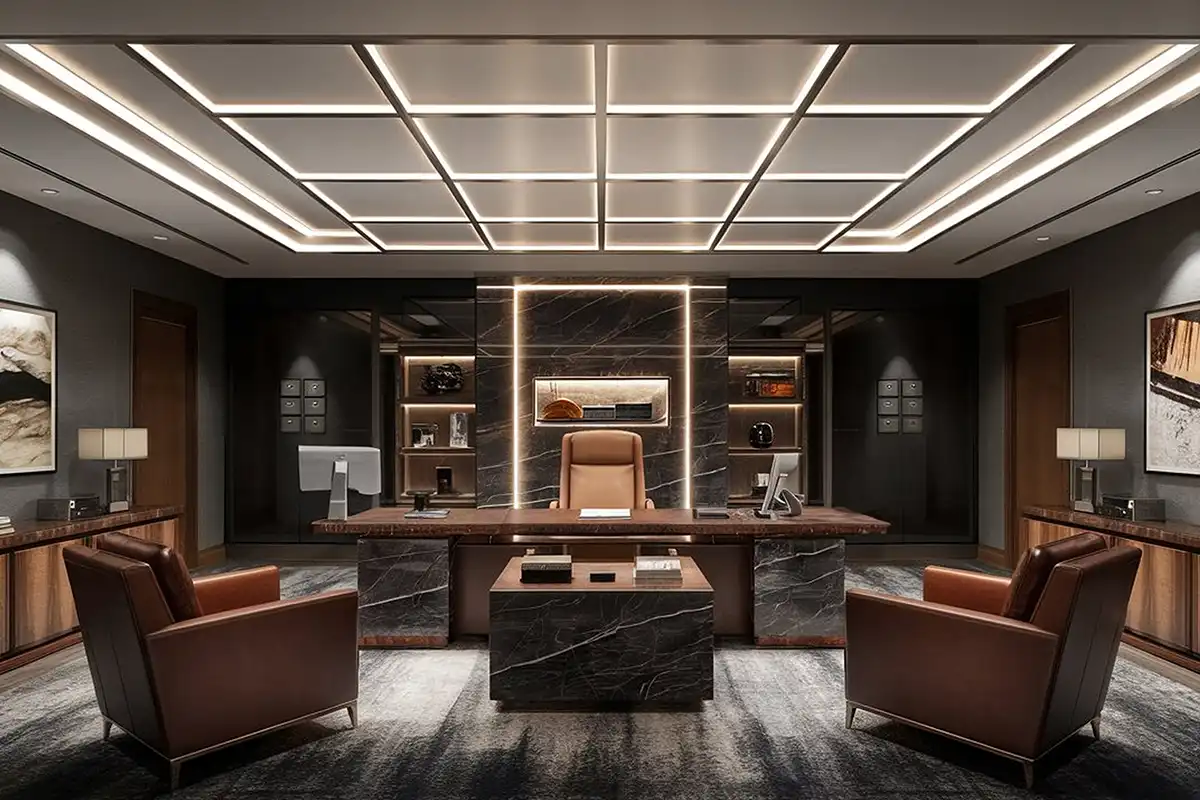
Office lighting design is a complete planning and execution service that covers lighting layout, fixture selection, electrical integration, and on-site installation within workplace environments. It involves designing lighting systems based on task requirements and executing them through coordinated installation and final calibration.
At VS Wilson, this is delivered as an EPC model engineering design, procurement of fixtures, and on-site execution are handled as one continuous process. Based in the UAE, the team executes projects across the Middle East, the USA, and Europe through physical deployment. From early planning to final commissioning, the entire office lighting system is implemented with full responsibility for the outcome.
- Lighting layouts aligned with work tasks and visual comfort.
- Fixture planning based on ceiling structure and usage zones.
- Integrated execution from wiring to final illumination balance.
- On-site adjustments to avoid glare and uneven brightness.
What This Service Includes
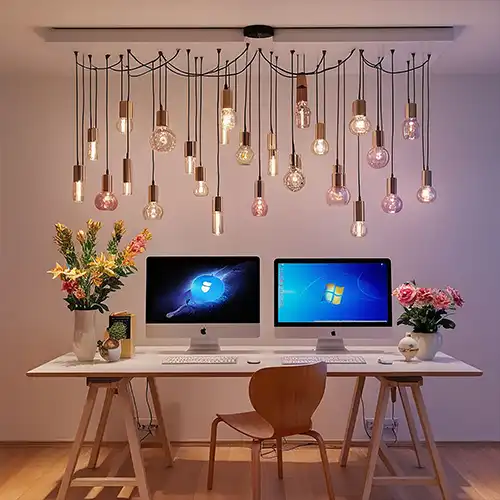
Office lighting design goes beyond fixture selection. In actual projects, the same fixture behaves differently depending on ceiling height, desk placement, and reflective surfaces. That’s why layouts are planned with real usage in mind.
Another critical part is coordination between electrical and interior teams. Without this, lighting points often clash with HVAC systems or ceiling structures, leading to compromises during execution.
Workspace Lighting Design Services
This variation reflects users searching specifically for workstation-focused lighting. While the term differs, it falls under office lighting design where the core requirement remains functional illumination for productivity.
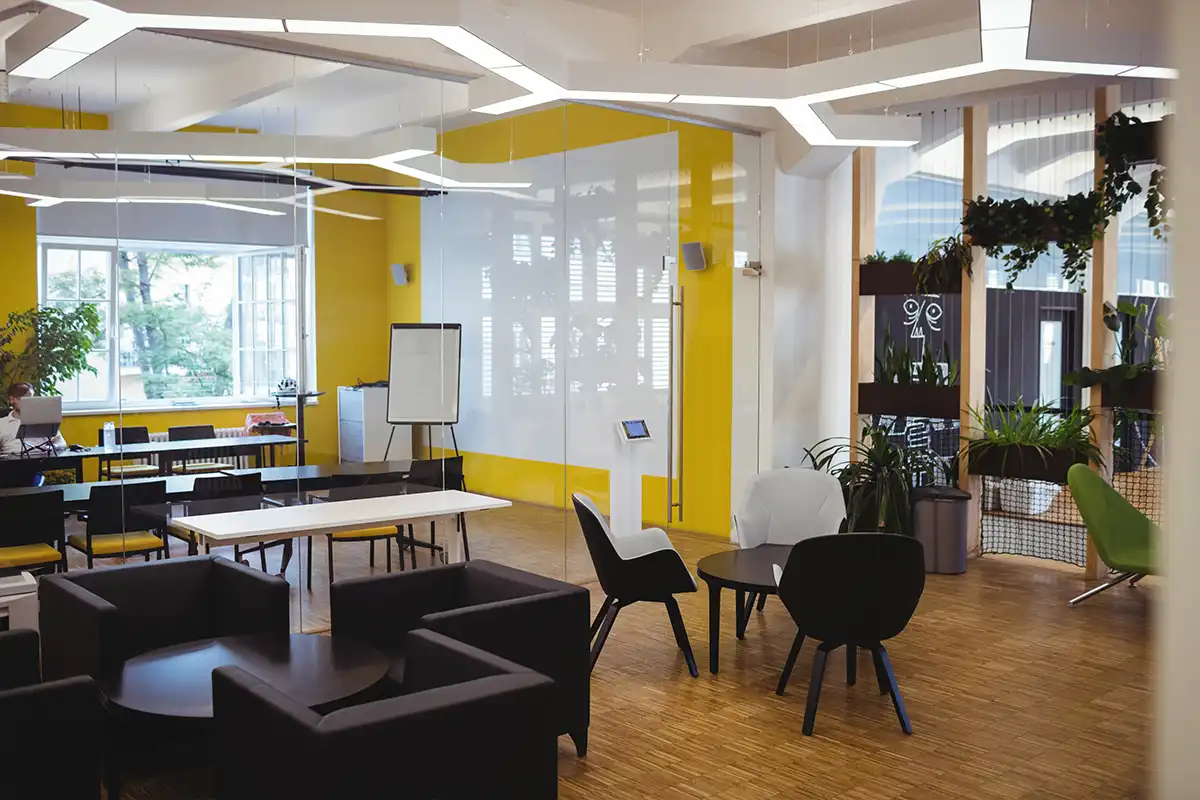
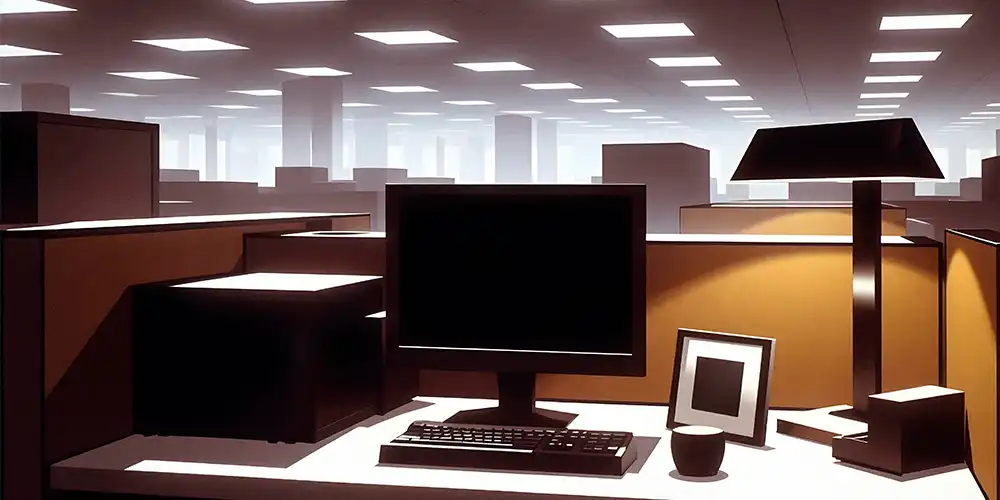
Workspace lighting design services focus on how employees interact with light throughout the day. In real office setups, uneven lighting across desks creates fatigue and reduces efficiency. This usually happens when lighting is planned without considering workstation layout.
Execution here involves aligning fixtures with desk positions, screen angles, and movement patterns. The service ensures that lighting is not just installed but adjusted to avoid glare on monitors and uneven brightness across the workspace.
Reception Lighting Design Services
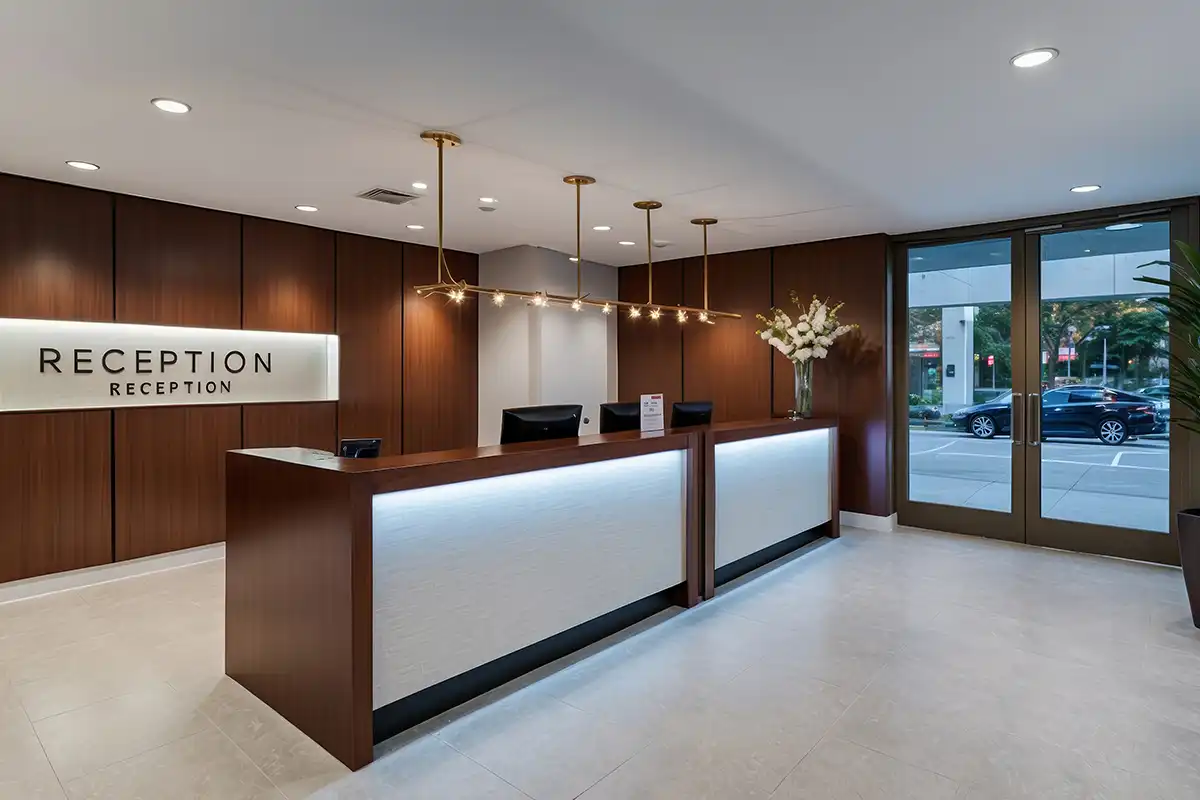
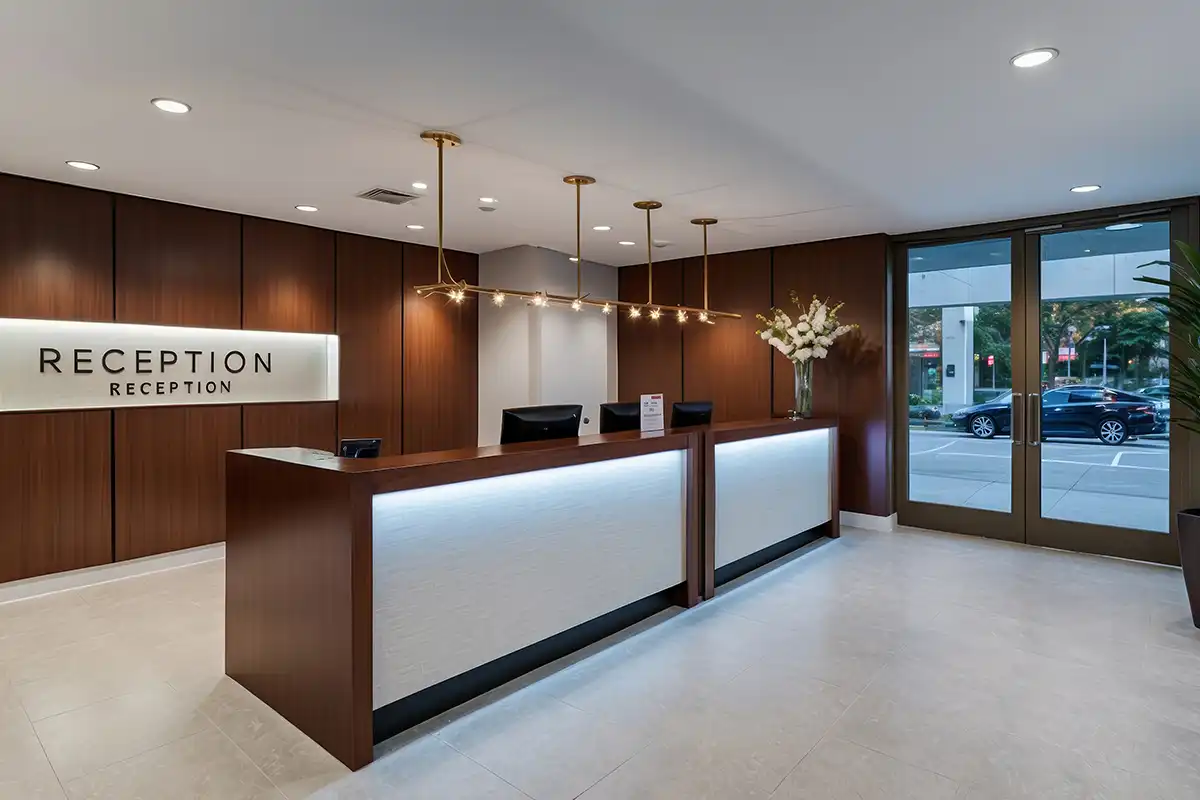
Reception lighting design services represent a search variation focused on entry and visitor-facing zones within offices. Despite the different intent, it remains part of the same office lighting design execution model.
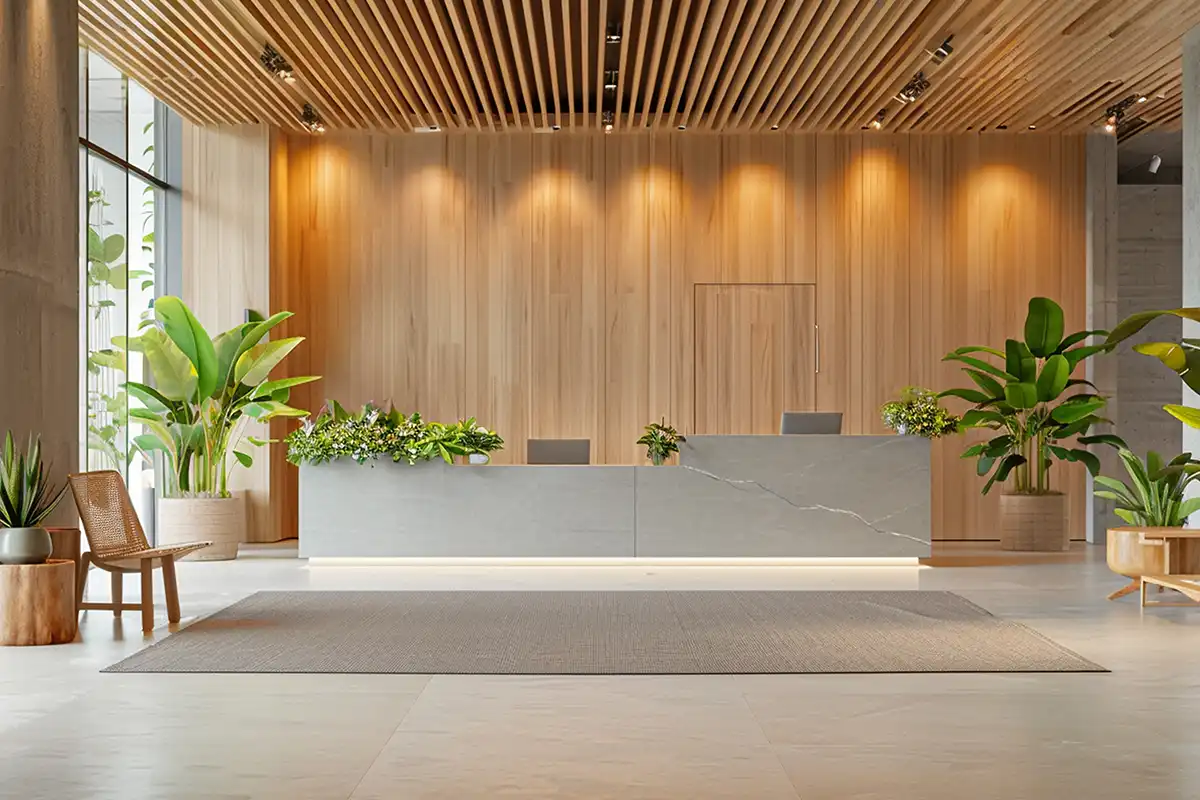
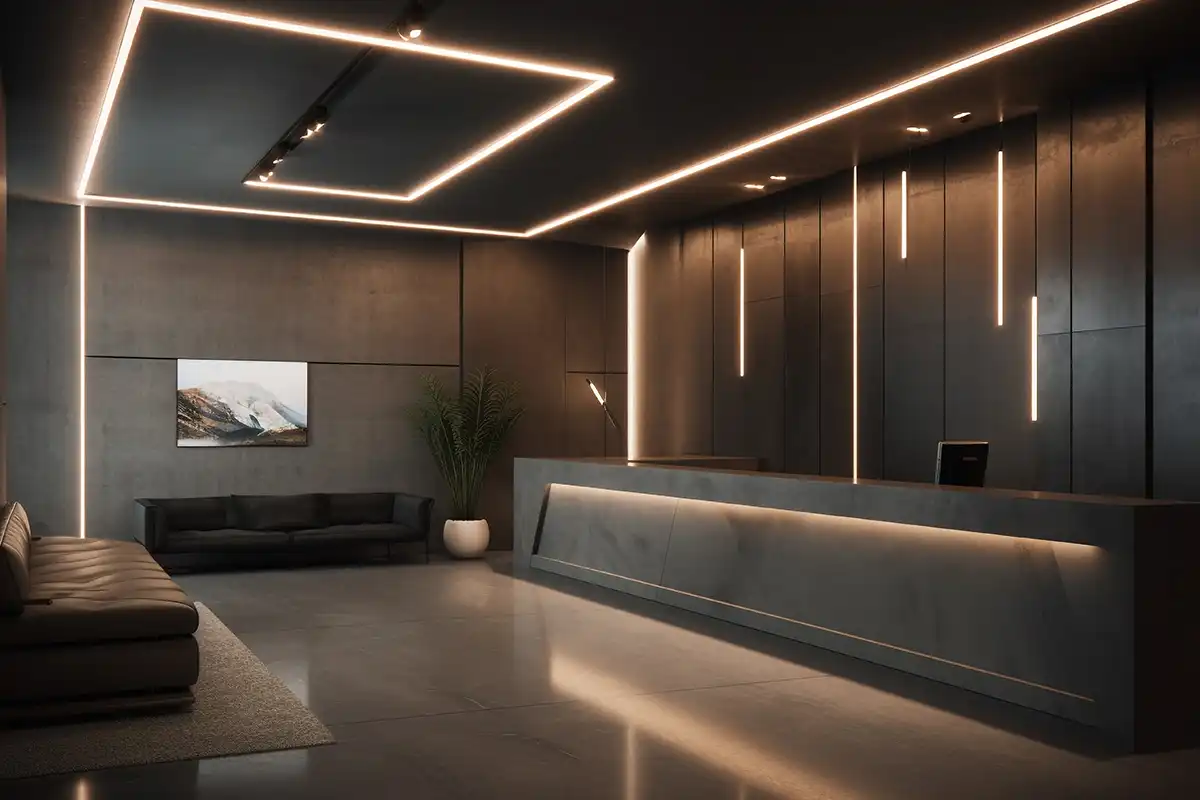
Reception areas require a different lighting approach compared to work zones. Here, lighting must define the space while maintaining comfort. In practice, this involves combining ambient lighting with focused highlights on branding elements or architectural features.
From an execution perspective, coordination with interior finishes becomes important. Lighting needs to complement materials like marble, glass, or wood without creating reflections or hotspots that disrupt visual balance.
Showroom Lighting Design Services
This keyword reflects businesses searching for lighting that supports product display within office or commercial environments. It still falls under office lighting design when integrated into workspace or front-facing zones.
Showroom lighting design services require precise control over light direction and intensity. In real installations, incorrect beam angles can distort product appearance or create unwanted shadows.
Execution involves testing light output on actual display setups. Fixtures are selected based on how they interact with product surfaces, ensuring consistency between design intent and real-world presentation.
Real-World Applications & Use Cases
Office lighting design is applied across corporate offices, co-working spaces, administrative buildings, and hybrid workspace environments.
In many projects, the initial issue is uneven lighting—some areas appear overly bright while others remain dim. This typically happens when lighting is planned without considering actual workspace usage.
Another common scenario is glare on screens. This is not a fixture problem but a placement issue. Correcting it requires adjusting angles and positions during installation, not just replacing fixtures.
Lighting also plays a role in defining zones within open offices. Without proper planning, spaces feel visually flat and lack functional separation.
When This Service Becomes Necessary
Office lighting design becomes necessary when existing lighting causes discomfort, reduces productivity, or fails to align with workspace layout.
This often happens during office expansion or redesign. New furniture layouts make existing lighting ineffective, leading to uneven illumination.
It is also required when businesses shift to modern workspace concepts. Open layouts, collaborative zones, and flexible seating require different lighting strategies compared to traditional offices.
In renovation projects, the challenge is integrating new lighting without disrupting existing infrastructure, which requires careful execution planning.
Environments & Project Conditions This Service Fits
This service fits offices with varied ceiling structures, including false ceilings, exposed ceilings, and mixed architectural layouts.
Each environment presents different challenges. For example, exposed ceilings require visible fixture alignment, while false ceilings require concealed installations.
In high-density offices, heat buildup from lighting becomes a concern. Fixture selection must account for thermal performance to avoid discomfort.
Projects with limited ceiling height require careful planning to prevent glare. These conditions are addressed during design rather than corrected after installation.
Project Execution Process
Office lighting design is executed through a structured process that combines planning, procurement, installation, and final calibration into one continuous workflow.
The process begins with workspace analysis where desk layouts, movement patterns, and ceiling structures are studied. This is followed by lighting design planning where fixture types and positions are mapped.
Procurement ensures that selected fixtures match design specifications without substitutions that could affect output. During installation, electrical routing and fixture placement are executed with coordination across teams.
The final stage involves on-site testing. Light levels, glare, and uniformity are checked in real working conditions. Adjustments are made to ensure the lighting supports actual usage rather than theoretical design.
Technical & Safety Considerations
Office lighting systems must comply with electrical safety standards and ensure consistent performance over long operating hours.
One critical factor is glare control. Improper fixture placement leads to eye strain, especially in screen-heavy environments.
Another aspect is energy management. Lighting systems should be designed to balance illumination with power consumption without compromising usability.
Fixture mounting must also be secure and aligned. Misaligned fixtures not only affect lighting quality but also indicate poor installation practices.
Common Problems & Risks in Lighting Installation
A frequent issue is design-execution mismatch. Fixtures specified during planning are often replaced due to availability, affecting final output.
Another risk is poor coordination between lighting and ceiling systems. This leads to misaligned fixtures or blocked light distribution. In many cases, lighting is installed without real-world testing. This results in glare, shadows, and uneven brightness that only become noticeable after project completion.
How to Choose the Right Lighting Setup
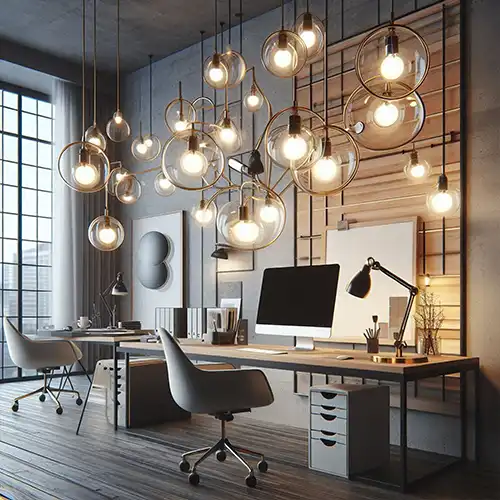
Choosing the right office lighting design involves evaluating workspace layout, employee usage patterns, and ceiling conditions before selecting fixtures or layouts.
Start by identifying task zones. Workstations, meeting areas, and circulation spaces require different lighting approaches.
Next, focus on placement rather than fixture type. Even the right fixture will fail if positioned incorrectly.
It is also important to work with a provider who handles both design and execution. This avoids gaps where design intent is lost during installation.
You can review execution capability through our About Us page.
Pricing Factors
Pricing in office lighting design depends on workspace size, fixture complexity, installation difficulty, and control system integration.
Larger offices require more planning and installation coordination. Complex layouts increase execution time and cost.
Fixture selection also plays a role. Advanced lighting systems with control features cost more initially but reduce long-term operational issues.
Choosing low-cost installation often leads to rework. Poor execution results in uneven lighting and higher maintenance costs, which outweigh initial savings.
Why Choose This Service
Office lighting design requires alignment between planning and execution. Handling both under one system reduces errors and ensures consistency.
This approach avoids common issues like misaligned fixtures or incorrect light levels. It also ensures that the final output matches the intended design.
The service focuses on real usage conditions rather than theoretical layouts, which improves long-term usability.
Service Coverage
VS Wilson operates from the UAE and executes office lighting design projects across the Middle East, USA, and Europe.
All projects are carried out through on-site deployment. Teams travel to the project location, handle installation, and complete final calibrationThis ensures consistent execution quality regardless of project location.
Common Buyer Concerns Before Hiring
One concern is whether lighting will match design expectations. This often depends on how well execution is managed.
Another concern is cost variation between vendors. Differences usually reflect installation quality and fixture selection rather than arbitrary pricing.
Buyers also worry about disruption during installation. Proper planning minimizes downtime and ensures smooth execution.
FAQs
1. What does office lighting design include?
It includes lighting layout planning, fixture selection, electrical integration, on-site installation, and final adjustment. The goal is to ensure lighting supports actual work conditions, not just design drawings.
2. Can lighting be redesigned without major renovation?
Yes, but execution becomes more complex. Wiring and fixture placement must be adjusted without affecting existing structures.
3. Do you handle projects outside the UAE?
Yes, projects across the Middle East, USA, and Europe are executed through on-site deployment with full installation and commissioning.
4. How do you reduce glare in office lighting?
Glare is controlled through fixture positioning, beam angles, and indirect lighting methods. It is corrected during installation, not just design.
5. Is smart lighting included in office lighting design?
It can be integrated depending on project requirements. Control systems are planned during design and installed as part of execution.
6. Why does office lighting pricing vary so much?
Pricing varies based on layout complexity, fixture type, and installation conditions. Lower pricing often indicates compromised execution quality.
Discuss Your Project
Office lighting decisions work best when aligned with actual workspace conditions rather than assumptions. Whether you are planning a new office or redesigning an existing one, discussing layout, usage patterns, and execution challenges early avoids costly corrections laterYou can review your project requirements and execution planning through our Contact page. Projects across UAE, Middle East, USA, and Europe are handled through on-site deployment with complete lifecycle responsibility.