Residential Facade Lighting
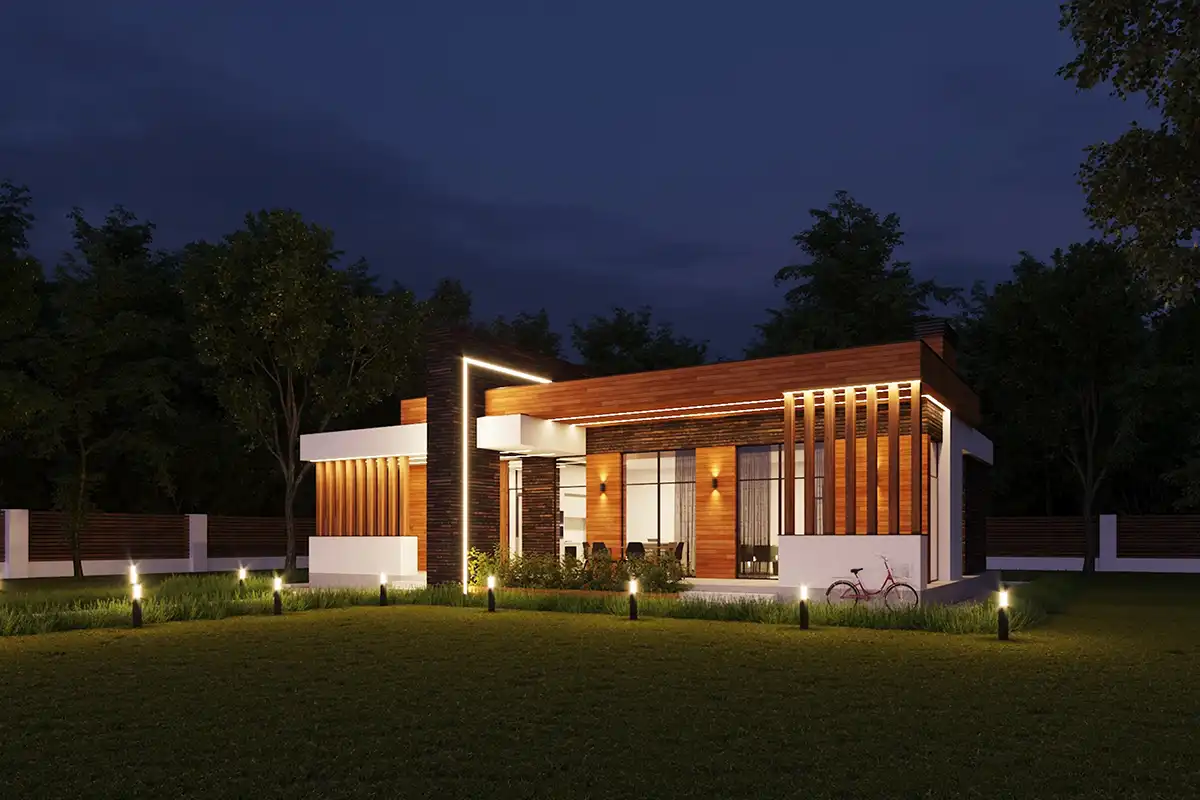
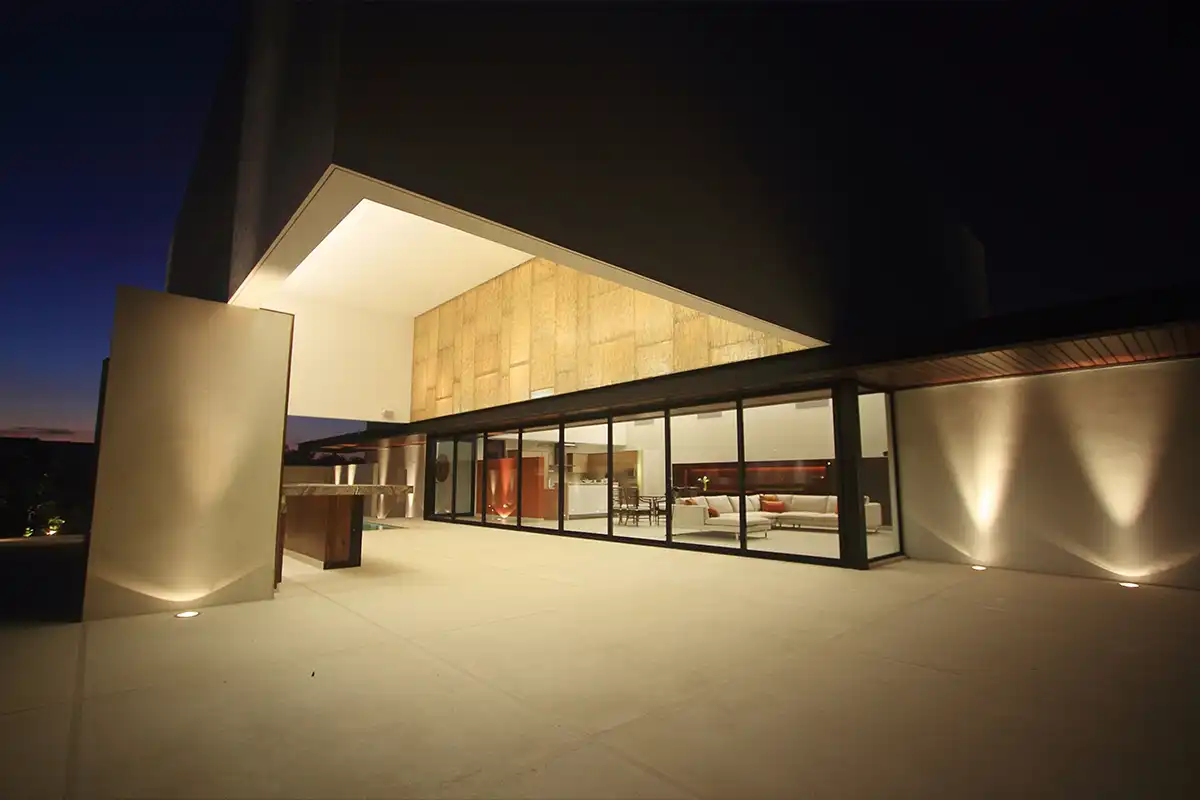
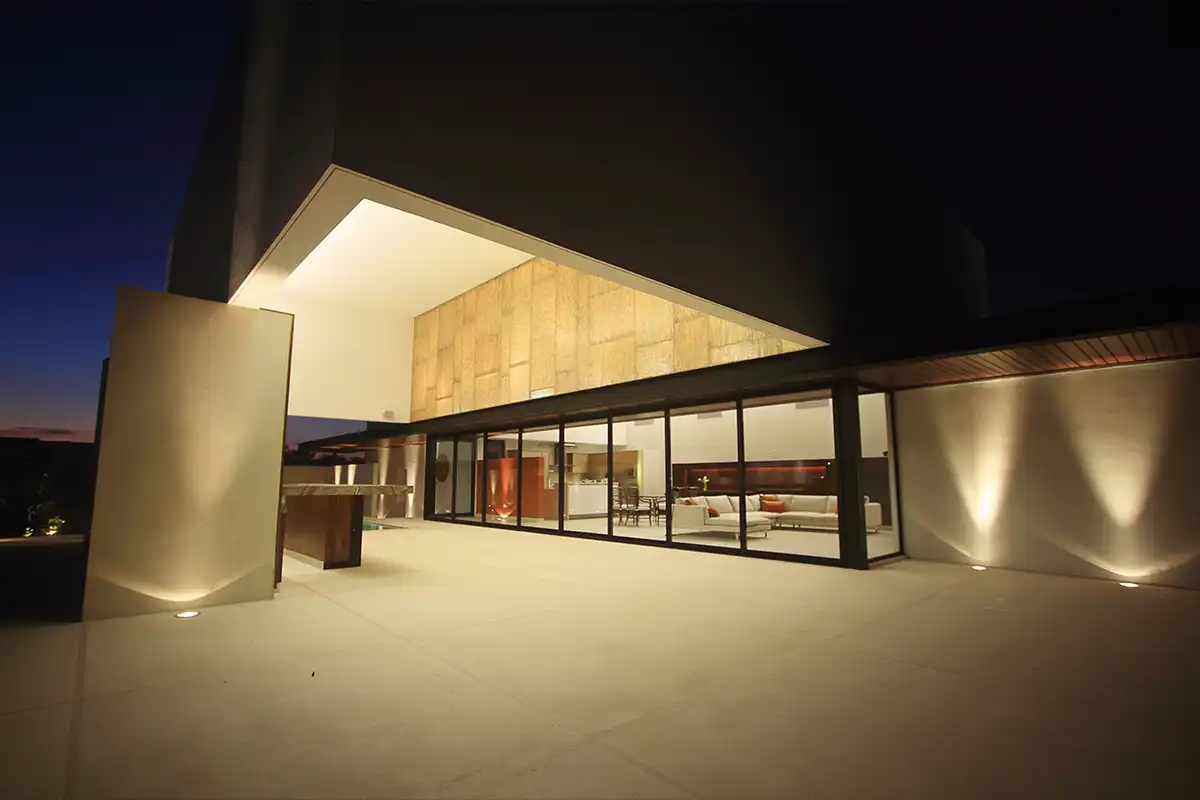
Residential Facade Lighting refers to the planning, supply, and on-site installation of lighting systems designed specifically for exterior building elevations. It includes lighting layout design, fixture selection, wiring execution, and final adjustment on-site. At VS Wilson, this is delivered as a complete EPC model covering engineering design, procurement, installation, and commissioning.
As a UAE-based execution partner, VS Wilson handles facade lighting projects across the Middle East, USA, and Europe through on-site deployment. From concept to final night-time calibration, the entire lifecycle is managed as one integrated project ensuring that what is designed is actually achieved on the structure.
- Architectural lighting planned for real elevation structures.
- Fixture selection aligned with wall materials and finishes.
- On-site execution with wiring, mounting, and beam control.
- Lighting layouts tested against real nighttime conditions.
What This Service Includes
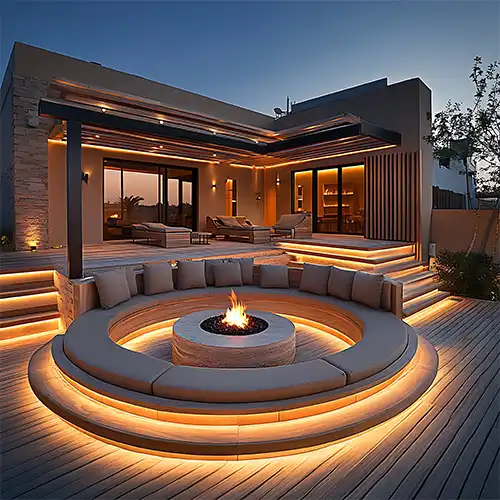
Residential Facade Lighting is not limited to selecting fixtures—it involves translating architectural intent into controlled light output on real surfaces. In actual projects, walls behave differently depending on texture, paint finish, and depth variations. That’s why layouts are not just drawn but physically tested and adjusted during installation.
The service also includes procurement of suitable fixtures that match exposure conditions. Coastal areas, dusty environments, or extreme heat zones require different material decisions. Without this alignment, systems degrade quickly even if the design looks correct on paper.
Types of Lighting Solutions Offered
Wall Grazing Lighting
Used to highlight textured surfaces like stone or brick through shallow-angle light placement
Wall Washing Lighting
Creates uniform illumination across flat surfaces, often used for clean modern elevations
Accent Lighting for Architectural Features
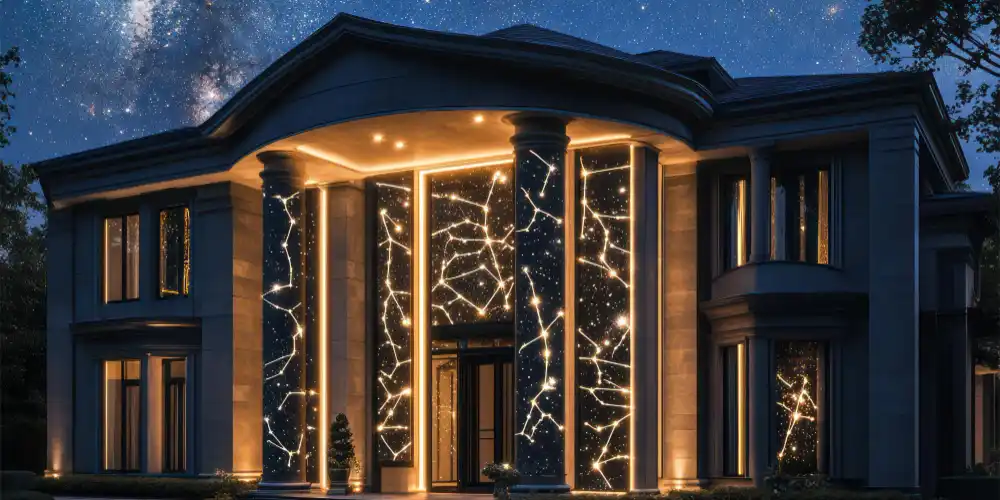
Targets columns, balconies, or entry structures to create depth and layering
Linear LED Facade Lighting
Integrated strips used along edges or recesses to define structural lines
Uplighting for Vertical Emphasis
Ground-mounted fixtures used to visually extend building height perception
Villa Facade Lighting Design
This variation reflects homeowners specifically searching for lighting tailored to villa-scale structures. While the search differs, the requirement still falls under Residential Facade Lighting, where design, procurement, and execution are handled as one project.
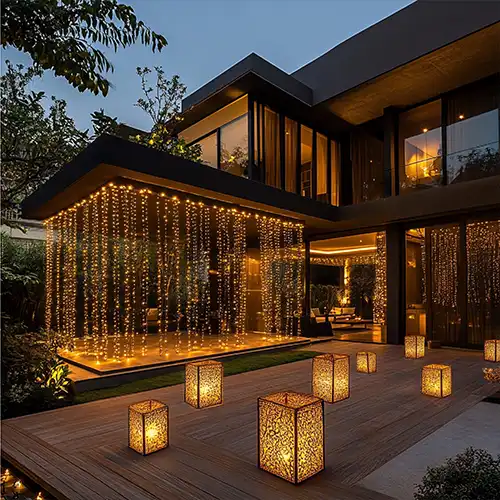
Villa facade lighting design typically involves multiple elevation planes, balconies, boundary walls, and landscaping integration. In real projects, lighting needs to balance visibility without overexposing surfaces. Villas often have varied materials—stone, glass, plaster—which react differently to light.
Execution here requires careful zoning. Entry areas, side elevations, and rear facades are treated differently based on usage. The service ensures consistent lighting logic across all sides while managing installation challenges like concealed wiring and fixture placement without damaging finished surfaces.
Bungalow Lighting Design
Bungalow lighting design is another variation where users look for lighting suited to low-rise, spread-out residential structures. Despite the different terminology, it remains part of the same Residential Facade Lighting service scope.
Bungalows usually have wider facades with less vertical height. This changes how light is distributed. Instead of strong uplighting, the approach often uses wider beam spreads and layered lighting to avoid flat appearance.
From an execution standpoint, access and installation differ. Fixtures may need to be integrated into pathways, boundary walls, or garden elements. The service adapts layout planning accordingly while still delivering a unified lighting outcome across the property.
Building Facade Lighting
This keyword captures a broader search behavior where users refer to residential structures as buildings. The underlying need still aligns with Residential Facade Lighting and full project execution.
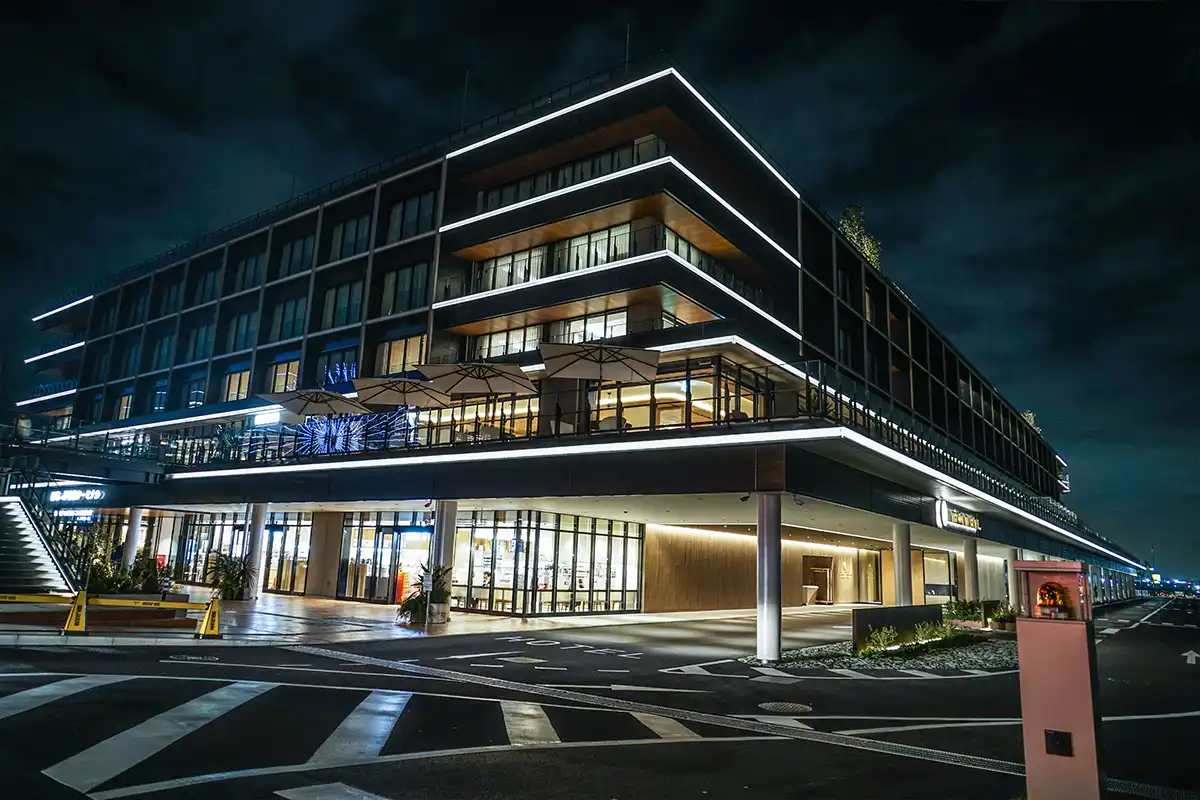
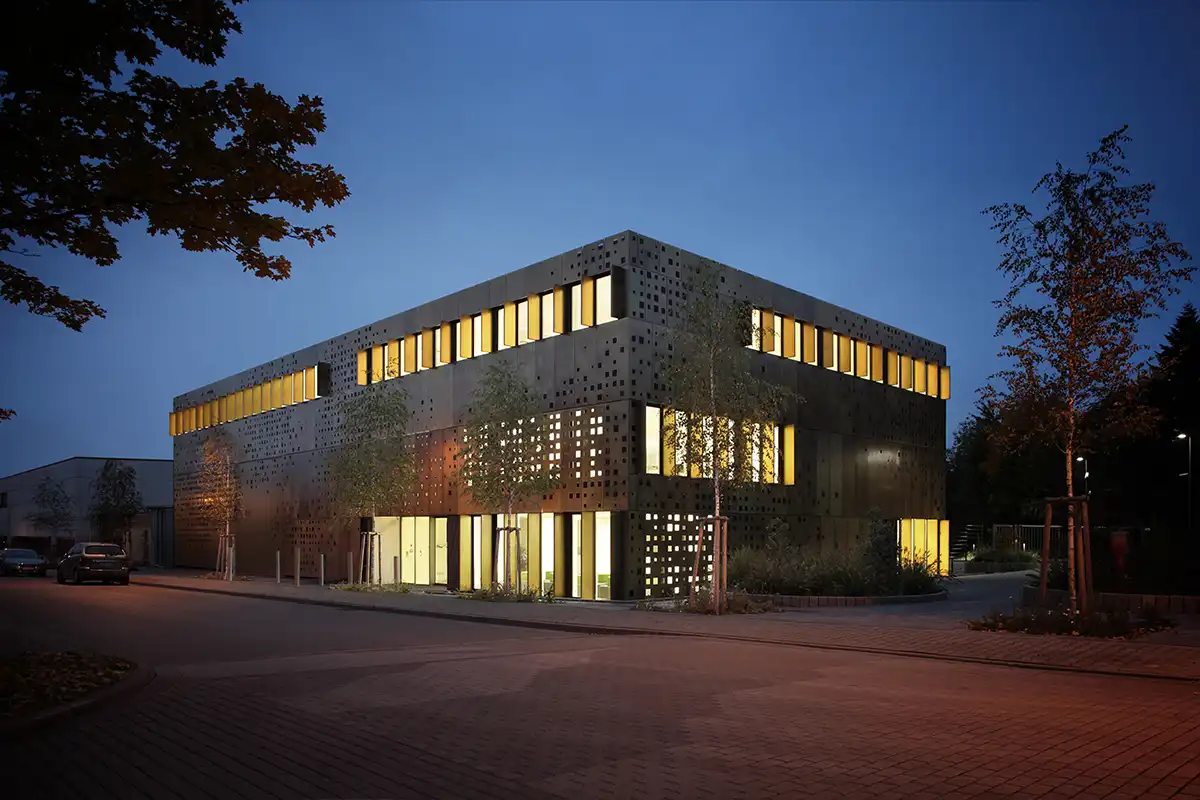
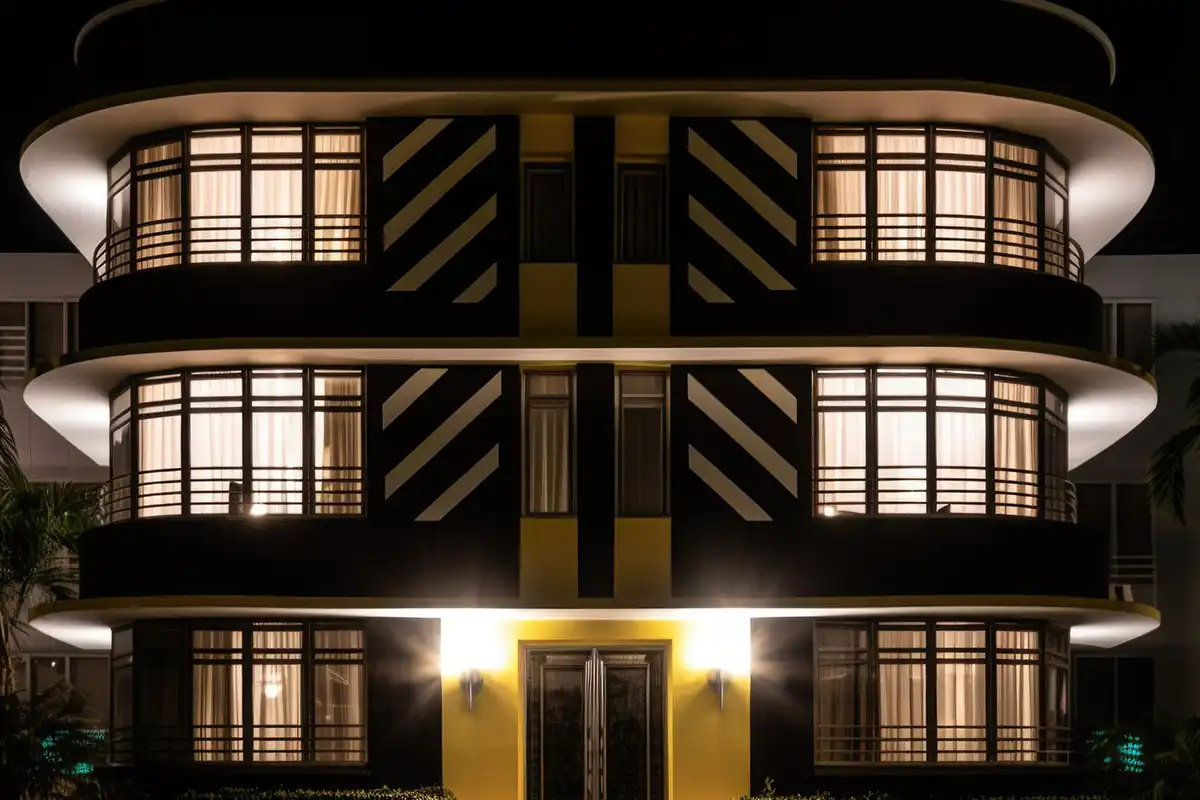
Building facade lighting in residential contexts often involves multi-level homes or residential blocks. These projects require coordination between electrical routing, mounting height, and beam projection distances.
In practice, scaling becomes critical. What works for a single-floor structure does not translate directly to a multi-level facade. The service accounts for these variations during design and ensures installation teams execute accordingly without mismatches between design intent and real output.
Real-World Applications & Use Cases
Facade lighting becomes relevant when the structure itself is meant to be visually experienced after sunset. This usually happens in villas, independent homes, gated residences, and premium housing projects.
In real scenarios, owners often face uneven lighting where certain sections appear too bright while others remain dark. This typically happens when fixtures are installed without considering beam spread or surface reflectivity.
Another common use case is security-linked lighting. Instead of relying on harsh floodlights, facade lighting can be planned to maintain visibility while keeping visual comfort intact. This balance is only achievable when design and execution are aligned.
When This Service Becomes Necessary
Residential Facade Lighting becomes necessary when architectural detailing is not visible after sunset or when external lighting feels inconsistent across the structure.
This usually happens after construction completion, when homeowners realize that basic outdoor lights do not highlight the building properly. In some cases, poorly placed fixtures create glare or shadows that distort the facade.
It is also required during renovation phases where lighting needs to be integrated without major structural changes. In such situations, execution planning becomes critical to avoid surface damage while achieving the desired visual effect.
Environments & Project Conditions This Service Fits
This service fits residential properties exposed to varying environmental conditions such as heat, humidity, or dust. Each condition influences fixture selection and installation methods.
For example, coastal properties require corrosion-resistant materials, while desert environments demand dust-protected enclosures. Ignoring these factors leads to frequent maintenance issues.
The service also adapts to architectural constraints. Some facades do not allow surface mounting, requiring recessed or concealed solutions. These decisions are taken during planning, not after installation begins.
Project Execution Process
Residential Facade Lighting is executed through a structured lifecycle that begins with design planning and ends with on-site calibration. It includes engineering layout, material procurement, installation, and final commissioning.
The process starts with elevation analysis where lighting positions are mapped based on structure geometry. This is followed by fixture selection aligned with beam angles and environmental conditions.
Procurement is handled centrally to ensure compatibility between design and actual fixtures used. During installation, wiring routes and mounting positions are executed carefully to avoid visible disruptions.
The final stage involves night-time testing. This is where adjustments are made—beam angles, brightness levels, and fixture alignment are corrected on-site. Without this step, even well-designed systems fail to deliver the intended result.
Technical & Safety Considerations
Facade lighting involves exposure to outdoor conditions, making electrical safety and fixture durability critical. Improper sealing or incorrect voltage handling can lead to failures.
Thermal management is another factor often overlooked. Fixtures installed on exterior walls are exposed to heat accumulation, especially in regions like the UAE. Without proper heat dissipation, lifespan reduces significantly.
Mounting stability also matters. Fixtures must remain aligned over time despite environmental stress. Loose installations lead to beam misalignment, which directly affects visual output.
Common Problems & Risks in Lighting Installation
One frequent issue is mismatch between design and installation. Fixtures selected during planning may not be available during procurement, leading to substitutions that affect output.
Another risk is poor wiring execution. Exposed or loosely routed wiring not only looks unprofessional but also increases maintenance issues.
In many cases, lighting is installed without night-time testing. This results in uneven illumination that only becomes visible after project completion, making corrections difficult and costly.
How to Choose the Right Lighting Setup
Choosing the right Residential Facade Lighting setup involves evaluating architectural structure, material finish, and intended visual outcome before selecting fixtures or layouts.
Start by identifying which parts of the facade need emphasis. Not every surface requires lighting. Over-lighting reduces depth and creates visual clutter. Then consider fixture positioning rather than just fixture type. Placement determines the final effect more than the fixture itself.
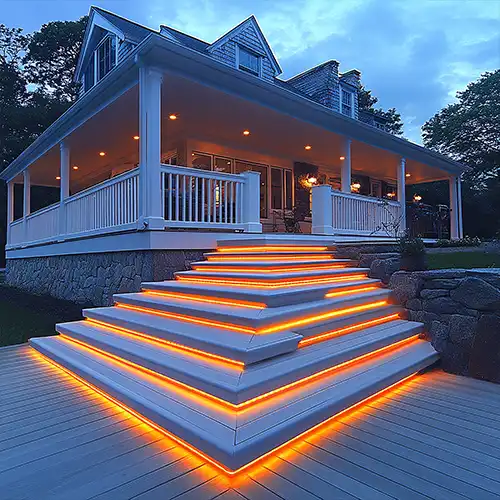
From an execution standpoint, ensure the provider handles both design and installation. Splitting these responsibilities often leads to misalignment between planned and actual output.
To understand execution capability, you can review how projects are handled on our About Us page.
Pricing Factors
Pricing in Residential Facade Lighting depends on structure complexity, fixture type, installation difficulty, and site conditions rather than a fixed rate.
Larger facades with multiple elevation levels require more planning and installation effort. Similarly, concealed wiring increases labor complexity compared to surface routing.
Fixture selection also impacts cost. Outdoor-rated fixtures with higher durability and precision optics cost more but reduce long-term replacement expenses.
A common mistake is choosing lower-cost options without considering installation quality. Poor execution often leads to rework, which ultimately increases total project cost beyond initial savings.
Why Choose This Service
Residential Facade Lighting requires coordination between design intent and on-site execution. Handling both under one system avoids gaps that typically occur when multiple vendors are involved.
This service is structured to manage the entire lifecycle—from planning to final output—ensuring consistency. It reduces the risk of design misinterpretation and installation errors.
The approach focuses on real structure behavior rather than theoretical layouts, which is where many projects fail.
Service Coverage
VS Wilson operates from the UAE and executes Residential Facade Lighting projects across the Middle East, USA, and Europe.
All projects are handled through on-site deployment. Teams travel to the project location, execute installation, and complete final calibration.
This ensures that the same level of control and execution quality is maintained regardless of project location.
Common Buyer Concerns Before Hiring
One major concern is whether the final lighting will match the design. This usually happens when design and installation are handled separately.
Another concern is long-term maintenance. Poor fixture selection or incorrect installation leads to frequent failures.
Buyers also question cost variations. Without understanding execution complexity, pricing differences between vendors can seem unclear. In reality, these differences often reflect material quality and installation precision.
FAQs
1. What is included in Residential Facade Lighting service?
It includes lighting design planning, fixture procurement, wiring layout, on-site installation, and final night-time calibration. The service ensures the facade lighting works as intended on the actual structure, not just in design drawings.
2. Can this be done after construction is completed?
Yes, many projects are executed post-construction. However, installation planning becomes more complex as wiring must be concealed without damaging finished surfaces.
3. Do you handle international projects?
Yes, projects across the Middle East, USA, and Europe are executed through on-site deployment. Teams travel to the project location for full installation and completion.
4. How is facade lighting different from outdoor lighting?
Facade lighting focuses on architectural surfaces and visual structure, while general outdoor lighting is primarily functional for visibility and movement.
5. What happens if lighting is installed without proper planning?
It often results in uneven brightness, unwanted shadows, and poor visual impact. Corrections later require reinstallation, increasing cost and effort.
6. Is maintenance required frequently?
With proper fixture selection and installation, maintenance is minimal. Most issues arise when incorrect materials or installation shortcuts are used.
Discuss Your Project
Facade lighting decisions are easier when discussed around actual structure conditions, not just drawings. If you are planning Residential Facade Lighting for a villa, bungalow, or residential building, the right approach is to evaluate layout, materials, and execution challenges early.
You can discuss your project requirements, site conditions, and execution planning through our Contact page. Projects across UAE, Middle East, USA, and Europe are handled through on-site deployment with full lifecycle responsibility.