Manufacturing Plant Lighting Solutions
Manufacturing Plant Lighting Solutions involve planning, sourcing, and installing lighting systems that match production workflows, machine layouts, and safety requirements. This service covers design calculations, fixture procurement, structured installation, and final commissioning. Delivered as an EPC model, it ensures design, procurement, and execution are handled under one system without coordination gaps.
What This Manufacturing Plant Lighting Solutions Service Covers
Manufacturing Plant Lighting Solutions cover the full lifecycle of industrial lighting projects. This includes engineering-based lighting design, procurement of compatible fixtures, structured installation across production zones, and final validation. The service is not limited to design or supply; it ensures that lighting actually performs within real manufacturing conditions.
VS Wilson operates from the UAE and executes projects across the Middle East, USA, and Europe through on-site deployment. The team manages complete lifecycle delivery, from engineering layout to final illumination testing, making it a full execution responsibility rather than fragmented service involvement.
What This Manufacturing Plant Lighting Solutions Service Covers
Production layout-based lighting engineering
Lighting plans are developed around machinery positions, workflow movement, and operational zones rather than generic layouts
Fixture sourcing and compatibility selection
Each lighting system is matched to voltage conditions, mounting heights, and environmental exposure within the plant
On-site installation with minimal downtime disruption
Execution is scheduled in phases to avoid production shutdown wherever possible
System testing and illumination verification
Final output is measured against task visibility, safety zones, and operational requirements
Manufacturing Plant Lighting Solutions cover the full lifecycle of industrial lighting projects. This includes engineering-based lighting design, procurement of compatible fixtures, structured installation across production zones, and final validation. The service is not limited to design or supply; it ensures that lighting actually performs within real manufacturing conditions.
From an execution point of view, many issues arise when design and installation are handled separately. Fixture placement often ignores machine shadows or operator positions. This service avoids that gap by aligning planning and execution within one coordinated system.
Manufacturing plant lighting design
This keyword reflects how users search specifically for planning-stage requirements, but in actual projects, design alone is not sufficient without execution alignment. Manufacturing plant lighting design is integrated into the full EPC delivery, ensuring layouts translate correctly during installation.
In real factory setups, lighting design must consider machine height, operator eye level, and task precision. Standard layouts often fail when equipment creates shadow zones. The design phase includes lux calculations, beam angle selection, and positioning adjustments based on real production movement, not just floor area.
Industrial lighting installation services
Some users search directly for installation services when upgrading or replacing systems. However, industrial lighting installation services without design coordination often lead to misalignment between fixtures and usage zones.
This service integrates installation with engineering planning. Mounting methods, wiring routes, and structural supports are handled based on site conditions. In active manufacturing environments, installation sequencing is critical to avoid disruption. Teams often work in phases or off-shift schedules to maintain operational continuity.
Factory lighting solutions
Factory lighting solutions represent a broader search where users look for complete systems rather than individual fixtures. This aligns directly with Manufacturing Plant Lighting Solutions as it includes planning, execution, and performance validation.
Different factories require different lighting logic. Assembly lines demand focused illumination, while storage areas require uniform spread. The solution is built by combining fixture types, mounting strategies, and control systems into one coordinated system rather than isolated lighting decisions.
Industrial LED lighting for factories
This variation highlights energy-efficient systems, but the requirement goes beyond replacing fixtures. Industrial LED lighting for factories must be configured based on mounting height, heat conditions, and operational hours.
In many retrofits, simply switching to LED causes uneven illumination because beam angles differ from traditional fixtures. Proper implementation involves recalculating spacing, adjusting mounting points, and sometimes redesigning circuits to ensure consistent output across the plant floor.
Production plants task lighting
Users searching this term focus on precision areas where visibility affects output quality. Production plants task lighting is integrated within the overall lighting system rather than treated separately.
Task lighting is positioned based on operator activity zones, not just equipment location. In actual projects, incorrect placement leads to glare or shadow overlap. This service ensures focused lighting enhances accuracy without creating visual fatigue for workers.
High ceiling factory lighting
High ceiling factory lighting addresses facilities where mounting heights impact light distribution significantly. This is a common challenge in manufacturing plants and directly falls under the same service scope.
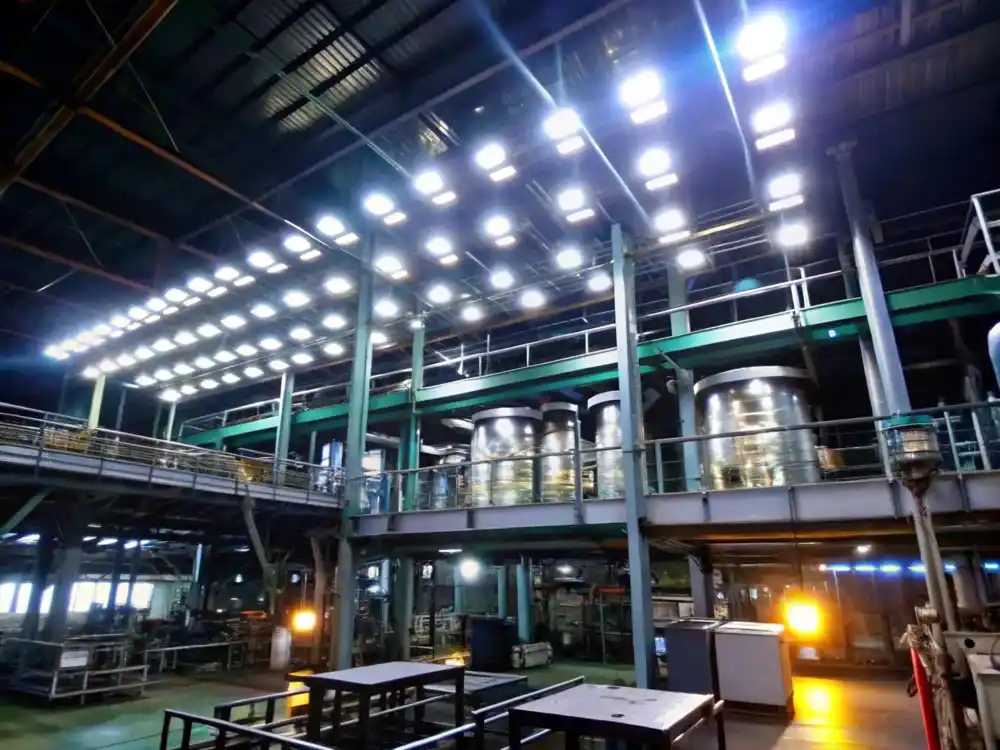
From an execution perspective, high ceilings require careful beam angle selection and mounting structure planning. Improper fixture selection leads to dark patches or excessive brightness under fixtures. The system is designed to balance spread and intensity based on ceiling height and floor activity.
Manufacturing facility lighting systems
This keyword reflects system-level thinking, where lighting is treated as an integrated part of facility operations. Manufacturing facility lighting systems combine fixtures, control systems, and layout planning into one coordinated setup.
In complex facilities, lighting may be linked with automation systems or segmented controls. This allows different zones to operate independently based on production needs. The system approach ensures flexibility and efficiency without constant manual adjustments.
Industrial lighting retrofit for plants
Retrofit projects are often triggered by energy costs or outdated systems. Industrial lighting retrofit for plants involves replacing existing systems while adapting to current infrastructure.
One common issue is assuming new fixtures can fit old layouts. In practice, mounting points, wiring, and spacing often need adjustments. Retrofit execution includes removal, redesign, installation, and testing to ensure the upgraded system performs better than the previous one.
Real-World Applications & Use Cases
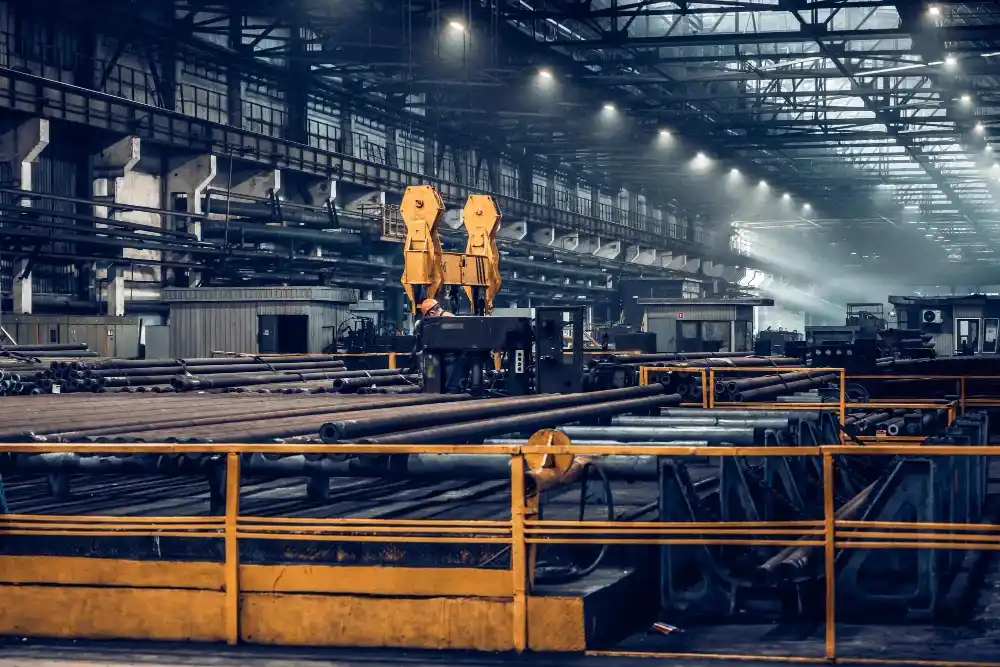
Manufacturing Plant Lighting Solutions are used across assembly lines, packaging units, heavy machinery zones, and inspection areas. Each environment presents different lighting challenges. Assembly zones require consistent brightness for precision work, while storage areas prioritize coverage.
In real setups, lighting directly affects output accuracy and worker efficiency. Poor lighting leads to rework, safety risks, and slower operations. Properly executed lighting systems improve visibility without over-illuminating, which can cause glare or fatigue.
Project Execution Process for Manufacturing Plant Lighting Solutions
Manufacturing Plant Lighting Solutions are executed through a structured EPC workflow that connects design, procurement, and installation into one continuous process. This ensures the final output matches the planned performance without coordination gaps.
The process begins with site assessment and layout mapping, followed by lighting design based on operational zones. Fixture selection and procurement are handled next, ensuring compatibility with site conditions. Installation is carried out in phases to avoid disruption. Final testing verifies illumination levels and system performance before handover.
In many projects, delays happen when multiple vendors are involved. This integrated approach reduces dependency gaps and keeps execution aligned from start to finish.
Technical & Safety Considerations
Manufacturing environments require lighting that supports visibility without introducing hazards. Glare control, uniform distribution, and proper mounting are essential.
Heat, dust, and vibration often affect fixture performance. Lighting systems must be selected based on these conditions rather than standard specifications. Incorrect selection leads to frequent failures or inconsistent lighting output.
Common Problems & Risks in Lighting Installation
Incorrect fixture placement often creates shadow zones near machinery. This usually happens when layouts are designed without considering equipment height.
Another common issue is over-lighting, which increases energy costs without improving visibility. Poor coordination between design and installation teams also leads to misaligned fixtures.
These problems are rarely addressed in generic lighting guides but frequently occur in real manufacturing projects.
How to Choose the Right Manufacturing Plant Lighting Solutions
Manufacturing Plant Lighting Solutions should be selected based on production type, ceiling height, and task precision requirements. The right system balances illumination, energy use, and operational practicality.
From a decision point of view, focusing only on fixture cost often leads to higher long-term expenses. Poorly planned lighting increases maintenance, energy consumption, and operational inefficiencies. A properly engineered system reduces these risks by aligning lighting with actual usage conditions.
Pricing Factors
Pricing depends on plant size, ceiling height, fixture type, and installation complexity. Retrofit projects may cost more due to removal and structural adjustments.
One overlooked factor is installation timing. Working around active production often requires phased execution, which affects cost and timeline. Choosing cheaper solutions without proper planning usually results in rework or performance issues later.
Why Choose This Service
Manufacturing Plant Lighting Solutions require coordination between design, procurement, and execution. Handling these separately often leads to mismatches and delays.
VS Wilson manages the full process, ensuring continuity between planning and installation. You can review execution approach and project handling capability on the About Us page .
Service Coverage
This service is executed from the UAE across the Middle East, USA, and Europe. Projects are handled through on-site deployment, where teams travel to the project location and manage execution directly.
There are no remote-only deliveries. Each project involves physical installation, coordination, and completion at the site.
Common Buyer Concerns Before Hiring
Many clients hesitate due to uncertainty about cost versus long-term benefit. Lower-cost installations often lead to higher maintenance and poor lighting performance.
Another concern is project disruption. Proper planning ensures installation is phased around production schedules. Vendor selection also plays a role; fragmented services often create coordination issues that delay completion.
FAQs
1. What is included in Manufacturing Plant Lighting Solutions?
It includes design planning, fixture procurement, installation, and system testing. The service ensures lighting is aligned with production workflows and operational requirements rather than generic layouts.
2. Can projects be executed without stopping production?
Yes, in most cases execution is phased. Work is scheduled during off-hours or in sections to keep operations running while installation progresses.
3. Do you handle international projects?
Yes, projects are executed across the Middle East, USA, and Europe through on-site deployment teams traveling from the UAE base.
4. Is this service only for new plants?
No, it applies to both new installations and retrofit projects where existing lighting systems need replacement or improvement.
5. How is lighting performance verified?
After installation, illumination levels are tested against operational requirements to ensure visibility and safety standards are met.
6. What makes factory lighting different from regular lighting?
Factory lighting must account for machinery layout, task precision, and environmental conditions such as heat or dust, which standard lighting does not address.
Discuss Your Project
If you are planning a manufacturing facility or upgrading an existing plant, the discussion should start with layout, production flow, and operational constraints. Each project requires a different lighting approach based on real working conditions.
You can outline your project requirements, site conditions, or execution challenges through the Contact page to explore how the system can be planned and executed across UAE, Middle East, USA, or Europe.
Image Gallery

Related Services