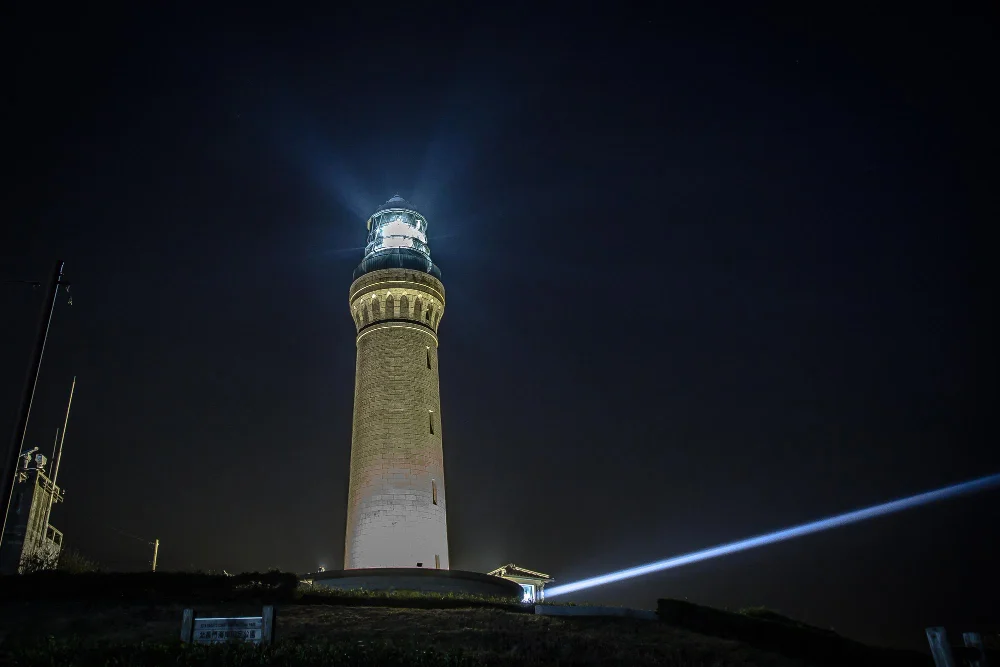
Ship Navigation Lights in Zadar
Ship navigation lights are regulated marine signal lights used to communicate a vessel's presence, direction, operating condition and manoeuvring status to other vessels.
Unlike general deck or port lighting, navigation lights cannot be selected or positioned simply to make a vessel brighter. Their type, colour, visibility, sector, position and operating arrangement depend on the vessel and the requirements of the International Regulations for Preventing Collisions at Sea—COLREGs.
VS Wilson provides Ship Navigation Lights project support across Zadar for new vessels, existing-vessel upgrades and navigation-light replacement projects.
Depending on the agreed project scope, VS Wilson can support vessel assessment, arrangement review, equipment sourcing, electrical installation, navigation-light controller integration, system testing and final commissioning.
Navigation-light products and installation arrangements should be selected according to the vessel's applicable regulatory, flag, classification, manufacturer and project requirements.
SITE ASSESSMENT → DRAWING REVIEW → LIGHTING PLANNING → PHOTOMETRIC DESIGN → PRODUCT SOURCING → ELECTRICAL INSTALLATION → SYSTEM TESTING → FINAL COMMISSIONING
Ship Navigation Lights Are Safety Signals, Not General Illumination
Navigation lights exist so another vessel can interpret what it is seeing.
IMO explains that COLREG Rules 20–31 cover ship lights and shapes, including the visibility of lights and the combinations carried by power-driven vessels, towing vessels, sailing vessels, fishing vessels, pilot vessels, vessels at anchor or aground and vessels operating under particular navigational conditions.Rule 20 also limits the use of other lights where they could be mistaken for the prescribed navigation lights or impair their visibility or distinctive character.This makes navigation-light design fundamentally different from decorative marine lighting.
The objective is not maximum brightness.The objective is the correct signal, in the correct position, visible through the correct sector and range for the applicable vessel condition.


Navigation Lights That May Form Part of a Vessel System
Depending on vessel type and operating condition, a navigation-light system can include:
- Masthead lights
- Port and starboard sidelights
- Sternlights
- Towing lights
- All-round lights
- Anchor lights
- Manoeuvring lights
- Lights associated with towing or pushing
- Lights associated with fishing operations
- Lights for pilot vessels
- Lights indicating restricted manoeuvrability or other applicable vessel conditions
- Required navigation-light control and monitoring equipment
COLREG Rule 21 defines the principal navigation-light types, while Rules 23–30 determine the combinations required for different vessel types and conditions.
Not every vessel carries every light.
The required arrangement must be established from the actual vessel.
Vessel Type Comes Before Fixture Selection
A navigation light should not be selected solely because its catalogue says “marine navigation light.”
Before procurement, the project needs to establish information such as:
vessel type, overall length, operating role, navigation condition, flag requirements, applicable class requirements, vessel arrangement and which COLREG light combinations apply.
A product approved for one vessel category or size range may not automatically be appropriate for another.
Current commercial navigation-light ranges themselves separate products according to vessel dimensions and certification scope. PERKO, for example, publishes distinct navigation-light categories for vessels below and above particular size ranges and identifies the certification applicable to individual products.
The selected product documentation therefore matters more than generic marketing descriptions.
COLREG Visibility Requirements
Navigation lights have prescribed visibility ranges.
COLREG Rule 22 varies these minimum ranges according to vessel length and the type of light involved. Masthead lights, sidelights, sternlights, towing lights and all-round lights do not all have the same required range.
This is why VS Wilson should not publish a single universal nautical-mile claim for every navigation light.
The required visibility needs to be identified from:
- Vessel length
- Navigation-light type
- Vessel operating condition
- Applicable COLREG provisions
- Product certification
- Project and class requirements
A navigation light with an apparently high lumen output is not automatically compliant.
Navigation lights are evaluated around prescribed luminous intensity and angular distribution rather than ordinary room-lighting lumen output.
Positioning and Technical Details
COLREG Annex I addresses the positioning and technical details of lights and shapes. IMO specifically identifies Annex I as covering navigation-light positioning and technical requirements.
Vessel arrangement therefore has to be reviewed before installation.
Relevant factors can include:
- Vessel length and breadth
- Deck levels
- Mast positions
- Superstructure
- Bridge
- Funnels
- Cranes
- Antennas
- Davits
- Containers or cargo
- Offshore equipment
- Handrails and structures
- Existing navigation-light positions
- Required horizontal and vertical separation
- Required visibility sectors
- Potential obstructions
A physically convenient mounting point may not be a compliant position.
Clear Line of Sight and Structural Obstructions
Navigation lights need to remain visible through their required sectors.
Ship structures can interfere with this.
Potential obstructions include:
- Masts
- Crane booms
- Exhaust structures
- Antennas
- Cargo
- Deck equipment
- Lifeboats
- Offshore equipment
- Pipes
- Structural members
- Newly installed equipment during retrofit
This becomes particularly important when a vessel has been modified after its original construction.
A new antenna or crane installation may obstruct an existing navigation-light sector even though the light itself remains electrically functional.
Navigation-light assessment should therefore consider the complete vessel arrangement rather than checking only whether each lamp switches on.
Masthead, Side and Stern Light Coordination
The relative position of masthead lights, sidelights and sternlights communicates information about a vessel's heading and aspect.
COLREG therefore specifies directional sectors and positioning requirements rather than allowing those lights to be mounted as ordinary exterior fixtures.
Installation should maintain the intended light sectors and avoid unintended visibility outside those sectors.
Screens or structural shielding may form part of the approved sidelight arrangement where applicable.
Any modification to a navigation light, lens, screen or mounting geometry should therefore be assessed carefully rather than treated as a cosmetic change.
Navigation-Light Colours
Navigation-light colours are also part of the signal system.
The familiar red, green, white and yellow signals cannot simply be reproduced using any coloured LED or tinted cover.
The applicable colour requirements form part of COLREG technical provisions and should be supported by the approved product's certification and manufacturer documentation.
VS Wilson should therefore source the specified navigation-light assembly rather than attempting to convert a conventional marine luminaire into a navigation light through an aftermarket lens or coloured LED.
LED Navigation Lights
LED navigation lights can offer practical benefits such as lower electrical demand and reduced lamp-replacement frequency compared with some older light sources.
However, LED navigation lights introduce an important safety consideration.
IMO MSC.253(83) explicitly recognises that LED luminous intensity decreases over time even though electrical consumption may remain unchanged. To prevent a light falling below the required COLREG intensity, the IMO standard requires either an appropriate alarm/monitoring function or use of the LED only within the practical term of validity established by the manufacturer.
This means navigation lights should not be marketed using one generic “50,000-hour LED lifespan.”
The relevant operating-life information should come from the specific approved product and its documented practical term of validity.
Navigation-Light Controller
On appropriate vessel installations, the navigation-light controller is a critical part of the system.
IMO MSC.253(83) states that the Navigation Light Controller should facilitate individual ON/OFF control and provide visual status indication for the navigation lights. Pre-programmed groups may also be provided.
For vessels not less than 50 metres in length, the IMO performance standard also specifies alarms for navigation-light power-supply failure and failure—including short circuit—of a switched-on lamp.
Controller selection therefore needs to be coordinated with:
- Vessel size
- Number of navigation lights
- Lamp technology
- Main and standby arrangement
- Alarm requirements
- Bridge layout
- Electrical supply
- Vessel automation
- Applicable class requirements
- Manufacturer interfaces
The controller is not simply an ordinary lighting switchboard.
Bridge Status and Alarm Indication
The Officer of the Watch needs reliable information about navigation-light condition.
For ships within the relevant IMO scope, MSC.253(83) addresses visual ON/OFF indication, failure alarms and logical presentation of navigation-light status. Controller indicators should also be capable of dimming so that they do not unnecessarily disturb bridge night vision.
Where VS Wilson's agreed project scope includes navigation-light controller installation or integration, the work should follow the approved system design and selected equipment documentation.
VS Wilson should not claim bridge-integration compatibility until the actual controller and vessel systems have been reviewed.
Separate Navigation-Light Circuits
IMO MSC.253(83) requires individual navigation lights to be connected through separate circuits to the navigation-light controller so that failure or short circuit of one navigation light does not affect the others connected to the system.
This has direct consequences for retrofit projects.
Existing vessels should not automatically retain their previous circuit arrangement simply because the fixtures are being replaced with LED products.
The existing:
- Distribution
- Circuit separation
- Protective devices
- Wiring
- Controller
- Alarm arrangement
- Cable condition
may need assessment against the requirements applicable to the proposed system.
Main and Emergency Power
Navigation lights are safety-critical equipment.
MSC.253(83) specifies that navigation lights and their controller should be capable of operation from the emergency electrical source in accordance with the applicable SOLAS requirements and permits automatic switching to the alternative source.
The exact power arrangement should follow the vessel's approved electrical design.
Depending on the vessel, this may involve:
- Main supply
- Alternative supply
- Emergency supply
- Distribution panels
- Navigation-light controller
- Alarm interfaces
- Automatic transfer arrangements
VS Wilson should not invent a standard backup configuration for every vessel.
Duplicate Lights and Redundancy
Redundancy requirements can vary according to vessel size and applicable rules.
MSC.253(83), for example, includes specific duplication requirements for masthead lights, sidelights and sternlights on ships not less than 50 metres in length.
The project should therefore identify the required main/backup or duplicate arrangement before procurement.
A vessel carrying one light head where duplicated capability is required cannot be corrected simply through software monitoring.
The physical equipment arrangement needs to comply with the applicable design.
Marine Environmental Conditions
Navigation lights are exposed to conditions that differ considerably from ordinary commercial lighting.
Depending on vessel location, they may experience:
- Salt atmosphere
- Sea spray
- Humidity
- Rain
- Solar exposure
- High ambient temperatures
- Mechanical vibration
- Vessel movement
- Corrosion
- Repeated temperature changes
Product selection therefore needs to use equipment intended and approved for the marine environment.
IEC 60945:2002 remains the current IEC edition covering general performance and testing requirements for marine navigation and radiocommunication equipment and systems, including environmental and EMC-related considerations applicable to shipborne navigational equipment.
The exact environmental classification and test evidence should come from the selected product.
IP Rating Is Not the Main Compliance Test
Marine navigation lights commonly have documented ingress-protection ratings, but IP rating alone does not establish that a light is suitable as a COLREG navigation light.
A product could have strong water protection while still lacking the required:
- Visibility range
- Colour characteristics
- Horizontal sector
- Vertical distribution
- Type approval
- Navigation-light certification
- Marine electrical performance
VS Wilson should therefore never use “IP65 marine grade” as a substitute for proper navigation-light documentation.
The frozen VS Wilson SOP likewise prohibits publishing one IP rating universally across a service unless the actual product documents support it.
Vibration and Mounting
Navigation lights installed on masts and vessel structures can experience vibration.
Mounting needs to retain the required orientation despite vessel operation.
The installation should therefore follow:
- Approved mounting arrangement
- Manufacturer fixing requirements
- Vessel structural detail
- Required orientation
- Cable-entry requirements
- Required screens or shields
- Corrosion-prevention requirements
A light that moves out of alignment can affect its prescribed sector even if the lamp remains illuminated.
Navigation-Light Product Certification
Product approval should be checked before procurement.
Depending on vessel flag, classification and project requirements, the appropriate evidence may include recognised type-approval or conformity documentation together with technical datasheets and installation instructions.
Manufacturers such as PERKO explicitly publish individual certification scopes for different navigation-light products, illustrating why certification must be assessed per model and vessel application, not assumed from a brand name.
The project team should establish which approvals are acceptable to the vessel's Flag Administration, class society or other approving authority.
Flag State and Classification Requirements
COLREG provides the international collision-regulation framework, but an individual vessel may also need to satisfy Flag Administration, classification-society and project-specific requirements.
VS Wilson should therefore request the applicable documentation before final product selection where necessary.
Relevant project inputs may include:
- Flag
- Classification society
- Vessel notation
- Vessel length
- Vessel type
- Approved navigation-light plan
- Existing class-approved drawings
- Owner specification
- Shipyard requirements
- Survey comments
- Required type-approval certificates
The final statutory acceptance remains with the relevant approving and surveying parties.
VS Wilson should not describe its own installation check as classification approval unless VS Wilson has explicitly been appointed and authorised for that role.
New-Build Vessel Navigation-Light Systems
For a new vessel, navigation lights should be coordinated while the mast, bridge, superstructure and electrical design are still being developed.
Early coordination allows the project team to review:
- Required COLREG lights
- Mounting locations
- Required separation
- Sight sectors
- Structural supports
- Cable routes
- Navigation-light controller
- Main and emergency supplies
- Alarm interfaces
- Obstructions
- Future deck equipment
This helps reduce relocation work after steelwork, cabling and superstructure installation have been completed.
VS Wilson can support equipment procurement, electrical installation, testing and commissioning according to the agreed project responsibility.
Existing-Vessel Navigation-Light Retrofit
Retrofit work can be more complex than replacing one old lamp with one new LED lamp.
Existing systems may contain:
- Older incandescent navigation lights
- Existing cable routes
- Obsolete controllers
- Combined circuits
- Existing spare-light arrangements
- Older alarm systems
- Modified mast structures
- Added antennas or equipment
- Incomplete documentation
A retrofit should therefore begin with an assessment of the installed arrangement.
The proposed replacement system can then be reviewed for compatibility with the vessel configuration and applicable compliance requirements.
LED Retrofit Does Not Mean Simple Wattage Replacement
LED navigation lights generally draw less electrical power than older incandescent units, but electrical load is only one part of the replacement decision.
The new product must also provide the correct certified:
- Navigation-light function
- Colour
- Visibility range
- Angular distribution
- Mounting orientation
- Electrical characteristics
Controller compatibility may also need checking.
IMO's treatment of LED intensity degradation further means that the monitoring or manufacturer-defined practical term of validity of the proposed LED system must be considered.
Vessel Modifications and Navigation-Light Obstruction
An existing compliant navigation-light arrangement can potentially become obstructed when additional vessel equipment is installed.
Examples can include:
- New antennas
- Radar equipment
- Cranes
- Exhaust modifications
- Containers
- Communication equipment
- Davits
- Offshore equipment
When a vessel has undergone substantial structural modification, the navigation-light sight lines should be reviewed where relevant.
Moving the light may then affect cable routes, supports and approved positioning.
Navigation Lights for Commercial Vessels
Commercial-vessel navigation-light projects can vary considerably according to vessel size and role.
Relevant vessels may include:
- Cargo vessels
- Tankers
- Container vessels
- Tugboats
- Offshore support vessels
- Workboats
- Pilot boats
- Fishing vessels
- Port-service craft
- Ferries
- Other commercial marine vessels
Each application should be evaluated according to the actual vessel and applicable requirements.
The term “commercial vessel navigation light” does not describe one universal equipment package.
Tug and Towing Vessel Lighting
Towing operations have specific COLREG light requirements.
Rule 24 addresses vessels towing and pushing and requires particular signal combinations depending on the towing arrangement and conditions.
A tugboat navigation-light project therefore requires more than standard masthead, sidelight and sternlight selection.
The vessel's intended towing operations and approved navigation-light plan should be reviewed before procurement.
Fishing-Vessel Navigation Lights
COLREG Rule 26 contains distinct lighting requirements for fishing vessels according to the type of fishing operation and whether the vessel is making way.
Where VS Wilson is supporting a fishing vessel, the actual operating configuration should therefore be established before the navigation-light arrangement is defined.
Pilot and Special-Purpose Vessel Signals
COLREG also contains specific signal requirements for pilot vessels and vessels operating under particular navigational conditions.
These may involve all-round lights or other prescribed combinations in addition to conventional running lights.
The owner's approved navigation-light arrangement should define which of these signals are required.
Navigation Light Controller Integration
Modern vessels can use navigation-light controllers with:
- Individual light status
- Group controls
- Failure alarms
- Power-source monitoring
- Interfaces with external systems
- Bridge displays
MSC.253(83) specifically supports standardized serial interfaces and bi-directional alarm interfaces for Navigation Light Controllers.
Where external-system integration forms part of the project, the actual protocol and compatibility should be verified against the selected products and vessel system architecture.
Night-Vision Considerations on the Bridge
Bridge equipment should not create unnecessary brightness that affects the Officer of the Watch's ability to maintain night vision.
MSC.253(83) specifically requires Navigation Light Controller indicators to be dimmable and any fitted display brightness to be controllable.
Controller location, brightness and user interface should therefore be considered as part of the bridge integration.
Other Vessel Lights Must Not Confuse Navigation Signals
Ships can also carry deck lights, floodlights, searchlights, accommodation lighting and decorative lighting.
COLREG Rule 20 states that other lights should not be displayed in a manner that can be mistaken for prescribed navigation lights, impair their visibility or distinctive character, or interfere with maintaining a proper lookout.
This creates an important interface between Navigation Lighting and other vessel or port-lighting projects.
Bright decorative or working lights near the prescribed navigation lights should therefore be reviewed carefully.
Port Lighting and Ship Navigation Lights Need Separate Ownership
Ship Navigation Lights are vessel-mounted marine safety signals.
Port Lighting, Port Yard Lighting, Loading Area Lighting and Seaport Road Lighting illuminate land-side working and transport environments.
They should not be described as the same lighting system.
VS Wilson's own Port Lighting page already correctly distinguishes vessel navigation lighting from land-based port infrastructure and notes that uncontrolled shore lighting should not interfere with marine signal visibility.
This distinction should remain consistent across the website.
DIALux and Ship Navigation Lights
DIALux is useful for conventional indoor and outdoor photometric lighting projects.
However, DIALux should not be positioned as the primary compliance calculation tool for COLREG navigation lights.
Ship navigation-light compliance depends on requirements such as:
- Prescribed signal type
- Colour
- Luminous intensity
- Visibility range
- Horizontal sectors
- Vertical intensity distribution
- Positioning
- Separation
- Product testing
- Product approval
MSC.253(83) includes specific navigation-light photometric performance requirements and applies them together with COLREG provisions.
These requirements need manufacturer test and certification evidence.
A general DIALux calculation does not replace them.
Where DIALux May Still Be Relevant
DIALux may be relevant where VS Wilson is also designing associated conventional lighting such as:
- Deck work lighting
- Access lighting
- Maintenance lighting
- Port-side lighting
- Gangway lighting
- Other project areas involving normal illumination
Those calculations should remain clearly separate from statutory navigation-light verification.
Product and Fixture Sourcing
VS Wilson provides multi-brand sourcing according to specification, client preference, required documentation and market availability.
For Ship Navigation Lights, sourcing should consider:
- Vessel application
- Required light type
- Vessel size
- Required COLREG visibility
- Product certification
- Type approval
- Voltage
- Lamp technology
- Controller compatibility
- Main/backup arrangement
- Environmental suitability
- Mounting orientation
- Practical term of validity for LED products
- Manufacturer instructions
- Flag/class requirements
- Replacement availability
The cheapest physically similar fixture should not automatically be treated as an acceptable replacement.
Electrical Installation
VS Wilson's confirmed capability includes electrical installation.
Depending on the agreed proposal, work can include navigation-light equipment, associated materials, cabling and installation activities within the defined scope.
Installation can require coordination with:
- Bridge controller
- Separate navigation-light circuits
- Main supply
- Emergency supply
- Alarm interfaces
- Vessel cable routes
- Junction boxes
- Mast and superstructure
- Existing electrical systems
- Manufacturer requirements
- Shipyard work
All work should remain aligned with the vessel's approved drawings and applicable requirements.
Installation on Masts and Superstructure
Navigation lights can be installed at difficult or elevated positions.
Execution may therefore require:
- Scaffolding
- Elevated access
- Mast access
- Isolation arrangements
- Hot-work coordination where relevant
- Cable routing
- Structural supports
- Corrosion protection
- Working-at-height controls
The installation plan depends on the vessel and shipyard environment.
VS Wilson should not promise a fixed installation method or duration without inspecting the actual vessel.
Testing After Installation
Testing needs to confirm more than whether the LED illuminates.
Depending on the approved project responsibility, system checks can include:
- Electrical operation
- Individual ON/OFF control
- Controller indication
- Failure alarms
- Main/alternative supply operation
- Circuit arrangement
- Correct light identity
- Fixture orientation
- Physical obstruction review
- Manufacturer commissioning checks
Where final statutory inspection or classification survey is required, acceptance should be completed by the relevant authorised party.
VS Wilson's commissioning activity should not be described as statutory type approval or class certification.
Navigation-Light Visibility Verification
Physical installation should be reviewed against the approved navigation-light arrangement.
Potential issues include:
- Incorrect orientation
- Obstructed sector
- Wrong fixture model
- Incorrect side-light installation
- Structural interference
- Improper screens
- Wrong mounting elevation
- Changed equipment nearby
The applicable verification method should follow the vessel's approved technical and survey requirements.
VS Wilson should not publish a claim that its own visual inspection alone proves COLREG compliance.
Product Documentation at Handover
A navigation-light handover package may need to include relevant project and manufacturer documents depending on the agreed scope.
Useful records can include:
- Product datasheets
- Certificates or type approvals
- Installation manuals
- Navigation-light schedule
- Controller documentation
- Circuit information
- Commissioning records
- Manufacturer practical-term-of-validity information for LED lights
- Product serial or identification records where required
Final documentation should reflect what was actually supplied and installed.
Review a Sample VS Wilson DIALux Report
VS Wilson has a client-provided DIALux PDF that will be published in the service-page evidence tab.
For this service, the evidence needs especially careful wording because DIALux is not proof that a Ship Navigation Light complies with COLREG, MSC.253(83), Flag State or classification requirements.
VIEW SAMPLE DIALux REPORT
This representative report demonstrates VS Wilson's photometric-design process. The sample relates to the project type identified in the report. Every project requires a separate design based on its venue, operating conditions and intended use.
The report may demonstrate VS Wilson's wider photometric-design capability, but it must not be labelled as navigation-light compliance evidence unless the document genuinely relates to such a project and the relevant compliance method has been independently verified.
The PDF should remain text-searchable, retain its real project type, have confidential information redacted where necessary, use truthful file naming and be available through a direct working link.
Project-specific vessel photographs, vessel names, owner names, shipyard references or testimonials should only be published after verification and permission.
Ship Navigation Lights Across Zadar
VS Wilson operates from Dubai and provides project delivery and mobilisation across Zadar.
Actual vessel access, port permissions, shipyard requirements and mobilisation conditions depend on the individual project.
Service availability does not imply a permanent local office.
What Affects Ship Navigation Light Project Cost?
Ship Navigation Light project cost depends on the vessel and the actual work required.
Important factors can include:
- Vessel type
- Vessel length
- Number of required navigation lights
- New-build or retrofit project
- Product certification requirements
- Type-approval requirements
- Main and backup light arrangement
- Navigation Light Controller
- Existing controller compatibility
- Circuit modifications
- Main and emergency power integration
- Cable replacement
- Mast and superstructure access
- Structural mounting requirements
- Corrosion condition
- Existing system condition
- Flag and class requirements
- Shipyard access
- Working-at-height requirements
- Testing and commissioning
- Required documentation
- Products, materials, labour and equipment included in the proposal
A project-specific quotation should therefore be developed after the vessel information and required scope have been reviewed.
Our Ship Navigation Lights Project Process
Project Assessment
VS Wilson reviews the vessel type, dimensions, existing navigation-light arrangement, applicable project requirements and required scope.
Drawing and Vessel Review
Available general arrangement drawings, navigation-light plans, mast details, electrical drawings, controller information and existing installation conditions are reviewed.
Navigation-Light Planning
Required light types, positions, sight sectors, obstructions, controller requirements and electrical interfaces are coordinated against the approved vessel requirements.
Technical and Photometric Review
Navigation-light product performance is reviewed against applicable product documentation and navigation-light requirements.
DIALux is used only where conventional photometric lighting analysis is genuinely applicable; it is not substituted for COLREG navigation-light certification.
Product Procurement
Suitable navigation lights, controllers and related products are sourced according to vessel requirements, documentation, approvals, client preference and market availability.
Electrical Installation
Approved navigation-light equipment and related electrical works are installed according to the agreed project scope.
System Testing
Navigation lights, circuits, controllers, alarms and applicable power arrangements are tested according to the approved project and manufacturer procedures.
Final Commissioning and Handover
The system is commissioned and relevant documents are prepared for handover. Where statutory or classification acceptance is required, this remains subject to the appropriate authorised inspection or survey.
Information Needed for a Ship Navigation Lights Proposal
For an initial assessment, useful information can include:
- Vessel type
- Vessel name or project reference where permitted
- Overall vessel length
- Vessel breadth
- Flag
- Classification society
- New-build or retrofit status
- General arrangement drawing
- Navigation-light plan
- Mast and superstructure drawings
- Existing navigation-light schedule
- Existing fixture details
- Existing Navigation Light Controller
- Electrical single-line or circuit information
- Main and emergency power arrangement
- Required product approvals
- Owner specification
- Shipyard requirements
- Survey or inspection comments where applicable
- Required project schedule
- Vessel location in Zadar
- Photographs of the existing system
Where information is incomplete, VS Wilson can review the available project documents and identify the additional inputs needed to define the supply and installation scope.
Why Work with VS Wilson for Ship Navigation Lights?
Ship Navigation Lights require coordination between vessel geometry, regulated signal requirements, approved equipment, electrical circuits, control systems and physical installation.
VS Wilson can support these elements through a coordinated project workflow while keeping statutory product approval and vessel-survey responsibilities clearly separated from ordinary lighting services.
PLAN — PROJECT ASSESSMENT
Review the vessel, applicable navigation-light arrangement, drawings and existing systems.
DESIGN — LIGHTING PLANNING
Coordinate light positions, sight sectors, controller interfaces, electrical requirements and associated project constraints.
SOURCE — PRODUCT PROCUREMENT
Source suitable navigation-light equipment according to specification, approvals, documentation and market availability.
DELIVER — INSTALLATION & HANDOVER
Complete agreed installation, system testing, commissioning and documentation for project handover.
Frequently Asked Questions
What are ship navigation lights?
Ship navigation lights are prescribed marine signal lights used to communicate a vessel's position, direction and operating condition to other vessels. They include types such as masthead lights, sidelights, sternlights, towing lights and all-round lights depending on the vessel and its operating status.
Are ship navigation lights governed by COLREGs?
Yes. The International Regulations for Preventing Collisions at Sea contain specific rules covering navigation lights, their use, visibility and technical positioning.
Does every vessel require the same navigation lights?
No. Required light combinations depend on vessel type, size and operating condition. Power-driven, towing, sailing, fishing, pilot, anchored and certain restricted vessels can require different signals.
How far must navigation lights be visible?
COLREG Rule 22 specifies different minimum visibility ranges according to vessel length and navigation-light type. A single nautical-mile value should therefore not be applied to every light.
Can normal marine LED lights be used as navigation lights?
Not simply because they are waterproof or intended for marine use. A navigation light needs the appropriate performance, colour, sector and approval for its intended vessel application.
Do LED navigation lights have a fixed 50,000-hour lifespan?
A universal value should not be used. IMO MSC.253(83) specifically addresses LED intensity reduction and requires monitoring/alarm or use within the manufacturer-defined practical term of validity.
What is a Navigation Light Controller?
A Navigation Light Controller provides control and status monitoring for vessel navigation lights. Applicable systems can also provide lamp or power-failure alarms and integration with other bridge systems.
Do ships require navigation-light failure alarms?
MSC.253(83) contains specific alarm requirements, including power-supply and switched-on lamp-failure alarms for Navigation Light Controllers on ships not less than 50 metres long.
Are navigation lights connected on separate circuits?
MSC.253(83) requires each navigation light to be connected through a separate circuit to the controller so failure of one light does not affect the others.
Do navigation lights require emergency power?
MSC.253(83) provides for operation of navigation lights and their controller from the appropriate emergency electrical supply in accordance with applicable SOLAS requirements.
Can DIALux prove that ship navigation lights comply with COLREG?
No. DIALux is not a substitute for navigation-light product testing, certification, angular-intensity verification, COLREG positioning requirements or statutory vessel approval.
Can VS Wilson replace incandescent ship navigation lights with LED lights?
Potentially, yes. The replacement should be checked for the correct navigation-light function, visibility requirement, approval, electrical compatibility, controller compatibility and LED practical-term-of-validity requirements.
Can existing navigation-light positions always be reused?
No. Existing positions should be checked against the approved vessel arrangement, especially if masts, antennas, cranes, cargo arrangements or other structures have changed.
Is IP65 enough for a ship navigation light?
No. An IP rating describes only part of the environmental protection. Navigation lights also need the applicable optical, colour, visibility, approval and marine-performance characteristics.
Does VS Wilson provide navigation-light controllers?
VS Wilson provides multi-brand product sourcing according to project specification, required documentation, client preference and market availability. Navigation Light Controllers can be included where they form part of the agreed vessel project.
Does VS Wilson provide installation, testing and commissioning?
Yes. Electrical installation, system testing and commissioning are confirmed VS Wilson capabilities. Final statutory or classification approval remains with the relevant authorised authority or surveyor where required.
Does VS Wilson provide Ship Navigation Lights outside Dubai?
VS Wilson operates from Dubai and provides ship navigation lights project support in Zadar through project-specific planning, mobilisation and on-site execution, subject to the agreed scope. Service availability does not imply a permanent local office.
Plan Your Ship Navigation Lights Project With VS Wilson
Ship Navigation Lights should be selected and installed from the vessel's regulatory and operational requirements not from a generic marine-light catalogue.
Whether you are developing a new vessel, replacing ageing navigation lights, converting an older system to LED or upgrading a Navigation Light Controller, share your vessel arrangement, navigation-light plan, electrical information, required approvals and existing system details with VS Wilson.
Our team can review the available project information and help define the appropriate product sourcing, electrical installation, controller integration, testing and commissioning scope.
To know more about VS Wilson and our expertise, visit our About Us page. For more information, project requirements, or enquiries about our lighting solutions, Contact VS Wilson today.
Image Gallery