Metal Fabrication Plant Lighting Solutions in Győr
VS Wilson provides metal fabrication plant lighting solutions in Győr, covering project assessment, drawing review, lighting planning, photometric design, product sourcing, electrical installation, system testing and final commissioning.
The service is designed around fabrication workflows, machinery, welding and cutting areas, material handling, inspection tasks, mounting conditions and environmental constraints. New installations and existing-facility upgrades can be coordinated from design through execution and handover.
Capability Strip:
SITE ASSESSMENT | DRAWING REVIEW | LIGHTING PLANNING | PHOTOMETRIC DESIGN | PRODUCT SOURCING | ELECTRICAL INSTALLATION | SYSTEM TESTING | FINAL COMMISSIONING
PLAN — PROJECT ASSESSMENT | DESIGN — LIGHTING PLANNING | SOURCE — PRODUCT PROCUREMENT | DELIVER — INSTALLATION & HANDOVER
Who This Service Is For
The Győr service is relevant to metal fabrication companies, steel and sheet-metal workshops, plant owners, facility teams, project managers, MEP/electrical contractors, industrial developers and operators planning new fabrication facilities or upgrading existing lighting.
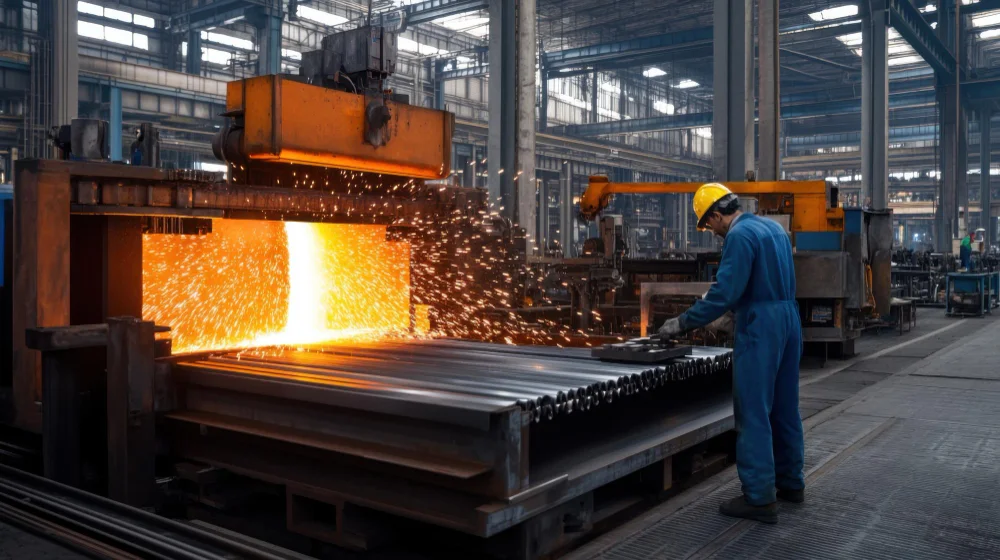
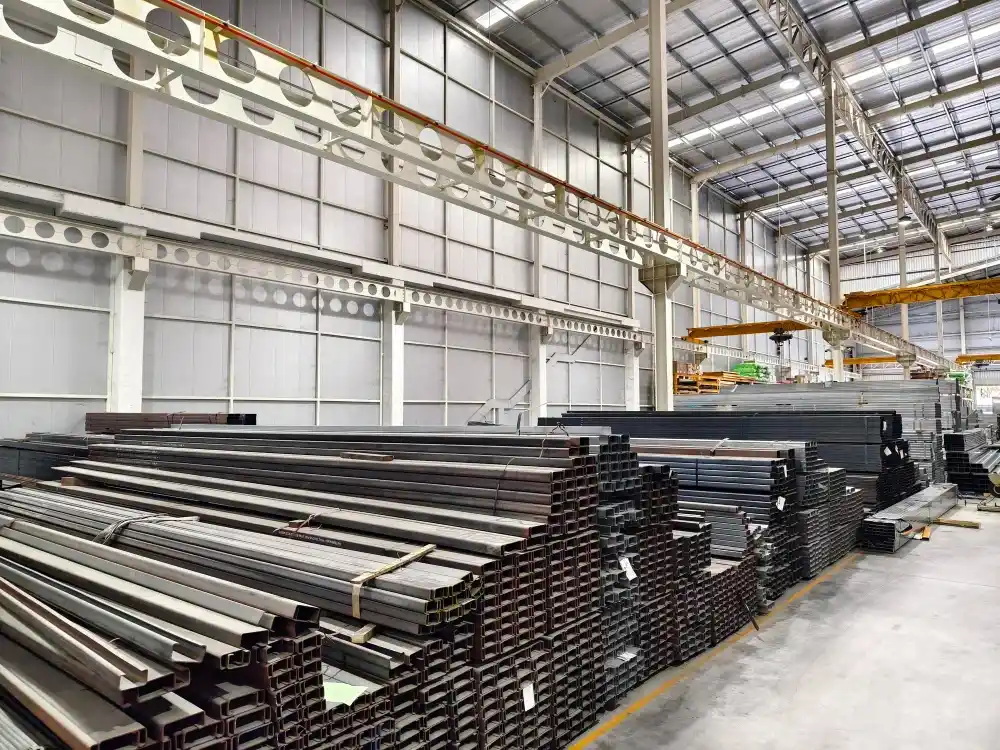
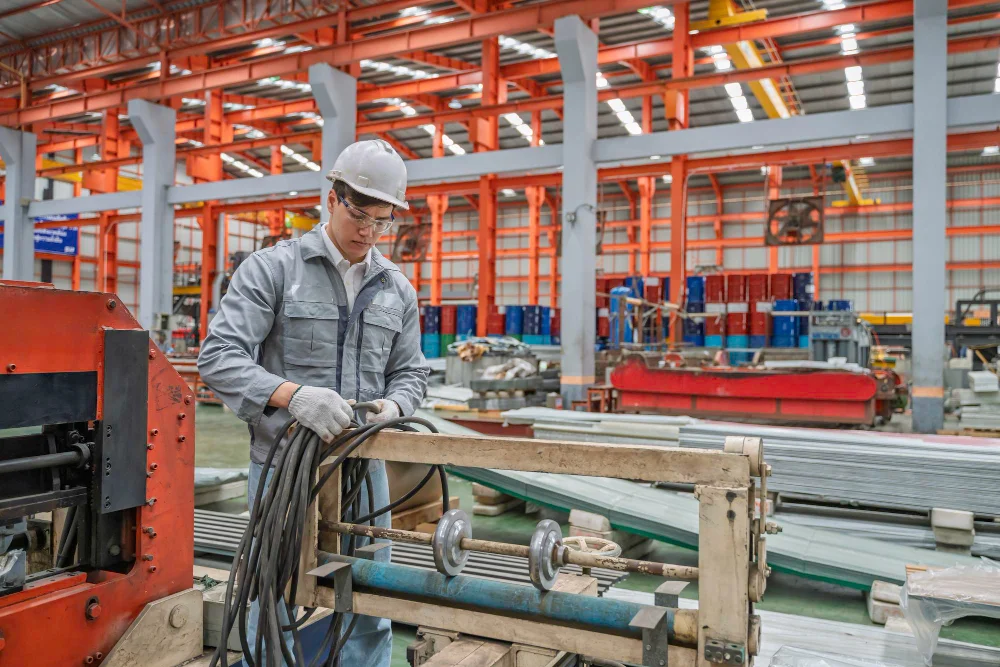
Fabrication lighting applications can include heavy fabrication and structural assembly facilities, sheet-metal fabrication and precision work areas, welding and cutting zones, machining and finishing areas, inspection and quality-control stations, and material-handling or crane-served production areas. The scope can also cover existing fabrication plants that require lighting retrofit, replacement, or upgrading to improve visibility, operational efficiency, and overall lighting performance.


What Metal Fabrication Plant Lighting Solutions Include
Metal Fabrication Plant Lighting Solutions are Include:
Fabrication-workflow lighting design
Layouts are developed around machinery, operator positions, material movement, workstations and production zones rather than treating the plant as one uniform space.
Photometric planning and task-based calculations
DIALux and photometric calculations can be used where applicable to evaluate fixture quantity, position, distribution and project-specific illumination criteria. Requirements vary by task and should not be reduced to one universal lux value.
Welding and cutting area lighting
Welding, cutting and grinding areas require attention to glare, viewing direction, reflective metal surfaces and the actual visual task. Fixture position and distribution should be assessed against the work being performed.
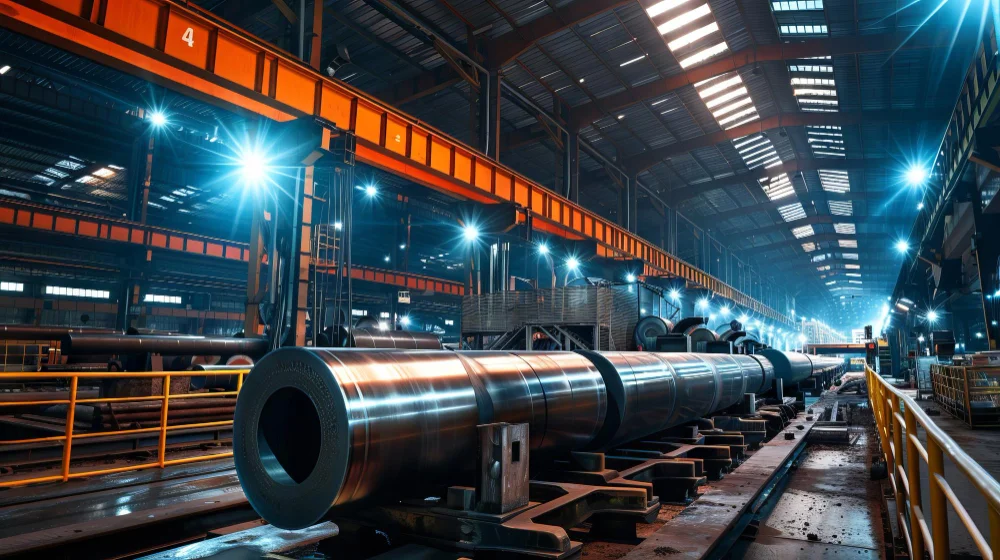
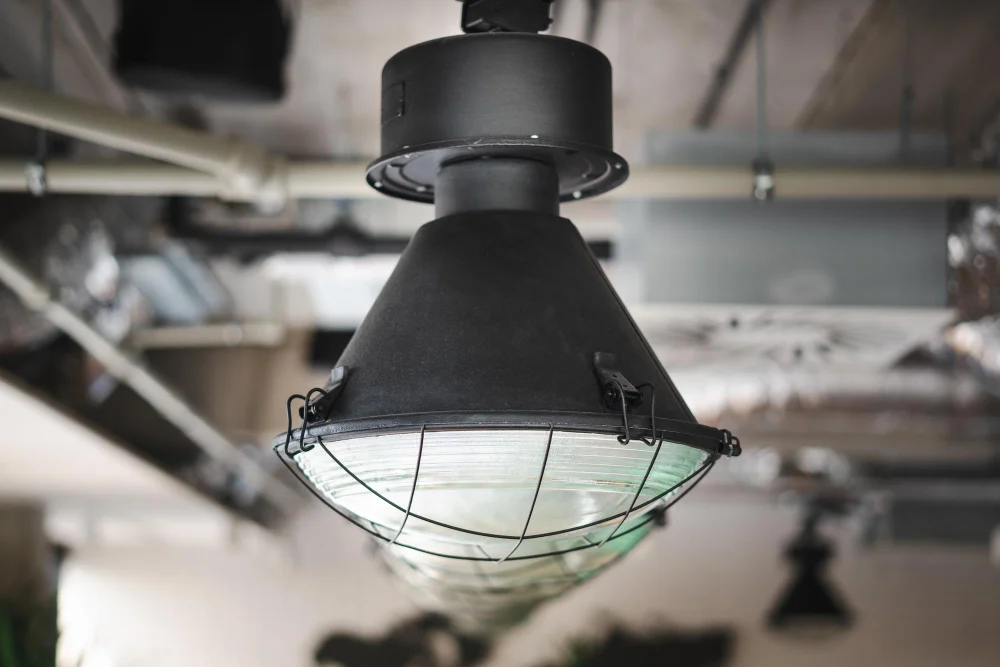
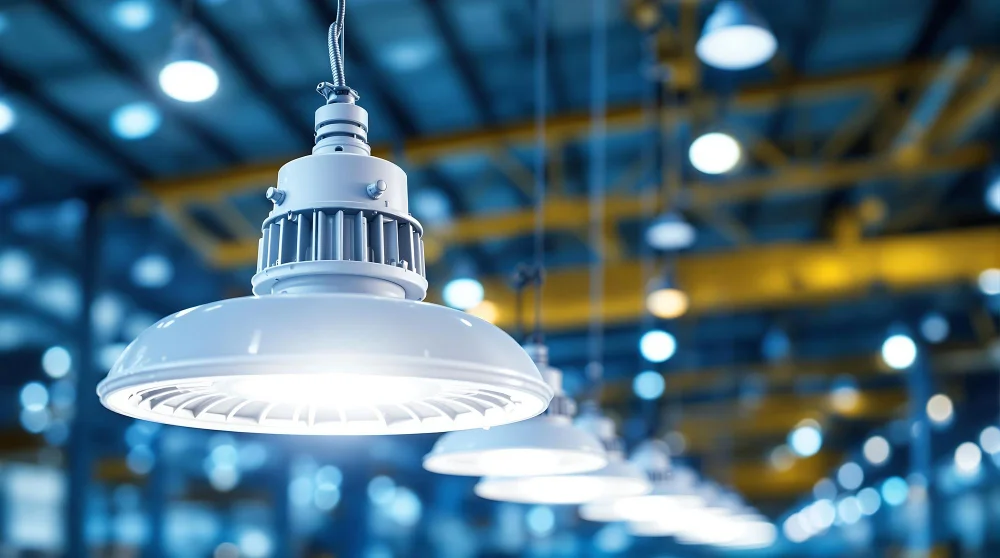
High-bay and high-ceiling lighting
Where fabrication halls have high mounting points, beam angle, mounting height, spacing and machine geometry should be evaluated to reduce avoidable shadow zones.
Fixture and system selection
Fixture selection is coordinated with heat, dust, vibration, mounting conditions, electrical characteristics, maintenance access and applicable environmental requirements. Final ratings must be supported by product documentation.
Electrical, control and installation coordination
Electrical planning, wiring, controls and installation are coordinated with the approved lighting design and the plant's operating constraints.
Testing and commissioning
Installed systems can be tested against the agreed project requirements, with illumination measurements where required, followed by commissioning and handover.
Fabrication Areas & Use Cases
Welding stations
Lighting should provide useful task visibility while considering glare, viewing direction and reflections from welding surfaces. The final arrangement depends on the actual welding task and work area.
Cutting areas
Cutting tables and machinery may require different distribution from general production zones. Machine geometry and operator position should be incorporated into the calculation and layout.
Grinding and finishing
Metal surfaces and airborne dust can affect visual conditions. Lighting position and glare control should be reviewed for the actual finishing process.
Sheet-metal work
Precision fabrication may require focused task visibility in addition to general high-bay illumination. Layout should reflect workbench and operator locations.
Heavy structural fabrication
Large assemblies, overhead cranes and tall structures can create obstruction shadows. Lighting should be planned against the actual production geometry.
Inspection & quality control
Inspection requirements should be identified before the lighting target is fixed. Surface reflectivity, viewing direction and task detail can influence the design.
Material handling & crane zones
Crane structures and moving loads can affect fixture placement and shadowing. Installation and maintenance access should also be considered.
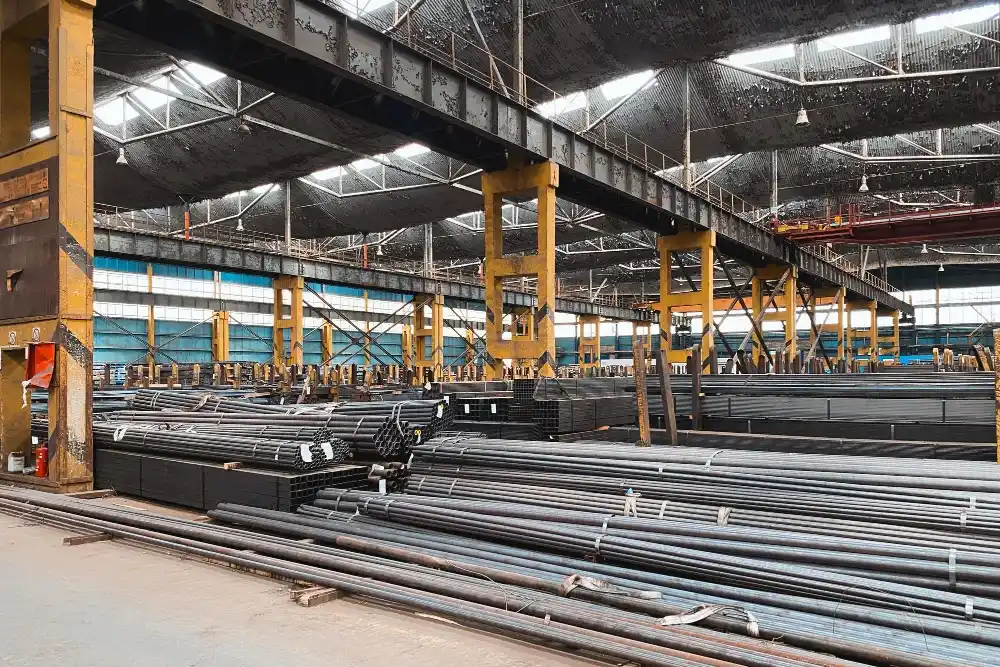
Storage, aisles and support areas
Storage, movement paths, workshops and utility areas may require different lighting distributions from primary fabrication workstations.
Metal Fabrication Lighting Challenges in Győr Conditions
Environmental conditions, weather exposure, corrosion risk, dust, moisture, temperature variation and maintenance requirements should be assessed for the individual site. The appropriate lighting specification depends on the actual environment, equipment and project requirements.
- Heat and elevated ambient temperature
- Dust and airborne particles
- Vibration and mechanical conditions
- Reflective metal surfaces and glare
- High mounting heights and maintenance access
- Overhead cranes and structural obstructions
- Electrical and control-system coordination
- Hazardous-area classification where applicable
- Emergency-lighting and egress requirements where applicable
- Phased installation around active production
Assessment & Design Inputs
- Plant location
- New-build or existing-facility status
- Architectural, structural and MEP drawings
- Fabrication machinery and production-line layout
- Welding, cutting, grinding and inspection locations
- Ceiling height and fixture mounting points
- Crane and material-handling layout
- Task descriptions and work-plane information
- Existing lighting layout and electrical information for retrofit work
- Operating hours and production schedule
- Heat, dust, moisture and vibration conditions
- Hazardous-area classification where applicable
- Control and zoning requirements
- Access and lifting constraints
- Applicable client, consultant, authority and project specifications
- Project-specific illuminance, glare and calculation criteria
DIALux & Photometric Design
Where applicable, VS Wilson can use DIALux and photometric calculations to assess a proposed fabrication lighting layout before installation. The model should use the available geometry, mounting conditions, luminaire data and agreed project criteria.
- Fabrication hall geometry
- Mounting height and fixture position
- Luminaire photometric data
- Work-plane and task assumptions
- Welding, cutting, assembly and inspection zones
- Machinery, crane and structural obstruction geometry
- Reflective surfaces where relevant
- Calculation areas and project-specific target criteria
- Alternative layouts where optimisation is required
VIEW SAMPLE DIALux REPORT
The client-provided DIALux PDF should be published in the evidence tab only after confirming it is genuine, text-searchable, identifies the actual project/facility type and has confidential information redacted. It must not be renamed or presented as proof of a different service.
If the sample relates to another sport or facility, display this exact disclosure adjacent to the report:
“This representative report demonstrates VS Wilson's photometric-design process. The sample relates to the project type identified in the report. Every project requires a separate design based on its venue, operating conditions and intended use.”
Provide an adjacent HTML summary and direct working PDF link.
Service-Specific Technical Problems
Machine and crane shadowing
Large machinery, structural assemblies and overhead cranes can interrupt light distribution. The design should be checked against actual geometry rather than a generic open-floor assumption.
Welding glare and reflections
Reflective metal surfaces and welding-related viewing conditions can create discomfort or reduce visual clarity. Fixture position, optics and task direction need to be assessed.
High-bay distribution
Large mounting heights change the relationship between optics, spacing and working-plane illumination. High-bay layouts should be calculated for the actual hall.
Uneven task illumination
General high-bay lighting may not address every welding, cutting, inspection or bench task. Zoning and task-specific lighting may be needed.
Retrofit mismatch
One-for-one fixture replacement can produce different distribution when optics, lumen output or mounting position change. Existing conditions should be surveyed before final design.
Heat, dust and vibration
Fabrication environments can expose equipment to demanding conditions. Fixture suitability must be based on actual exposure and manufacturer documentation.
Installation around active production
Installation may need phased execution because of cranes, machinery, production schedules and access restrictions.
Design-to-installation mismatch
Approved calculations can be undermined if actual mounting positions or machinery layouts change. Site verification and installation checks help maintain design intent.
Electrical and controls coordination
Industrial loads, circuits, zoning and controls should be coordinated with the existing or proposed electrical system. Project-specific electrical design determines the final arrangement.
Product Sourcing
VS Wilson can source lighting products according to the approved specification, client preference, documentation and market availability. Multi-brand sourcing is available according to project requirements.
- Photometric performance and distribution
- Mounting method and available supports
- Electrical characteristics
- Environmental suitability
- Thermal conditions
- Control compatibility
- Maintenance and access requirements
- Applicable hazardous-area requirements where relevant
Do not publish a universal IP rating, fixture lifetime, warranty or performance claim. The final product specification must come from the selected manufacturer's documentation.
Installation & Execution
- Review approved lighting layouts and installation requirements
- Confirm mounting points, supports, access and electrical routes
- Coordinate installation sequence with production, cranes and plant operations
- Install fixtures and associated electrical components within the agreed scope
- Verify fixture orientation, mounting position and circuit/zoning arrangement
- Document material or site changes that affect the approved design
- Complete testing before handover
For operating fabrication plants, installation may be phased by zone, production line or agreed work window. Avoid guaranteeing zero downtime; the actual sequence depends on site conditions and the client's production schedule.
New-Project Scope
For new fabrication facilities, lighting can be coordinated from early plant-layout review through photometric design, product selection, procurement, installation, testing and commissioning. Early coordination helps identify potential conflicts with structure, cranes, machinery, services and maintenance access.
Retrofit Scope
For existing fabrication facilities, retrofit work can include site assessment, review of existing fixtures and electrical infrastructure, new lighting design, product replacement, mounting or support modifications, electrical changes where required, installation, testing and commissioning.
Existing mounting points and circuits should not be assumed suitable for every replacement fixture. Site conditions must be verified before the final scope and quotation are agreed.
Testing & Commissioning
- Visual inspection of fixtures, supports and installation
- Electrical and circuit checks within the agreed scope
- Functional testing of lighting zones and controls where applicable
- Illumination measurements against agreed project criteria where required
- Review against approved lighting layouts
- Glare or task-area checks where included in the project scope
- Recording of deviations and corrective actions
- Final commissioning and handover documentation as agreed
Project Process
1. Enquiry & requirement review
Understand facility type, fabrication processes, location, project stage and main lighting requirement.
2. Drawings & site information
Review available layouts, elevations, machinery, crane and existing lighting information.
3. Site assessment
Inspect mounting, machinery, infrastructure and operating constraints where required.
4. Lighting design
Develop the project-specific layout and photometric calculations where applicable.
5. Technical specification
Select luminaires, mounting arrangements, controls and electrical requirements.
6. Proposal & approval
Present scope, assumptions, exclusions, product basis, programme and commercial proposal.
7. Procurement
Source approved products and required installation materials.
8. Installation
Execute the approved installation in coordination with plant operations.
9. Testing
Check electrical operation, controls and agreed illumination criteria.
10. Commissioning & handover
Complete final checks and provide agreed handover information.
Cost Factors — No Invented Pricing
- Plant/fabrication hall area
- Ceiling and mounting height
- Fixture type, optics and quantity
- Welding, cutting and inspection task requirements
- Crane and machinery constraints
- Existing infrastructure and retrofit requirements
- Structural supports or mounting modifications
- Cable routes and electrical works within scope
- Controls and zoning
- Environmental or hazardous-area requirements
- Access equipment and installation conditions
- Phased or off-shift installation
- Testing, documentation and commissioning
- Approved product brand/specification and availability
A quotation should be prepared after the relevant scope, site conditions, specification and product basis are understood.
Common Buyer Concerns
- Will the lighting design reflect our actual welding and fabrication layout?
- Can design, product sourcing and installation be handled under one coordinated scope?
- Can an existing fabrication plant be upgraded without assuming a complete shutdown?
- How will overhead cranes and machinery affect lighting?
- Can DIALux/photometric calculations be provided where applicable?
- How are glare and reflections from metal surfaces considered?
- What information is needed before a quotation?
- Can lighting zones or controls be incorporated?
- Can hazardous-area requirements be addressed where applicable?
FAQs
What lighting is suitable for metal fabrication plants?
The suitable system depends on the fabrication tasks, mounting height, machinery, environmental conditions and project criteria. High-bay lighting may be appropriate for large halls, while task-specific lighting can be required for welding, cutting, inspection and bench work.
How are lux levels determined for fabrication work?
Lighting targets depend on the actual task, work area, project specification and applicable requirements. Welding, cutting, assembly and inspection can require different criteria; one universal lux value should not be applied across the plant.
Can lighting installation be done without stopping production?
Installation can be phased around production schedules or agreed work windows where site conditions allow. The actual approach depends on safety, access, machinery, crane operations and the client's production requirements.
Do you provide DIALux design for metal fabrication plants?
DIALux and photometric calculations can be used where applicable to the project, based on available geometry, luminaire data, mounting conditions and agreed calculation criteria.
How do you control glare in welding areas?
Glare should be assessed against the actual welding task, fixture position, viewing direction, optics and reflective surfaces. The final design should be based on the project conditions rather than a generic fixture arrangement.
Can VS Wilson handle retrofit lighting for existing fabrication plants?
Yes. Retrofit scope can include assessment of existing lighting and infrastructure, redesign, product replacement, installation, testing and commissioning as agreed.
How are overhead cranes considered in the lighting design?
Crane structures and movement paths should be included in the layout review because they can affect fixture positioning, shadows, access and maintenance requirements.
Can hazardous-area lighting be included?
Where hazardous or potentially explosive areas exist, the classification and applicable requirements must be established before product selection. Appropriate equipment should be specified from verified documentation.
What affects the cost of fabrication plant lighting?
Plant area, mounting height, fixture quantity and type, task requirements, machinery and crane constraints, retrofit complexity, electrical work, controls, access and installation phasing can all affect cost.
How is lighting checked after installation?
Testing can include functional and electrical checks and, where required by the project scope, illumination measurements against agreed criteria before final commissioning and handover.
Do you provide complete project execution?
Yes. The confirmed capability includes lighting consultation, design, DIALux/photometric calculation where applicable, product sourcing, electrical installation, testing, commissioning and new-project/retrofit scope.
Evidence Section
Section title: DIALux & Project Evidence
Primary evidence CTA/button: VIEW SAMPLE DIALux REPORT
Publish the client-provided DIALux PDF only after confirming that it is genuine, text-searchable, identifies the actual project/facility type and contains no unredacted confidential information. The report must not be presented as manufacturing/fabrication evidence unless it actually documents that type of project.
Project-specific photographs and references: PENDING VERIFICATION. Do not publish unverified project names, clients, locations, testimonials or photographs as proof.
Planning a new metal fabrication plant or upgrading lighting in an existing facility?
Share your plant layout, fabrication processes, work areas, mounting conditions and project location with VS Wilson. The team can review the requirement and define the appropriate design, sourcing, installation, testing and commissioning scope for Győr project.
To know more about VS Wilson and our expertise, visit our About Us page. For more information, project requirements, or enquiries about our lighting solutions, Contact VS Wilson today.
Image Gallery