Automated Bedroom Lighting Systems in Durham
VS Wilson provides automated bedroom lighting systems across Durham, combining lighting design, automation planning, product sourcing, electrical installation, system configuration, testing and commissioning.
The system can be planned around how the bedroom is actually used, including sleeping, reading, dressing, relaxation, night movement and morning routines. Lighting zones can be controlled through appropriate switches, dimmers, mobile interfaces, schedules, sensors or other automation interfaces according to the selected system and project requirements.
For new bedrooms, automation can be coordinated with the interior, ceiling and electrical design from the beginning. For existing bedrooms, VS Wilson can assess the current wiring and lighting arrangement and develop a retrofit approach where compatible with the existing infrastructure.
Where applicable, DIALux and photometric calculations can support the lighting design before installation.
Bedroom Lighting Automation Planning Priorities
Automated bedroom lighting should be planned around how the room is actually used, how lighting zones are grouped and how users access controls throughout the day and night. Early coordination between luminaires, dimmers, sensors, switches and automation interfaces helps create a system that is practical to operate and compatible with the bedroom’s electrical and interior design.
What Are Automated Bedroom Lighting Systems?
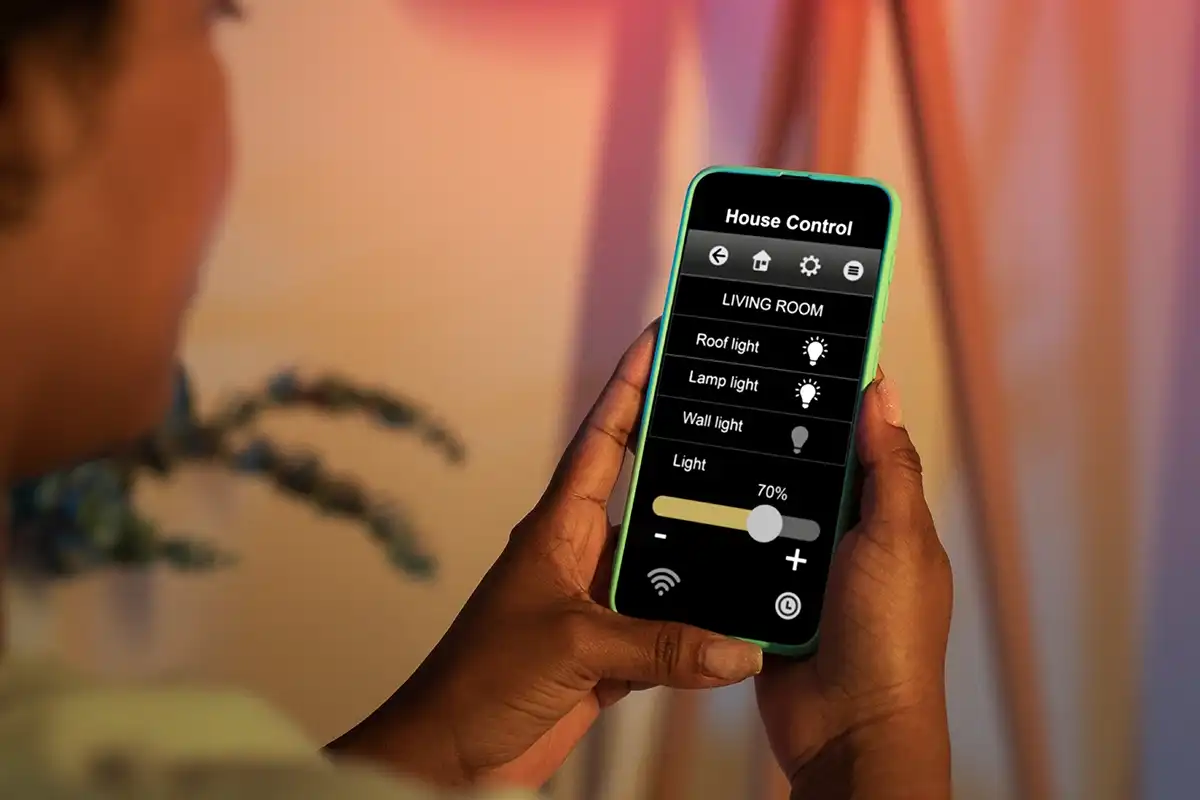
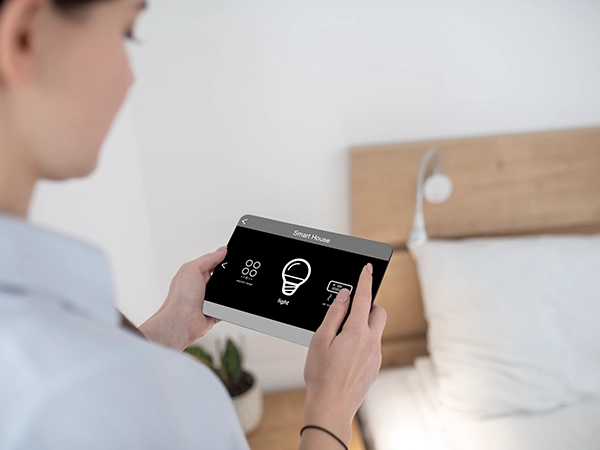
Automated bedroom lighting systems combine bedroom lighting fixtures with control equipment and automation logic so that different lighting zones can be operated according to user preferences, schedules and project-defined conditions. Instead of relying only on individual switches, a properly planned system can allow multiple lighting zones to be controlled together or independently. Depending on the selected system, controls may include: Wall switches and keypads, Dimmers, Mobile applications, Centralised control interfaces, Scheduled operation, Motion or occupancy-based control, Scene controls, Voice-control integration where supported, Integration with other smart-home systems where specified.
The appropriate control method depends on the bedroom layout, electrical infrastructure, automation platform, selected luminaires and the way the room is intended to be used.


Automated Bedroom Lighting for Durham Homes
Bedroom lighting automation should start with the room rather than with the control technology.
The design assessment can consider:
- Bed position
- Bedside areas
- Wardrobe and dressing zones
- Reading areas
- Circulation routes
- Ceiling layout
- Cove or concealed lighting
- Decorative lighting
- Natural-light conditions
- Existing electrical points
- Existing switches
- Number of lighting circuits
- User control preferences
- Automation requirements
- Interior design
- Curtain and shading requirements
- Climate or other smart-home integrations
- New-build or retrofit conditions
This approach helps ensure that automation supports the actual bedroom layout instead of simply adding smart controls to an otherwise uncoordinated lighting system.
Bedroom Lighting Zones for Automation
A bedroom commonly contains several lighting functions. Separating these functions into appropriate zones can make automation more useful.
Main Ambient Lighting
The primary lighting zone provides general illumination for the bedroom.
It may use recessed fixtures, surface-mounted fixtures, concealed lighting or another suitable arrangement according to the ceiling and interior design.
Bedside Lighting
Bedside lighting can be controlled independently so that users do not need to operate the main bedroom lighting when reading, preparing for sleep or getting up during the night.
Reading Lighting
Where reading areas are required, dedicated lighting can be planned around the actual seating or bed position.
Wardrobe and Dressing Lighting
Wardrobes, dressing areas and mirrors may require dedicated lighting zones.
These can be controlled separately from the general bedroom lighting to avoid illuminating the entire room when only the dressing area is being used.
Cove and Concealed Lighting
Cove or concealed lighting can be integrated into automated scenes where the architecture and control system support it.
Decorative and Accent Lighting
Feature lighting can be placed into separate zones so that it can be used for selected scenes without operating every other bedroom circuit.
Night Lighting
Low-level lighting can be planned for movement during night hours.
Where appropriate, sensors or scheduled scenes can activate a selected low-level zone rather than the full bedroom lighting system.
Bedroom Lighting Scenes
Scene-based control is one of the main applications of bedroom lighting automation.
A project may include scenes such as:
Wake-Up Scene
A programmed scene can gradually or sequentially activate selected lighting zones according to the configured system and user requirements.
Morning Scene
The morning configuration can activate the required bedroom lighting at a defined time or through the selected control interface.
Reading Scene
A reading scene can activate the appropriate bedside or reading-zone lighting while keeping unnecessary zones switched off or dimmed.
Relax Scene
A relaxation scene can use selected ambient, concealed or decorative lighting zones according to the programmed configuration.
Night Scene
A night scene can reduce the active lighting zones and operate selected low-level or bedside lighting.
All-Off Scene
An all-off command can switch off the bedroom lighting zones from one control point where the automation system supports this function.
Scene names and behaviour should be agreed during project design and commissioning rather than assumed to be identical for every bedroom.
Smart Dimming and Lighting Control
Dimming can provide more flexible control than simple on/off switching.
Depending on the selected equipment, a bedroom lighting system may support:
- Adjustable brightness
- Independent zone control
- Scene-based dimming
- Scheduled dimming
- Bedside control
- Mobile control
- Centralised control
- Integration with other automation functions
Compatibility between the luminaire, driver, dimmer and control system is important.
An incompatible combination can result in issues such as:
- Flickering
- Limited dimming range
- Delayed response
- Unexpected switching
- Control failure
- Inconsistent behaviour between lighting zones
For this reason, fixture and control-system selection should be considered together.
Sensors and Automated Bedroom Lighting
Sensors can be used where they are appropriate for the room and intended operating pattern.
Potential applications include:
- Night-time movement
- Bedroom entrance
- Wardrobe areas
- Dressing areas
- Circulation zones
- Low-level pathway lighting
Sensor behaviour should be configured carefully.
For example, automatic activation may be useful for night movement, but unnecessary activation of bright main lighting can disturb the intended bedroom environment.
The sensor type, location, detection area and automation logic should therefore be considered during system planning.
App, Wall and Centralised Control
Automated bedroom lighting can be operated through different interfaces depending on the selected automation architecture.
Possible interfaces include:
Wall Controls
Dedicated switches, keypads or control panels can provide local access without requiring a mobile device.
Mobile Control
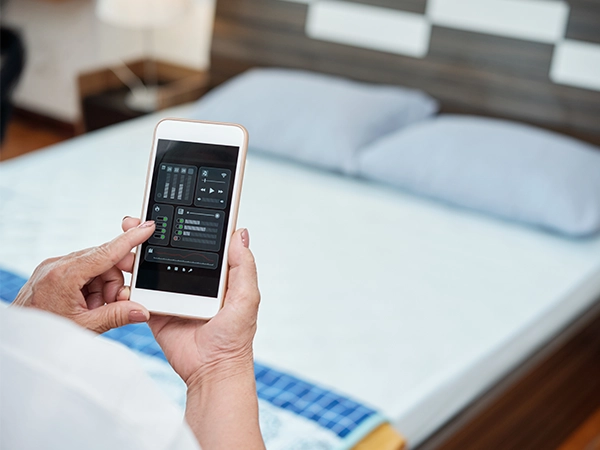
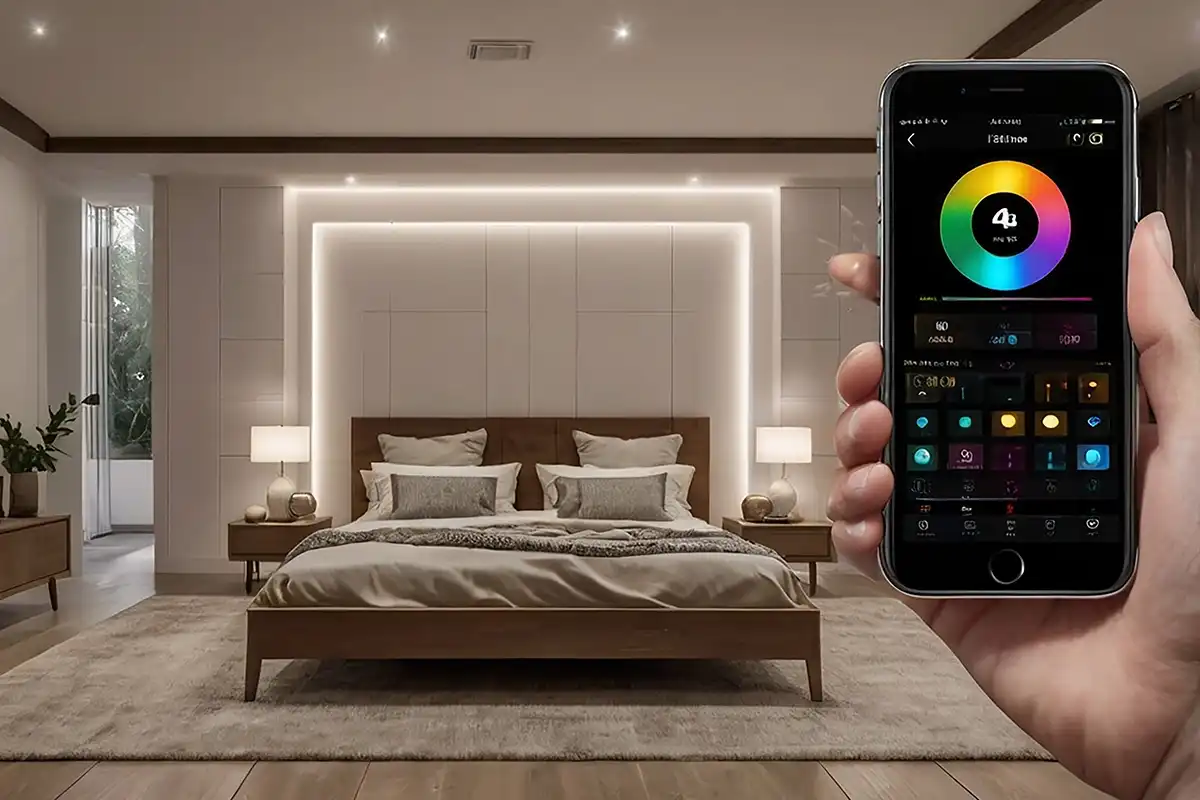
Where supported by the selected system, users can operate lighting through a mobile interface.
Centralised Smart-Home Control
Bedroom lighting may form part of a wider home automation system where lighting, shading, climate or other systems are managed through a common control platform.
Voice Control
Where compatible with the selected automation ecosystem, voice control can be incorporated for hands-free operation.
The final interface should be selected around usability, system compatibility and project requirements.
Integration With Curtains and Shading
Bedroom lighting can be coordinated with motorised curtains or blinds where the broader smart-home system supports this integration.
Possible coordinated scenes may include:
- Morning
- Evening
- Sleep
- Away
- Relaxation
The lighting and shading behaviour should be programmed according to the actual project requirements rather than assuming that every automation system supports the same integrations.
Integration With Climate and Other Smart-Home Systems
In larger residential automation projects, bedroom lighting may form part of a broader smart-home system.
Potential integrations can include:
- Motorised curtains
- Climate control
- Occupancy sensing
- Security systems
- Centralised home control
- Other room automation functions
Integration depends on the selected platforms, interfaces and project specification.
VS Wilson should not represent a third-party integration as a universal capability of every automation system. The actual integration scope should be confirmed during system design.
DIALux and Photometric Design
Where applicable, VS Wilson can use DIALux and photometric calculations to develop and evaluate the bedroom lighting arrangement before installation.
The design may consider:
- Bedroom dimensions
- Ceiling geometry
- Furniture arrangement
- Bed position
- Wardrobe location
- Lighting zones
- Luminaire positions
- Luminaire photometric data
- Proposed lighting levels where project criteria are defined
- Light distribution
- Glare considerations
DIALux calculations are project-specific. There is no single universal lighting level, colour temperature or fixture arrangement that should be applied to every bedroom.
Information Required for DIALux Planning
Useful inputs may include:
- Architectural drawings
- Reflected ceiling plans
- Bedroom dimensions
- Furniture layout
- Interior design drawings
- Luminaire specifications
- Existing lighting information
- Proposed lighting zones
- User requirements
- Automation requirements
Where drawings are incomplete, a site assessment may be required before final design development.
Lighting Fixture and Product Sourcing
VS Wilson can source lighting fixtures, control components and associated materials according to the project specification, client preference, documentation and market availability.
Potential lighting products may include:
- Smart ceiling fixtures
- Dimmable downlights
- Bedside wall lights
- Pendant fixtures
- Cove or concealed lighting
- LED strip systems
- Wardrobe lighting
- Dressing-area lighting
- Night lights
- Accent lighting
- Suitable drivers and control components
- Automation interfaces and accessories
The final products should be selected based on compatibility with the proposed control architecture and actual installation conditions.
Manufacturer-specific characteristics such as dimming compatibility, control protocol, enclosure rating, warranty and lifespan should be verified against the selected product documentation rather than treated as universal specifications.
Electrical and Automation Planning
Automated lighting should be coordinated with the electrical design.
Important considerations may include:
- Circuit allocation
- Load requirements
- Driver compatibility
- Control wiring
- Distribution arrangements
- Switch and keypad locations
- Sensor locations
- Control-system interfaces
- Existing wiring
- Ceiling access
- Concealed wiring
- Integration with other systems
Electrical planning should happen early enough to avoid placing control points where they are inconvenient or difficult to modify later.
New Bedroom Lighting Automation Projects
For new villas, apartments and smart-home projects, automated bedroom lighting should ideally be considered during the interior and electrical design stages.
Early planning allows the project team to coordinate:
- Lighting zones
- Ceiling layouts
- Switch and keypad locations
- Bedside controls
- Sensor positions
- Curtain integration
- Electrical circuits
- Control-system infrastructure
- Access for installation
This can reduce the likelihood of late changes to completed ceilings, walls or interior finishes.
Automated Bedroom Lighting Retrofit
Existing bedrooms can also be assessed for lighting automation.
A retrofit assessment may review:
- Existing electrical wiring
- Existing lighting circuits
- Switch locations
- Distribution arrangement
- Ceiling construction
- Available access
- Existing fixtures
- Driver compatibility
- Control requirements
Depending on the property, a retrofit may use the existing wiring, require additional wiring or use a suitable alternative control architecture.
There is no single retrofit method that is appropriate for every bedroom.
Common Problems With Bedroom Lighting Automation
Too Many Independent Switches
A bedroom with several lighting layers can become difficult to operate when every circuit has a separate switch.
Poor Switch Placement
Controls that are positioned without considering bed location, room entry and circulation can reduce the practical benefit of automation.
Fixture and Controller Incompatibility
Incompatible drivers, fixtures and controls can result in flickering, limited dimming or unreliable operation.
Poorly Configured Scenes
A technically functional system can still provide a poor user experience if programmed scenes do not reflect how the bedroom is actually used.
Sensor Misplacement
A poorly positioned sensor can cause unwanted activation or fail to detect movement in the intended area.
Retrofit Wiring Constraints
Existing wiring can limit the available automation options or require additional work.
Lack of Coordination With Interior Design
Late automation planning can result in conflicts with false ceilings, wardrobes, wall panels, switches or other interior elements.
Over-Automation
Not every bedroom function needs to be automated. A practical system should provide useful control without making everyday operation unnecessarily complicated.
Lighting Automation and Energy Management
Lighting controls can help manage when and how lighting operates.
The design and installation must follow the applicable local building, electrical, fire-safety and project-authority requirements.
However, actual energy savings depend on the installed equipment, operating patterns, control strategy and user behaviour. No fixed percentage saving should therefore be promised for every automated bedroom.
Automation can support:
- Switching off unused zones
- Scheduled operation
- Dimming
- Occupancy-based operation where appropriate
- More precise control of lighting zones
Lighting Automation for Apartments and Villas
Apartments
Apartment bedroom automation needs to work within the existing or planned electrical and interior infrastructure.
Important considerations can include:
- Ceiling construction
- Existing wiring
- Switch locations
- Apartment distribution board
- Smart-home infrastructure
- Interior finishes
- Retrofit access
Villas
Villa projects may involve multiple bedrooms and a wider smart-home ecosystem.
Lighting automation can therefore be planned around:
- Multiple bedrooms
- Master bedroom
- Guest bedrooms
- Dressing rooms
- Corridors
- Bathrooms
- Curtains
- Climate
- Centralised home control
The exact system architecture depends on the overall project specification.
Luxury and Smart Homes
For higher-complexity residences, bedroom lighting can form part of a wider integrated automation strategy.
The bedroom can have independent scenes while also responding to broader home scenes such as:
- Good Morning
- Good Night
- Away
- Home
- Relaxation
The actual scene behaviour should be programmed according to the approved project scope.
Bedroom Lighting Automation for Renovation Projects
Renovation projects require an assessment of what can be reused and what needs to change.
The assessment can cover:
- Existing fixtures
- Existing drivers
- Existing switches
- Cable routes
- Ceiling access
- Distribution circuits
- Control infrastructure
- Smart-home platform
- Proposed new lighting zones
This allows the automation strategy to be developed around the existing property instead of assuming a complete new electrical installation.
Technical and Safety Considerations
Automated bedroom lighting combines electrical equipment, luminaires, control devices and sometimes networked interfaces.
Important considerations include:
- Electrical load compatibility
- Driver and dimmer compatibility
- Appropriate wiring
- Earthing and electrical protection
- Control-system compatibility
- Heat management
- Fixture installation requirements
- Access for maintenance
- Manufacturer installation instructions
- Applicable Durham electrical requirements
IEC 60598-1:2024 specifies general safety requirements and tests for luminaires, including requirements relating to electrical and mechanical aspects of luminaire construction and operation.
The final installation should be based on the actual selected products, project design and applicable Durham requirements.
Smart Bedroom Lighting Cost Factors in Durham
There is no single fixed price for automated bedroom lighting because project complexity varies considerably.
Important cost factors include:
- Number of lighting zones
- Number of bedrooms
- Lighting fixture selection
- Dimming requirements
- Control interfaces
- Automation platform
- Wired or wireless architecture
- Sensors
- Scene complexity
- Integration with curtains or climate systems
- Existing wiring
- Retrofit requirements
- Ceiling and interior conditions
- Control-system hardware
- Electrical installation
- Programming and commissioning
- Product sourcing requirements
A project quotation should therefore be developed from the actual room layouts, lighting requirements and automation scope.
Our Automated Bedroom Lighting Process
1. Project Assessment
Review the bedroom layout, existing or proposed lighting, electrical infrastructure, automation objectives and interior requirements.
2. Lighting and Control Planning
Define lighting zones, control points, sensors, scene requirements and automation functions.
3. Drawing Review
Review architectural, reflected ceiling, electrical and interior drawings where available.
4. Photometric Design
Where applicable, prepare DIALux or other photometric calculations using the project geometry and proposed luminaires.
5. System and Product Selection
Select compatible luminaires, drivers, control components, sensors and other required products according to the approved specification.
6. Procurement
Source the approved products, materials, labour and equipment according to the agreed proposal.
7. Electrical Installation
Install the lighting circuits, fixtures, controls and associated electrical infrastructure according to the approved scope.
8. Automation Configuration
Configure scenes, schedules, dimming behaviour, sensor logic and interfaces according to the agreed project requirements.
9. Testing and Adjustment
Test the lighting circuits, controls, scenes, sensors and interfaces under actual operating conditions.
10. Final Commissioning and Handover
Complete final adjustments and commission the system for handover according to the agreed project scope.
What to Provide for an Automated Bedroom Lighting Proposal
For an initial assessment, provide where available:
- Durham project location
- Bedroom floor plan
- Reflected ceiling plan
- Interior design drawings
- Furniture layout
- Existing lighting plan
- Existing electrical information
- Photos or video of the bedroom
- Number of lighting zones
- Desired lighting scenes
- Preferred control method
- Existing smart-home system
- Curtain or blind automation requirements
- Climate-control integration requirements
- New-build or retrofit requirement
- Project timeline
- Consultant requirements
- Preferred lighting products, if already specified
These inputs allow the lighting and automation requirements to be assessed before preparing the detailed proposal.
DIALux Evidence
A client-provided DIALux PDF will be published in the service-page evidence section.
VIEW SAMPLE DIALux REPORT
The published PDF should remain the genuine report, with the actual project type clearly identified and confidential information redacted where necessary.
If the representative report relates to another facility or project type, display the following disclosure beside the evidence:
This representative report demonstrates VS Wilson’s photometric-design process. The sample relates to the project type identified in the report. Every project requires a separate design based on its venue, operating conditions and intended use.
VS Wilson Automated Bedroom Lighting Capability
SITE ASSESSMENT
DRAWING REVIEW
LIGHTING PLANNING
PHOTOMETRIC DESIGN
PRODUCT SOURCING
ELECTRICAL INSTALLATION
SYSTEM TESTING
FINAL COMMISSIONING
PLAN — PROJECT ASSESSMENT
DESIGN — LIGHTING PLANNING
SOURCE — PRODUCT PROCUREMENT
DELIVER — INSTALLATION & HANDOVER
Automated Bedroom Lighting Across Durham
VS Wilson provides automated bedroom lighting systems project support in Durham through project-specific planning, mobilisation and on-site execution, subject to the agreed scope. Service availability does not imply a permanent local office.
Frequently Asked Questions
What are automated bedroom lighting systems?
Automated bedroom lighting systems combine bedroom lighting fixtures with controls and automation logic so users can operate lighting zones through appropriate switches, dimmers, schedules, sensors, apps or other supported interfaces.
Can VS Wilson automate lighting in an existing bedroom?
Yes. Existing bedrooms can be assessed for retrofit automation. The available approach depends on the existing wiring, fixtures, controls, ceiling construction and selected automation system.
Can bedroom lights be controlled from a phone?
Yes, where the selected automation system provides a compatible mobile interface.
Can bedroom lighting be controlled by voice?
Voice control can be integrated where supported by the selected smart-home or lighting-control ecosystem.
Can automated bedroom lighting include dimming?
Yes. Dimming can be included where the selected fixtures, drivers and control equipment are compatible.
Can bedroom lighting be controlled with scenes?
Yes. Scenes can be configured for functions such as morning, reading, relaxation, night or all-off, subject to the selected control system and approved project requirements.
Can motion sensors be used in a bedroom?
Yes, where appropriate. Sensors can be useful for applications such as night movement, entrances, wardrobes or low-level lighting. Their position and automation logic should be planned carefully.
Can bedroom lighting integrate with curtains or blinds?
It can, where the selected automation platform and connected systems support the required integration.
Does every automated bedroom require DIALux?
No. DIALux is used where applicable based on the design complexity and photometric requirements of the project.
What affects automated bedroom lighting cost in Durham?
Cost depends on lighting zones, fixtures, controls, automation platform, sensors, wiring, retrofit conditions, integration requirements, programming and installation complexity.
Can VS Wilson handle testing and commissioning?
Yes. VS Wilson’s confirmed capability includes electrical installation, testing and commissioning within the agreed project scope.
Discuss Your Automated Bedroom Lighting Project
Automated bedroom lighting works best when the lighting layout and control strategy are considered together.
Whether you are developing a new Durham residence, upgrading an existing bedroom or integrating lighting into a wider smart-home project, VS Wilson can review the room layout, electrical conditions and automation requirements and develop the appropriate project scope.
To know more about VS Wilson and our expertise, visit our About Us page. For more information, project requirements, or enquiries about our lighting solutions, Contact VS Wilson today.
Image Gallery