Horse Riding Field Lighting in Düsseldorf
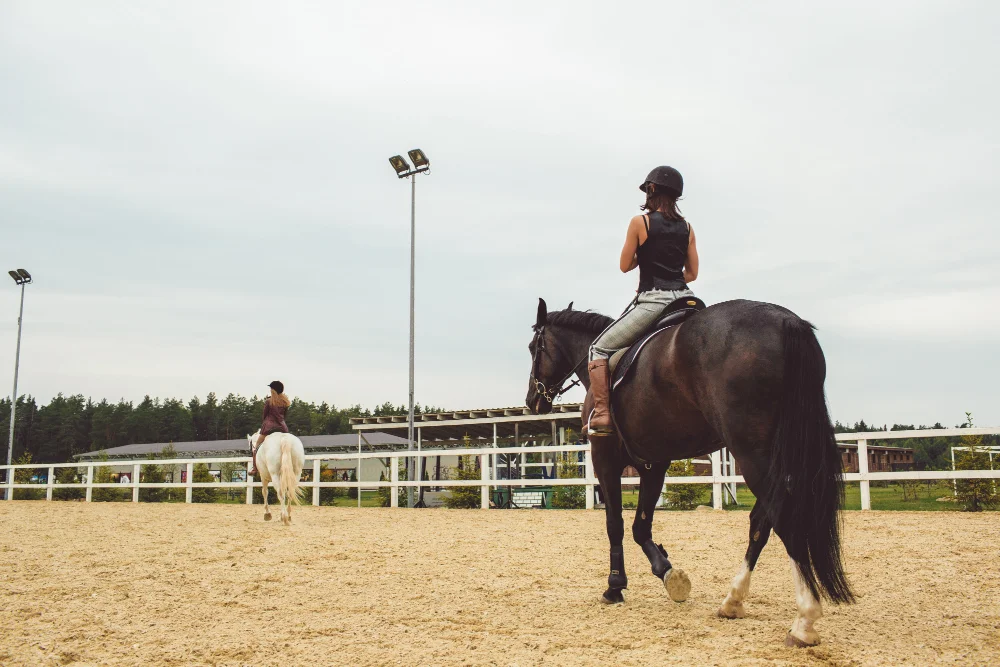
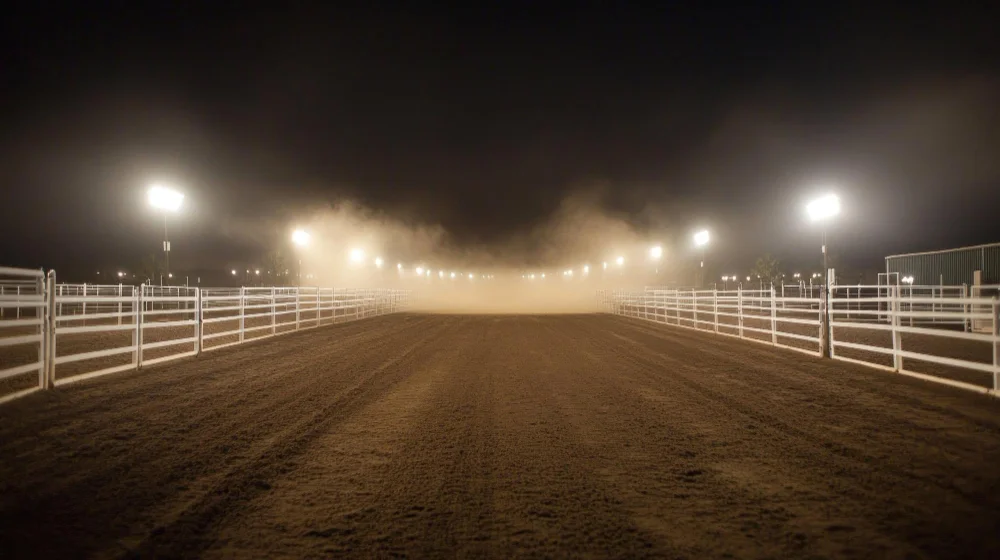
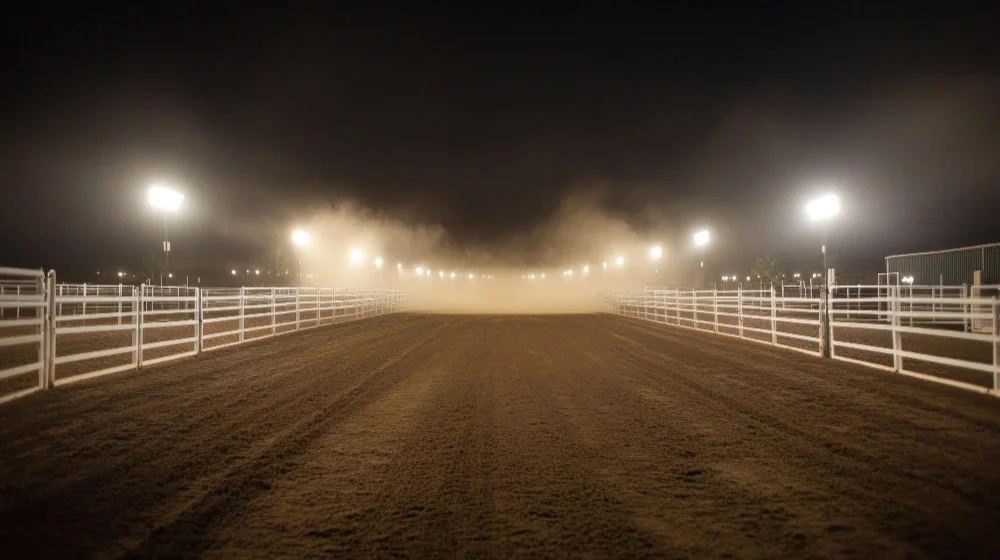
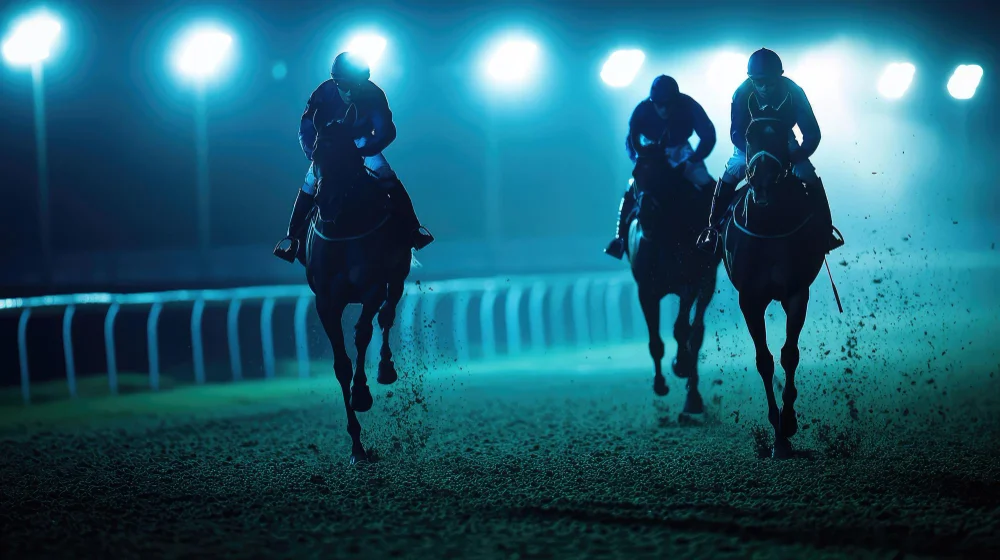
VS Wilson provides horse riding field lighting design and installation services across Düsseldorf for equestrian arenas, riding schools, training grounds, horse-riding clubs, dressage facilities, show-jumping arenas, polo and other outdoor riding environments.
The service covers project assessment, field and arena lighting planning, photometric design, pole and luminaire selection, product sourcing, electrical installation, system testing and final commissioning.
Equestrian lighting requires more than simply increasing light output. The layout should consider the riding surface, horse and rider sightlines, shadows, glare, pole locations, mounting height, beam distribution and the intended use of the facility.
Where applicable, VS Wilson can use DIALux or other suitable photometric calculations to assess the proposed lighting arrangement before installation.
VS Wilson operates from Dubai and provides service delivery and project mobilisation across Düsseldorf.
What Is Horse Riding Field Lighting?
Horse riding field lighting is the design and installation of artificial lighting for outdoor and indoor equestrian riding environments.
Depending on the project requirements, the service can cover outdoor riding arenas, horse training fields, dressage arenas, show-jumping arenas, equestrian clubs, riding schools, polo and equestrian grounds, private riding estates, lunge arenas, covered and indoor riding arenas, training grounds, and competition facilities. The final lighting arrangement is developed according to the dimensions of the riding area, the equestrian discipline, operating hours, facility type, and applicable project requirements. Düsseldorf equestrian facilities can range from smaller private riding arenas to large training and competition complexes, with some venues incorporating multiple indoor and outdoor arenas, dressage areas, jumping facilities, and dedicated training spaces.


Horse Riding Arena Lighting Design in Düsseldorf
A riding arena requires a lighting layout designed around the actual riding area rather than simply distributing floodlights around the perimeter.
The design can consider:
- Arena dimensions
- Field orientation
- Riding surface
- Arena fencing
- Riding discipline
- Jumping equipment
- Dressage layout
- Rider sightlines
- Horse movement
- Pole positions
- Mounting height
- Luminaire distribution
- Glare
- Shadows
- Light spill
- Surrounding buildings
- Adjacent properties
- Operating hours
The lighting design should be developed from the actual facility drawings and operating requirements.
Outdoor Horse Riding Field Lighting
Outdoor equestrian fields require lighting capable of covering a relatively large open area while maintaining controlled distribution.
The design can address:
- Field dimensions
- Pole locations
- Mounting height
- Beam spread
- Luminaire aiming
- Ground coverage
- Shadows
- Glare
- Light spill
- Wind exposure
- Terrain
- Electrical routing
- Maintenance access
The goal is not to use the maximum possible output. The objective is to produce an appropriate and controlled lighting distribution for the intended riding activity.
Indoor Horse Arena Lighting
Indoor arenas present different design conditions because luminaires may be mounted to a roof or structural system rather than perimeter poles.
The design can consider:
- Ceiling height
- Roof structure
- Arena dimensions
- Mounting positions
- Structural restrictions
- Riding surface
- Jumping areas
- Rider sightlines
- Shadows
- Glare
- Reflections
- Maintenance access
Indoor and outdoor arenas should therefore not automatically use the same lighting layout.
Equestrian Lighting for Dressage Arenas
Dressage requires riders to observe arena markings, movement paths and horse position accurately.
Lighting design can consider:
- Arena geometry
- Dressage markers
- Riding surface
- Rider sightlines
- Uniformity
- Shadow control
- Glare
- Luminaire positioning
- Viewing areas where applicable
The required lighting level should be established from the intended use and applicable project criteria rather than applying one universal lux value.
Show Jumping Arena Lighting
Show-jumping facilities introduce additional visual considerations because horses and riders interact with jumps and obstacles throughout the arena.
Lighting design can consider:
- Jump locations
- Arena boundaries
- Riding lines
- Approach zones
- Landing areas
- Rider sightlines
- Shadow patterns
- Glare
- Pole positions
- Luminaire aiming
Sharp or distracting shadow patterns around jumps can become particularly undesirable. Equestrian lighting guidance highlights the importance of controlling shadows because horses respond differently to visual conditions than humans.
Horse Riding Club Lighting
Horse riding clubs may require lighting for:
- Regular evening riding
- Riding lessons
- Training
- Dressage
- Show jumping
- Club events
- Member use
- Competition preparation
The design should therefore begin with the club’s actual operating schedule and facility use.
A riding school with daily evening classes may require a different control and operating strategy from a private riding arena used occasionally.
Horse Arena Lighting for Training
Training arenas generally require predictable visibility across the riding surface.
The lighting design can focus on:
- Uniform distribution
- Controlled glare
- Shadow management
- Rider comfort
- Horse visual conditions
- Arena-edge visibility
- Jump visibility
- Independent control where required
The final lighting criteria should reflect the training activity and project requirements.
Horse Arena Lighting & Horse Visual Comfort
Horse lighting requires consideration of the animal as well as the rider.
Horses can react to changes in shadows, contrast and visual conditions. Equestrian lighting guidance therefore emphasises smooth illumination, glare control and avoiding problematic shadow patterns.
Design considerations can include:
- Avoiding harsh bright spots
- Reducing distracting shadows
- Controlling direct glare
- Maintaining consistent lighting across the riding surface
- Managing transitions at gates and entrances
- Selecting appropriate beam distributions
- Considering rider and horse sightlines
This is one reason why a photometric design is preferable to selecting floodlights solely by wattage.
Horse Arena Lighting Uniformity
Uniformity is a major consideration in equestrian lighting.
A system can have a high average lighting level but still contain dark areas or excessive bright spots.
The design should therefore evaluate:
- Average illumination
- Minimum areas
- Maximum areas
- Uniformity
- Pole spacing
- Luminaire distribution
- Beam overlap
- Arena edges
- Corners
- Riding paths
The final uniformity target should be established from the facility’s intended use and applicable project requirements.
Do not treat one published lux or uniformity ratio as a universal Düsseldorf requirement.
Horse Arena Lighting & Shadow Control
Shadows can be created by:
- Horses
- Riders
- Jumps
- Arena fencing
- Poles
- Buildings
- Poorly positioned luminaires
Strong or unpredictable shadow patterns can affect how the riding surface and obstacles are perceived.
Lighting guidance for equestrian facilities specifically identifies shadow behaviour as an important design consideration because of the horse’s visual characteristics.
VS Wilson can assess fixture positioning, beam distribution and mounting arrangements during photometric planning to reduce undesirable shadow patterns.
Horse Riding Field Lighting Glare Control
Glare should be considered for both riders and horses.
Potential sources include:
- Direct view of high-intensity luminaires
- Incorrect fixture aiming
- Excessive tilt
- Poor mounting position
- Inappropriate beam distribution
- Low mounting height
- Uncontrolled spill
The design can review:
- Luminaire optics
- Mounting height
- Pole location
- Fixture aiming
- Tilt
- Rider sightlines
- Horse sightlines
- Surrounding environment
The objective is to direct useful light onto the riding area without unnecessarily placing bright sources in the visual field.
Horse Arena Pole Positioning
Pole location has a direct effect on the resulting light distribution.
Depending on the arena, poles may be positioned around:
- Long sides
- Short sides
- Perimeter
- Corners
- Central areas
- Existing structural locations
The final arrangement depends on arena dimensions, mounting height, luminaire optics, access and photometric calculations.
A pole layout should not be copied from another arena without checking the actual geometry.
Horse Arena Pole Height
Pole height influences:
- Beam coverage
- Light distribution
- Glare
- Shadow patterns
- Fixture aiming
- Structural requirements
- Wind loading
- Maintenance access
Higher poles can provide broader coverage in some layouts, while other projects may require different mounting arrangements.
The appropriate height should therefore be determined through project-specific design rather than a universal specification.
LED Horse Riding Field Lighting
LED luminaires can be considered for new equestrian lighting installations and retrofit projects.
Potential selection criteria include:
- Photometric distribution
- Light output
- Beam angle
- Mounting height
- Glare characteristics
- Driver compatibility
- Control compatibility
- Environmental suitability
- Maintenance requirements
- Product documentation
LED is widely used for sports and outdoor lighting applications, but the appropriate product should be selected based on the actual project rather than assuming that every LED fixture is suitable for equestrian use.
Horse Arena Floodlights
Floodlights for equestrian facilities should be selected according to the required distribution rather than simply maximum wattage.
The design can evaluate:
- Beam angle
- Optical distribution
- Mounting height
- Field dimensions
- Pole positions
- Fixture quantity
- Aiming
- Glare
- Spill light
- Required lighting criteria
Different sections of an arena may require different aiming or optical arrangements.
DIALux Horse Riding Field Lighting Design
Where applicable, VS Wilson can prepare DIALux or other suitable photometric calculations for equestrian lighting projects.
The model can evaluate:
- Arena dimensions
- Field geometry
- Pole positions
- Mounting heights
- Luminaire photometry
- Fixture orientation
- Light distribution
- Average illumination
- Uniformity
- Shadows
- Glare-related considerations
- Different design options
A photometric model allows the lighting arrangement to be assessed before installation.
Inputs for DIALux Equestrian Lighting Design
Useful inputs can include:
- Arena drawings
- Field dimensions
- Indoor/outdoor classification
- Riding discipline
- Pole locations
- Pole heights
- Luminaire IES/LDT files
- Existing lighting information
- Arena surface information
- Jumping layout
- Dressage layout
- Covered-area drawings
- Structural drawings
- Electrical information
- Control requirements
- Applicable project criteria
Horse Arena Lighting for Polo & Large Equestrian Grounds
Large equestrian grounds can include much larger lighting areas than standard riding arenas.
The design may need to address:
- Large field dimensions
- Greater pole-to-field distances
- High mounting positions
- Multiple lighting zones
- Beam distribution
- Glare
- Light spill
- Spectator areas
- Access roads
- Stable areas
- Control systems
The lighting arrangement should be developed from the actual playing/riding area and intended use.
Düsseldorf has large equestrian and polo facilities, including venues promoted for polo fields, riding facilities and competition activities.
Horse Riding Field Lighting for Private Estates
Private equestrian properties can have different constraints from commercial riding clubs.
The design may need to coordinate with:
- Residential buildings
- Boundary walls
- Neighbouring properties
- Landscaping
- Stable blocks
- Riding arenas
- Access roads
- Existing electrical infrastructure
- Security lighting
Light spill should be considered where the riding area is close to residences or neighbouring properties.
Horse Arena Lighting & Light Spill
Outdoor riding arenas can be located near:
- Homes
- Villas
- Stables
- Roads
- Agricultural land
- Neighbouring properties
- Sensitive areas
Uncontrolled light can therefore extend beyond the intended riding area.
The design can consider:
- Beam distribution
- Fixture aiming
- Mounting height
- Pole position
- Optical control
- Boundary conditions
The objective is to provide useful lighting within the riding area while limiting unnecessary spill.
Düsseldorf Conditions for Outdoor Equestrian Lighting
Outdoor equestrian lighting in Düsseldorf can be exposed to:
- High temperatures
- Dust
- Sand
- Wind
- Moisture
- Coastal conditions
- Irrigation
- Agricultural environments
Product selection should therefore consider the actual site conditions and manufacturer documentation.
Do not apply one universal IP rating or environmental specification to every Düsseldorf horse-riding field.
The appropriate equipment should be selected according to the project environment, product documentation and agreed specification.
Horse Arena Electrical Installation
Electrical infrastructure can form part of the lighting project scope.
Depending on the project, this may include:
- Distribution panels
- Feeder circuits
- Cables
- Conduits
- Cable routes
- Pole connections
- Earthing
- Protection
- Switching
- Lighting controls
Electrical design should be coordinated with the lighting layout so that cable routes, load distribution and control systems support the approved design.
Horse Arena Lighting Installation
VS Wilson can provide installation according to the agreed project scope.
Installation activities may include:
- Site mobilisation
- Setting-out
- Foundation coordination
- Pole installation
- Luminaire mounting
- Fixture alignment
- Cable installation
- Electrical connections
- Control installation
- Earthing
- System testing
- Final commissioning
Installation should follow the approved lighting layout.
Changes to pole positions, heights or fixture aiming after the photometric design may require design review.
New Horse Arena Lighting Projects
For new equestrian facilities, lighting can be considered during the early design stage.
Early coordination allows lighting to be integrated with:
- Arena geometry
- Civil works
- Pole foundations
- Electrical infrastructure
- Stable buildings
- Fencing
- Covered structures
- Spectator areas
- Access routes
- Controls
This can reduce conflicts between the lighting system and other site infrastructure.
Existing Horse Arena Lighting Retrofit
VS Wilson can assess existing equestrian lighting for retrofit or upgrade projects.
Potential retrofit scope can include:
- Existing floodlight replacement
- LED conversion
- Pole assessment
- Photometric redesign
- Fixture repositioning
- Control upgrades
- Electrical assessment
- Wiring review
- Testing and commissioning
A retrofit should not automatically assume that the existing pole arrangement is suitable for new luminaires.
A new photometric assessment may identify opportunities to improve distribution, glare and uniformity.
Horse Arena Lighting Controls
Lighting controls can be designed according to facility requirements.
Potential options include:
- Manual switching
- Timed operation
- Zoned control
- Dimming
- Centralised control
- Remote control
- Smart control systems
A riding school may benefit from different lighting zones for lessons and training, while a private arena may require a simpler control arrangement.
The control system should be compatible with the selected luminaires and drivers.
Horse Arena Lighting Testing
Following installation, testing can verify the completed system against the agreed project requirements.
Testing may include:
- Electrical testing
- Luminaire operation
- Fixture alignment
- Switching
- Dimming where applicable
- Control-system operation
- Lighting measurements
- Uniformity verification where specified
- Identification of dark areas
- Identification of excessive bright spots
The actual acceptance criteria should be based on the approved project documentation.
Final Horse Riding Field Lighting Commissioning
Commissioning can include:
- Final fixture alignment
- Electrical verification
- Control-system testing
- Lighting checks
- Correction of installation issues
- Final system adjustments
- Handover documentation
The objective is to confirm that the installed lighting system corresponds with the approved design and agreed project requirements.
What Affects Horse Riding Field Lighting Cost in Düsseldorf?
Horse riding field lighting costs vary according to the facility and scope.
Important cost factors include:
- Arena dimensions
- Field size
- Indoor or outdoor installation
- Riding discipline
- Required lighting criteria
- Pole quantity
- Pole height
- Luminaire type
- Fixture quantity
- Beam distribution
- Foundations
- Cable length
- Electrical infrastructure
- Control system
- Existing infrastructure
- Retrofit requirements
- Terrain
- Site access
- Installation conditions
- Testing and commissioning
- Authority/project requirements
A project-specific quotation should be prepared after reviewing the site and available drawings.
Horse Riding Field Lighting Design & Installation Process
1. Project Consultation
Review the facility, riding activity, operating hours and project objectives.
2. Site Assessment
Review the arena, field conditions, existing lighting and surrounding environment.
3. Drawing Review
Review dimensions, layouts, poles, structures, fencing and electrical information.
4. Design Criteria Review
Identify the appropriate lighting criteria based on the facility’s intended use.
5. Photometric Design
Prepare DIALux or other suitable calculations where applicable.
6. Pole & Luminaire Selection
Select suitable poles, mounting arrangements, luminaires and optics.
7. Electrical Planning
Coordinate distribution, cabling, protection, earthing and controls.
8. Product Sourcing
Source products according to the approved specification, documentation and market availability.
9. Installation
Install poles, luminaires, electrical infrastructure and controls according to the agreed scope.
10. Testing
Test electrical systems, controls and lighting performance where required.
11. Commissioning & Handover
Complete final alignment, verification, adjustments and handover.
What We Need to Prepare a Horse Riding Field Lighting Proposal
Clients can provide:
- Düsseldorf project location
- Arena or field dimensions
- Indoor/outdoor information
- Riding discipline
- Training or competition use
- Existing lighting layout
- Existing pole information
- Pole heights
- Luminaire information
- Arena drawings
- Site photographs
- Electrical drawings
- Control requirements
- Project timeline
- Installation scope
- Applicable project specifications
For an existing facility, photographs of the current poles, luminaires, arena and electrical infrastructure can help with the initial assessment.
Sample DIALux Evidence
VIEW SAMPLE DIALux REPORT
The client-provided DIALux PDF will be published in the service-page evidence tab.
The document should remain identifiable as the actual project/report type and should not be renamed or presented as proof of a different equestrian project.
Any confidential information should be redacted before publication.
If the representative report relates to another sport or facility, use the required disclosure:
This representative report demonstrates VS Wilson’s photometric-design process. The sample relates to the project type identified in the report. Every project requires a separate design based on its venue, operating conditions and intended use.
The evidence section should include a concise HTML explanation of what the report demonstrates together with a direct working PDF link.
The SOP requires the universal evidence button to be exactly VIEW SAMPLE DIALux REPORT, with genuine, text-searchable evidence and no misleading project identification.
VS Wilson Horse Riding Field Lighting Capability
SITE ASSESSMENT
DRAWING REVIEW
LIGHTING PLANNING
PHOTOMETRIC DESIGN
PRODUCT SOURCING
ELECTRICAL INSTALLATION
SYSTEM TESTING
FINAL COMMISSIONING
PLAN — PROJECT ASSESSMENT
DESIGN — LIGHTING PLANNING
SOURCE — PRODUCT PROCUREMENT
DELIVER — INSTALLATION & HANDOVER
Why Use an End-to-End Equestrian Lighting Service?
Horse riding field lighting connects several disciplines:
- Arena planning
- Photometric design
- Pole positioning
- Luminaire selection
- Electrical infrastructure
- Product sourcing
- Installation
- Alignment
- Testing
- Commissioning
Treating these components as separate activities can create gaps between the design and installed system.
VS Wilson’s confirmed capabilities include lighting consultation, lighting design, DIALux and photometric calculation where applicable, product sourcing, electrical installation, testing, commissioning and new-project/retrofit scope.
FAQs
What is the best lighting for a horse riding arena?
The appropriate system depends on arena size, riding discipline, operating hours, indoor or outdoor conditions and applicable project criteria. A good design prioritises controlled and reasonably uniform illumination, glare management and appropriate shadow behaviour rather than simply selecting the brightest floodlight.
How many lux are required for horse riding field lighting?
There is no single universal lux value for every equestrian facility. Requirements can vary between recreational riding, training, dressage, jumping and competition use. The target should be established from the intended activity and applicable project requirements.
Is LED lighting suitable for horse riding arenas?
Yes. LED luminaires can be suitable for indoor and outdoor equestrian facilities when their photometric distribution, mounting arrangement, glare characteristics, environmental suitability and control compatibility are appropriate for the project.
Do you provide horse riding field lighting in Düsseldorf?
Yes. VS Wilson provides horse riding field lighting design and project delivery across Düsseldorf through service delivery and project mobilisation from its Dubai base.
Do you design lighting for outdoor horse arenas?
Yes. Outdoor arena lighting can include field assessment, pole positioning, luminaire selection, photometric design, electrical works, installation, testing and commissioning according to the project scope.
Can you design lighting for indoor riding arenas?
Yes. Indoor arena lighting can be designed around ceiling height, structural restrictions, arena dimensions, riding activity, fixture positions and glare/shadow considerations.
Can you design lighting for dressage arenas?
Yes. The design can account for dressage arena geometry, rider sightlines, riding surface, uniformity, glare and shadow considerations.
Can you design lighting for show-jumping arenas?
Yes. Show-jumping facilities can be assessed around jump locations, riding paths, rider sightlines, shadows, glare and fixture positioning.
Can horse arena lighting be designed for riding schools?
Yes. The lighting can be planned around lesson schedules, training activities, arena usage and required control zones.
Can existing horse arena lighting be upgraded?
Yes. Existing systems can be assessed for LED upgrades, fixture replacement, photometric redesign, pole changes, control upgrades and electrical improvements.
Do you use DIALux for equestrian lighting?
DIALux or another suitable photometric calculation method can be used where applicable to model the arena, pole positions, mounting heights and selected luminaires before installation.
How do you reduce glare in horse arena lighting?
Glare can be addressed through appropriate fixture optics, mounting height, pole positioning, aiming, tilt and consideration of rider and horse sightlines.
Why is lighting uniformity important for horse riding?
Uneven lighting can create bright spots, dark areas and distracting shadows across the riding surface. Equestrian lighting guidance identifies uniformity and shadow control as important considerations because horses perceive their environment differently from humans.
Can you provide lighting for large equestrian grounds?
Yes. Larger facilities can be assessed for multiple lighting zones, larger riding fields, polo/equestrian grounds, training areas and associated infrastructure.
Can horse arena lighting include smart controls?
Yes. Depending on the project, controls can include switching, zoning, dimming, scheduling, centralised control or other compatible control systems.
How much does horse riding field lighting cost in Düsseldorf?
Cost depends on field size, arena type, pole quantity, mounting height, luminaires, electrical infrastructure, controls, foundations, installation conditions and testing requirements. A project-specific quotation is required.
Do you handle installation and commissioning?
Yes. Electrical installation, system testing and final commissioning are available within VS Wilson’s confirmed project-delivery capability, subject to the agreed scope.
Discuss Your Horse Riding Field Lighting Project
Planning lighting for a new equestrian arena, riding school, horse-riding club, training ground or existing horse arena?
Share your arena dimensions, project location, riding activity, existing lighting information and available drawings with VS Wilson for a project-specific assessment and proposal.
To know more about VS Wilson and our expertise, visit our About Us page. For more information, project requirements, or enquiries about our lighting solutions, Contact VS Wilson today.
Image Gallery