Spa Lighting in Columbus
VS Wilson provides Spa Lighting in Columbus as an end-to-end lighting service covering project assessment, drawing review, lighting planning, photometric design, product sourcing, electrical installation, testing and final commissioning.
The design is developed around spa zoning, treatment areas, relaxation spaces, circulation, ceiling conditions, interior finishes, environmental conditions and user comfort.
The service supports new spa and wellness projects as well as existing-facility upgrades and retrofit work. Fixture and system selection is matched to the agreed specification, project conditions, client preferences, documentation and market availability.
How Spa Lighting Requirements Are Defined
Spa lighting requirements are shaped by the purpose of each space, the desired level of visual comfort, interior finishes, ceiling conditions and the way guests and staff move through the facility.
Defining these factors early helps establish the basis for lighting layers, fixture selection, controls and installation coordination. Different spa environments can require different lighting conditions. Treatment rooms may need a balance between functional visibility and a calm atmosphere, while relaxation areas, changing spaces, reception and circulation zones can have different visual priorities and operating requirements.


What Spa Lighting Covers
Spa zoning and lighting planning
Lighting is planned around treatment rooms, relaxation areas, changing spaces, reception, circulation and other project-specific zones.
Ambient and indirect lighting
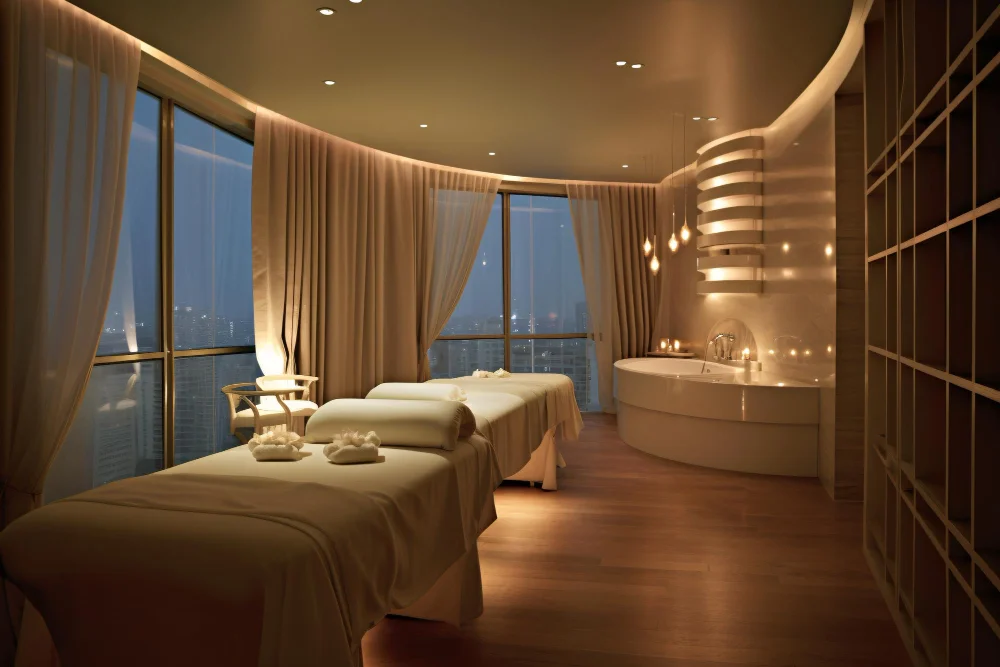
Ambient layers can be coordinated with indirect or concealed lighting where the design requires a calm visual environment.
Treatment-area lighting
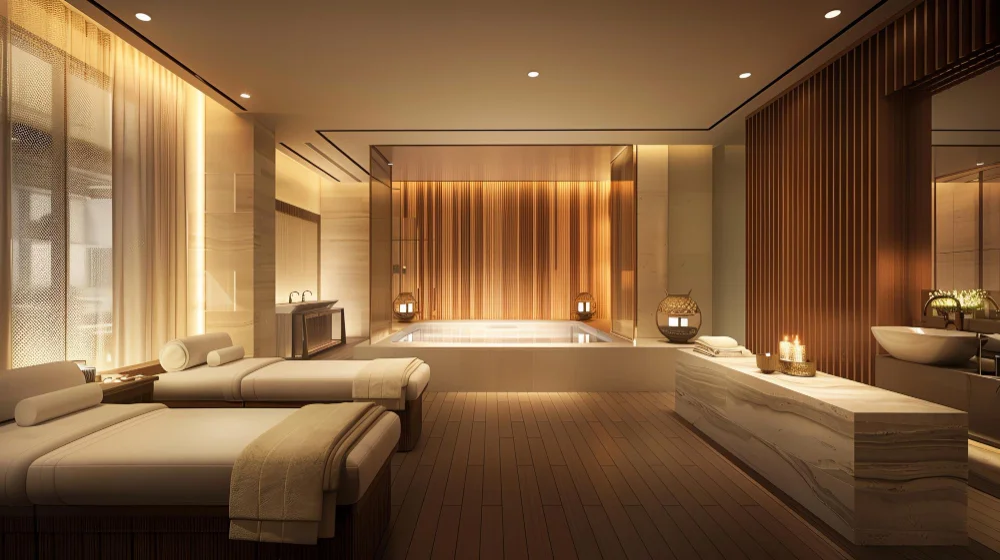
Functional lighting is planned around treatment activities, therapist requirements, furniture position and the actual use of each room.
Accent and feature lighting
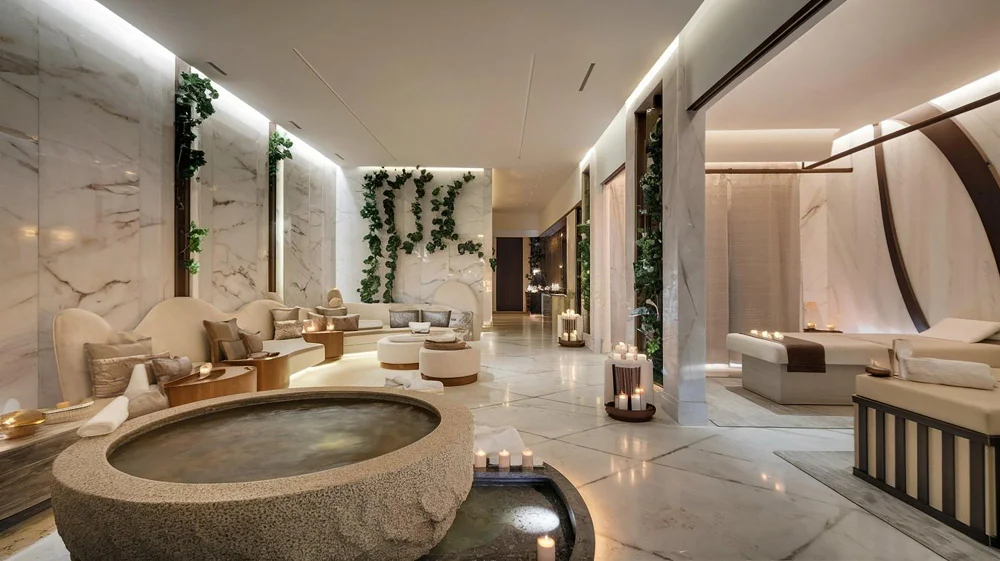
Lighting can highlight textures, architectural details, artwork, water features or other approved design elements without overwhelming the overall environment.
Controls and scenes
Where required, dimming and control strategies can support different operating conditions or lighting scenes.
Fixture and system selection
Luminaires, drivers and related components are selected according to the design, ceiling conditions, environmental exposure, control requirements and approved specification.
Spa & Wellness Applications
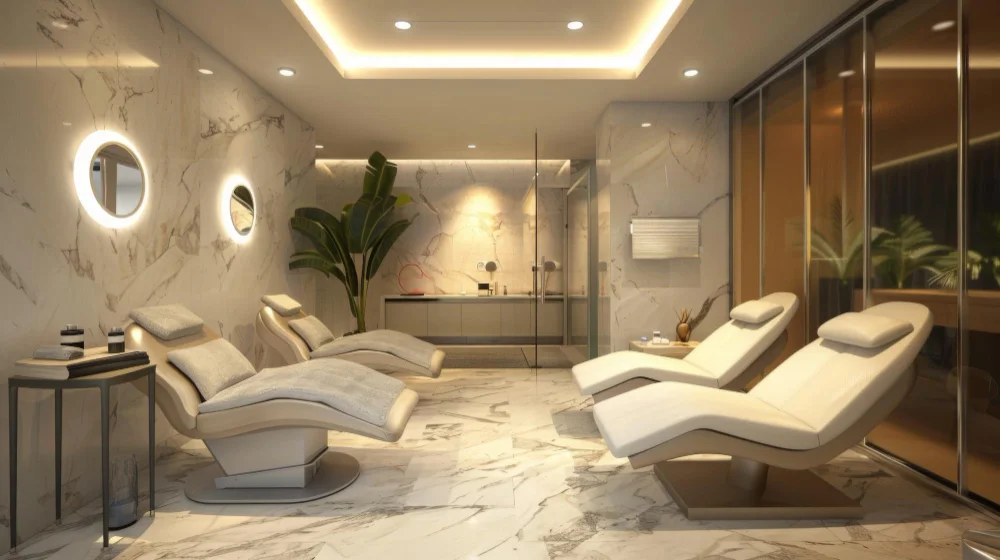
Treatment rooms
Lighting can be coordinated with treatment beds, therapist movement, privacy and the specific function of the room.
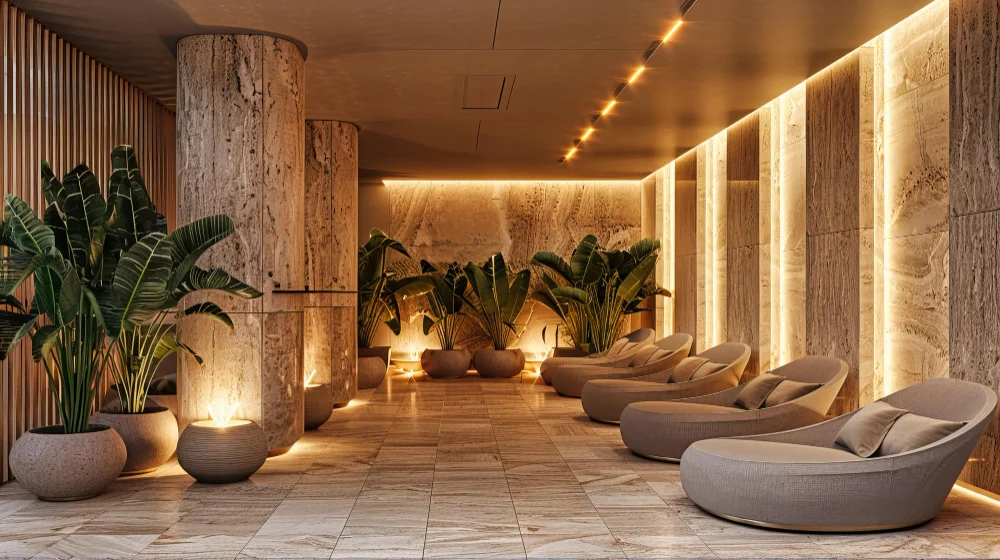
Relaxation lounges
Layered and controlled lighting can support a quieter visual environment while maintaining appropriate circulation and operational visibility.
Changing and shower areas
Lighting must account for the actual environmental conditions and applicable electrical requirements of the project; required product ratings are project-specific.
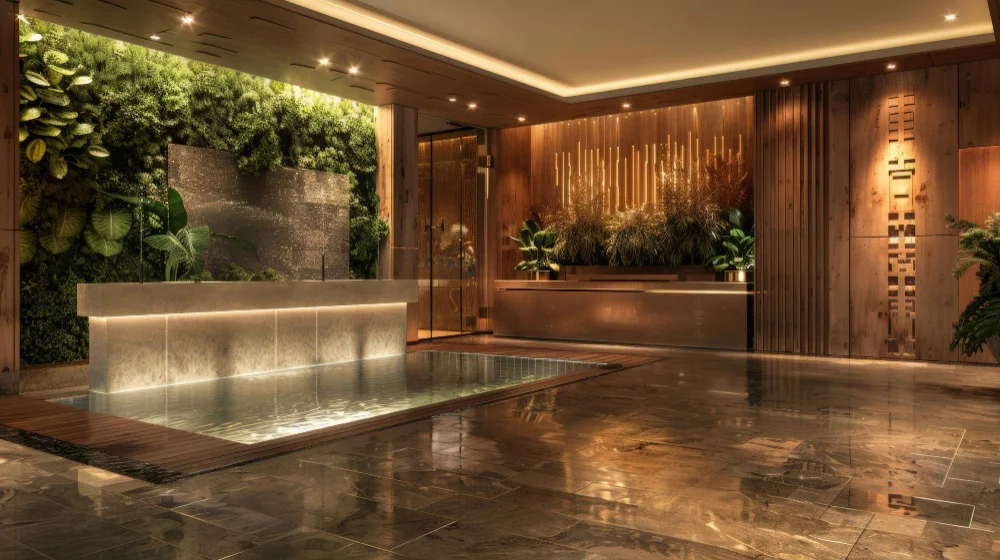
Spa reception and waiting areas
Lighting can balance arrival visibility, branding, material finishes and the transition into lower-activity wellness spaces.
Corridors and circulation
Lighting layouts should support safe movement and visual continuity between different spa zones.
Hotel and resort spas
Spa lighting can be coordinated with the wider hospitality lighting language while retaining spa-specific requirements.
Wellness centres and therapy facilities
The lighting approach can be adapted to treatment types, operational needs, room layouts and environmental conditions.
Lighting Layers & Solutions
- Ambient lighting for overall spatial illumination.
- Indirect or concealed lighting for controlled visual softness where suitable.
- Task lighting for treatment or operational areas where functional visibility is required.
- Accent lighting for architectural features, textures, artwork or approved focal elements.
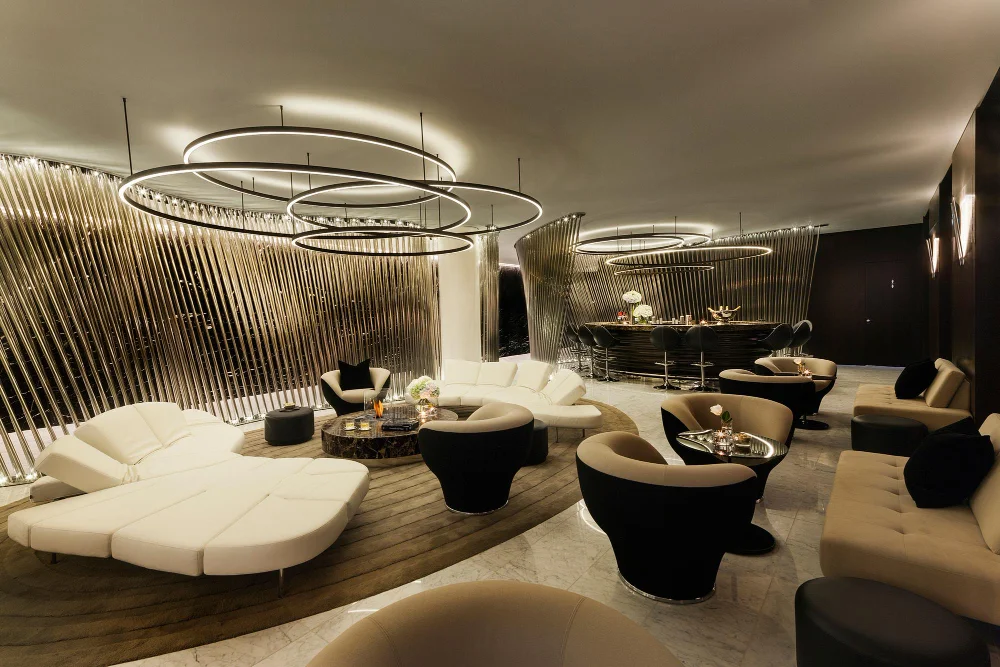
- Decorative lighting where specified by the interior design.
- Integrated lighting systems combining fixtures, drivers and controls.
- Scene-based or dimmable lighting where compatible with the approved control strategy.
Assessment & Design Inputs
Spa lighting should be designed from actual project conditions rather than generic assumptions. Useful inputs include:
- Architectural plans, reflected ceiling plans and interior layouts.
- Treatment-room, relaxation, reception, changing and circulation zoning.
- Furniture, treatment-bed and equipment layouts.
- Ceiling heights, ceiling types, mounting details and access constraints.
- Wall, floor, ceiling and wet-area finishes where relevant.
- Operating hours and required lighting scenes or controls.
- Existing lighting information for retrofit projects.
- Electrical supply, load information and coordination drawings.
- Environmental conditions including humidity, moisture exposure and temperature where relevant.
- Client, consultant or interior-designer specifications and fixture schedules.
- Site survey, photographs and as-built information where available.
DIALux & Photometric Design
Where applicable to the project, VS Wilson can use DIALux and photometric calculations to evaluate the proposed lighting arrangement before installation. The design can consider room geometry, fixture distribution, mounting position, beam characteristics, surface conditions and project-specific lighting criteria.
Lighting levels, uniformity and other numerical targets must be treated as project-specific criteria or applicable requirements, not as universal values for every spa.
VIEW SAMPLE DIALux REPORT
If the supplied DIALux sample relates to another facility or service type, publish this disclosure:
This representative report demonstrates VS Wilson's photometric-design process. The sample relates to the project type identified in the report. Every project requires a separate design based on its venue, operating conditions and intended use.
The PDF must be genuine and text-searchable, identify the actual project type, redact confidential information, and must not be renamed or presented as proof of a different service. Place an adjacent HTML summary and direct working link.
Service-Specific Technical Problems
Glare in treatment rooms
Directly visible or poorly positioned fixtures can be uncomfortable for guests who spend time reclined or lying down. Fixture position, shielding, beam direction and viewing angles should be considered.
Over-lighting relaxation areas
Excessive direct illumination can conflict with the intended atmosphere. Lighting layers and controls should be planned around the actual use of the space.
Uneven illumination
Poor spacing, beam selection or failure to account for room geometry can create distracting bright and dark areas.
Moisture and environmental exposure
Spa environments can include humidity or moisture exposure. Product selection must follow the actual environmental condition and applicable requirements rather than a universal IP assumption.
Ceiling and services coordination
Lighting can conflict with HVAC, sprinklers, ducts, speakers, access panels or other ceiling services when coordination is delayed.
Treatment-bed shadows
Fixture placement should be coordinated with treatment furniture and therapist positions to reduce unwanted shadows in functional areas.
Control and scene mismatch
A control strategy should reflect how the spa actually operates, including different treatment, relaxation, cleaning or operational conditions where required.
Retrofit constraints
Existing wiring, ceiling conditions, mounting points and installed equipment can limit replacement options and should be assessed before specification.
Technical & Environmental Considerations
Spa lighting requires attention to the actual environmental and electrical conditions of each zone. Wet, humid, heated or otherwise exposed areas should use products and installation methods appropriate to their specific conditions and applicable requirements.
- Confirm the environmental condition of each lighting zone before selecting fixtures.
- Coordinate fixture position with treatment beds, seating and user sightlines.
- Consider glare, shielding and direct-view light sources in reclined-use areas.
- Coordinate lighting with HVAC, sprinklers, speakers and ceiling access.
- Verify driver and control compatibility before procurement.
- Maintain appropriate access for inspection and maintenance.
- Use manufacturer documentation for product-specific ratings, warranty and performance claims.
Product Sourcing
VS Wilson can source lighting products and related materials according to the agreed project specification, client preference, documentation and market availability. Multi-brand sourcing may be used where appropriate.
Product selection should match the actual application, mounting condition, environmental exposure, control requirement, maintenance access and approved design. IP ratings, warranties, lifetime, energy performance and other product claims should only be published when supported by manufacturer documentation.
Installation & Execution
Installation is coordinated with the approved lighting layout and wider project programme. Depending on scope, execution may include fixture installation, electrical connections, driver/control installation, mounting coordination, wiring coordination and final physical adjustments.
New projects can be coordinated with interior, ceiling, electrical, HVAC and other site activities. Existing facilities should first be assessed for access, wiring, installed equipment and the extent of replacement or modification required.
New Projects & Retrofit Scope
New spa and wellness projects
The service can begin with drawings and project requirements, proceed through zoning, lighting planning, photometric design and product sourcing, and continue through installation, testing and commissioning.
Existing spa and wellness facilities
Retrofit work can address outdated fixtures, glare, uneven lighting, control requirements, changes to treatment-room layouts or replacement of unsuitable equipment. Existing conditions should be surveyed before final scope approval.
Testing & Commissioning
After installation, the lighting system should be checked against the approved design and project requirements. Testing and commissioning can include fixture operation, control functionality where applicable, system coordination, physical aiming and project-specific lighting adjustments.
Final acceptance should follow the agreed project specification and applicable requirements rather than a universal performance promise.
Project Process
- Project enquiry and scope review.
- Site assessment and/or drawing review.
- Spa zoning and operational-use assessment.
- Lighting concept and planning.
- Photometric/DIALux design where applicable.
- Fixture and product specification.
- Commercial proposal and scope confirmation.
- Procurement and delivery coordination.
- On-site installation and multidisciplinary coordination.
- Testing, aiming, adjustment and commissioning.
- Handover of agreed project deliverables.
Cost Factors
Spa lighting costs vary by project and should be quoted against the actual scope.
Key factors include:
- Area, number of treatment and functional zones.
- Fixture quantity, type and specification.
- Decorative, concealed or bespoke lighting requirements.
- Dimming, automation and control requirements.
- Environmental conditions and product requirements for exposed zones.
- Ceiling height, access and installation complexity.
- Existing electrical and ceiling conditions for retrofit work.
- Coordination with interior, HVAC, electrical and other disciplines.
- Procurement, logistics and required documentation.
- Testing, commissioning and agreed post-installation adjustments.
No fixed price, guaranteed saving or universal payback should be published without a project-specific commercial assessment.
Buyer / Use-Case Framing
The service is relevant to spa owners, wellness-centre operators, hotel and resort F&B/wellness teams, developers, architects, interior designers, fit-out contractors, MEP/electrical teams and project consultants.
Typical buying triggers include a new spa, hotel wellness facility, renovation, lighting replacement, glare or comfort complaints, treatment-room changes, new control requirements or the need to coordinate design and installation through one project workflow.
Why VS Wilson for Spa Lighting
- Columbus-based operation with service delivery in Columbus.
- Lighting consultation and design.
- DIALux and photometric calculation where applicable.
- Product and fixture sourcing according to project requirements.
- Electrical installation, testing and commissioning.
- New-project and existing-facility/retrofit capability.
- Integrated workflow from assessment through installation and handover.
Evidence Section
DIALux evidence: publish the client-provided genuine DIALux PDF in the service-page evidence tab using VIEW SAMPLE DIALux REPORT.
Project-specific photographs and references: PENDING VERIFICATION. Do not publish them as verified VS Wilson project evidence until project identity, location, scope and permission have been confirmed.
If the DIALux sample concerns another facility or service type, use the representative-report disclosure in Section 9.
FAQs
What is Spa Lighting?
Spa Lighting is the planning and execution of lighting for spa and wellness environments, covering zoning, lighting layers, fixture selection, electrical coordination, installation, testing and commissioning.
Do you provide spa lighting design in Columbus?
Yes. VS Wilson provides lighting consultation, design, sourcing, installation, testing and commissioning with service delivery across Columbus.
What areas can spa lighting design cover?
Depending on the project, it can cover treatment rooms, relaxation areas, changing spaces, reception, corridors, wellness areas and other defined zones.
Do you use DIALux for spa lighting design?
DIALux and photometric calculation can be used where applicable to evaluate the proposed lighting arrangement and project-specific design criteria.
Can you provide spa lighting fixtures and product sourcing?
Yes. Product and fixture sourcing is available according to the agreed specification, client preference, documentation and market availability.
Can VS Wilson install spa lighting after the design?
Yes. Electrical installation, system testing and final commissioning are part of the confirmed capability.
Can you handle spa lighting retrofit projects?
Yes. Existing-facility and retrofit scope is available. Existing wiring, ceilings, installed equipment, access and environmental conditions should be assessed before finalising the design.
How should lighting be selected for humid spa areas?
Fixture and installation choices should be based on the actual environmental exposure and applicable requirements of each zone. Product ratings should be verified from manufacturer documentation.
Can spa lighting include dimming and controls?
Controls can be integrated where required by the project. The control strategy and compatible equipment should be defined against operating needs.
How long does spa lighting installation take?
The timeline depends on project size, scope, site conditions, procurement, access and coordination with other works. A project-specific programme should be confirmed after scope review.
Planning a spa, wellness centre or hotel spa project in Columbus?
Share your layout, project scope, existing conditions or lighting requirements with VS Wilson for a project-specific lighting design and execution assessment.
To know more about VS Wilson and our expertise, visit our About Us page. For more information, project requirements, or enquiries about our lighting solutions, Contact VS Wilson today.
Image Gallery