Hazardous Lighting in Cambridge
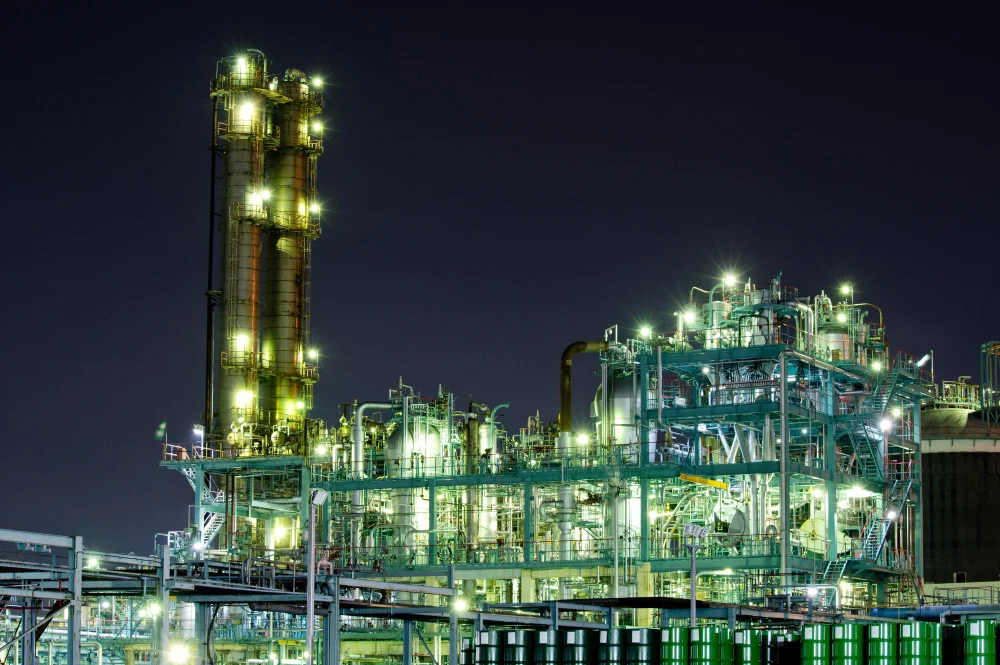
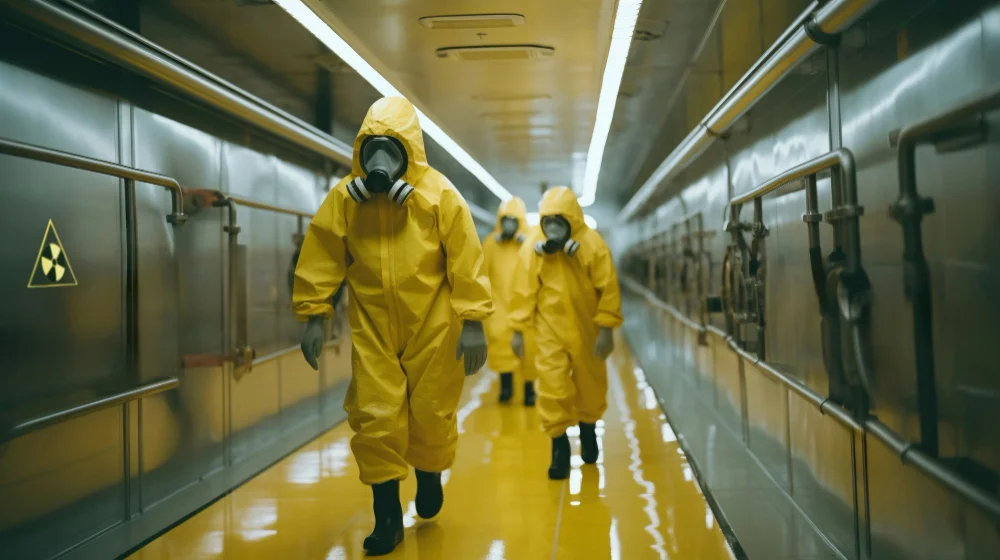
VS Wilson provides hazardous lighting solutions in Cambridge for facilities where flammable gases, vapours, mists or combustible dusts can create an explosive-atmosphere risk.
The service can cover site assessment, review of hazardous-area classification, lighting planning, photometric design where applicable, hazardous-area fixture sourcing, electrical installation, testing and commissioning.
Final equipment selection and installation requirements must follow the project's area classification, protection concept, certification requirements, applicable standards and authority/client specifications.
Capability Strip:
SITE ASSESSMENT | DRAWING REVIEW | LIGHTING PLANNING | PHOTOMETRIC DESIGN | PRODUCT SOURCING | ELECTRICAL INSTALLATION | SYSTEM TESTING | FINAL COMMISSIONING
PLAN — PROJECT ASSESSMENT | DESIGN — LIGHTING PLANNING | SOURCE — PRODUCT PROCUREMENT | DELIVER — INSTALLATION & HANDOVER
Who This Service Is For
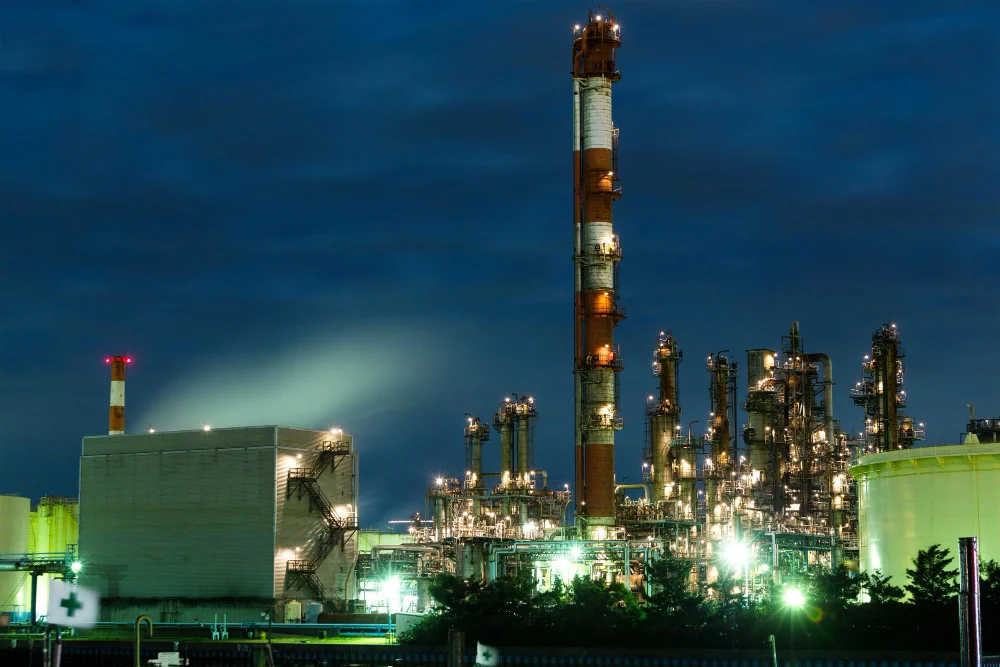
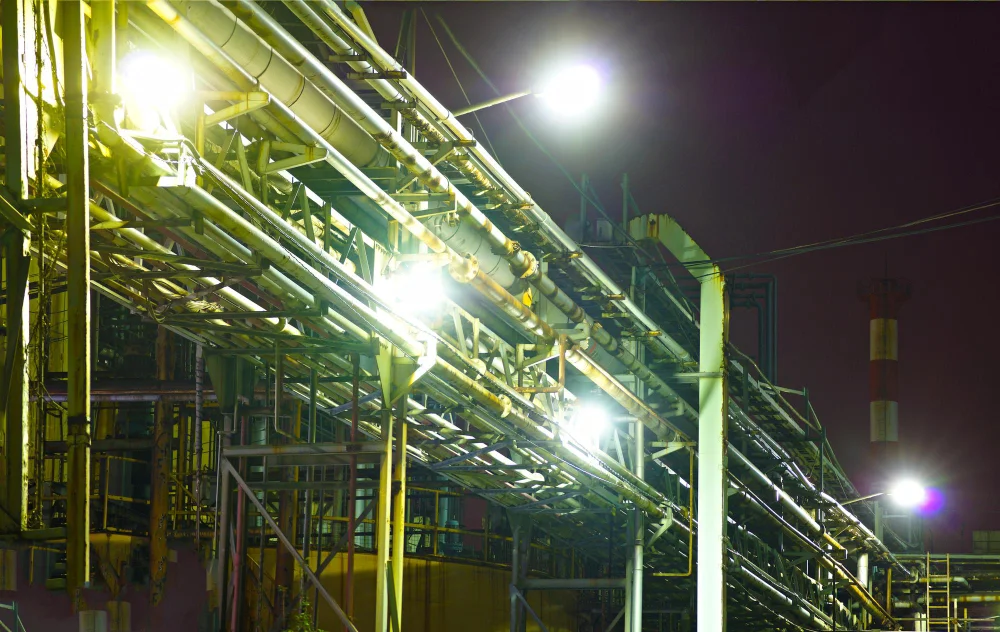
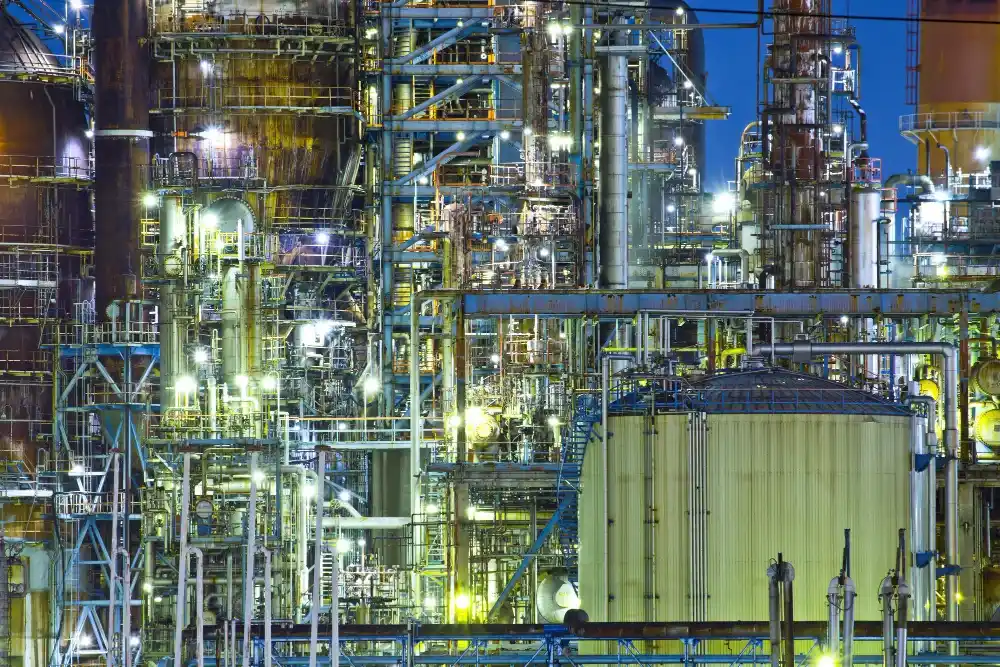
The Cambridge service is relevant to oil and gas facilities, petrochemical and chemical plants, fuel storage and handling areas, process facilities, manufacturing environments, utilities and other sites with classified hazardous areas.
This applies to new hazardous-area installations as well as existing facilities that require lighting replacement or retrofit. It is suitable for Zone 1 and Zone 2 applications where these classifications are specified by the project, along with areas exposed to combustible dust hazards where applicable. Typical applications include process units, storage and transfer areas, hazardous workshops, and industrial support spaces. It is also relevant for facilities that require documented hazardous-area product selection, compliance verification, and appropriate installation practices.


What Hazardous Lighting Includes
Hazardous-area assessment and classification review
Lighting planning begins with the project's hazardous-area documentation. The relevant zone, gas/vapour or dust hazard, equipment requirements and environmental conditions must be established before selecting fixtures.
Hazardous lighting layout and photometric design
Lighting positions, mounting arrangements and photometric calculations can be developed around the classified area, access routes, equipment geometry, task requirements and project-specific illumination criteria.
Certified hazardous-area fixture sourcing
Products are sourced according to the required protection concept, certification/documentation, electrical characteristics, environmental conditions and project specification. ATEX, IECEx or another certification route should be used only where it is actually required by the project.
Cable, gland and installation coordination
Installation planning must consider the approved equipment, cable system, glands, entries, mounting method, wiring route and hazardous-area installation requirements.
Testing, inspection and commissioning
The installed system can undergo functional and project-specified checks before commissioning and handover. Any required hazardous-area inspection or verification must follow the applicable project and standards framework.
Hazardous Lighting Applications
Oil & gas facilities
Process areas, utilities, tank farms and other classified locations may require lighting equipment selected for the documented hazardous-area conditions.
Petrochemical & chemical plants
Flammable liquids, gases and vapours can create classified areas around process and storage equipment. Lighting selection should follow the documented classification and equipment requirements.
Fuel storage and transfer areas
Tank farms, loading/unloading interfaces and transfer areas may require hazardous-area lighting based on the site's classification and operating conditions.
Manufacturing facilities
Manufacturing processes involving flammable gases, vapours, solvents or combustible dusts can create hazardous locations that require specialised lighting equipment.
Combustible-dust environments
Where combustible dust clouds or layers create an explosion hazard, area classification and equipment selection must address the specific dust environment. IEC 60079-10-2 addresses classification of explosive dust atmospheres and combustible dust layers.
Marine and offshore environments
Hazardous-area lighting for marine or offshore projects may involve additional environmental, mounting and certification requirements defined by the project.
Zone Classification & Protection Concept
Hazardous lighting cannot be specified correctly from the words “hazardous area” alone. The project must identify the classified area and the applicable protection requirements. IEC 60079-10-1 addresses classification of areas where flammable gas or vapour hazards may arise, while IEC 60079-10-2 addresses explosive dust atmospheres and combustible dust layers. IECEx also identifies IEC 60079-14 for electrical installation design, selection and erection and IEC 60079-17 for inspection and maintenance.
- Zone classification and extent
- Gas/vapour or dust hazard
- Gas group or dust group where applicable
- Temperature class / maximum surface-temperature requirement where applicable
- Equipment Protection Level or equivalent project requirement where applicable
- Protection concept / equipment marking
- Ambient temperature and environmental exposure
- Electrical supply and control requirements
- Mounting and cable-entry arrangements
- Project certification and documentation requirements
Do not assume that every hazardous project requires the same zone, protection concept, certification, enclosure rating or temperature class. These are project-specific technical inputs.
ATEX, IECEx & Certification Documentation
IECEx is an international conformity-assessment system for equipment intended for explosive atmospheres. An IECEx Certificate of Conformity indicates that the certified product has been independently assessed against the applicable requirements within the scheme. ATEX is another certification framework used on projects where the specification requires it.
For Cambridge projects, the required certification route should be determined from the client specification, applicable authority/project requirements and the equipment classification. Do not publish a blanket statement that one certification is mandatory for every Cambridge hazardous-lighting project.
- Verify product certificate and certificate number
- Check equipment marking against the project classification
- Verify gas/dust group and temperature-class requirements where applicable
- Check ambient-temperature limits
- Verify cable-entry/gland compatibility
- Maintain relevant datasheets and certificates for project documentation
- Confirm any additional client, consultant or authority approval requirements
Assessment & Design Inputs
- Project location
- Hazardous-area classification drawings or documentation
- Zone boundaries and extent
- Gas, vapour, mist or dust hazard information
- Gas/dust group where applicable
- Temperature class or maximum surface-temperature requirement
- Equipment Protection Level or equivalent project criteria
- Process equipment and source-of-release information
- Plant layout and mounting locations
- Ceiling/structure and access information
- Task and illumination requirements
- Existing lighting and electrical information for retrofit work
- Cable routes, glands and junction-box requirements
- Ambient temperature and environmental exposure
- Control-system requirements
- Applicable client, consultant, authority and certification requirements
DIALux & Photometric Design
Where applicable, VS Wilson can use DIALux and photometric calculations to assess fixture quantity, positioning, distribution and project-specific illumination criteria. The calculation should use the actual available geometry, mounting conditions, luminaire photometric data and agreed calculation areas.
- Classified-area geometry
- Mounting positions and heights
- Hazardous-area luminaire photometric data
- Task/work-plane assumptions
- Access and maintenance routes
- Equipment and structural obstructions
- Calculation areas and project-specific targets
- Alternative layouts where optimisation is required
Evidence button: VIEW SAMPLE DIALux REPORT
The client-provided DIALux PDF should be published in the evidence tab only after confirming it is genuine, text-searchable, identifies the actual project/facility type and has confidential information redacted. Do not rename or present it as proof of hazardous-lighting work unless the report actually documents that project/service type.
If the sample relates to another sport or facility, display this exact disclosure adjacent to the report:
“This representative report demonstrates VS Wilson's photometric-design process. The sample relates to the project type identified in the report. Every project requires a separate design based on its venue, operating conditions and intended use.”
Provide an adjacent HTML summary and direct working PDF link.
Service-Specific Technical Problems & Risks
Wrong area classification
Selecting equipment without confirming the current hazardous-area classification can result in a specification that does not match the actual risk environment.
Certification mismatch
A product may carry a certification but still be unsuitable for the specific gas/dust group, temperature class, zone or protection concept required by the project.
Installation compromising Ex protection
Incorrect cable glands, entries, seals, fasteners, mounting or modifications can compromise the protection features of certified equipment. Installation must follow the approved equipment documentation and applicable installation requirements.
Cable-entry and gland incompatibility
Cable and gland selection must match the equipment entry system and hazardous-area requirements. A fixture certificate alone does not validate the entire installed assembly.
Temperature and ambient conditions
The equipment's permitted ambient range and maximum surface-temperature requirements must be checked against the actual site conditions.
Glare and poor visibility
Hazardous-area compliance does not automatically solve lighting quality. Fixture optics, position, task visibility and glare should be evaluated separately.
Design-to-site mismatch
Pipework, vessels, structures, access platforms and process equipment can change the practical fixture location. Site verification is important before final installation.
Maintenance and inspection constraints
Hazardous-area equipment requires controlled inspection and maintenance practices. Access and maintainability should be considered during the design stage.
Documentation gaps
Missing certificates, datasheets, equipment markings or installation records can delay review, inspection or handover. Documentation should be controlled throughout procurement and execution.
Product & Fixture Sourcing
VS Wilson can source hazardous-area lighting products according to the approved project specification, client preference, certification/documentation requirements and market availability. Multi-brand sourcing is available according to project needs.
- Hazardous-area certification and product marking
- Protection concept
- Zone and gas/dust-group suitability
- Temperature-class or maximum surface-temperature requirement
- Ambient temperature
- Optical distribution and photometric data
- Electrical supply
- Mounting arrangement
- Cable-entry and gland compatibility
- Environmental exposure
- Maintenance access
- Emergency or control requirements where applicable
Do not publish a universal IP rating, lifetime, warranty or performance claim. The selected product's actual certificate and manufacturer documentation must control the final specification.
Installation & Execution
- Review hazardous-area drawings, classification documents and approved lighting layouts
- Confirm equipment certification, markings and installation documentation
- Verify mounting locations, supports and access
- Confirm cable, gland, entry and wiring requirements within the approved scope
- Coordinate installation sequence with plant operations and safety controls
- Install equipment without unauthorised modifications that could compromise its protection
- Verify orientation, mounting and connections
- Complete required inspection/testing before commissioning
- Compile agreed certificates, test records and handover documentation
Hazardous-area installation should be treated as controlled electrical work rather than a standard lighting replacement. The exact installation method depends on the equipment, protection concept, project standards and applicable requirements.
New-Project Scope
For new hazardous-area facilities, lighting can be coordinated from classification and layout review through photometric design, equipment specification, certified product sourcing, installation, testing and commissioning. Early coordination helps align fixture locations with structures, process equipment, access routes and cable systems.
Retrofit Scope
For existing hazardous facilities, retrofit work can include site assessment, review of current fixtures and certificates, classification review, new photometric design, equipment replacement, mounting or electrical modifications where permitted, installation, inspection/testing and commissioning.
Do not assume an existing hazardous-area fixture can simply be replaced with another product using the same mounting or cable-entry arrangement. Existing certification, wiring, glands, supports and classification must be verified before the final scope is agreed.
Testing, Inspection & Commissioning
- Visual and installation checks within the agreed scope
- Verification of equipment identification and markings
- Electrical and functional checks within the approved scope
- Control and emergency-lighting checks where applicable
- Illumination measurements against agreed project criteria where required
- Inspection of installation details relevant to the selected equipment and protection concept
- Documentation of deviations and corrective actions
- Final commissioning and handover documentation
Where the project requires formal hazardous-area inspection or certification by a specific competent person, inspector, Ex service facility or authority, that requirement must be identified in the project scope rather than implied universally.
Project Process
1. Enquiry & hazardous-area review
Understand facility type, project stage, location and the reason hazardous lighting is required.
2. Classification & documentation review
Review zone drawings, hazardous-area documentation, process information and applicable project standards.
3. Site assessment
Verify mounting, structures, access, existing equipment and environmental conditions where required.
4. Lighting design
Develop the project-specific layout and photometric calculation where applicable.
5. Technical specification
Select equipment based on classification, protection concept, certification, environment and lighting requirements.
6. Proposal & approval
Present scope, assumptions, exclusions, product basis, documentation requirements, programme and commercial proposal.
7. Procurement
Source approved products and retain relevant certificates/datasheets.
8. Controlled installation
Execute installation according to approved equipment documentation and project requirements.
9. Testing & inspection
Complete agreed functional, electrical, illumination and hazardous-area checks.
10. Commissioning & handover
Complete final checks and provide agreed records and documentation.
Cost Factors — No Invented Pricing
- Zone classification and project complexity
- Required protection concept and certification
- Fixture type, optics and quantity
- Mounting height and access
- Cable, gland and entry requirements
- Structural supports or modifications
- Electrical installation scope
- Environmental conditions
- Control and emergency-lighting requirements
- Inspection/testing/documentation requirements
- Retrofit complexity
- Access equipment and installation conditions
- Product availability and approved manufacturer/specification
- Phased or shutdown-window installation requirements
A quotation should be prepared only after the classification, scope, product basis, installation requirements and site conditions are understood.
Common Buyer Concerns
- Can you work from our hazardous-area classification drawings?
- Can you source certified hazardous-area fixtures and provide documentation?
- Can you provide DIALux/photometric design where applicable?
- Can you handle installation as well as product sourcing?
- Can an existing hazardous lighting system be retrofitted?
- How are cable glands and entries considered?
- How do ATEX and IECEx requirements affect product selection?
- What information is required before a quotation?
- How are maintenance and inspection access considered?
- Can emergency or control lighting be incorporated where required?
FAQs — Direct Answers
What is hazardous lighting?
Hazardous lighting is lighting designed and selected for areas where an explosive atmosphere may arise from flammable gases, vapours, mists or combustible dusts. Equipment and installation requirements depend on the area's classification and project requirements.
What is the difference between hazardous-area lighting and normal industrial lighting?
Hazardous-area lighting requires equipment and installation practices appropriate to the classified risk environment. Standard industrial fixtures should not be substituted into a classified area without confirming their suitability and certification.
What are Zone 1 and Zone 2 areas?
Zone 1 and Zone 2 are classifications used for areas where an explosive gas atmosphere may occur with different frequencies or durations. The exact equipment selection must follow the project's area classification and applicable requirements.
What about combustible dust areas?
Combustible dust hazards require their own area-classification assessment. IEC 60079-10-2 addresses explosive dust atmospheres and combustible dust layers, and the selected equipment must match the documented dust hazard.
Is IECEx required for every hazardous lighting project in Cambridge?
Not necessarily. The required certification route depends on the client specification, project requirements, applicable regulations and equipment classification. IECEx is an important international certification system for Ex equipment, but the project documents determine what must be supplied.
Are ATEX-certified lights suitable for Cambridge projects?
They may be suitable where the project specification accepts or requires ATEX certification, but suitability must be checked against the actual classification, equipment marking, environmental conditions and project requirements.
Can VS Wilson provide hazardous lighting installation?
Yes. The confirmed capability includes electrical installation, testing and commissioning, with hazardous-area installation handled according to the approved equipment documentation and project requirements.
Can hazardous lighting be retrofitted?
Yes. Retrofit scope can include existing-equipment and certificate review, classification review, new design, replacement, installation, testing and commissioning as agreed.
Do you provide DIALux calculations for hazardous lighting?
DIALux and photometric calculations can be used where applicable to evaluate fixture quantity, positioning and illumination criteria using the project geometry and luminaire data.
What documents are needed before selecting hazardous lights?
Typical inputs include hazardous-area classification drawings, zone information, gas/dust group where applicable, temperature requirements, equipment/process information, environmental conditions, electrical supply and the client/consultant certification requirements.
Can hazardous lighting include emergency lighting?
Emergency lighting can be included where required by the project. The emergency system must be specified according to the applicable safety, electrical and hazardous-area requirements.
How is hazardous lighting checked after installation?
Checks can include equipment identification, installation details, electrical/functional operation and illumination measurements where required. Any formal hazardous-area inspection or certification requirement should be defined by the project.
Evidence Section
Section title: DIALux & Project Evidence
VIEW SAMPLE DIALux REPORT
Publish the client-provided DIALux PDF only after confirming it is genuine, text-searchable, identifies the actual project/facility type and contains no unredacted confidential information. Do not present it as hazardous-lighting evidence unless it actually documents hazardous-lighting work.
Project-specific photographs and references: PENDING VERIFICATION. Do not publish unverified project names, clients, locations, testimonials or photographs as proof.
Plan Your hazardous area lighting Project in Cambridge
Planning hazardous-area lighting for a Cambridge industrial facility? Share your hazardous-area classification, plant layout, process information, lighting requirement and project location with VS Wilson. The team can review the documentation and define the appropriate design, certified product sourcing, installation, testing and commissioning scope.
To know more about VS Wilson and our expertise, visit our About Us page. For more information, project requirements, or enquiries about our lighting solutions, Contact VS Wilson today.
Image Gallery