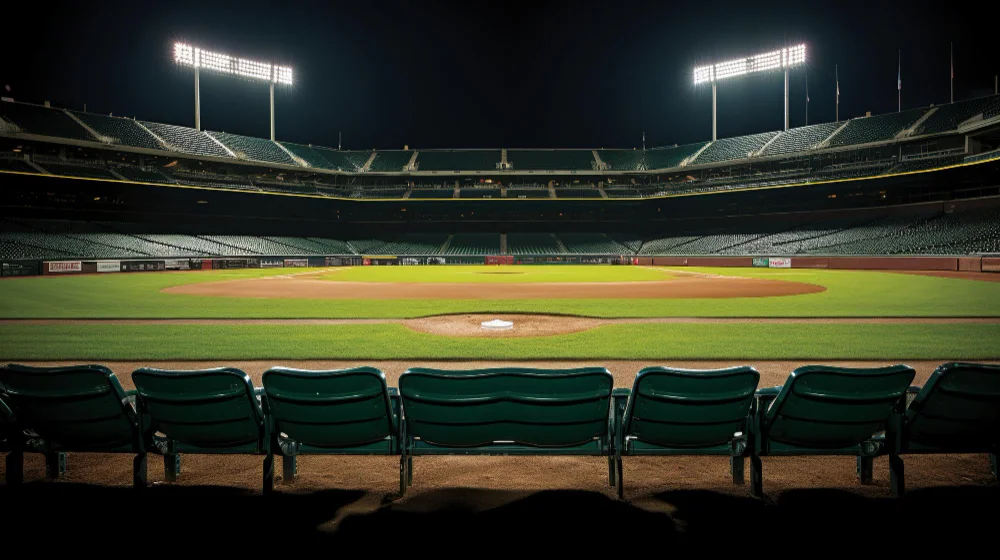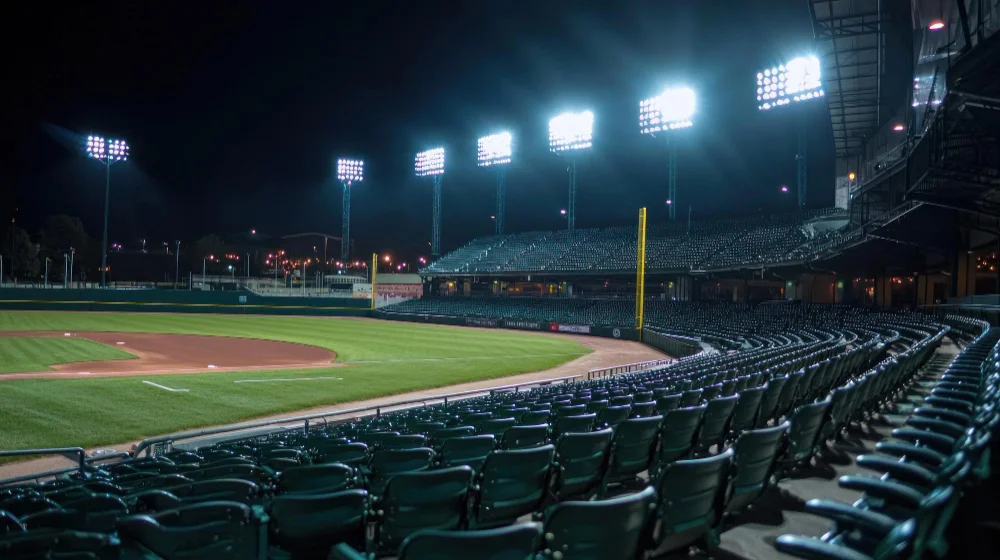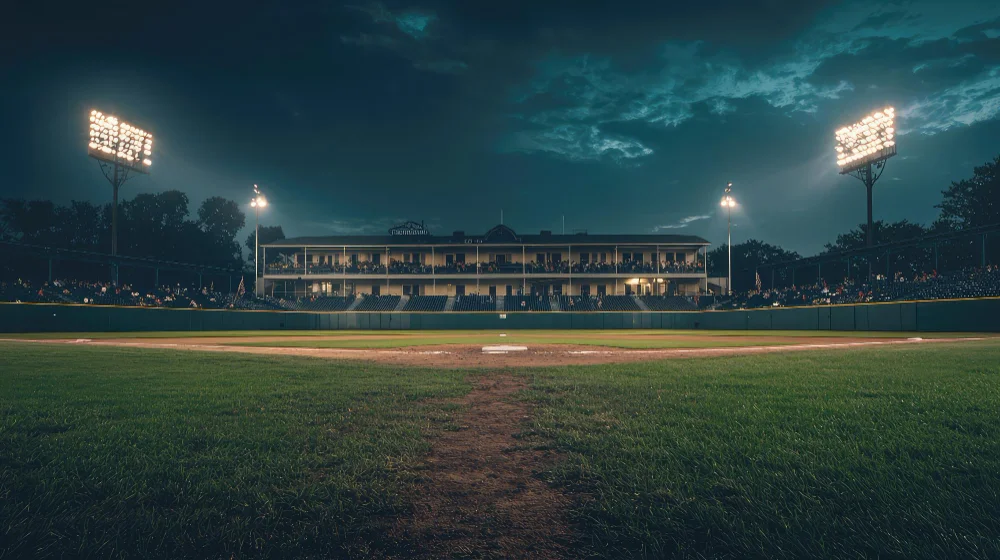
Baseball Stadium Lighting in Amwaj Islands
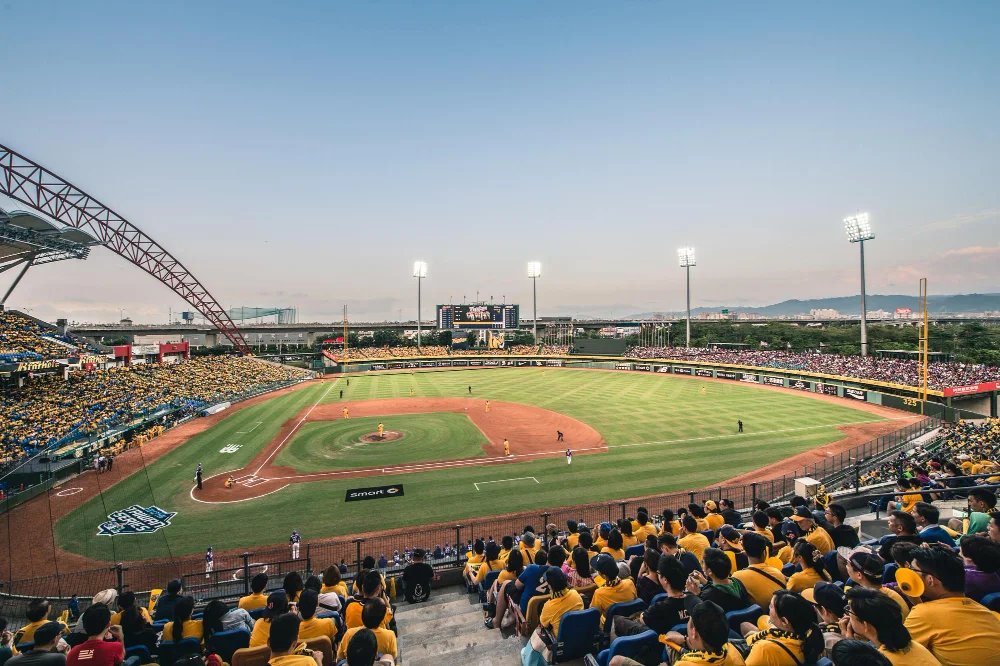
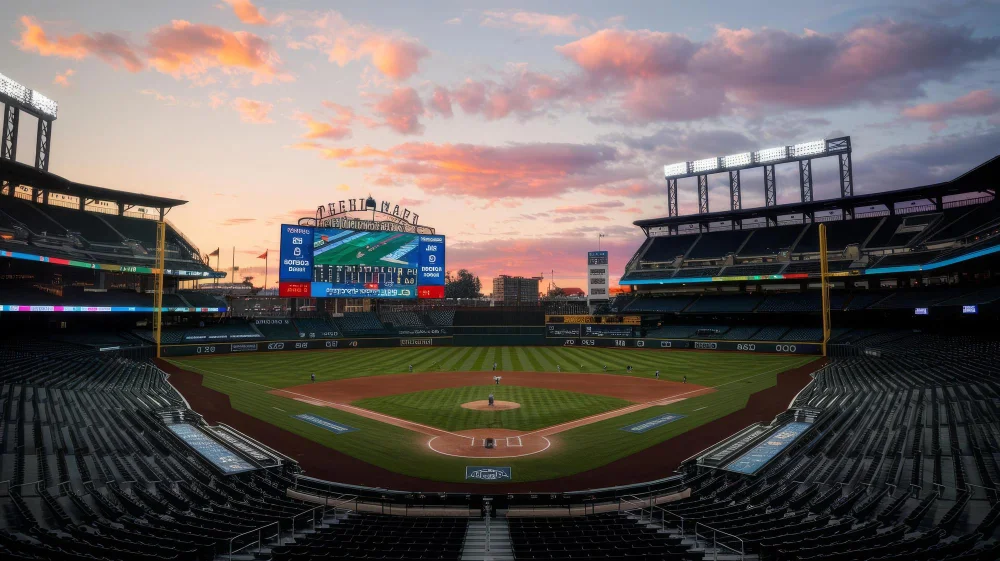
Baseball stadium lighting has to support one of the most complex visual environments in outdoor sport. The ball can travel quickly between pitcher and batter, move across the infield, travel deep into the outfield or rise high into the night sky during a fly ball. Players at different positions therefore look in very different directions throughout the same play.
VS Wilson provides Baseball Stadium Lighting services across Amwaj Islands for baseball fields, baseball academies, sports complexes, school and university facilities, training grounds and stadium projects.
Depending on the agreed project scope, our services can include site assessment, drawing review, lighting planning, DIALux and photometric calculations, multi-brand sports-lighting product sourcing, electrical installation, system testing and final commissioning.
The lighting arrangement is developed around the actual field geometry, infield and outfield, level of play, pole positions, player sightlines, fly-ball visibility, spectator areas, neighbouring properties, broadcast requirements and existing infrastructure rather than selecting floodlights only by wattage or lumen output.
SITE ASSESSMENT → DRAWING REVIEW → LIGHTING PLANNING → PHOTOMETRIC DESIGN → PRODUCT SOURCING → ELECTRICAL INSTALLATION → SYSTEM TESTING → FINAL COMMISSIONING
Why Baseball Stadium Lighting Requires Sport-Specific Design?
Baseball should not be treated as a rectangular-field lighting problem. The infield is compact and contains fast, detail-oriented play around the pitcher, batter, catcher and bases. The outfield covers a much larger area and requires players to track balls over longer distances.
Baseball lighting must address several visual requirements at the same time, including clear infield and outfield visibility, pitch tracking, batter visibility, catcher and umpire visibility, base-running visibility, high fly-ball tracking, player-to-player visibility, spectator viewing, camera visibility where required, glare control, and spill-light management. ANSI/IES RP-6-24, the current IES recommended practice for sports lighting, includes a dedicated baseball application within its outdoor-sports guidance. The lighting system should therefore be designed around the specific visual tasks and playing conditions of baseball rather than simply adapting layouts intended for football, cricket, or general floodlighting.


Baseball Facilities We Can Support
VS Wilson can support lighting requirements for:
- Professional-style baseball stadiums
- Club baseball fields
- Baseball academies
- School baseball fields
- University baseball facilities
- Community baseball grounds
- Youth baseball fields
- Training facilities
- Multi-field baseball complexes
- Baseball and softball shared facilities
- Bullpens
- Batting and pitching practice areas where included
- Existing stadium lighting retrofits
The required lighting performance can differ substantially between recreational play, organised competition and professional or broadcast use.
Start With the Level of Play
The first technical input should be the actual standard of play.
A project may be intended for:
- Recreational baseball
- Youth baseball
- Training
- School competition
- University competition
- Club competition
- National competition
- Professional baseball
- Broadcast or televised events
IES sports-lighting guidance recognises different competition levels and specifically develops its recommendations around the needs of participants, spectators and modern broadcasting.
Little League also maintains dedicated current lighting standards and states that new installations and relevant modifications need to meet its current minimum standards where Little League requirements apply. Its Lighting Standards and Safety Audit was updated in March 2026.
Those requirements should only be applied when the facility actually falls under the relevant governing framework.
VS Wilson should not take one professional, Little League or international criterion and present it as the universal requirement for every Amwaj Islands baseball field.
Infield and Outfield Need Separate Lighting Consideration
The infield and outfield perform differently during play.
The infield includes:
- Pitcher's mound
- Home plate
- Bases
- Base paths
- Shortstop and second-base areas
- Foul territory near the diamond
This is where many of the fastest and most detailed plays occur.
The outfield covers a wider and deeper area where players may track long hits and high fly balls.
Current baseball-lighting design guidance commonly treats infield and outfield lighting separately because their geometry and visual tasks are different.
A good DIALux model should therefore create separate calculation zones where appropriate instead of using one average figure across the complete field.
Pitcher-to-Batter Visibility
The visual relationship between pitcher and batter is one of the most critical parts of the field.
The batter needs to track a rapidly moving ball immediately after it leaves the pitcher's hand.
The pitcher, catcher and umpire are also concentrated within the same visual corridor.
Lighting design should therefore avoid placing high-brightness sources unnecessarily close to critical sightlines.
Relevant considerations can include:
- Pole location
- Fixture aiming
- Background brightness
- Batter's eye
- Pitcher's viewing direction
- Catcher's upward and forward viewing direction
- Home-plate lighting distribution
- Stadium architecture
A favourable field average does not prove that this visual corridor performs well.
Batter's Eye and Background Contrast
Baseball stadiums frequently use a controlled visual background beyond centre field to help the batter identify the pitched ball.
Lighting can affect that function.
An excessively bright fixture, illuminated advertisement, reflective surface or poorly controlled spill source behind the pitcher can make the ball more difficult to distinguish.
Lighting planning should therefore coordinate with:
- Batter's-eye location
- Scoreboards
- Advertising
- Video screens
- Outfield structures
- Spectator seating
- Background surfaces
The lighting contractor should not redesign the batter's eye independently, but the photometric design should avoid compromising the approved visual-background strategy.
Fly-Ball Tracking
Fly-ball visibility is one of baseball lighting's most distinctive design problems.
An outfielder can look almost vertically upward while following a high ball against the night sky.
This means that horizontal field illuminance alone does not describe the complete visual environment.
Panasonic's recent WINK Ballpark case study specifically evaluated high fly-ball visibility and found that cutoff strategy and background luminance can affect contrast between the ball and the night-sky background.
This is useful evidence for an important design principle:
good baseball lighting needs to consider where players look above the field, not only what a lux meter reads on the grass.
Pole Placement and Player Sightlines
Sports-lighting poles should be positioned around the field geometry and critical player sightlines.
Baseball-specific lighting guidance commonly avoids positions that place intense lighting directly behind home plate or in the central batter's-eye region. Manufacturer guidance also places poles outside the playing/foul-line environment and emphasises protecting batter, pitcher, catcher and fielder sightlines.
The actual pole configuration should be determined from:
- Field dimensions
- Foul lines
- Outfield shape
- Spectator stands
- Existing structures
- Pole setback
- Required mounting height
- Optical distribution
- Local site limits
- Structural requirements
- Spill-light constraints
A standard six-pole or eight-pole diagram should not be treated as automatically correct for every stadium.
Pole Height
Pole height influences beam direction, coverage and glare.
Higher poles can allow light to arrive from a steeper angle and can help reach large field areas, but they also introduce:
- Greater structural requirements
- Wind loading
- Foundation requirements
- Maintenance complexity
- Different optical requirements
- Potential planning constraints
Lower poles may reduce infrastructure cost but can create more difficult aiming angles or player glare if the overall geometry is unsuitable.
Pole height should therefore be selected as part of the complete photometric and structural strategy rather than from a generic baseball-field table.
Structural Design Is Separate From Photometric Design
DIALux can determine whether a proposed pole location and fixture arrangement performs photometrically.
It cannot certify that the pole, crossarm or foundation is structurally adequate.
Structural design may need to consider:
- Pole height
- Number of luminaires
- Luminaire weight
- Effective projected area
- Wind loading
- Foundation design
- Soil conditions
- Crossarms
- Existing pole condition
The appropriate civil and structural professionals should verify those requirements where necessary.
VS Wilson should not present lighting calculations as structural certification.
Vertical Illumination
Baseball involves a three-dimensional visual task.
Players need to see the ball against multiple backgrounds, while spectators and cameras need to see players from different directions.
Vertical illumination can therefore be important for:
- Fly-ball tracking
- Player visibility
- Spectator visibility
- Photography
- Video
- Broadcast cameras
- Player faces and uniforms
ANSI/IES RP-6 includes vertical-lighting calculations and dedicated broadcast-lighting guidance as part of its sports-lighting methodology.
For projects involving professional broadcast, the required vertical calculation planes should be established from the relevant camera positions and production criteria.
Horizontal Illumination
Horizontal illumination remains important across:
- Infield
- Outfield
- Foul territory
- Base paths
- Bullpens where included
- Warm-up zones
However, the playing field should normally be divided into logical zones.
The infield may require different criteria from the outfield depending on the applicable standard and level of play.
VS Wilson should not publish one universal baseball lux value without identifying the exact competition class and governing requirement.
Uniformity
Uniformity is particularly important because a moving ball can rapidly pass between different parts of the field.
Large bright-to-dark transitions can make tracking more difficult.
Lighting analysis should therefore consider:
- Average illumination
- Minimum illumination
- Uniformity
- Distribution across the infield
- Distribution across the outfield
- Transition between zones
- Local dark areas
- Overly bright areas beneath poles
The target is controlled distribution rather than maximising the highest measurement.
Why One Lux Number Is Not Enough
Two baseball stadiums can share a similar average illuminance while providing very different playing conditions.
One may have:
- Better uniformity
- Better fly-ball visibility
- Lower glare
- Better outfield coverage
- Better vertical illumination
- Better camera conditions
while the other merely achieves a similar average.
EN 12193:2018 remains current and explicitly addresses illuminance, uniformity, glare restriction, colour properties and measurement for sports lighting.
ANSI/IES RP-6-24 also addresses illuminance, uniformity, glare, contrast, flicker, broadcast requirements and sports-specific field applications.
This is why the design should be evaluated against the complete approved performance criteria.
DIALux and Photometric Design for Baseball Stadiums
Where applicable, VS Wilson can use DIALux and photometric calculations to evaluate a proposed Baseball Stadium Lighting arrangement before procurement and installation.
The study can assess:
- Infield illumination
- Outfield illumination
- Minimum values
- Uniformity
- Relevant vertical planes
- Pole positions
- Pole heights
- Fixture quantity
- Beam distributions
- Fixture aiming
- Home-plate area
- Foul territory
- Outfield coverage
- Player sightlines
- Glare-related conditions
- Spill light
- Different operating scenes
The model should use the actual baseball-field dimensions and the photometric files of the proposed luminaires.
Baseball Is Not a Symmetrical Rectangular Field
Football and many other field sports can be represented largely through rectangular pitch geometry.
Baseball is different.
Its playing area contains a compact diamond opening into a much wider outfield.
Outfield boundaries can also vary significantly between venues.
This means pole symmetry alone should not drive the design.
Each light position needs to contribute to the visual tasks actually occurring in the field.
Modelling the Infield
The infield calculation should represent the actual baseball diamond and surrounding playing area.
Important locations can include:
- Home plate
- Pitcher's mound
- First base
- Second base
- Third base
- Base paths
- Shortstop zone
- Foul territory
The exact calculation grid should follow the applicable project standard.
Modelling the Outfield
Outfield dimensions can vary significantly.
A useful design therefore needs accurate information on:
- Left-field boundary
- Centre-field boundary
- Right-field boundary
- Fence geometry
- Warning track where present
- Scoreboards
- Batter's eye
- Spectator structures
Assuming a generic semicircle can create calculation errors if the actual stadium differs materially.
Glare Control
Glare can affect batters, pitchers, catchers, infielders, outfielders, spectators and officials.
Different players look toward different luminaires.
That makes glare evaluation a field-wide exercise.
Musco's current baseball-lighting guidance specifically identifies minimising glare for batters, catchers and fielders as a key baseball requirement.
Fixture optics and aiming should therefore be selected to deliver useful field illumination while limiting direct high-intensity sources in important sightlines.
The phrase “glare-free” should not be treated as a universal guarantee.
Spill Light and Neighbouring Properties
Baseball fields can sit near:
- Residential communities
- Schools
- Roads
- Other sports fields
- Hotels
- Commercial buildings
Poorly controlled stadium floodlighting can produce unwanted off-site light.
This is an international reference example only. The Amwaj Islands design must be developed around its own site conditions, authority requirements and operational needs.
Where neighbouring properties are relevant, DIALux calculations can evaluate boundary or spill-light conditions according to the applicable project criteria.
No universal spill-light limit should be invented unless the governing requirement has been identified.
Light Above the Field and the Night Sky
Very aggressive cutoff can reduce unnecessary upward light, but baseball requires careful consideration because players track balls against the sky.
The objective should therefore be optical control without compromising the visual task.
Panasonic's recent baseball-stadium study illustrates this interaction between cutoff, atmospheric light and fly-ball background contrast.
This is a more useful approach than assuming either “more uplight is better” or “zero upward component automatically creates the best baseball visibility.”
Bullpen Lighting
Bullpens form part of the baseball playing environment but may sit outside the main field photometric grid.
ANSI/IES RP-6 includes a dedicated subsection for bullpen lighting, reinforcing that these areas deserve separate consideration rather than being assumed to receive enough spill from the main field.
A project can evaluate:
- Pitching mound
- Catcher position
- Player movement
- Access route
- Glare
- Relationship to spectators
- Nearby field lights
The applicable performance requirement should follow the governing design standard.
Dugout Lighting
Dugouts may require local lighting for players, coaches and support staff.
Dugout lighting should not create bright sources directly within the sightline of players looking onto the field.
The design can consider:
- Bench area
- Steps
- Equipment storage
- Player access
- Field-facing opening
- Controls
Dugout lighting is distinct from the primary playing-field floodlighting.
Spectator and Bleacher Lighting
Stadium projects may include seating and spectator circulation.
The lighting strategy can therefore separate:
- Playing field
- Seating bowl
- Bleachers
- Aisles
- Concourse
- Entrance and exit routes
Musco's current baseball guidance similarly notes that stadium projects need to consider bleachers, entrances, exits, parking and other areas beyond the playing field.
These areas should not simply be illuminated using spill from the field floodlights.
Scoreboards and Video Screens
Baseball venues may contain:
- Scoreboards
- LED video screens
- Advertising boards
- Ribbon displays
- Digital signage
These can influence the visual background and camera exposure.
The lighting design should consider whether bright digital surfaces sit behind critical player sightlines.
Screen design and brightness are outside ordinary lighting scope, but coordination can prevent unnecessary visual conflicts.
Broadcast Baseball Stadium Lighting
Professional broadcast introduces additional requirements beyond player visibility.
Lighting may need to support cameras positioned around the stadium.
Relevant factors can include:
- Vertical illuminance
- Uniformity toward camera directions
- Colour rendering
- Colour temperature
- Flicker
- Player modelling
- Shadow control
- Spectator background
- Slow-motion capture
- Scoreboard integration
ANSI/IES RP-6 includes a dedicated annex on sports broadcast applications, including broadcast-lighting calculations and recommendations by sport.
EN 12193 also includes dedicated requirements for television and film recording, including vertical illuminance, unwanted reflections, colour characteristics and super-slow-motion considerations for major events.
Broadcast requirements must therefore be confirmed separately from ordinary recreational or club-level design.
Flicker and High-Speed Cameras
Baseball broadcasts can use high-frame-rate cameras to capture:
- Pitching
- Bat-ball contact
- Base plays
- Slow-motion replays
LED driver behaviour therefore matters.
Where broadcast or high-speed video is required, fixture documentation should demonstrate performance appropriate to the specified camera conditions.
VS Wilson should not advertise every sourced sports luminaire as “flicker-free” unless the actual product documentation supports that claim.
Colour Rendering
Colour quality can affect:
- Ball visibility
- Player uniforms
- Skin tones
- Field surfaces
- Spectator experience
- Camera reproduction
The required colour-rendering performance should follow the selected sports and broadcast criteria.
One CRI value should not automatically be applied across all recreational, competitive and professional stadiums.
Colour Temperature
Sports-lighting luminaires are available in different colour temperatures.
Selection can depend on:
- Playing requirements
- Camera requirements
- Existing stadium lighting
- Site context
- Governing-body requirement
- Client preference
One Kelvin value should not be marketed as universally correct for all baseball facilities.
Baseball Field Surface and Reflectance
Baseball fields can combine several materials:
- Grass or artificial turf
- Clay or synthetic infield
- Warning track
- Bases
- Foul lines
- Walls
- Seating
These surfaces can reflect light differently.
Where relevant, representative surface reflectance should be incorporated into the design assumptions.
The photometric model should document important assumptions rather than use arbitrary reflectance values simply to improve the calculated result.
Multi-Field Baseball Complexes
A baseball complex can contain several adjoining diamonds.
Dubai Little League, for example, currently operates five illuminated baseball and softball fields.This is an international reference example only. The Amwaj Islands design must be developed around its own site conditions, authority requirements and operational needs.
Multi-field design needs to consider:
- Shared boundaries
- Opposing pole directions
- Spill from adjacent fields
- Simultaneous games
- Controls
- Common electrical infrastructure
- Spectator routes
- Maintenance access
Lights serving one field should not unnecessarily create glare for players on the neighbouring diamond.
Training Versus Match Lighting
A baseball venue may not require full event lighting during every operating hour.
Where dimmable LED fixtures and suitable controls are used, the facility can potentially have separate operating modes such as:
- Training
- Match
- Maintenance
- Cleaning
- Partial field
- Broadcast
- Event presentation
The performance of each required playing scene should be checked against its approved criteria.
Lighting Controls
Modern stadium lighting can support:
- Scheduled operation
- Field-by-field control
- Dimming
- Remote monitoring
- Fault reporting
- Event scenes
- Instant LED switching
Musco's baseball systems, for example, include remote scheduling, control and monitoring features. These are product/system-specific examples rather than universal requirements.
VS Wilson can source and implement control systems where they form part of the agreed project design.
Entertainment and Light Shows
Professional stadiums may request dynamic lighting scenes for introductions, celebrations or events.
These functions should remain separate from the performance criteria required during play.
If DMX or another entertainment-control platform is proposed, the project should define:
- Fixtures involved
- Control protocol
- Normal game mode
- Emergency override
- Transition behaviour
- Operational permissions
A show-lighting capability should never compromise the verified match-lighting scene.
Amwaj Islands Outdoor Conditions
Outdoor baseball luminaires in Amwaj Islands may experience:
- High ambient temperatures
- Dust
- Humidity
- Solar exposure
- Wind
- Rain
- Coastal conditions in some locations
Product selection should therefore consider the actual installation environment.
Manufacturer documentation should support:
- Operating temperature
- Enclosure protection
- Corrosion protection
- Electrical characteristics
- Mounting conditions
One universal IP65 rating should not be assumed.
The frozen SOP explicitly prohibits universal lifetime, energy-saving, IP and warranty claims without service-specific product evidence.
Wind Loading and High Poles
Outdoor baseball fields often require tall poles to achieve useful lighting geometry.
These poles can be exposed to substantial wind.
Structural design should therefore consider the local project conditions and actual fixture arrangement.
Lighting design may provide:
- Proposed pole positions
- Pole heights
- Fixture quantities
- Luminaire weights
- Projected-area information
but the final structural design must be verified by the appropriate competent discipline.
Existing Pole Reuse
Older baseball fields can potentially reuse existing poles during an LED retrofit.
However, reuse should be assessed rather than assumed.
Relevant factors include:
- Pole condition
- Corrosion
- Foundation
- Crossarms
- Height
- Location
- Fixture weight
- Wind area
- Cable condition
- Structural capacity
Photometric suitability and structural suitability are separate issues.
DIALux can determine whether the existing positions work for the lighting layout; it cannot certify an existing pole structurally.
One-for-One LED Replacement Is Not Automatically a Baseball Lighting Design
Older fields may use metal-halide or other HID floodlights.
Replacing each old fixture with one LED floodlight can reduce installed wattage, but it does not automatically solve:
- Glare
- Poor outfield coverage
- Fly-ball visibility
- Dark zones
- Weak uniformity
- Spill light
- Camera limitations
Current baseball-lighting procurement guidance likewise stresses that retrofit planning should review pole locations, beam angles, aiming, uniformity, glare and spill light rather than relying on simple fixture replacement.
A proper retrofit may require different fixture quantities or optics.
New Baseball Stadium Lighting Projects
For a new baseball facility, lighting should be coordinated while the overall stadium layout is still being developed.
Early information can include:
- Field dimensions
- Outfield fence
- Batter's eye
- Pole zones
- Spectator stands
- Scoreboard
- Bullpens
- Dugouts
- Roads
- Parking
- Utilities
- Broadcast camera positions
- Electrical distribution
Early photometric design makes it easier to coordinate pole foundations and underground cabling before field construction is complete.
Electrical Distribution
A baseball stadium lighting system can require substantial electrical infrastructure.
Depending on the project, this may include:
- Distribution boards
- Feeder circuits
- Underground cables
- Pole cabling
- Local isolators
- Controls
- Communication wiring
- Earthing
- Surge protection
- Interface with backup systems where specified
The actual electrical arrangement should follow approved project drawings and local requirements.
Surge and Lightning Protection Coordination
Tall sports-lighting poles interact with the wider stadium electrical and lightning-protection strategy.
Where applicable, lighting installation should coordinate with:
- Surge protective devices
- Earthing
- Bonding
- Lightning protection
- Distribution architecture
A luminaire's own surge specification should not be presented as proof that the complete stadium is protected.
Multi-Brand Sports-Lighting Product Sourcing
VS Wilson provides multi-brand sourcing according to project specification, required documentation, client preference and market availability.
Potential products can include:
- LED stadium floodlights
- High-mast sports luminaires
- Precision narrow-beam luminaires
- Medium-beam field luminaires
- Asymmetric sports optics
- Low-flicker broadcast fixtures
- Lighting-control equipment
- Electrical accessories included in the agreed proposal
Product selection can consider:
- Photometric distribution
- Glare control
- Beam options
- Colour performance
- Flicker characteristics
- Operating temperature
- Environmental protection
- Driver characteristics
- Weight
- Wind area
- Control compatibility
- Product certification
- Maintenance access
Fixture wattage alone should not determine procurement.
Electrical Installation
VS Wilson's confirmed capabilities include electrical installation.
Depending on the agreed project scope, procurement and execution can include lighting products, materials, labour and equipment.
Installation can be coordinated with:
- Pole systems
- Structural mounting
- Electrical circuits
- Cable routes
- Controls
- Existing infrastructure
- Spectator areas
- Field operations
- Manufacturer instructions
Any substantial field change to fixture position or aiming should be reviewed against the photometric design.
Testing and Commissioning
Installation should be followed by testing and commissioning.
Depending on scope, checks can include:
- Luminaire operation
- Electrical circuits
- Control functions
- Dimming
- Field scenes
- Fixture orientation
- Final aiming
- Communication systems
- Visible glare issues
- Night-time field review
Where formal photometric verification forms part of the project, measurements should be compared against the approved design criteria.
Field Measurements
Sports-lighting verification should use an appropriate measurement grid and calibrated instrument where formal results are required.
IES RP-6 includes field-measurement, vertical-illuminance measurement, verification and measured-result evaluation procedures within its annexes.
VS Wilson should not describe a few spot readings as proof that a complete stadium meets the required sports-lighting standard.
Night-Time Aiming Review
Baseball lighting often benefits from final night-time assessment because glare and fly-ball visibility are difficult to evaluate completely during daytime installation.
Final review can consider:
- Batter sightline
- Pitcher sightline
- Infield glare
- Outfield glare
- Fly-ball background
- Dark areas
- Fixture aiming
- Neighbouring spill
- Scoreboard interaction
Any adjustment should remain consistent with the approved photometric performance.
Review a Sample VS Wilson DIALux Report
A client-provided DIALux PDF will be published in the service-page evidence tab to demonstrate VS Wilson's photometric-design process.
VIEW SAMPLE DIALux REPORT
This representative report demonstrates VS Wilson's photometric-design process. The sample relates to the project type identified in the report. Every project requires a separate design based on its venue, operating conditions and intended use.
The evidence tab should contain an adjacent HTML summary explaining only what the sample genuinely demonstrates.
The PDF should:
- Remain text-searchable
- Identify its actual project type
- Retain truthful document naming
- Have confidential information redacted where required
- Use a direct working link
Do not describe the sample as a completed VS Wilson Baseball Stadium Lighting project unless the actual project type has been verified.
Project-specific baseball photographs, stadium names, client references and testimonials should only be added after verification and publication approval.
Baseball Stadium Lighting Across Amwaj Islands
VS Wilson operates from Dubai and provides sports-lighting project delivery and mobilisation in Amwaj Islands.
Baseball already has established illuminated facilities in Amwaj Islands.
VS Wilson's coverage wording refers to service delivery and mobilisation. It does not imply a permanent office in every service area.
What Affects Baseball Stadium Lighting Cost?
Baseball stadium lighting cost depends on the field and required level of performance.
Important cost factors can include:
- Field dimensions
- Infield and outfield geometry
- Level of play
- Broadcast requirements
- Pole quantity
- Pole height
- New versus existing poles
- Foundation work
- Fixture quantity
- Optical distribution
- Glare-control requirements
- Spill-light requirements
- Bullpen lighting
- Spectator areas
- Controls
- Existing electrical infrastructure
- Underground cabling
- Structural requirements
- Amwaj Islands environmental conditions
- Elevated installation access
- Retrofit complexity
- Testing and commissioning
- Products, materials, labour and equipment included in the agreed proposal
A project-specific quotation should therefore follow review of the field drawings and performance requirements rather than using a generic price per floodlight.
Our Baseball Stadium Lighting Process
1. Project Assessment
VS Wilson reviews the baseball facility, level of play, field geometry, current infrastructure and required project scope.
2. Drawing and Site Review
Available field layouts, pole information, spectator areas, electrical drawings, scoreboard locations and existing site conditions are reviewed.
3. Lighting Planning
Infield, outfield, pitcher/batter sightlines, fly-ball visibility, pole positions, glare and relevant surrounding areas are incorporated into the proposed design.
4. Photometric Design
Where applicable, DIALux calculations are used to evaluate horizontal and relevant vertical illumination, minimum values, uniformity, fixture aiming and other agreed performance criteria.
5. Product Procurement
Suitable sports-lighting products are sourced according to project specification, required documentation, client preference and market availability.
6. Electrical Installation
Approved fixtures, cabling, controls and related electrical works are installed according to the agreed scope.
7. System Testing
Luminaires, circuits, controls and operating scenes are tested and checked.
8. Final Commissioning and Handover
Final aiming, system settings and agreed photometric verification are completed before project handover.
Information Needed for a Baseball Stadium Lighting Proposal
Useful project inputs include:
- Project location
- Baseball or combined baseball/softball use
- Level of play
- Governing body
- Field dimensions
- Infield geometry
- Outfield dimensions
- Fence layout
- Batter's-eye location
- Existing or proposed pole positions
- Pole heights
- Pole structural information
- Spectator seating
- Bullpen locations
- Dugout locations
- Scoreboard/video-screen location
- Broadcast requirements
- Camera positions where applicable
- Existing lighting information
- Existing photometric measurements
- Electrical drawings
- Control requirements
- Consultant specifications
- Applicable sports-lighting criteria
- BOQ or tender documentation
- Project programme
- Site photographs
- Neighbouring-property information where spill light is important
If complete information is not yet available, VS Wilson can review the available project documents and identify the additional inputs needed before final design and quotation.
Why Work with VS Wilson for Baseball Stadium Lighting?
Baseball lighting requires coordination between a highly irregular field geometry, fast ball movement, high fly-ball tracking, pole structures, glare, electrical infrastructure and physical installation.
VS Wilson can support these requirements through one coordinated project workflow rather than treating photometric design, fixture sourcing and installation as disconnected activities.
PLAN — PROJECT ASSESSMENT
Review the baseball field, level of play, player sightlines, infrastructure and project criteria.
DESIGN — LIGHTING PLANNING
Develop the baseball-specific fixture arrangement and carry out DIALux or photometric calculations where applicable.
SOURCE — PRODUCT PROCUREMENT
Source suitable sports-lighting products according to specification, documentation, client preference and market availability.
DELIVER — INSTALLATION & HANDOVER
Complete agreed electrical installation, testing, commissioning and final project handover.
Frequently Asked Questions
What is baseball stadium lighting?
Baseball stadium lighting is a sport-specific floodlighting system designed for visibility across the infield, outfield and the three-dimensional space in which the ball travels. A complete project can include photometric design, fixtures, poles, electrical installation, controls, testing and commissioning.
Does VS Wilson provide baseball stadium lighting in Amwaj Islands?
Yes. VS Wilson provides lighting consultation, DIALux and photometric design where applicable, multi-brand fixture sourcing, electrical installation, testing and commissioning according to the agreed project scope.
What lux level does a baseball field need?
There is no single value that should be applied to every baseball field. Recreational, youth, club, competitive, professional and broadcast venues can use different criteria, and infield and outfield requirements may also differ.
What standard is used for baseball field lighting?
ANSI/IES RP-6-24 is the current IES recommended practice for sports and recreational lighting and includes a dedicated baseball section. EN 12193:2018 is also a current international sports-lighting reference. The adopted project standard should be confirmed for the individual Amwaj Islands facility.
Does Little League have its own field-lighting standard?
Yes. Little League publishes current Lighting Standards and a Safety Audit for applicable Little League facilities. Its current guidance was updated in March 2026.
Why do the infield and outfield need separate calculations?
The infield contains faster, more detailed play in a compact area, while the outfield is much larger and involves longer throws and fly-ball tracking. Evaluating them separately provides more useful information than one whole-field average.
Why is fly-ball visibility important?
Outfielders may look high into the sky while tracking the ball. Fixture glare, background brightness and lighting distribution can affect their ability to distinguish the ball throughout its flight.
Why is vertical illumination important in baseball?
The ball and players need to be visible in three dimensions. Vertical illumination becomes particularly important for fly-ball tracking, spectators, photography and broadcast cameras.
Can DIALux be used for baseball stadium lighting?
Yes. DIALux can model field geometry, pole positions, fixture aiming, horizontal illumination, relevant vertical surfaces, uniformity and other project-specific calculation criteria.
How many poles are required for a baseball field?
There is no universal pole quantity. The answer depends on field dimensions, pole setbacks, level of play, mounting height, fixture photometry, spectator facilities and site restrictions.
Can light poles be positioned directly behind home plate?
Pole locations should protect critical player sightlines. Baseball-specific design guidance normally avoids positions that create intense glare behind home plate or within the batter's critical background. The final configuration should be developed from the actual field design.
Why is glare control important in baseball?
Batters, pitchers and fielders look in different directions and often track a fast ball against bright or dark backgrounds. Poorly aimed high-output fixtures can interfere with those visual tasks.
Is the batter's eye part of the lighting design?
The batter's eye is principally a stadium/field design feature, but lighting should be coordinated with it. Bright fixtures, scoreboards or illuminated elements should not unnecessarily compromise the approved visual background.
Does baseball stadium lighting need low-flicker fixtures?
Low-flicker performance can become important for television and high-speed video. The required performance should be defined by the broadcast specification and verified from the actual luminaire and driver documentation.
Can existing metal-halide baseball lights be upgraded to LED?
Yes. Existing systems can be assessed for LED retrofit. However, a one-for-one fixture replacement may not correct glare, dark areas, poor fly-ball visibility or unsuitable existing pole geometry.
Can existing poles be reused?
Potentially. The pole's location needs to work photometrically, while its structure and foundation need separate assessment for the proposed fixture loads and local conditions.
Is IP65 required for every baseball stadium light?
No. Outdoor fixtures require environmental protection appropriate to the installation, but one universal IP rating should not be assumed. Product documentation should support the rating required by the project.
Can baseball field lighting be controlled for practice and matches?
Yes, where suitable controls and dimmable products are selected. Training, match, maintenance and other scenes can be considered according to the facility's operating requirements.
Can the lighting system support broadcast baseball?
Yes, if broadcast requirements are defined before design. Broadcast projects can require specific vertical lighting, colour, flicker and camera-direction performance beyond ordinary playing requirements.
Does VS Wilson provide Baseball Stadium Lighting outside Dubai?
VS Wilson provides baseball stadium lighting project support in Amwaj Islands through project-specific planning, mobilisation and on-site execution, subject to the agreed scope.
Plan Your Baseball Stadium Lighting Project with VS Wilson
Baseball lighting should be designed around the entire flight of the ball from the pitch leaving the mound to a high fly ball moving deep into the outfield—not around a generic stadium floodlight arrangement.
Whether you are developing a new baseball field, planning a multi-field sports complex or upgrading an existing stadium to LED lighting, share your field layout, pole information, required level of play, electrical drawings, specifications, BOQ or available site details with VS Wilson.
Our team can review the project and help define the appropriate lighting arrangement, DIALux calculation, multi-brand product sourcing, electrical installation, testing and commissioning scope.
To know more about VS Wilson and our expertise, visit our About Us page. For more information, project requirements, or enquiries about our lighting solutions, Contact VS Wilson today.
Image Gallery